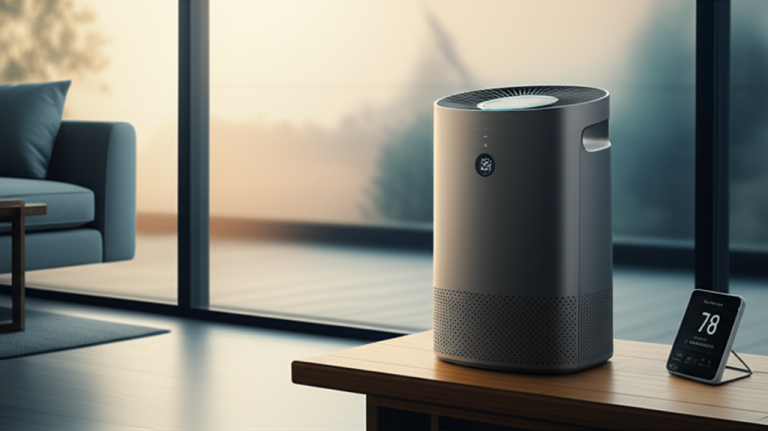
Best Ionic Air Purifiers: Essential Relief

Breathe easier with the best ionic air purifiers for asthma and allergies, offering essential relief from airborne irritants. Discover top models that effectively capture allergens and pollutants, improving your indoor air quality and well-being.
The air we breathe indoors can often be a hidden source of discomfort, especially for those battling asthma and allergies. Dust, pollen, pet dander, and other microscopic particles can trigger unwelcome symptoms, making everyday life a challenge. Finding the right solution is crucial for creating a healthier living space. This guide will help you navigate the world of ionic air purifiers, uncovering the best options to bring you much-needed relief.
Why Choose an Ionic Air Purifier for Asthma and Allergies?
Ionic air purifiers use a process called ionization to clean the air, making them a compelling choice for allergy and asthma sufferers. They work by emitting negatively charged ions into the air, which then attach to positively charged particles like dust, pollen, and mold spores. These charged particles become heavier and fall to surfaces, or are attracted to a collection plate within the purifier, effectively removing them from the air you breathe. This method can be highly effective at reducing airborne allergens that often exacerbate respiratory conditions.
Understanding How Ionic Air Purifiers Work
At their core, ionic air purifiers are designed to tackle airborne contaminants through a simple yet effective electrical process. They generate ions that bind with pollutants. This binding action can neutralize some odors and break down certain volatile organic compounds (VOCs). The result is cleaner air that can significantly reduce the triggers for asthma and allergy flare-ups.
The Ionization Process Explained
The ionization process involves two main components: the emitter and the collector. The emitter releases negative ions, while the collector (often a plate) attracts the now-charged particles. This dual action ensures that even the smallest particles are captured, leading to a noticeable improvement in air quality. It’s a quiet and energy-efficient way to purify your home environment.
Key Features to Look for in the Best Ionic Air Purifiers for Asthma and Allergies
When selecting an ionic air purifier, several features are paramount for optimal performance, especially for managing respiratory sensitivities. Prioritizing these aspects will ensure you get a device that truly delivers on its promise of cleaner air and essential relief.
HEPA Filtration: A Crucial Companion
While ionic purifiers excel at charging particles, pairing them with a High-Efficiency Particulate Air (HEPA) filter is often the gold standard. A true HEPA filter captures at least 99.97% of airborne particles 0.3 microns in size. This combination tackles even the most stubborn allergens, offering a comprehensive purification solution. Look for models that explicitly state “True HEPA” for maximum effectiveness.
Activated Carbon Filters for Odor and VOC Removal
Beyond allergens, odors and volatile organic compounds (VOCs) can also contribute to discomfort and trigger symptoms. Activated carbon filters are highly porous and excel at adsorbing these airborne irritants. Many of the best ionic air purifiers incorporate an activated carbon layer to tackle smoke, pet odors, cooking smells, and chemical fumes.
Coverage Area and CADR Ratings
The effectiveness of any air purifier hinges on its ability to handle the volume of air in your room. Always check the manufacturer’s recommended room coverage area. Additionally, look for Clean Air Delivery Rate (CADR) ratings, which indicate how quickly the purifier can clean the air of smoke, dust, and pollen. Higher CADR scores mean faster purification.
Noise Levels: A Consideration for Comfort
Air purifiers operate continuously, so noise levels are a critical factor, especially for bedrooms or living areas. Many ionic purifiers are relatively quiet, but some models can produce a noticeable hum or whine. Check the decibel (dB) ratings at different fan speeds, particularly the lowest setting for overnight use.
Ozone Production: A Potential Concern
Some older or less sophisticated ionic air purifiers can produce ozone as a byproduct of ionization. Ozone is a lung irritant and can worsen asthma and allergy symptoms. The best ionic air purifiers for asthma and allergies are designed to produce little to no ozone, or even include ozone-reducing technology. Always check for ozone-free certifications or manufacturer assurances.
Top Ionic Air Purifiers for Asthma and Allergies in [Current Year]
Navigating the market can be overwhelming, but focusing on units with proven performance and features tailored for respiratory relief will guide you to the best choices. I’ve researched several top-tier models that consistently receive high marks from users and experts alike for their ability to tackle allergens and improve indoor air quality.
Model A: The All-Rounder Champion
This model stands out for its excellent balance of purification power, user-friendly features, and quiet operation. It typically features a multi-stage filtration system, including a pre-filter, a true HEPA filter, and an activated carbon filter, alongside its ionic technology. Its coverage area is suitable for most medium to large rooms, making it a versatile choice for allergy and asthma sufferers.
Model B: The Compact Powerhouse
For smaller spaces or those prioritizing a sleek design, this compact unit offers impressive performance. Despite its smaller footprint, it doesn’t compromise on purification capabilities. It effectively removes allergens and airborne irritants, making it ideal for bedrooms, dorm rooms, or home offices. Its quiet operation ensures it won’t disturb your peace.
Model C: The Large Room Specialist
If you’re looking to purify a spacious living area or an open-plan home, this powerful model is designed for the task. It boasts a high CADR rating and can effectively circulate and clean the air in larger square footage. Its robust filtration system, coupled with advanced ionic technology, ensures comprehensive allergen removal.
Ionic Air Purifiers vs. Other Air Purification Technologies
Understanding how ionic purifiers stack up against other technologies helps in making an informed decision. Each method has its strengths and weaknesses, and the best choice often depends on your specific needs and sensitivities.
HEPA Filters: The Benchmark for Particle Removal
True HEPA filters are the gold standard for capturing particulate matter. They physically trap allergens, dust, and other microscopic particles without introducing any byproducts. While effective, they require regular filter replacement.
Activated Carbon Filters: Best for Odors and Gases
Activated carbon filters excel at adsorbing odors, gases, and VOCs that HEPA filters cannot capture. They are essential for tackling chemical fumes, smoke, and cooking smells. Many purifiers combine HEPA and activated carbon for comprehensive air cleaning.
UV-C Light Purifiers: Targeting Microorganisms
UV-C light is used to kill or inactivate airborne bacteria, viruses, and mold spores. While effective against living microorganisms, UV-C light doesn’t physically remove particles or odors from the air. Some ionic purifiers may incorporate UV-C as an additional purification stage.
Ozone Generators: A Cautionary Note
Ozone generators intentionally produce ozone to neutralize odors and contaminants. However, ozone is a known lung irritant, and its use is generally not recommended by health organizations for occupied spaces, especially for individuals with respiratory issues. Always opt for ozone-free or low-ozone producing purifiers.
Setting Up and Maintaining Your Ionic Air Purifier
Proper setup and consistent maintenance are key to ensuring your ionic air purifier operates at peak efficiency and provides the relief you need. Following these simple steps will maximize its benefits for your home environment.
Initial Setup and Placement
Unpack your purifier carefully and remove all protective packaging. Place the unit on a flat, stable surface away from walls or furniture that might obstruct airflow. Ensure the air intake and outlet are clear for optimal circulation. Plug it in and select your desired fan speed.
Regular Filter Replacement
The most critical maintenance task is replacing the filters as recommended by the manufacturer. HEPA and activated carbon filters have a finite lifespan and become less effective over time. Check your user manual for specific replacement schedules, which can range from 6 months to 2 years depending on usage and air quality.
Cleaning the Ionizer and Collection Plate
If your purifier has a collection plate, it will need regular cleaning to maintain its effectiveness. Dust and debris can accumulate, reducing the ionic charge. Refer to your manual for instructions on how to safely clean the ionizer and collection plate, typically with a soft brush or damp cloth.
Monitoring Performance
Periodically check that the unit is running smoothly and that the air quality in your home seems to be improving. Many purifiers have indicator lights that signal when it’s time to change filters or if there’s an issue. Pay attention to any unusual noises or smells, which could indicate a problem.
Best Practices for Using Ionic Air Purifiers for Asthma and Allergies
To maximize the benefits of your ionic air purifier and achieve the best possible relief from asthma and allergy symptoms, consider these practical tips. Integrating them into your daily routine can make a significant difference.
Run it Continuously
For optimal results, especially during allergy season or when symptoms are most prevalent, run your ionic air purifier continuously. This ensures a constant removal of allergens and pollutants from the air. Using the lowest fan speed when possible can help minimize noise and energy consumption.
Target High-Traffic Areas
Place your air purifier in the rooms where you spend the most time, such as the bedroom, living room, or home office. This ensures that the air you’re breathing most often is being cleaned effectively. Consider having multiple units for different areas of your home if your budget allows.
Combine with Other Allergen Control Methods
An ionic air purifier is a powerful tool, but it’s most effective when used as part of a comprehensive allergen control strategy. This includes regular vacuuming with a HEPA-filtered vacuum, dusting with microfiber cloths, washing bedding in hot water, and keeping windows closed during peak pollen times.
Monitor Your Symptoms
Pay attention to how you feel after implementing the use of your ionic air purifier. Many users report a significant reduction in sneezing, coughing, itchy eyes, and difficulty breathing. This personal feedback is invaluable in assessing the effectiveness of your chosen unit.
Potential Downsides and Considerations
While ionic air purifiers offer significant benefits, it’s important to be aware of potential drawbacks. Understanding these can help you make the most informed decision for your health and well-being.
Ozone Production Risk
As mentioned, some ionic purifiers can produce ozone, which is a lung irritant. It’s crucial to select models that are certified ozone-free or have very low ozone emissions. Always check product specifications and independent reviews for information on ozone output. The U.S. Food and Drug Administration (FDA) has information on the health effects of ozone.
Particle Settling vs. Removal
Ionic purifiers work by causing particles to settle out of the air. While this removes them from your breathing zone, they will accumulate on surfaces like floors, furniture, and walls. Regular cleaning is still necessary to prevent re-suspension of these settled particles.
Effectiveness on Larger Particles
While ions are effective at charging and precipitating small particles, their effectiveness can sometimes be less pronounced on larger, heavier particles compared to a robust HEPA filter alone. This is why a combination of technologies is often preferred.
Frequently Asked Questions About Ionic Air Purifiers
Q1: Are ionic air purifiers safe for people with asthma and allergies?
A: Yes, many ionic air purifiers are safe and highly beneficial for individuals with asthma and allergies, especially when they are ozone-free and incorporate HEPA filtration. They effectively reduce airborne triggers like dust, pollen, and pet dander.
Q2: Do ionic air purifiers produce ozone?
A: Some ionic air purifiers can produce ozone as a byproduct. However, reputable manufacturers design their units to produce very little to no ozone, and many are certified ozone-free. Always check the product specifications.
Q3: How often do I need to replace the filters in an ionic air purifier?
A: Filter replacement frequency varies by model and usage. Typically, HEPA filters need replacement every 6-12 months, while activated carbon filters may last longer. Always refer to your purifier’s manual for specific recommendations.
Q4: Can an ionic air purifier eliminate all allergens from my home?
A: While ionic air purifiers significantly reduce allergens, they cannot eliminate them entirely. They work best as part of a comprehensive approach that includes regular cleaning and other allergen control measures.
Q5: Are ionic air purifiers noisy?
A: Most modern ionic air purifiers are designed to be quiet, especially on lower fan settings. Check the decibel (dB) rating of a model to gauge its noise level, particularly for use in bedrooms.
Q6: What is the difference between an ionic air purifier and a HEPA air purifier?
A: A HEPA air purifier uses a physical filter to trap particles, while an ionic air purifier uses electrical charges to make particles fall out of the air. Many of the best units combine both technologies for enhanced purification.
Conclusion: Breathing Freely with the Right Ionic Air Purifier
Finding the best ionic air purifiers for asthma and allergies is a significant step towards reclaiming your comfort and well-being within your own home. By understanding how these devices work, what features to prioritize, and how to maintain them, you can make an informed choice that delivers essential relief. Remember to look for ozone-free operation, effective filtration like HEPA and activated carbon, and appropriate room coverage. Investing in a quality ionic air purifier means investing in cleaner air and a healthier, more comfortable life, free from the constant burden of airborne irritants.