
Best Air Purifier For Smoke From Wildfire: Essential Guide

Breathe Easier: Your Essential Guide to the Best Air Purifier for Smoke from Wildfire. This guide helps you choose the ideal air purifier to combat wildfire smoke, ensuring cleaner indoor air for your family. We cover crucial features, top recommendations, and expert tips for effective smoke filtration.
Wildfire smoke is more than just an inconvenience; it’s a serious health hazard that can infiltrate your home. Fine particulate matter, toxic gases, and allergens from smoke can linger in the air, impacting respiratory health and overall well-being. Finding the best air purifier for smoke from wildfire is essential for creating a safe sanctuary. I’m here to guide you through the process, making sure you can breathe easy again.
Why Wildfire Smoke is a Health Concern Indoors
Wildfire smoke contains tiny particles, often less than 2.5 micrometers in diameter (PM2.5), which are small enough to bypass your body’s natural defenses and enter deep into your lungs. These particles can carry harmful chemicals and irritants. Prolonged exposure, even indoors if your air isn’t purified, can lead to respiratory issues like asthma attacks, bronchitis, and even long-term cardiovascular problems.
Understanding Air Purifier Technologies for Smoke
Different air purifiers use various technologies to clean the air, but for wildfire smoke, some are more effective than others. True HEPA filters are the gold standard for capturing fine particulate matter, trapping at least 99.97% of particles 0.3 microns in size. Activated carbon filters are crucial for adsorbing gases and odors associated with smoke, such as volatile organic compounds (VOCs).
HEPA Filters: The Backbone of Smoke Filtration
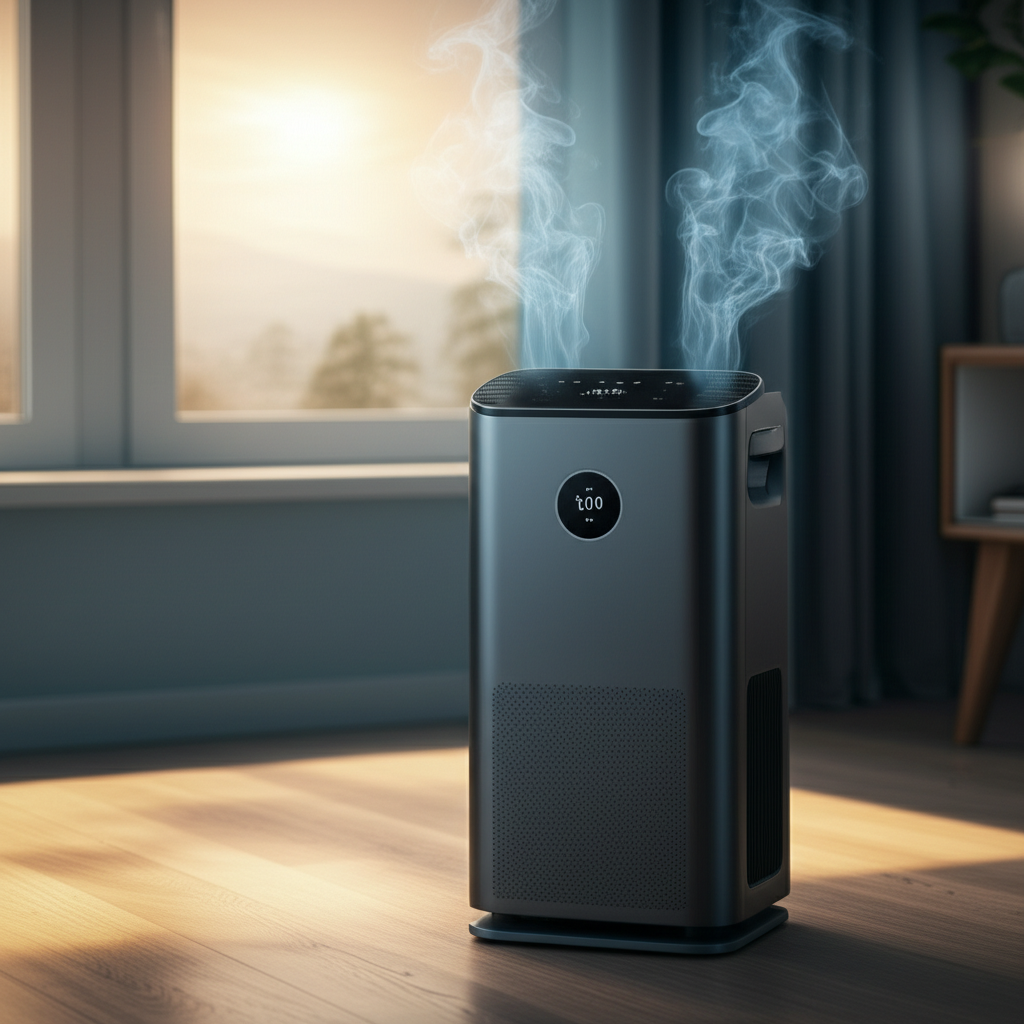
A True HEPA (High-Efficiency Particulate Air) filter is designed to capture the smallest airborne particles. For wildfire smoke, this means it can effectively trap the dangerous PM2.5 particles that are a primary concern. When looking for the best air purifier for smoke from wildfire, always prioritize models with a True HEPA filter.
Activated Carbon Filters: Tackling Smoke Odors and Gases
While HEPA filters handle particles, activated carbon filters are essential for tackling the chemical compounds and odors within wildfire smoke. These filters use a porous material to adsorb gases, effectively neutralizing the smoky smell and harmful VOCs. A robust activated carbon filter is vital for a comprehensive smoke-clearing solution.
Other Technologies: What to Consider
Some air purifiers also feature pre-filters to catch larger debris, UV-C light for sanitization, or ionizers. While pre-filters can extend the life of your main filters, and UV-C can help with airborne germs, HEPA and activated carbon are the most critical components for wildfire smoke. Be cautious with ionizers, as some can produce ozone, which is a lung irritant.
Key Features to Look For in a Wildfire Smoke Air Purifier
When selecting an air purifier to combat wildfire smoke, several features are paramount. These ensure the unit is powerful enough, efficient, and suitable for your specific needs and living space. Prioritizing these features will lead you to the best air purifier for smoke from wildfire.
CADR Ratings: Measuring Performance
CADR stands for Clean Air Delivery Rate, and it’s a crucial metric for evaluating an air purifier’s effectiveness. It measures how quickly the unit can clean the air of specific pollutants like smoke, dust, and pollen. For wildfire smoke, a higher smoke CADR rating is highly desirable.
Room Size Coverage and ACH
Ensure the air purifier you choose is rated for the size of your room or living space. Air Changes per Hour (ACH) indicates how many times the air in a room is completely filtered in an hour. For wildfire smoke, aim for an ACH of at least 4 or 5, meaning the air is fully purified multiple times every hour.
Noise Levels and Energy Efficiency
Air purifiers can run for extended periods, especially during smoke events. Look for models with quiet operation modes, often measured in decibels (dB), so they don’t disrupt your sleep or daily activities. Also, consider energy efficiency to manage electricity costs over time.
Filter Replacement Costs and Availability
Remember that air purifier filters need regular replacement. Factor in the cost and availability of replacement HEPA and activated carbon filters when making your decision. Some high-quality filters can be an investment, so check pricing before purchasing the unit.
Top Air Purifier Recommendations for Wildfire Smoke
Based on expert reviews and user feedback, here are some of the best air purifiers for tackling wildfire smoke. These models consistently rank high for their filtration capabilities, performance, and suitability for smoky conditions. Choosing from these options will set you on the right path to cleaner indoor air.
Coway Airmega 200M
The Coway Airmega 200M is a strong contender, featuring a multi-stage filtration system including a True HEPA filter and an activated carbon filter. Its robust performance makes it excellent for medium to large rooms. It effectively captures particulate matter and adsorbs smoke odors, making it a top choice for wildfire smoke.
Levoit Core 300S
For smaller spaces or bedrooms, the Levoit Core 300S offers excellent value. It boasts a 3-stage filtration system with a True HEPA filter and an activated carbon filter. Its compact size and quiet operation make it ideal for personal spaces, providing a reliable defense against smoke.
Blueair Classic 405
The Blueair Classic 405 uses a combination of electrostatic and mechanical filtration (HEPASilent™ technology) to capture particles and gases. It’s known for its high efficiency and quiet operation, making it suitable for larger living areas. This model is highly effective at removing smoke and other airborne irritants.
Winix 5500-2
The Winix 5500-2 is a popular choice that includes a True HEPA filter, an activated carbon filter, and Winix’s PlasmaWave technology. It’s designed for medium to large rooms and offers excellent air cleaning capabilities for smoke and allergens. The PlasmaWave feature can be turned on or off, giving you control over its function.
How to Maximize Your Air Purifier’s Effectiveness During Smoke Events
Simply owning an air purifier isn’t enough; proper usage is key to maximizing its effectiveness against wildfire smoke. Implementing these strategies will ensure your unit performs at its best when you need it most. This is crucial for anyone seeking the best air purifier for smoke from wildfire.
Placement is Key
Position your air purifier in the room where you spend the most time, or in the area most affected by smoke infiltration. Ensure it has at least a foot of clearance around it for optimal airflow. Avoid placing it in corners or behind furniture, which can obstruct its intake and output.
Run It Continuously
During periods of heavy wildfire smoke, it’s best to run your air purifier 24/7. This ensures that the air quality inside your home is consistently monitored and improved. Continuous operation prevents smoke particles and gases from accumulating to unhealthy levels.
Maintain Your Filters
Regularly check and replace your air purifier’s filters according to the manufacturer’s recommendations. Clogged filters reduce airflow and filtration efficiency, diminishing the unit’s ability to clean the air. This is a critical step in maintaining the performance of your chosen air purifier.
Seal Your Home
To prevent smoke from entering your home in the first place, seal any gaps or cracks around windows, doors, and vents. Close windows and doors when smoke is heavy outside. This proactive approach works in tandem with your air purifier to create a cleaner indoor environment.
Factors Affecting Air Purifier Performance Against Smoke
Several factors can influence how well an air purifier performs when dealing with wildfire smoke. Understanding these can help you make informed decisions and optimize your unit’s operation. This knowledge is vital for selecting and using the best air purifier for smoke from wildfire.
Smoke Density and Duration
The intensity and length of the wildfire smoke event significantly impact air purifier performance. A very dense smoke plume or smoke that lingers for days will put a greater strain on the unit and may require more frequent filter changes. Your air purifier will work harder during these times.
Home Sealing and Ventilation
The effectiveness of any air purifier is compromised if smoke can easily enter your home. Drafty windows, poorly sealed doors, and inadequate ventilation can allow smoke to bypass the purification process. A well-sealed home is the first line of defense.
Air Purifier Capacity
Using an air purifier that is too small for the space it’s intended for will lead to suboptimal results. The unit will struggle to circulate and filter all the air in the room effectively, especially under heavy smoke conditions. Always choose a unit appropriately sized for your room.
Comparing Air Purifiers: A Table of Features
To help you visualize the differences, here’s a comparison of some popular air purifiers suitable for wildfire smoke. This table highlights key features that are important for smoke filtration.
| Feature | Coway Airmega 200M | Levoit Core 300S | Blueair Classic 405 | Winix 5500-2 |
| :—————— | :—————– | :————— | :—————— | :————– |
| Filter Type | True HEPA, Carbon | True HEPA, Carbon | HEPASilent™, Carbon | True HEPA, Carbon, PlasmaWave |
| Room Size (Sq Ft) | Up to 361 | Up to 219 | Up to 388 | Up to 360 |
| CADR (Smoke) | High | Moderate | High | High |
| Noise Level (dB) | 24-54 | 24-50 | 23-52 | 28-54 |
| Energy Star Rated | Yes | Yes | Yes | Yes |
| Filter Replacement | Annual | 6-8 Months | Varies | Annual |
This table provides a snapshot, but always check the latest specifications from the manufacturer. It’s essential to match these features with your specific needs when seeking the best air purifier for smoke from wildfire.
When to Use an Air Purifier for Wildfire Smoke
The decision to use an air purifier for wildfire smoke should be based on air quality indicators and personal health. Don’t wait until visibility is severely reduced to take action. Proactive use is key to maintaining a healthy indoor environment.
Monitoring Air Quality Indexes (AQI)
Pay close attention to your local Air Quality Index (AQI). When AQI levels for PM2.5 reach unhealthy or hazardous ranges (typically above 100 or 150), it’s time to activate your air purifier. Many government environmental agencies provide real-time AQI data online.
Recognizing Symptoms of Smoke Exposure
If you or your family members start experiencing symptoms like coughing, shortness of breath, eye irritation, or headaches, even indoors, it’s a sign that smoke particles are present. This is your cue to turn on your air purifier and ensure it’s operating effectively. Your body’s signals are important indicators.
Long-Term Health Considerations
For individuals with pre-existing respiratory or cardiovascular conditions, using an air purifier during wildfire season is not just recommended but essential for health management. It provides a critical layer of protection against potentially exacerbating smoke exposure. Prioritizing your health is paramount.
Choosing the Right Air Purifier for Your Budget
Air purifiers range in price, but investing in a good one for wildfire smoke is a worthwhile health expenditure. There are excellent options available across different price points. Finding the best air purifier for smoke from wildfire doesn’t always mean the most expensive.
Budget-Friendly Options
For those on a tighter budget, units like the Levoit Core 300S offer effective filtration for smaller spaces without breaking the bank. These models still provide the crucial HEPA and activated carbon filtration needed for smoke. They are a great starting point for improving indoor air quality.
Mid-Range Performers
Models like the Winix 5500-2 and Coway Airmega 200M offer a balance of advanced features, strong performance, and reasonable pricing. They are well-suited for medium to large rooms and provide robust protection against wildfire smoke. These often represent the sweet spot for value and performance.
Premium Investments
Higher-end air purifiers may offer larger coverage areas, advanced smart features, or quieter operation. While more expensive upfront, they can be a long-term investment in a healthier home, especially in areas prone to frequent wildfire smoke. Consider these if you have larger spaces or specific needs.
Frequently Asked Questions About Air Purifiers and Wildfire Smoke
Here are some common questions beginners might have about using air purifiers to combat wildfire smoke.
How long does it take for an air purifier to clear smoke?
The time it takes depends on the air purifier’s CADR, the room size, and the density of the smoke. For dense smoke, a powerful unit might take anywhere from 30 minutes to a few hours to significantly improve air quality. Continuous operation is key for sustained clean air.
Can an air purifier completely remove wildfire smoke?
While an air purifier can drastically reduce the concentration of smoke particles and gases, it may not achieve 100% removal in all conditions. Sealing your home and ensuring proper ventilation are crucial complementary steps. It significantly improves air quality, but perfection is difficult.
How often should I replace the filters for smoke?
For wildfire smoke, filters often need replacement more frequently than recommended for general use. Check your manufacturer’s guidelines, but be prepared to replace HEPA and carbon filters every 6-12 months, or sooner if you notice reduced airflow or increased odors.
Which type of air purifier is best for smoke?
The best air purifiers for smoke use a combination of a True HEPA filter to capture fine particles and an activated carbon filter to adsorb odors and gases. Look for high CADR ratings specifically for smoke. These two filter types are essential for effective smoke removal.
Can air purifiers help with the smell of smoke?
Yes, activated carbon filters are excellent at adsorbing the odor molecules in wildfire smoke. While HEPA filters capture the particulate matter, the carbon filter tackles the smell, making your home much more pleasant to be in. This dual action is vital.
Do I need a separate air purifier for each room?
It’s ideal to have an air purifier in each room where you spend significant time, especially bedrooms and main living areas. If that’s not feasible, place the most powerful unit in the largest or most used room and close doors to other areas. This concentrates purification efforts.
Conclusion: Securing Your Sanctuary from Wildfire Smoke
Wildfire smoke poses a significant threat to indoor air quality and health, but with the right tools, you can create a safe haven. Understanding the importance of True HEPA and activated carbon filters, looking for high CADR ratings, and ensuring proper unit placement and maintenance are key. By investing in the best air purifier for smoke from wildfire that suits your space and budget, you can significantly improve the air you breathe. Don’t let smoke dictate your comfort and health; take control with a reliable air purification system.
