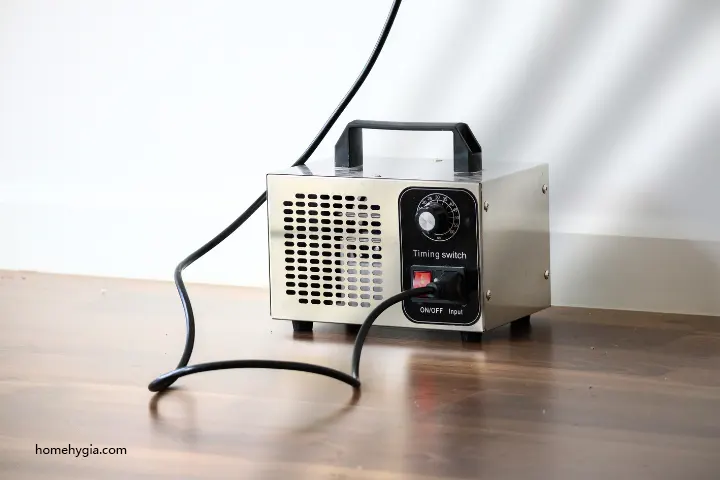
Best Air Purifiers For Cancer Patients: Essential Guide

Discover the best air purifiers for cancer patients to create a healthier home environment. This guide explains essential features like HEPA filtration and activated carbon, helping you choose a unit that effectively removes allergens, pollutants, and airborne pathogens, crucial for immunocompromised individuals.
Breathing clean air is vital for everyone, but for cancer patients, it’s exceptionally important. The immune system can be weakened by treatments, making individuals more susceptible to infections and irritants in the air. Finding the right air purifier can significantly improve comfort and well-being at home. This guide will walk you through the essential features and considerations to help you select the best air purifiers for cancer patients. We’ll explore what makes an air purifier truly effective for this specific need.
Why Air Quality Matters for Cancer Patients
Clean air is a cornerstone of a healthy environment, especially for those undergoing cancer treatment. Their immune systems are often compromised, making them vulnerable to airborne particles like dust, pollen, mold spores, and even viruses and bacteria. These can trigger respiratory issues or lead to infections. An effective air purifier can create a sanctuary, reducing exposure to these harmful elements. It’s a proactive step towards better health and recovery.
Understanding the Threat: Common Air Pollutants and Cancer Patients
Cancer patients face unique challenges regarding air quality. Treatments like chemotherapy and radiation can suppress the immune system, increasing sensitivity to common indoor pollutants. These include volatile organic compounds (VOCs) from cleaning products or new furniture, fine particulate matter (PM2.5) from cooking or outdoor pollution, allergens like pet dander and dust mites, and even airborne pathogens. Reducing exposure to these can ease symptoms and prevent complications.
Fine Particulate Matter (PM2.5)
Fine particulate matter, often less than 2.5 micrometers in diameter, poses a significant risk. These tiny particles can penetrate deep into the lungs and even enter the bloodstream. For cancer patients, inhaling PM2.5 can exacerbate respiratory problems and stress an already weakened body. Sources include vehicle exhaust, industrial emissions, and indoor activities like burning incense or cooking.
Volatile Organic Compounds (VOCs)
VOCs are gases emitted from various household products, including paints, cleaning supplies, air fresheners, and new furnishings. They can cause headaches, nausea, and respiratory irritation. Cancer patients may find these symptoms amplified, making a home environment free from VOCs highly desirable.
Allergens and Pathogens
Common allergens like dust mites, pollen, and pet dander can trigger allergic reactions and respiratory distress. Furthermore, viruses and bacteria circulating in the air can be particularly dangerous for immunocompromised individuals. An air purifier capable of capturing these microscopic threats offers a crucial layer of protection.
Key Features to Look for in Air Purifiers for Cancer Patients
When selecting the best air purifiers for cancer patients, specific features are paramount. The goal is to maximize the removal of harmful airborne particles and gases. This ensures the patient breathes the cleanest possible air, aiding recovery and comfort.
True HEPA Filtration: The Gold Standard
A True HEPA (High-Efficiency Particulate Air) filter is non-negotiable. It’s certified to capture at least 99.97% of airborne particles as small as 0.3 microns. This includes dust, pollen, mold spores, pet dander, and many bacteria. For cancer patients, this level of filtration is essential for removing microscopic irritants and pathogens.
Activated Carbon Filters: Tackling Gases and Odors
Beyond particles, gases and odors can be problematic. Activated carbon filters are highly porous and excel at adsorbing VOCs, smoke, cooking smells, and other chemical pollutants. This dual-action approach, combining HEPA and activated carbon, is crucial for comprehensive air purification.
CADR (Clean Air Delivery Rate) Matters
The CADR rating indicates how quickly an air purifier can clean a room of smoke, dust, and pollen. A higher CADR means faster and more effective purification. For cancer patients, it’s beneficial to choose a unit with a CADR appropriate for the size of the room, ensuring the air is cleaned efficiently and frequently.
Noise Levels: A Consideration for Comfort
Air purifiers can sometimes be noisy, which might be disruptive, especially for someone who needs rest. Look for models with low decibel (dB) ratings, particularly on their lower settings or sleep modes. A quiet operation ensures the purifier can run continuously without causing disturbance.
Ease of Maintenance and Filter Replacement
Maintaining an air purifier is key to its effectiveness. Consider how easy it is to access and replace filters. Some units have indicator lights to signal when it’s time for a change. Simple maintenance procedures ensure the purifier remains a helpful tool rather than a burden.
Top Air Purifiers for Cancer Patients: Our Recommendations
Choosing the best air purifiers for cancer patients involves balancing advanced features with user-friendliness. Based on filtration capabilities, CADR ratings, and overall effectiveness in removing pollutants, here are some highly recommended options.
Coway Airmega 200M
The Coway Airmega 200M is a popular choice, offering a robust True HEPA filter combined with an activated carbon filter. Its coverage area is suitable for medium to large rooms, and it boasts a decent CADR. The unit also features an air quality sensor that adjusts fan speed automatically, ensuring optimal purification.
Levoit Core 300S
For smaller spaces or bedrooms, the Levoit Core 300S is an excellent, budget-friendly option. It features a 3-stage filtration system, including a True HEPA filter, and is known for its quiet operation. The compact design makes it easy to place anywhere, and its smart features allow for remote control.
Blueair Blue Pure 211+ Auto
The Blueair Blue Pure 211+ Auto is designed for larger rooms and excels at quietly removing a wide range of pollutants. It uses a unique combination of electrostatic and mechanical filtration, achieving high particle removal efficiency. The washable pre-filter also helps extend the life of the main filters.
Winix 5500-2
This model is a strong contender due to its comprehensive filtration system, including a True HEPA filter, activated carbon filter, and PlasmaWave technology (which can be turned off if preferred). It’s effective for medium to large rooms and offers excellent value for its performance.
Understanding Filtration Technologies
Air purifiers utilize various technologies to clean the air. For cancer patients, understanding these helps in making an informed decision about which purifier offers the most benefit.
True HEPA vs. HEPA-Type Filters
It’s crucial to distinguish between “True HEPA” and “HEPA-type” filters. True HEPA filters meet the strict standard of capturing 99.97% of particles 0.3 microns in size. HEPA-type or HEPA-like filters may not meet this standard and are generally less effective. Always look for the “True HEPA” certification.
Activated Carbon: Adsorbing Odors and Gases
Activated carbon filters work through adsorption, where gas molecules stick to the vast surface area of the carbon. This is highly effective for removing VOCs, smoke, and odors that HEPA filters cannot capture. The amount and quality of activated carbon in a filter significantly impact its performance.
Ionizers and Ozone Production
Some air purifiers use ionizers to charge particles, causing them to clump together and fall out of the air or stick to surfaces. However, ionizers can produce ozone as a byproduct, which is a lung irritant. For cancer patients, it’s generally advisable to choose purifiers without ionizers or those that have an option to disable this feature.
UV-C Light: A Secondary Disinfection Method
UV-C light can kill bacteria and viruses trapped by the filters. While not a primary filtration method, it can offer an additional layer of disinfection. However, ensure the UV-C component is well-contained and does not contribute to ozone production.
Where to Place Your Air Purifier for Maximum Benefit
The placement of your air purifier significantly impacts its effectiveness in creating a clean air zone for a cancer patient. Strategic positioning ensures the purified air circulates optimally.
In the Patient’s Primary Living Space
The most critical area is where the cancer patient spends most of their time, whether it’s their bedroom or a living room. Placing the air purifier in this primary space ensures they are consistently breathing cleaner air. Aim for a central location within the room.
Near Sources of Pollution
If possible, place the air purifier in proximity to potential sources of indoor pollution. This could be near a kitchen if cooking frequently produces smoke or odors, or in a room where new furniture might off-gas VOCs. This helps capture pollutants closer to their origin.
Ensuring Proper Airflow
Avoid placing the air purifier in enclosed spaces or directly against walls or furniture. Air purifiers need space around them to draw in air efficiently and circulate purified air back into the room. Check the manufacturer’s recommendations for clearance.
Maintaining Your Air Purifier for Optimal Performance
Regular maintenance is crucial for an air purifier to perform at its best, especially for cancer patients who rely on its consistent effectiveness. Neglecting maintenance can reduce filtration efficiency.
Filter Replacement Schedule
Follow the manufacturer’s recommended schedule for replacing HEPA and carbon filters. This is typically every 6-12 months, depending on usage and air quality. Some purifiers have filter life indicators to help.
Cleaning the Pre-Filter
Many air purifiers have a washable pre-filter that captures larger particles like hair and lint. Cleaning this regularly (e.g., monthly) can extend the life of the main HEPA and carbon filters.
General Cleaning and Inspection
Periodically wipe down the exterior of the air purifier and check the fan and sensor for any dust buildup. Ensure all parts are functioning correctly and that no unusual noises are present.
Comparing Air Purifier Features: A Table
To help visualize the differences, here’s a comparison of key features in popular air purifiers suitable for cancer patients.
| Feature | Coway Airmega 200M | Levoit Core 300S | Blueair Blue Pure 211+ Auto | Winix 5500-2 |
| :—————— | :—————– | :————— | :————————– | :———– |
| Filtration | True HEPA, Carbon | True HEPA, Carbon | Electrostatic, Mechanical | True HEPA, Carbon, PlasmaWave |
| Room Size | Medium to Large | Small to Medium | Large | Medium to Large |
| CADR | Good | Moderate | High | Good |
| Noise Level | Moderate | Very Quiet | Quiet | Moderate |
| Ozone Production| None | None | None | None (PlasmaWave can be off) |
| Smart Features | Air Quality Sensor | Yes | Auto Mode | Auto Mode |
Expert Considerations for Cancer Patients
As an expert in home health solutions, I understand the delicate balance required for cancer patients. Prioritizing features that directly impact respiratory health and minimize exposure to irritants is key. The best air purifiers for cancer patients are those that offer robust filtration without introducing additional harmful byproducts.
The Importance of Avoiding Ozone
Ozone is a lung irritant and can be particularly harmful to individuals with compromised respiratory systems, including many cancer patients. It’s crucial to select air purifiers that do not produce ozone or allow you to disable ozone-generating features like ionizers or certain UV-C applications. Look for certifications like CARB (California Air Resources Board) compliance, which indicates low or no ozone emission.
Hypoallergenic Design Considerations
Beyond filtration, consider the materials and design of the air purifier itself. Some units may have plastic components that can off-gas VOCs, especially when new. Opting for models from reputable brands known for using quality, low-VOC materials can further enhance the air quality in the patient’s environment.
Energy Efficiency and Running Costs
Air purifiers often run continuously, so energy efficiency is a practical consideration. Look for ENERGY STAR certified models, which consume less electricity, leading to lower utility bills over time. This also contributes to a more sustainable home environment.
Frequently Asked Questions (FAQ)
Can an air purifier help a cancer patient feel better?
Yes, by removing allergens, dust, mold spores, and other irritants, an air purifier can help reduce respiratory symptoms, improve sleep quality, and create a more comfortable healing environment for cancer patients.
How many air purifiers do I need for a cancer patient?
Typically, one high-quality air purifier for the primary living space (like a bedroom) is a good start. If the patient spends significant time in multiple rooms, consider additional units for those areas.
Are air purifiers noisy?
Some air purifiers can be noisy, especially on higher settings. However, many models offer quiet or sleep modes with low decibel ratings, making them suitable for bedrooms and rest areas.
How often should filters be replaced?
Filter replacement frequency varies by model and usage, but generally, HEPA filters need replacement every 6-12 months, and carbon filters may need replacing more often. Always check the manufacturer’s recommendations.
Are ionizers safe for cancer patients?
It’s generally recommended to avoid air purifiers with ionizers for cancer patients, as they can produce ozone, a lung irritant. If an air purifier has an ionizer, ensure it can be turned off.
What is the most important feature in an air purifier for cancer patients?
The most important feature is a True HEPA filter, as it effectively captures 99.97% of airborne particles, including allergens and pathogens that can be harmful to immunocompromised individuals.
Conclusion
Creating a clean and healthy living space is a crucial aspect of supporting a cancer patient’s well-being and recovery. The best air purifiers for cancer patients are those that combine True HEPA filtration with effective activated carbon to tackle a wide range of airborne pollutants. By understanding key features like CADR, noise levels, and the importance of avoiding ozone, you can make an informed choice. Investing in a quality air purifier is a proactive step towards providing a safer, more comfortable environment, helping to minimize respiratory irritation and promote healing.