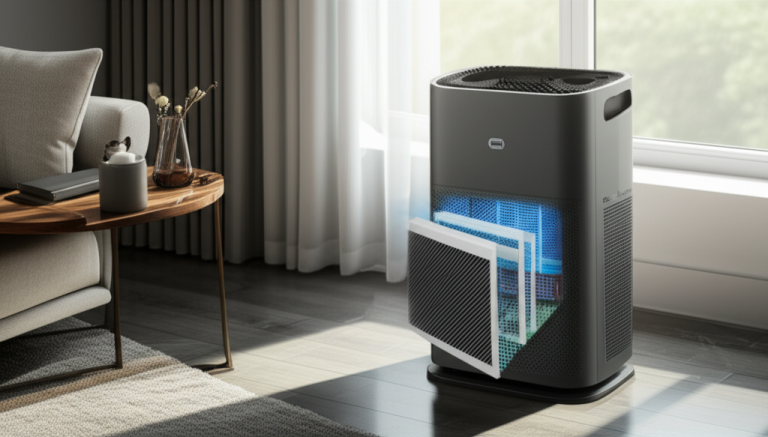
Best Air Purifier for Pollen Allergies: Proven Relief

Discover the best air purifier for pollen allergies and find proven relief. This guide helps you choose a unit that effectively removes pollen and other airborne allergens, creating a healthier indoor environment for allergy sufferers.
Breathing freely during allergy season can feel like a distant dream for many. Pollen, a common trigger, sneaks indoors, turning your sanctuary into a source of discomfort. Sneezing, itchy eyes, and congestion are frustrating realities. But what if you could significantly reduce these symptoms within your own home? This article will guide you through selecting the best air purifier for pollen allergies, ensuring you find a solution that offers genuine, proven relief. We’ll explore what makes an air purifier effective against pollen and help you make an informed choice for a breath of fresh air.
Why Pollen Allergies Demand a Specialized Air Purifier
Pollen allergies, or hay fever, affect millions worldwide, with seasonal spikes causing significant distress. Airborne pollen particles are microscopic invaders that trigger an immune response, leading to uncomfortable symptoms. Standard home air circulation can easily spread these allergens, making a dedicated air purifier essential for managing your environment. Choosing the right best air purifier for pollen allergies can dramatically improve your quality of life during peak seasons.
Understanding Pollen: The Tiny Terror of Allergy Season
Pollen grains, released by trees, grasses, and weeds, are microscopic and easily airborne. Their small size allows them to travel long distances and infiltrate homes through open windows, doors, and even on clothing. Once inside, they can settle on surfaces or remain suspended in the air, posing a constant threat to allergy sufferers. Effectively combating these tiny particles requires an air purifier designed for their capture.
Key Features to Look for in the Best Air Purifier for Pollen Allergies
When selecting an air purifier for pollen allergies, certain features are non-negotiable for optimal performance. These elements work together to capture and neutralize the microscopic pollen particles that cause so much discomfort. Prioritizing these specifications will lead you to a unit that truly makes a difference.
The Power of HEPA Filters: Your First Line of Defense
High-Efficiency Particulate Air (HEPA) filters are the gold standard for capturing airborne allergens like pollen. A true HEPA filter is certified to remove at least 99.97% of airborne particles 0.3 microns in size. Since most pollen particles are larger than this, a HEPA filter is highly effective at trapping them before they can trigger your allergies. Look for “True HEPA” to ensure you’re getting the highest level of filtration.
Activated Carbon Filters: Tackling Odors and VOCs
While HEPA filters excel at capturing physical particles like pollen, activated carbon filters are crucial for absorbing odors, gases, and volatile organic compounds (VOCs). These can sometimes accompany pollen or be present in your home, contributing to a stuffy or unpleasant atmosphere. A combination of HEPA and activated carbon filters offers comprehensive air purification for a cleaner, fresher home environment.
CADR Ratings: Measuring Cleaning Power
The Clean Air Delivery Rate (CADR) is a standardized measure of how quickly an air purifier can clean a room of specific pollutants. You’ll typically see ratings for smoke, dust, and pollen. For pollen allergies, a higher pollen CADR rating indicates a more effective unit for allergen removal. Ensure the CADR rating is appropriate for the size of the room you intend to use the purifier in.
Room Size Coverage: Matching Purifier to Space
Air purifiers are designed for specific room sizes, often indicated in square feet. It’s crucial to choose a unit that matches or slightly exceeds the square footage of the area where you spend the most time, such as your bedroom or living room. An undersized unit will struggle to effectively clean the air, while an oversized one might be unnecessarily noisy or energy-intensive. Always check the manufacturer’s recommended room coverage.
Noise Levels: Ensuring Peaceful Air Purification
Air purifiers operate with fans, which naturally generate some noise. For allergy sufferers, especially those who are sensitive or use the purifier in their bedroom, noise level is a significant factor. Look for models with low decibel (dB) ratings, particularly on their lower settings. Many units offer a “sleep mode” that operates at a whisper-quiet level, ensuring undisturbed rest.
Additional Features for Enhanced Allergy Relief
Beyond the core filtration, some air purifiers offer features that can further enhance pollen allergy relief. These might include pre-filters to capture larger particles, UV-C light for germicidal action, or ionizers to help particles clump together for easier filtration. However, be cautious with ionizers, as some can produce ozone, which may irritate respiratory systems. Always research the safety and effectiveness of these additional features.
Top Air Purifier Models for Pollen Allergy Sufferers in [Current Year]
Finding the best air purifier for pollen allergies can be overwhelming with so many options available. Based on expert reviews and user feedback, here are some top contenders that consistently perform well in capturing pollen and providing relief. These models balance effectiveness, features, and value for allergy sufferers.
Dyson Purifiers: Advanced Technology for Allergy Control
Dyson is renowned for its innovative technology, and their air purifiers are no exception. Many Dyson models combine HEPA filtration with activated carbon and feature intelligent sensing technology to monitor air quality in real-time. They often boast sleek designs and smart features like app connectivity, making them a premium choice for allergy relief. Their enclosed filtration systems ensure no air bypasses the filters.
Coway Air Purifiers: Reliable Performance and Value
Coway consistently ranks high for its effective air purification systems, offering excellent value for money. Models like the Coway Airmega series often feature multi-stage filtration, including True HEPA filters and robust activated carbon layers. They are known for their quiet operation and durable performance, making them a popular choice for consistent pollen allergy management. Their user-friendly interfaces add to their appeal.
Blueair Air Purifiers: Scandinavian Design Meets Powerful Filtration
Blueair purifiers combine minimalist Scandinavian design with powerful air cleaning capabilities. They often utilize a combination of electrostatic and mechanical filtration (HEPASilent™ technology) to capture allergens efficiently and quietly. Many Blueair models are Energy Star certified, offering energy efficiency alongside excellent performance for pollen and other airborne irritants. Their large filter surface area contributes to long filter life.
Levoit Air Purifiers: Budget-Friendly and Effective Options
For those seeking effective pollen allergy relief without breaking the bank, Levoit offers several compelling options. Their Core series purifiers, for example, often feature True HEPA filters and activated carbon layers at an accessible price point. They are compact, quiet, and designed for smaller to medium-sized rooms, making them a great entry-level choice for managing seasonal allergies.
How to Choose the Right Air Purifier for Your Needs
Selecting the best air purifier for pollen allergies involves more than just picking a popular brand. It requires understanding your specific situation and matching it with the right features and specifications. By following a systematic approach, you can confidently choose a unit that will bring you lasting relief.
Step 1: Assess Your Allergy Severity and Triggers
Consider how severe your pollen allergies are and what specific pollens affect you most. If you experience severe reactions, you’ll want a purifier with a very high CADR rating and a robust multi-stage filtration system. Understanding your triggers helps you prioritize features that will be most beneficial for your unique needs.
Step 2: Measure Your Room Size
Accurately measure the dimensions of the room where you plan to use the air purifier most. This is typically your bedroom, as allergen exposure during sleep can significantly impact your well-being. Always choose a purifier rated for a room size equal to or slightly larger than yours to ensure optimal performance.
Step 3: Compare Filtration Technologies
As discussed, True HEPA filtration is essential for pollen. Look for models that also include a substantial activated carbon filter to address odors and gases. Evaluate the effectiveness of any additional technologies based on your specific concerns, prioritizing safety and proven results.
Step 4: Check for Certifications and Energy Efficiency
Look for certifications like AHAM Verifide for CADR ratings and Energy Star for energy efficiency. These ensure the product meets advertised performance standards and will help save on electricity costs over time. Certifications provide an independent verification of the air purifier’s capabilities.
Step 5: Read Reviews and Consider Maintenance
Always read reviews from other allergy sufferers to get real-world insights into a purifier’s performance and reliability. Also, consider the cost and frequency of filter replacement, as this is an ongoing maintenance expense. Some models have longer filter lifespans, which can be more cost-effective in the long run.
Maintaining Your Air Purifier for Peak Pollen Season Performance
To ensure your air purifier continues to provide optimal relief from pollen allergies, regular maintenance is crucial. Neglecting maintenance can reduce its effectiveness and even lead to poorer air quality. Following a consistent cleaning and filter replacement schedule is key.
Regular Filter Cleaning and Replacement Schedule
The pre-filter, often washable, should be cleaned every 2-4 weeks to capture larger particles and extend the life of the HEPA and carbon filters. True HEPA and activated carbon filters typically need replacement every 6-12 months, depending on usage and air quality. Always refer to your air purifier’s manual for specific recommendations.
Cleaning the Unit’s Exterior and Interior
Dust can accumulate on the exterior of your air purifier and within the unit itself. Periodically wipe down the exterior with a damp cloth. Carefully open the unit according to the manual’s instructions to gently vacuum any dust buildup from the fan blades and internal components, ensuring unhindered airflow.
Frequently Asked Questions About Air Purifiers and Pollen Allergies
Here are answers to some common questions people have when looking for the best air purifier for pollen allergies.
Can an air purifier really help with pollen allergies?
Yes, a high-quality air purifier equipped with a True HEPA filter can significantly reduce the amount of pollen and other allergens in your indoor air, leading to a noticeable decrease in allergy symptoms.
How often should I run my air purifier for pollen allergies?
For optimal relief, it’s recommended to run your air purifier continuously, especially during peak pollen seasons. Running it on a lower setting overnight in your bedroom can also be very beneficial.
Do I need a special air purifier for pollen?
While any air purifier with a True HEPA filter will capture pollen, models with higher CADR ratings for pollen and robust activated carbon filters are generally more effective for severe allergy sufferers.
How do I know if my air purifier is working effectively?
You should notice a reduction in your allergy symptoms, such as sneezing, congestion, and itchy eyes, when you are indoors. Many purifiers also have air quality indicators that show improvements in air purity.
What’s the difference between HEPA and HEPA-type filters?
True HEPA filters meet strict standards for capturing 99.97% of particles 0.3 microns in size. HEPA-type or HEPA-like filters may capture some particles but do not meet the same rigorous standards. Always opt for “True HEPA.”
Conclusion: Breathe Easier with the Right Air Purifier
Investing in the best air purifier for pollen allergies is a proactive step towards reclaiming your comfort and well-being during allergy season. By understanding the essential features like True HEPA filtration, appropriate CADR ratings, and room size coverage, you can make an informed decision. Prioritizing models known for their effectiveness and reliability, such as those from Dyson, Coway, Blueair, and Levoit, will set you on the path to a healthier indoor environment. Remember to maintain your chosen unit diligently to ensure it continues to provide the clean air you deserve. Don’t let pollen dictate your comfort; take control of your indoor air quality and enjoy proven relief.