Best Air Purifier For Ceramic Studio: Proven Essential

Finding the best air purifier for your ceramic studio is essential for a healthier creative space. This guide explores the crucial factors, top models, and essential features to ensure you breathe cleaner air while you create, focusing on particulate matter and VOCs common in pottery.
Creating in a ceramic studio is a wonderfully tactile and rewarding experience. However, the very materials and processes involved can release fine dust and potentially harmful volatile organic compounds (VOCs) into the air. These airborne particles, especially silica dust from clay and glazes, can pose significant respiratory risks over time. This is why selecting the best air purifier for ceramic studio environments isn’t just a luxury; it’s a necessity for your well-being and the longevity of your creative practice.
Why Ceramic Studios Need Dedicated Air Purification
Your ceramic studio is a hub of creativity, but it’s also a place where dust, fumes, and VOCs can accumulate. From the fine silica dust generated during sanding and grinding to the emissions from glazes and kilns, the air quality can degrade quickly. Without proper filtration, these particles can lead to respiratory issues and long-term health concerns. An effective air purifier acts as your silent partner, diligently cleaning the air you breathe.
Understanding the Airborne Culprits in Your Studio
Ceramic work involves several elements that contribute to indoor air pollution. The most significant concern is silica dust, a fine particulate matter that becomes airborne during dry processing of clay and glazes. Beyond silica, glazes can contain heavy metals and other chemicals that release VOCs when heated or applied. Even firing your kiln can release combustion byproducts.
Silica Dust: The Invisible Hazard
Silica dust, also known as crystalline silica, is a major concern for anyone working with clay. When clay dries, or when you sand or grind bisque-fired pieces, microscopic silica particles become airborne. Inhaling this dust over prolonged periods can lead to serious lung diseases like silicosis. An air purifier with a robust HEPA filter is crucial for capturing these fine particles.
Volatile Organic Compounds (VOCs) from Glazes and Materials
Many glazes, underglazes, and even some clay bodies contain VOCs. These chemicals can off-gas during application, drying, and especially during the firing process. While some VOCs are less harmful, others can cause immediate irritation or contribute to more serious health issues over time. Activated carbon filters are vital for adsorbing these gaseous pollutants.
Kiln Emissions: A Less Obvious Source
Even when not actively creating, your kiln can be a source of air pollution. The firing process can release various gases and particulate matter, depending on the materials being fired and the type of kiln. Ensuring adequate ventilation, alongside air purification, is key to managing these emissions.
Key Features to Look for in a Ceramic Studio Air Purifier
When searching for the best air purifier for ceramic studio use, certain features are non-negotiable. You need a unit that can effectively tackle both fine particulate matter and gaseous pollutants. Prioritize high CADR ratings, robust multi-stage filtration, and appropriate coverage area for your studio space.
The Power of HEPA Filtration
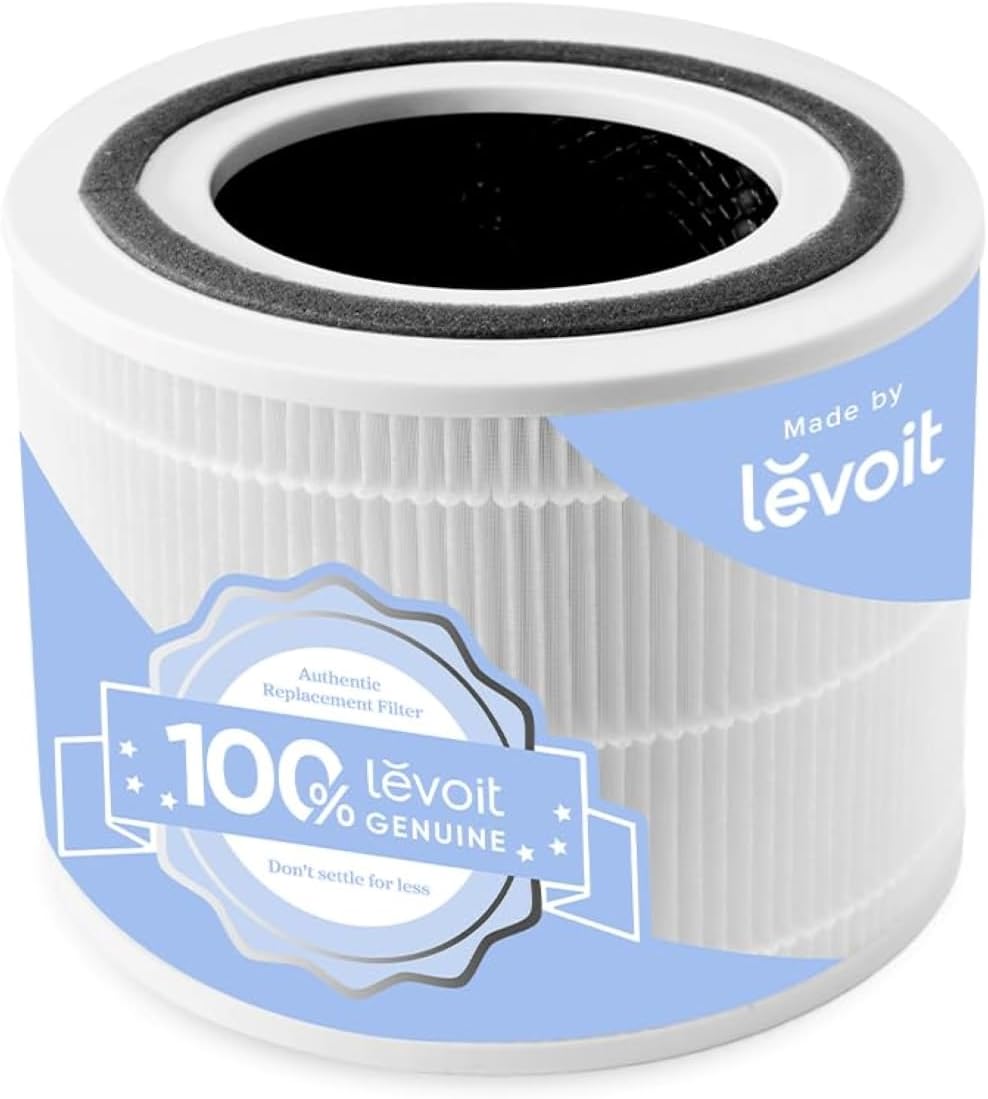
High-Efficiency Particulate Air (HEPA) filters are the gold standard for capturing airborne particles. A true HEPA filter can trap at least 99.97% of particles as small as 0.3 microns. For a ceramic studio, this is essential for removing silica dust and other microscopic debris that can harm your lungs.
Activated Carbon for VOCs and Odors
While HEPA filters excel at particles, activated carbon filters are your defense against gases, VOCs, and odors. These filters use a porous carbon material to adsorb chemical pollutants, effectively removing them from the air. Look for purifiers with a substantial amount of activated carbon for maximum effectiveness in a studio setting.
Coverage Area and Clean Air Delivery Rate (CADR)
The effectiveness of an air purifier is directly related to the size of your studio. Always check the manufacturer’s recommended room coverage and the Clean Air Delivery Rate (CADR) for smoke, dust, and pollen. A higher CADR means the purifier can clean the air in your space more quickly and efficiently. For a busy ceramic studio, consider a unit rated for a larger space than you actually have.
Noise Levels and Energy Efficiency
Ceramic studios can sometimes be noisy environments, but you don’t want your air purifier adding to the cacophony. Look for models with lower decibel ratings, especially if you spend extended periods working. Energy efficiency is also a consideration, as the unit will likely be running for many hours each day.
Durability and Maintenance
A ceramic studio can be a dusty and sometimes messy environment. Choose an air purifier that is built to last and easy to maintain. Consider the accessibility of filter replacements and the overall build quality of the unit.
Top Air Purifier Recommendations for Ceramic Studios
Based on the critical needs of a ceramic studio, here are some types of air purifiers and specific features that stand out. While I can’t give real-time product recommendations that change daily, I can guide you on what to look for.
Models with Advanced Filtration Systems
Look for air purifiers that boast a multi-stage filtration system, typically including a pre-filter, a true HEPA filter, and a substantial activated carbon filter. Some high-end models also incorporate UV-C light or ionization, though be mindful of ozone production with some of these technologies.
Industrial-Grade or Commercial Units
For larger studios or those with particularly high dust levels, consider industrial-grade or commercial air purifiers. These are designed for more demanding environments and often have higher CADR ratings and more robust construction. They can be a significant investment but offer superior air cleaning capabilities.
Smart Features for Convenience
Many modern air purifiers come with smart features like app control, air quality sensors, and automatic modes. These can be helpful for monitoring your studio’s air quality and adjusting settings without constant manual intervention.
How to Optimize Air Purifier Placement in Your Studio
Where you place your air purifier can significantly impact its effectiveness. The goal is to maximize airflow and ensure it can capture pollutants as they circulate. Proper placement is key to getting the most out of your investment in the best air purifier for ceramic studio environments.
Central Location for Maximum Circulation
Positioning your air purifier in a central location in your studio allows it to draw air from all directions and distribute cleaner air more evenly. Avoid placing it directly in a corner or too close to walls, as this can obstruct airflow.
Away from Direct Dust Sources (When Possible)
While it’s impossible to eliminate dust entirely, try to place the purifier away from immediate, heavy dust-generating activities if feasible. This gives the purifier a better chance to capture particles before they become overly concentrated in one area. However, prioritizing its central placement for overall circulation is usually more important.
Consider Ventilation and Airflow Patterns
Think about how air naturally moves in your studio. If you have specific areas where dust tends to settle or fumes are more concentrated, consider how the purifier’s placement might complement or counteract these patterns.
Maintaining Your Air Purifier for Peak Performance
Just like your pottery tools, your air purifier needs regular maintenance to function optimally. Neglecting filter changes or cleaning can reduce its effectiveness and even lead to secondary air quality issues. Consistent upkeep ensures you continue to benefit from the best air purifier for ceramic studio performance.
Regular Filter Checks and Replacements
This is the most critical maintenance task. HEPA and activated carbon filters have a finite lifespan and will eventually become saturated with pollutants. Follow the manufacturer’s recommendations for filter replacement frequency, which can vary based on usage and the level of pollutants in your studio.
Cleaning the Exterior and Interior
Dust can accumulate on the exterior of your air purifier, and the pre-filter often requires regular cleaning. Gently vacuum the exterior and wash or vacuum the pre-filter according to the manufacturer’s instructions. This prevents the unit from becoming a dust source itself.
Monitoring Air Quality Sensors
If your air purifier has air quality sensors, pay attention to their readings. These can provide valuable insights into your studio’s air quality and alert you if filter performance is declining or if pollutant levels are unusually high.
Comparing Air Purifier Technologies: What’s Best for Ceramics?
Different air purification technologies exist, and understanding their strengths and weaknesses is crucial for choosing the right unit for your ceramic studio. For pottery, a combination approach often yields the best results.
HEPA vs. Other Particulate Filters
While HEPA is the gold standard, other filters like electrostatic precipitators or ionizers exist. However, electrostatic precipitators can produce ozone, and ionizers can also release ozone, which is a lung irritant. For the best air purifier for ceramic studio use, a true HEPA filter is generally the safest and most effective choice for particulate matter.
The Role of Activated Carbon
As mentioned, activated carbon is indispensable for tackling VOCs, fumes, and odors common in ceramic studios. Look for purifiers with a substantial carbon filter, often measured in pounds rather than just a thin layer.
UV-C Light and Other Technologies
UV-C light can help kill bacteria and viruses, but its effectiveness against dust and VOCs is limited. Ozone-generating technologies should generally be avoided in occupied spaces due to potential health risks. Stick to proven HEPA and activated carbon filtration.
Setting Up Your Air Purifier: A Step-by-Step Guide
Getting your air purifier set up correctly ensures it starts working effectively from day one. This simple process will help you maximize its benefits in your studio.
1. Unpack and Inspect: Carefully remove the air purifier from its packaging. Check for any damage that may have occurred during shipping.
2. Remove Protective Packaging: Open the unit (usually via a back or side panel) and remove any plastic wrapping from the filters. This is a common oversight that prevents the purifier from working correctly.
3. Install Filters Correctly: Ensure all filters are seated properly according to the manufacturer’s instructions. Improperly installed filters will significantly reduce performance.
4. Choose Optimal Placement: Select a location in your studio as discussed previously – central, with good airflow, and away from obstructions.
5. Plug In and Power On: Connect the power cord and turn on the unit. Select your desired fan speed or mode.
6. Allow for Break-In: Some purifiers may have an initial break-in period. Allow the unit to run for a few hours to reach optimal performance.
Frequently Asked Questions About Air Purifiers for Ceramic Studios
Here are answers to some common questions beginners have about using air purifiers in their pottery spaces.
Can a regular air purifier handle ceramic dust?
Yes, a good quality air purifier with a true HEPA filter is designed to capture fine particles like ceramic dust. However, the volume of dust in a studio might necessitate a more powerful unit than one typically used for a bedroom.
How often should I change the filters?
Filter change frequency depends on the model, usage, and the air quality in your studio. Typically, HEPA filters last 6-12 months, and carbon filters may need replacement every 3-6 months. Always check the manufacturer’s recommendations.
Will an air purifier remove glaze fumes?
An air purifier with a substantial activated carbon filter is essential for removing VOCs and fumes from glazes. HEPA filters alone will not capture these gaseous pollutants.
Are ozone-generating air purifiers safe for studios?
Ozone is a lung irritant and should be avoided, especially in enclosed spaces where you spend significant time. Look for ozone-free technologies, primarily HEPA and activated carbon.
How large of an air purifier do I need?
Consider the square footage of your studio. It’s often best to choose a unit rated for a larger room than your actual space to ensure adequate air cleaning capacity. Check the CADR rating.
Can an air purifier eliminate all silica dust?
While a powerful air purifier with HEPA filtration can significantly reduce airborne silica dust, it cannot eliminate it entirely, especially during active dry sanding or grinding. Always combine air purification with good studio practices like wet sanding and ventilation.
Conclusion: Investing in Your Health and Creativity
Choosing the best air purifier for ceramic studio environments is a proactive step towards safeguarding your respiratory health and enhancing your creative sanctuary. By understanding the unique airborne challenges posed by pottery materials and processes, you can make an informed decision. Prioritize robust HEPA and activated carbon filtration, ensure adequate coverage for your space, and commit to regular maintenance. This investment not only protects your lungs from harmful silica dust and VOCs but also contributes to a more pleasant and sustainable studio experience, allowing your creativity to flourish in a cleaner, healthier atmosphere.