Air Purifier vs Furnace Filter: Essential Clean Air

Air purifier vs furnace filter: understand their distinct roles in achieving clean air. While furnace filters protect your HVAC system, air purifiers actively clean the air you breathe, tackling pollutants that filters miss. This guide clarifies their functions, helping you make informed decisions for healthier indoor air quality.
Breathing clean air indoors is crucial for our health and well-being, yet the terms “air purifier” and “furnace filter” often get confused. Many homeowners believe their furnace filter is doing all the work, but the reality is more nuanced. This article will demystify the differences between an air purifier and a furnace filter, explaining how each contributes to your home’s air quality and which one might be the essential addition for truly clean air.
What is a Furnace Filter and How Does It Work?
A furnace filter is designed to protect your HVAC system from dust and debris. It captures larger particles that could otherwise clog your furnace, air conditioner, or heat pump. This prevents damage and ensures your system runs efficiently.
Furnace filters are typically made of pleated paper or fiberglass and are installed directly into your HVAC unit. They are crucial for maintaining the longevity and performance of your heating and cooling equipment. Regular replacement is key to prevent system strain and maintain airflow.
The Primary Function of Furnace Filters
The main job of a furnace filter is to act as a barrier against airborne particles. It prevents dust, pet dander, and other debris from entering and accumulating in your furnace’s sensitive components. This protects the blower motor and heat exchanger from premature wear and tear.
By trapping these larger particles, furnace filters help maintain optimal airflow throughout your home. Restricted airflow can lead to your HVAC system working harder, consuming more energy, and potentially failing sooner. Consistent filter changes are essential for system health.
MERV Ratings: Understanding Furnace Filter Efficiency
MERV, or Minimum Efficiency Reporting Value, is a rating system for furnace filters. It ranges from 1 to 20, with higher numbers indicating better filtration of smaller particles. A higher MERV rating means the filter can capture more microscopic pollutants.
For most residential homes, a MERV rating between 8 and 13 is generally recommended. This range offers a good balance between effective particle capture and airflow. Going too high on the MERV rating can restrict airflow, potentially harming your HVAC system. You can learn more about MERV ratings from the Energy Star website.
Types of Furnace Filters
Furnace filters come in various types, each with different filtration capabilities and lifespans. The most common are disposable fiberglass filters, pleated media filters, and electrostatic filters. Understanding these differences can help you choose the best option for your system and needs.
Disposable Fiberglass Filters: These are the most basic and least expensive, typically with a low MERV rating (1-4). They capture large particles like lint and dust bunnies but offer minimal protection against finer pollutants. They need frequent replacement.
Pleated Media Filters: Made from pleated synthetic material, these filters offer a larger surface area for better particle capture and improved airflow. They usually have MERV ratings from 5 to 13 and last longer than fiberglass filters.
Electrostatic Filters: These filters use static electricity to attract and trap particles. They are washable and reusable, offering a cost-effective long-term solution. Their MERV ratings can vary, but they are generally effective at capturing finer particles.
What is an Air Purifier and How Does It Work?
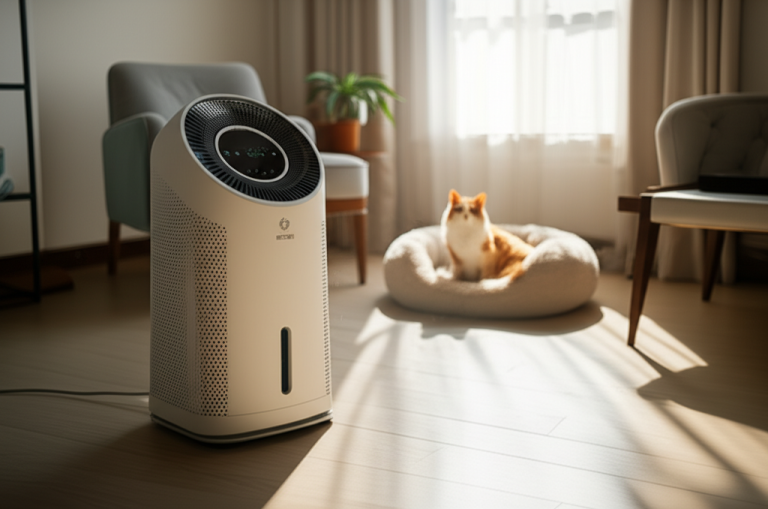
An air purifier is a standalone appliance specifically designed to clean the air you breathe in a room. It actively draws in air, passes it through a series of filters, and releases cleaner air back into the environment. Its primary goal is to remove microscopic pollutants that furnace filters cannot capture.
Air purifiers use various filtration technologies, such as HEPA filters, activated carbon, and UV-C light, to target a wide range of contaminants. These include allergens, smoke, VOCs (volatile organic compounds), and odors. They work independently of your HVAC system.
The Primary Function of Air Purifiers
The core purpose of an air purifier is to improve indoor air quality by removing airborne pollutants that impact health. It targets particles that can cause allergies, asthma, and other respiratory issues. This creates a healthier living environment for everyone in the room.
Air purifiers are particularly effective against allergens like pollen, pet dander, and dust mites, as well as microscopic particles from smoke, cooking, and outdoor pollution. They also tackle odors and harmful gases, making your home feel fresher and safer.
Key Filtration Technologies in Air Purifiers
Air purifiers employ diverse technologies to achieve superior air purification. The most common and effective include High-Efficiency Particulate Air (HEPA) filters, activated carbon filters, and sometimes UV-C light or ionizers. Each plays a vital role in removing different types of contaminants.
HEPA Filters: These are the gold standard for particulate removal. True HEPA filters are certified to capture at least 99.97% of airborne particles 0.3 microns in size. This includes allergens, mold spores, bacteria, and fine dust.
Activated Carbon Filters: These filters are excellent at adsorbing gases, odors, and VOCs. The porous structure of activated carbon traps chemical pollutants, smoke smells, and cooking odors effectively.
UV-C Light: Some purifiers use ultraviolet germicidal irradiation (UV-C) light to kill airborne bacteria, viruses, and mold spores as they pass through the unit. This technology is often used in conjunction with other filters.
Ionizers: These devices release negative ions into the air, which attach to airborne particles, causing them to clump together and fall out of the air or stick to surfaces. While effective, some ionizers can produce ozone, which can be a lung irritant.
Types of Air Purifiers
Air purifiers come in various forms, designed for different room sizes and specific air quality concerns. Understanding these types helps you select the best appliance for your home. Common types include portable room air purifiers, whole-house air purifiers, and specialized units.
Portable Room Air Purifiers: These are compact, standalone units ideal for single rooms like bedrooms, living rooms, or offices. They are easy to move and operate, providing targeted air cleaning where it’s needed most.
Whole-House Air Purifiers: These systems are integrated into your home’s HVAC ductwork, purifying the air as it circulates throughout the entire house. They offer comprehensive air quality control but require professional installation.
Specialized Air Purifiers: Some purifiers are designed for specific issues, such as those targeting pet dander, smoke, or allergens. They often feature enhanced filters or technologies to address particular pollutants.
Air Purifier vs Furnace Filter: The Core Differences
The fundamental difference between an air purifier and a furnace filter lies in their purpose and where they operate. A furnace filter protects your HVAC system, while an air purifier actively cleans the air you breathe for health benefits. They are not interchangeable, and each serves a distinct, vital role.
A furnace filter’s primary job is to prevent debris from damaging your heating and cooling equipment. An air purifier, on the other hand, focuses on removing microscopic pollutants from the air within your living spaces, directly impacting respiratory health. Think of it as one protecting the machine and the other protecting you.
Target Pollutants: What Each Removes
Furnace filters are designed to catch larger particles like lint, dust, and hair, which can clog your HVAC system. Air purifiers, especially those with HEPA filters, target much smaller particles such as allergens, mold spores, bacteria, viruses, smoke, and VOCs. They address the finer contaminants that affect air quality and health.
The MERV rating of a furnace filter indicates its effectiveness against larger particles. The HEPA certification of an air purifier signifies its ability to capture a much higher percentage of microscopic airborne threats. This distinction is crucial for understanding their respective benefits.
Location and Operation
A furnace filter is installed within your HVAC system, typically in the return air duct or directly in the furnace/air handler. It operates whenever your heating or cooling system is running, filtering the air that passes through it. Its operation is tied directly to your HVAC cycles.
An air purifier is a standalone appliance placed in a room. It operates independently of your HVAC system and can be turned on or off as needed, regardless of whether your heating or cooling is active. This allows for continuous air cleaning in specific areas.
Impact on Indoor Air Quality (IAQ)
Furnace filters contribute indirectly to IAQ by preventing dust buildup within the HVAC system, which can then be recirculated. However, their ability to remove the fine particles that cause allergies and respiratory issues is limited. They are not designed for direct air purification for health.
Air purifiers directly impact IAQ by actively removing a wide spectrum of airborne pollutants from the living space. They are specifically engineered to capture allergens, pathogens, and chemical contaminants, leading to a noticeable improvement in air freshness and health. This makes them essential for allergy and asthma sufferers.
Air Purifier vs Furnace Filter: Which Do You Need?
Deciding whether you need an air purifier in addition to your furnace filter depends on your specific air quality concerns and health needs. If your primary goal is protecting your HVAC system, a good furnace filter is sufficient. However, if you want to actively improve the air you breathe, an air purifier is a valuable addition.
Many households can benefit from both. A well-chosen furnace filter keeps your HVAC running smoothly, while an air purifier tackles the invisible threats that furnace filters can’t catch, ensuring a healthier home environment. It’s about layering your air purification strategy.
When a Furnace Filter is Enough
If your home has minimal air quality issues, no pets, no smokers, and no occupants with allergies or respiratory conditions, a quality furnace filter might suffice. Ensuring you use a filter with an appropriate MERV rating (e.g., MERV 8-13) and changing it regularly (every 1-3 months) will protect your HVAC system and offer some basic air cleaning.
Regular maintenance of your HVAC system, including consistent furnace filter replacement, is key to its longevity and basic air quality management. This foundational step is essential for any homeowner.
When an Air Purifier is Essential
An air purifier becomes essential if you or family members suffer from allergies, asthma, or other respiratory sensitivities. It’s also highly recommended for homes with pets, smokers, or those located in areas with high outdoor pollution. It provides a targeted solution for specific health concerns.
Air purifiers can significantly reduce the concentration of allergens, irritants, and pathogens in the air, leading to fewer symptoms and a more comfortable living space. They offer a proactive approach to managing indoor air quality for better health.
The Case for Using Both
Using both an air purifier and a furnace filter offers the most comprehensive approach to clean air. The furnace filter protects your HVAC system from larger debris, ensuring efficient operation and preventing internal dust buildup. Meanwhile, the air purifier targets the microscopic pollutants that impact your health directly.
This dual-pronged strategy creates a layered defense against a wider range of airborne contaminants. It ensures both your home’s infrastructure and your family’s health are well-protected. Consider it an investment in both your home and your well-being.
Pros and Cons: Air Purifier vs Furnace Filter
Understanding the advantages and disadvantages of each system can help you make an informed choice. Furnace filters are cost-effective for HVAC protection, but limited in air purification. Air purifiers offer superior air cleaning but are an additional appliance with ongoing costs.
Here’s a breakdown to help you weigh the options:
Furnace Filter: Pros and Cons
Pros:
Protects HVAC system from damage and extends its lifespan.
Relatively inexpensive to purchase.
Improves HVAC efficiency by maintaining airflow.
Required for basic operation of most HVAC systems.
Cons:
Limited filtration of microscopic particles (allergens, viruses).
Does not remove odors or VOCs effectively.
Needs frequent replacement (typically 1-3 months).
Filtration effectiveness varies greatly by MERV rating.
Air Purifier: Pros and Cons
Pros:
Actively removes a wide range of airborne pollutants, including allergens, smoke, and VOCs.
Provides significant health benefits for allergy and asthma sufferers.
Can remove odors and improve overall air freshness.
Targeted cleaning for specific rooms or areas.
Cons:
Additional upfront cost for the appliance.
Requires ongoing costs for replacement filters or maintenance.
Effectiveness is limited to the room it’s placed in (unless whole-house).
Some models can be noisy or consume noticeable electricity.
Choosing the Right Furnace Filter
Selecting the right furnace filter involves considering your HVAC system’s requirements and your air quality goals. The most critical factor is the MERV rating, which should be compatible with your system. Always check your HVAC manual or consult a professional if unsure.
Using a filter with too high a MERV rating can strain your system, while one that’s too low won’t offer adequate protection. Balancing these factors is key to optimal performance and protection.
Factors to Consider When Buying a Furnace Filter
When purchasing a furnace filter, several factors come into play beyond just the MERV rating. Size is paramount; ensure it matches your HVAC unit’s slot precisely. The thickness of the filter also matters, as thicker filters generally offer better filtration and last longer.
Consider the filter material and construction, looking for robust designs that prevent air bypass. Finally, think about the filter’s lifespan and replacement frequency, which impacts both cost and convenience.
Understanding Filter Size and Thickness
The size of your furnace filter is critical; it must fit snugly into its designated slot in your HVAC system. Common sizes include 1x20x1, 2x20x1, and 4x20x1 inches, but always measure your existing filter or consult your HVAC manual. A poor fit allows unfiltered air to bypass the filter, rendering it ineffective.
Filter thickness also plays a role. Thicker filters (e.g., 4-inch filters) have more surface area, allowing for better filtration and longer service life compared to thinner 1-inch filters. They can capture more particles before becoming clogged, often requiring replacement only once or twice a year.
When to Replace Your Furnace Filter
Regular replacement of your furnace filter is non-negotiable for maintaining both your HVAC system’s health and basic indoor air quality. The frequency depends on the type of filter, your home environment, and how often your HVAC system runs. As a general rule, check it monthly.
Most standard 1-inch pleated filters should be replaced every 1 to 3 months. Thicker media filters (4-5 inches) can often last 6 to 12 months. If you have pets or live in a dusty area, you’ll need to replace them more frequently.
Choosing the Right Air Purifier
Selecting the best air purifier involves assessing your specific needs, the size of the room, and the types of pollutants you want to target. A true HEPA filter is usually a must for effective allergen and particle removal. Consider additional features like activated carbon for odors and noise levels.
Think about your budget, both for the initial purchase and ongoing filter replacements. A good air purifier is an investment in your health and comfort.
Assessing Your Air Quality Needs
Before buying an air purifier, identify your primary concerns. Are you battling seasonal allergies, dealing with pet dander, or concerned about smoke and VOCs from cooking or household products? Knowing your main pollutants will guide your choice of filtration technology.
For example, if allergies are the main issue, prioritize models with high-quality HEPA filters. If odors are a problem, ensure the unit has a substantial activated carbon filter. For a combination of issues, look for multi-stage filtration systems.
Room Size and CADR Ratings
The size of the room where you’ll use the air purifier is a critical factor. Air purifiers are rated for the square footage they can effectively cover. Look for the Clean Air Delivery Rate (CADR) for different pollutants (smoke, dust, pollen), which indicates how quickly the unit can clean the air.
A higher CADR means faster and more effective air cleaning for a given room size. It’s often recommended to choose a unit rated for a slightly larger room than you have to ensure optimal performance, especially if the unit will run on lower, quieter settings. You can find CADR ratings from independent testing organizations and on product packaging.
Understanding Air Purifier Maintenance
Air purifiers require ongoing maintenance, primarily filter replacement, to remain effective. Pre-filters can often be cleaned or vacuumed, extending the life of the main filters. Always follow the manufacturer’s recommendations for cleaning and replacement schedules.
Ignoring maintenance can lead to reduced performance and even decreased air quality if filters become overloaded with pollutants. Regular upkeep ensures your air purifier continues to provide clean, healthy air.
Air Purifier vs Furnace Filter: A Comparative Table
To further clarify the distinctions, here’s a table summarizing the key differences between air purifiers and furnace filters. This comparison highlights their unique roles in maintaining your home’s air quality.
| Feature | Furnace Filter | Air Purifier |
| :—————- | :———————————————- | :————————————————- |
| Primary Purpose | Protects HVAC system from dust and debris. | Cleans air in a room for health and comfort. |
| Location | Inside HVAC unit or return air duct. | Standalone appliance in a room. |
| Operation | Operates when HVAC system is running. | Operates independently, can be turned on/off. |
| Target Particles| Larger particles (lint, dust, hair). | Microscopic particles (allergens, viruses, bacteria, smoke, VOCs). |
| Key Technology| Pleated media, fiberglass, electrostatic. | HEPA, Activated Carbon, UV-C, Ionizers. |
| Impact on IAQ | Indirect; prevents dust buildup in HVAC. | Direct; actively removes pollutants from breathing air. |
| Maintenance | Regular replacement (1-3 months for standard). | Filter replacement, pre-filter cleaning. |
| Cost | Low upfront, recurring replacement cost. | Higher upfront, recurring filter replacement cost. |
This table illustrates that while both contribute to air quality, their functions are fundamentally different and complementary.
Frequently Asked Questions (FAQ)
Can I use an air purifier filter as a furnace filter?
No, you should never use an air purifier filter as a furnace filter. Air purifier filters are not designed to handle the airflow and pressure of an HVAC system, and they won’t effectively protect your furnace. Conversely, furnace filters lack the fine filtration needed to remove microscopic pollutants that air purifiers target.
Does a furnace filter clean the air I breathe?
A furnace filter cleans the air that circulates through your HVAC system, primarily by capturing larger particles like dust and lint. While this helps prevent your system from getting dirty, it’s not designed to remove the fine allergens, viruses, or VOCs that significantly impact the air quality you breathe. An air purifier is needed for that.
How often should I replace my air purifier filter?
The replacement frequency for air purifier filters varies by model and usage. Typically, HEPA filters need replacement every 6 to 12 months, while activated carbon filters might need changing every 3 to 6 months, as they become saturated with odors and gases. Always check your air purifier’s manual for specific recommendations.
Can an air purifier replace my furnace filter?
No, an air purifier cannot replace your furnace filter. An air purifier is a standalone appliance that cleans the air within a room. A furnace filter is integral to your HVAC system’s operation, protecting its components from dust and debris. They serve entirely different purposes.
What is better for allergies: an air purifier or a furnace filter?
For allergies, an air purifier is significantly better. While a good furnace filter can trap some larger allergens like pet hair, air purifiers with HEPA filters are designed to capture the microscopic allergens (pollen, dust mites, mold spores) that trigger allergic reactions. They actively reduce these triggers in your breathing space.
Do air purifiers use a lot of electricity?
Modern air purifiers are generally energy-efficient. Their electricity consumption depends on their size, features, and the fan speed setting. Many units are designed to be left running continuously on lower settings, using roughly the same amount of electricity as a standard light bulb. Always check the wattage specifications.
Conclusion
In the ongoing quest for healthier indoor air, understanding the distinct roles of an air purifier vs furnace filter is paramount. Your furnace filter is essential for protecting your HVAC system’s integrity and efficiency by capturing larger debris. However, it falls short when it comes to removing the microscopic particles, allergens, viruses, and odors that directly impact your respiratory health and overall well-being.
An air purifier, on the other hand, is specifically engineered to tackle these finer contaminants, actively cleaning the air you breathe in your living spaces. For truly comprehensive clean air, especially if you have allergies, asthma, pets, or live in a polluted area, investing in a quality air purifier alongside maintaining a good furnace filter is the most effective strategy. This dual approach ensures both your home’s systems are protected and your family enjoys the cleanest, healthiest air possible.