
Best Air Purifier for Asthma and Pets: Essential Guide

Struggling with asthma triggers and pet dander? Discover the best air purifier for asthma and pets to create a healthier home. This guide simplifies your choice, focusing on features vital for allergy sufferers and pet owners, ensuring you breathe easier and enjoy your furry friends without compromise.
Managing a home with both asthma and pets presents a unique challenge. Pet dander, combined with allergens and irritants, can significantly worsen asthma symptoms, making the air quality a constant concern. Fortunately, the right air purifier can make a world of difference, creating a sanctuary of cleaner, fresher air. This guide will walk you through everything you need to know to select the best air purifier for asthma and pets, ensuring a more comfortable and healthier living environment for everyone.
Why You Need the Best Air Purifier for Asthma and Pets
The best air purifier for asthma and pets is crucial for filtering out common triggers like dander, dust, and pollen, which can exacerbate respiratory conditions and create a healthier living space. It’s a proactive step towards managing allergies and ensuring a comfortable environment for both humans and their beloved animals. Ignoring air quality can lead to persistent symptoms, discomfort, and a reduced quality of life for those with asthma and pet sensitivities.
The air in our homes can be surprisingly polluted, often more so than outdoor air. For individuals with asthma, common household airborne particles like pet dander, dust mites, mold spores, and pollen can act as potent triggers. These microscopic irritants can inflame airways, leading to coughing, wheezing, shortness of breath, and more severe asthma attacks. When combined with the presence of pets, the concentration of dander and fur in the air increases significantly, amplifying these risks. An effective air purifier acts as a vital defense mechanism, capturing these allergens before they can affect your respiratory health.
Understanding Key Air Purifier Technologies for Asthma and Pets
HEPA filtration is paramount, trapping 99.97% of particles down to 0.3 microns, including pet dander and fine dust, while activated carbon tackles odors and VOCs. Understanding these core technologies ensures you invest in a unit capable of addressing both allergen and odor concerns effectively. Other features like pre-filters and UV-C light can offer additional benefits for specific needs.
High-Efficiency Particulate Air (HEPA) Filters
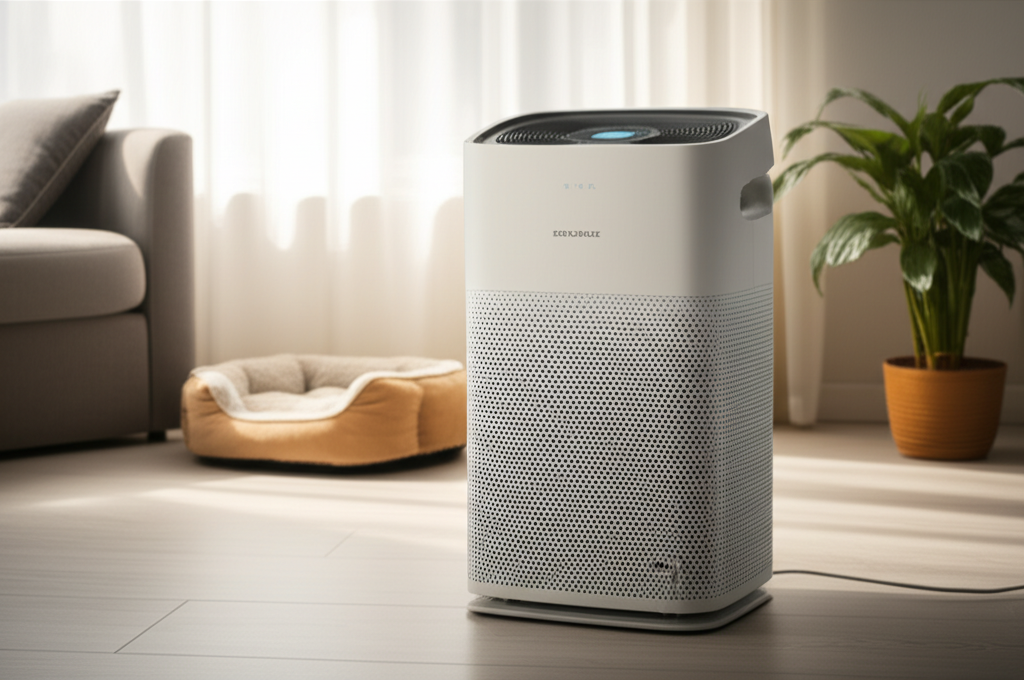
HEPA filters are the gold standard for capturing airborne allergens. A true HEPA filter is certified to trap at least 99.97% of particles that are 0.3 microns in size. This includes microscopic dander shed by cats and dogs, dust mites, pollen, mold spores, and even some bacteria and viruses. For asthma sufferers, a HEPA filter is non-negotiable, as it directly addresses the most common triggers for respiratory distress. Look for filters labeled “True HEPA” to ensure you’re getting the highest level of filtration.
Activated Carbon Filters
While HEPA filters excel at capturing solid particles, activated carbon filters are designed to tackle gases, odors, and volatile organic compounds (VOCs). Pet owners often deal with unpleasant odors from litter boxes, pet bedding, or general pet smells. Activated carbon, with its porous structure, effectively adsorbs these odor molecules and harmful chemicals emitted from cleaning products, air fresheners, and furniture. A combination of HEPA and activated carbon filtration provides comprehensive air purification for homes with pets and asthma.
Pre-Filters
Many air purifiers include a pre-filter, which is typically a washable mesh layer placed at the front of the unit. Its primary role is to capture larger particles like pet hair, lint, and large dust bunnies. This not only improves the overall air quality but also extends the lifespan of the more expensive HEPA and activated carbon filters by preventing them from becoming clogged too quickly. Regular cleaning of the pre-filter is essential for maintaining the purifier’s efficiency.
Ionizers and UV-C Light
Some air purifiers incorporate ionizers or UV-C light technology. Ionizers release negative ions into the air, which can cause airborne particles to clump together and fall to surfaces, making them easier to capture. However, some ionizers can produce ozone, a lung irritant that can worsen asthma symptoms. It’s crucial to choose an ozone-free ionizer or one with very low ozone emissions. UV-C light can kill airborne bacteria and viruses, offering an additional layer of sanitization. However, its effectiveness against allergens is debated, and it’s generally considered a supplementary feature rather than a primary one for asthma and pet needs.
Crucial Features to Look for in an Air Purifier for Asthma and Pets
When choosing an air purifier, prioritize True HEPA filtration, sufficient CADR for your room size, and a robust activated carbon filter for odors. Consider noise levels, filter replacement costs, and energy efficiency to ensure long-term satisfaction and cost-effectiveness for your specific home environment.
Clean Air Delivery Rate (CADR)
The Clean Air Delivery Rate (CADR) is a standardized measure of how quickly an air purifier can clean the air in a room. It’s measured for three common pollutants: dust, pollen, and smoke. A higher CADR indicates a more powerful and efficient unit. For homes with asthma and pets, you’ll want a purifier with a high CADR for dust and smoke, as these are closely related to dander and other common irritants. It’s essential to match the CADR to the size of the room you intend to use the purifier in. Manufacturers often provide recommendations for room size based on CADR.
Room Size and Placement
Selecting an air purifier appropriate for the room size is critical for its effectiveness. A unit that is too small will struggle to adequately clean the air, while an oversized unit might be unnecessarily noisy or expensive to run. Consider where you will place the air purifier. For bedrooms, a quieter model is often preferred. In living areas where pets spend a lot of time, a more powerful unit might be beneficial. Ensure there is adequate space around the air purifier for unobstructed airflow, typically at least a foot or two from walls and furniture.
Noise Levels
Air purifiers operate with fans, and the noise level can be a significant factor, especially if you plan to use the unit in a bedroom or a quiet living space. Look for models that specify their decibel (dB) levels at different fan speeds. Many purifiers offer a “sleep mode” or low setting that operates very quietly, often around 20-30 dB, which is comparable to a soft whisper. This allows you to benefit from clean air overnight without disturbing your sleep.
Filter Replacement Costs and Frequency
The ongoing cost of filter replacements is an important consideration. HEPA filters typically need to be replaced every 6-12 months, depending on usage and air quality, while activated carbon filters may need replacement more frequently. Check the manufacturer’s recommendations and the cost of replacement filters before making a purchase. Some purifiers have indicators that alert you when it’s time to change the filters, simplifying maintenance. Factor these recurring costs into your budget.
Energy Efficiency
Air purifiers are designed to run for extended periods, so energy efficiency can impact your electricity bills. Look for models that are Energy Star certified, which indicates they meet strict energy efficiency guidelines set by the U.S. Environmental Protection Agency. While energy-efficient models might have a slightly higher upfront cost, they can save you money in the long run.
Top Air Purifier Models for Asthma and Pets in [Current Year]
Choosing the right model can be overwhelming, so here are some highly-rated air purifiers that excel in handling pet dander and asthma triggers, offering a balance of performance, features, and value. These selections are based on comprehensive reviews and user feedback, focusing on True HEPA filtration and effective odor control.
Here’s a look at some of the best air purifiers that consistently receive high marks for tackling asthma and pet-related air quality issues:
| Air Purifier Model | Key Features | Best For | Considerations |
| :———————— | :————————————————– | :————————————————————————– | :—————————————————————————– |
| Coway Airmega 200M | True HEPA, Activated Carbon, Smart Sensor, Auto Mode | Medium to large rooms, consistent air quality monitoring, pet odors | Filter replacement cost can be moderate. |
| Levoit Core 300S | True HEPA, Activated Carbon, Smart Control, Quiet Operation | Small to medium rooms, budget-conscious buyers, bedrooms, pet owners | Best for smaller spaces; may need multiple units for larger homes. |
| Blueair Blue Pure 211+ | HEPASilent Technology, Large Particle Filter, High CADR | Large open spaces, high allergen environments, quick room turnover | HEPASilent is not True HEPA but is highly effective; filter cost is higher. |
| Winix 5500-2 | True HEPA, Activated Carbon, PlasmaWave Technology, Auto Mode | Versatile performance, moderate to large rooms, pet owners, odor control | PlasmaWave can be turned off if ozone concerns exist. |
| Honeywell HPA300 | True HEPA, Activated Carbon, High CADR, Multiple Fan Speeds | Large rooms, high allergen and odor situations, quick purification | Can be a bit louder on higher settings. |
Note: Availability and specific features may vary by region and model updates.
Coway Airmega 200M
The Coway Airmega 200M is a popular choice for its robust performance and intelligent features. It boasts a multi-stage filtration system including a washable pre-filter, an activated carbon filter, and a True HEPA filter. Its smart sensor monitors air quality in real-time and automatically adjusts the fan speed to maintain optimal conditions. This makes it an excellent option for busy households with pets and asthma sufferers who need consistent clean air without manual intervention.
Levoit Core 300S
For those on a tighter budget or with smaller spaces, the Levoit Core 300S is a standout performer. It features a 3-stage filtration system with a fine preliminary filter, a True HEPA filter, and an activated carbon filter, effectively capturing pet dander, dust, and odors. The Core 300S is remarkably quiet, making it ideal for bedrooms, and its compact design allows for easy placement. Smart features like app control and voice commands add to its convenience.
Blueair Blue Pure 211+
Blueair’s HEPASilent technology is a unique approach that combines electrostatic charging and mechanical filtration to achieve high purification rates with low energy consumption and quiet operation. The Blue Pure 211+ is designed for larger rooms and features a large particle filter that captures hair and dust, along with a carbon filter for odors. While not a “True HEPA” filter by the strictest definition, its performance in real-world conditions is exceptional for allergy and pet owners.
Winix 5500-2
The Winix 5500-2 is a versatile and highly effective air purifier that consistently ranks among the best for pet owners and allergy sufferers. It includes a True HEPA filter, an activated carbon filter, and the company’s PlasmaWave technology, which can be turned on or off. Its auto mode, driven by an air quality sensor, ensures the unit efficiently cleans the air without constant manual adjustments. This model offers a great balance of performance, features, and affordability.
Honeywell HPA300
The Honeywell HPA300 is a powerful air purifier designed for larger rooms, capable of circulating and filtering air multiple times an hour. It features a True HEPA filter that captures 99.97% of airborne allergens and a carbon pre-filter to reduce odors. With its high CADR and multiple fan speeds, it’s adept at quickly clearing the air of pet dander, dust, and other irritants, making it a solid choice for demanding environments.
How to Choose the Best Air Purifier for Asthma and Pets: A Step-by-Step Guide
Follow these steps to confidently select the best air purifier for your asthma and pets, ensuring it meets your specific needs and creates a healthier home environment. Consider room size, filtration type, noise, and ongoing costs for an informed decision.
1. Assess Your Needs:
Identify Allergens: Are you primarily concerned about pet dander, dust mites, pollen, or a combination? This will guide your focus on specific filter types and CADR ratings.
Room Size: Measure the square footage of the room where the air purifier will be used most. This is crucial for selecting a unit with adequate CADR.
Pet Type and Number: More pets generally mean more dander and potential odors, requiring a more robust filtration system.
Asthma Severity: For severe asthma, prioritize True HEPA filtration and consider units with advanced features.
2. Prioritize Filtration Technology:
Must-Have: True HEPA filter for capturing fine particles like dander.
Highly Recommended: Activated carbon filter for absorbing pet odors and VOCs.
Beneficial: Washable pre-filter for capturing larger pet hair and extending the life of the main filters.
3. Check the CADR Rating:
Ensure the CADR for dust and smoke is high enough for your room size. A good rule of thumb is to look for a CADR that is at least two-thirds of the room’s square footage (e.g., for a 150 sq ft room, aim for a CADR of at least 100).
Consider units with higher CADR for faster air cleaning or larger spaces.
4. Evaluate Additional Features:
Noise Level: Check the decibel (dB) rating, especially for bedrooms or quiet areas. Look for sleep modes.
Smart Features: App control, air quality sensors, and auto modes can enhance convenience.
Ozone Production: If considering ionizers, ensure they are certified ozone-free or have very low emissions.
5. Consider Ongoing Costs:
Filter Replacement: Research the cost and frequency of replacing HEPA and carbon filters.
Energy Consumption: Look for Energy Star certification to save on electricity bills.
6. Read Reviews and Expert Opinions:
Consult reputable review sites and consumer reports for unbiased comparisons and user experiences.
Pay attention to reviews from other pet owners and individuals with asthma.
By systematically evaluating these factors, you can confidently narrow down your options and find the best air purifier for your specific needs, ensuring a healthier and more comfortable home for you and your furry companions.
Maintaining Your Air Purifier for Optimal Performance
Regular maintenance, including cleaning pre-filters and replacing HEPA/carbon filters on schedule, is vital for ensuring your air purifier effectively removes allergens and odors. Neglecting maintenance significantly reduces performance and can even lead to the purifier becoming a source of pollutants itself.
Cleaning the Pre-Filter
The pre-filter is the first line of defense against larger particles like pet hair and lint. Most pre-filters are washable. It’s recommended to clean them every 2-4 weeks, depending on the level of pet activity in your home. Simply remove the pre-filter, rinse it under running water, and let it dry completely before reinserting it. This simple step prevents larger debris from reaching the HEPA filter, extending its lifespan and maintaining optimal airflow.
Replacing HEPA and Activated Carbon Filters
HEPA filters and activated carbon filters are typically not washable and need to be replaced periodically. The manufacturer’s recommended replacement schedule, usually every 6-12 months for HEPA filters and 3-6 months for carbon filters, should be followed. Some air purifiers have filter replacement indicators to remind you. Using a clogged or expired filter will severely diminish the purifier’s ability to clean the air and can lead to increased noise and reduced efficiency.
General Cleaning and Inspection
Beyond filter maintenance, it’s good practice to periodically wipe down the exterior of your air purifier with a damp cloth to remove dust. Also, check the air intake and outlet vents to ensure they are free from obstructions. A thorough inspection during filter changes can help you identify any potential issues early on. Keeping your air purifier clean ensures it operates efficiently and safely.
Frequently Asked Questions (FAQ)
What is the most important feature in an air purifier for asthma and pets?
The most crucial feature is a True HEPA filter, which captures 99.97% of airborne particles as small as 0.3 microns, including pet dander, dust, pollen, and mold spores.
How often should I run my air purifier?
For maximum benefit, especially with asthma and pets, it’s recommended to run your air purifier 24/7 on an auto or low setting. This ensures continuous removal of allergens and odors.
Can air purifiers help with pet odors?
Yes, air purifiers with a substantial activated carbon filter are very effective at adsorbing and neutralizing pet odors, rather than just masking them.
Do I need a separate air purifier for each room?
It’s most effective to have an air purifier in the room where you spend the most time, especially bedrooms and living areas. For larger homes or severe allergies, multiple units or one high-capacity unit for a central area might be necessary.
Are ozone-producing air purifiers safe for asthmatics?
No, ozone is a lung irritant and can worsen asthma symptoms. It’s best to choose air purifiers that are certified ozone-free or use technologies that do not produce ozone.
How do I know if my air purifier is working effectively?
You’ll notice a reduction in allergens, less pet dander on surfaces, fewer odors, and potentially improved asthma symptoms. Regularly check filter indicator lights and the condition of the filters.
Conclusion: Breathe Easier with the Right Air Purifier
Investing in the best air purifier for asthma and pets is a significant step towards creating a healthier and more comfortable home environment. By prioritizing True HEPA filtration, adequate CADR, and effective odor control, you can effectively combat allergens and irritants, providing much-needed relief for asthma sufferers and pet owners alike. Make an informed choice based on your specific needs, and enjoy the benefits of cleaner, fresher air.


