
Air Purifier Whole House: Essential Guide

Air Purifier Whole House: Your Essential Guide for Fresher Air Everywhere
Breathe easier throughout your entire home with a whole-house air purifier. This guide covers everything from understanding the technology to choosing the best system for your needs, ensuring clean, healthy air in every room.
Welcome! Are you tired of lingering odors, allergens, or stuffiness that seem to follow you from room to room? Many homes struggle with inconsistent air quality, leaving some areas feeling fresh while others feel stale. It’s a common frustration, but the good news is there’s a powerful solution: an air purifier whole house system. I’m here to walk you through exactly what you need to know to achieve consistently clean air, from your basement to your attic. Get ready to discover how a whole-home approach can transform your living environment.
What is a Whole House Air Purifier?
A whole-house air purifier is an integrated system designed to clean the air circulating throughout your entire home. Unlike portable units that target a single room, these systems connect directly to your HVAC (Heating, Ventilation, and Air Conditioning) unit. As your furnace or air conditioner runs, the air passes through the purifier, removing pollutants before being distributed to every room. This ensures consistent air quality everywhere, tackling issues like dust, pollen, pet dander, mold spores, and even VOCs (Volatile Organic Compounds).
Why Consider an Air Purifier Whole House System?
If you’re experiencing widespread air quality issues, a whole-house system offers superior benefits. Portable purifiers are effective for localized problems, but they can’t address the air in every corner of your home simultaneously. An air purifier whole house solution provides a comprehensive approach, ensuring that all the air you breathe is filtered. This is especially crucial for individuals with allergies, asthma, or other respiratory sensitivities who can benefit greatly from a consistently clean environment.
Understanding the Benefits of Whole House Air Purification
Investing in a whole-house air purifier brings a multitude of health and comfort benefits. You’ll notice a significant reduction in airborne allergens, which can alleviate symptoms like sneezing, itchy eyes, and congestion. Odors from cooking, pets, or smoke are effectively neutralized, leaving your home smelling fresh. Furthermore, these systems can help reduce the spread of airborne viruses and bacteria, contributing to a healthier living space for everyone.
Types of Whole House Air Purifiers
There are several types of whole-house air purification technologies, each with its own strengths. Understanding these options will help you choose the best fit for your home’s needs and your budget. The most common types include electronic air cleaners, HEPA filters, UV germicidal lights, and activated carbon filters. Some systems combine these technologies for enhanced purification.
Electronic Air Cleaners (EACs)
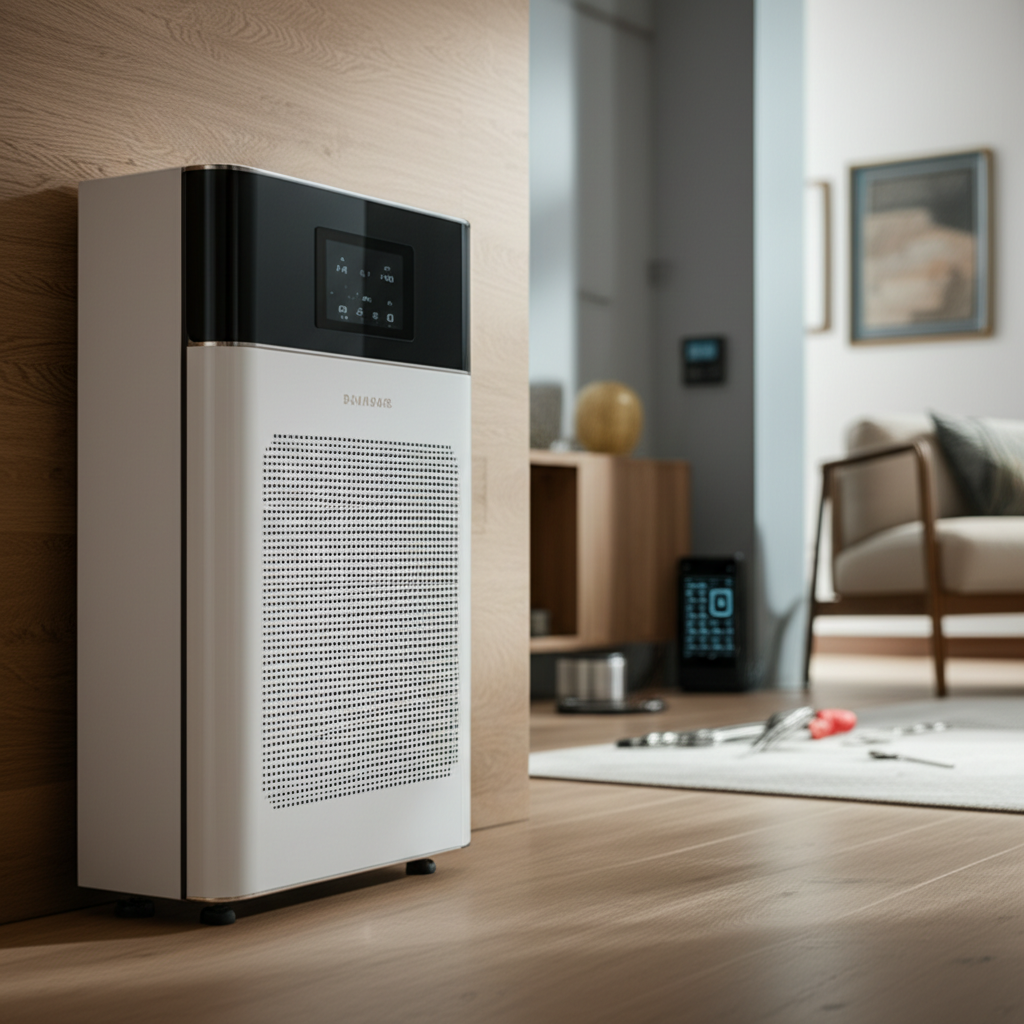
Electronic air cleaners use electrostatic charges to attract and trap airborne particles. They work by ionizing particles as they pass through the unit, then collecting them on oppositely charged plates. These are highly effective at capturing very small particles like smoke and dust.
Pros: Reusable and washable collection plates, highly effective at capturing small particles.
Cons: Can produce ozone, requires regular cleaning of plates, initial cost can be higher.
HEPA Filtration Systems
HEPA (High-Efficiency Particulate Air) filters are renowned for their ability to capture at least 99.97% of airborne particles 0.3 microns in size. When integrated into an HVAC system, a whole-house HEPA filter can significantly improve indoor air quality by removing dust, pollen, pet dander, mold spores, and bacteria. These filters are often a top choice for allergy and asthma sufferers.
Pros: Extremely effective at removing a wide range of particles, no ozone production.
Cons: Requires periodic replacement of filters (can be costly), may slightly restrict airflow depending on the MERV rating.
UV Germicidal Lights
UV-C light technology uses ultraviolet radiation to kill or inactivate airborne microorganisms like bacteria, viruses, and mold spores. These are typically installed within the ductwork or near the HVAC coil to purify the air as it circulates. UV lights are often used in conjunction with other filtration methods for a more comprehensive approach.
Pros: Kills microorganisms, helps prevent mold growth in ductwork.
Cons: Does not remove particulate matter, requires bulb replacement, effectiveness depends on exposure time.
Activated Carbon Filters
Activated carbon filters are excellent at adsorbing gases, odors, and volatile organic compounds (VOCs). They work by trapping odor molecules and chemical pollutants within the porous structure of the carbon. For an air purifier whole house system, activated carbon can be integrated to tackle smells and chemical contaminants that other filters might miss.
Pros: Highly effective at removing odors and VOCs, improves air freshness.
Cons: Does not remove particulate matter, requires periodic replacement.
How Whole House Air Purifiers Integrate with Your HVAC System
The integration process is key to how an air purifier whole house system functions. These purifiers are typically installed directly into the main return air duct of your HVAC system. This strategic placement ensures that all air drawn into your home for heating or cooling passes through the purification system before being circulated. The system works passively, meaning it relies on your HVAC fan to move air through it.
When your thermostat calls for heating or cooling, your HVAC fan activates, pulling air from your home through the return vents. This air then travels through the ductwork and into the whole-house air purifier. Here, pollutants are captured or neutralized, and the cleaned air is then pushed back into your home through the supply vents. This continuous cycle ensures that every room benefits from the purification process.
Key Features to Look for in a Whole House Air Purifier
When selecting an air purifier whole house system, several features are paramount for optimal performance and convenience. Consider the size of your home, the specific air quality concerns you have, and the maintenance requirements of the unit. Look for systems with high MERV ratings if particulate matter is a primary concern, or those with activated carbon for odor control.
Here are some essential features to consider:
MERV Rating: Higher MERV (Minimum Efficiency Reporting Value) ratings indicate better filtration of smaller particles. Aim for a MERV rating of 11-13 for good residential filtration, or higher if needed.
Filter Type: Decide between HEPA, electronic, UV, or activated carbon based on your needs. Many systems offer a combination.
Airflow Resistance: Ensure the purifier doesn’t overly restrict airflow, which can strain your HVAC system.
Ozone Production: If choosing an electronic air cleaner, check its ozone output. Look for models with low or no ozone production for health reasons.
Ease of Maintenance: Consider how often filters need to be replaced or components cleaned, and how easy this process is.
Coverage Area: While whole-house systems cover your entire home, some are designed for specific HVAC system sizes.
Choosing the Right Air Purifier Whole House for Your Home
Selecting the best air purifier whole house system involves understanding your home’s specific needs. Start by identifying your primary concerns: are you battling seasonal allergies, pet dander, persistent odors, or concerns about airborne viruses? If allergies are a major issue, a system with a high MERV-rated HEPA filter would be ideal. For homes with pets or strong cooking odors, a combination system with activated carbon is highly recommended.
Consider the size of your HVAC system and your home. Manufacturers often provide guidelines on which models are suitable for different square footage ranges or HVAC capacities. It’s also wise to consult with an HVAC professional. They can assess your existing system and recommend the most compatible and effective whole-house air purifier.
Here’s a quick comparison table to help you decide:
| Feature | HEPA Filter System | Electronic Air Cleaner | UV Germicidal Light | Activated Carbon Filter |
| :—————— | :———————————- | :——————————— | :—————— | :———————- |
| Primary Function | Particulate removal (dust, pollen) | Particulate removal (fine dust) | Microorganism kill | Odor & VOC removal |
| Effectiveness | Very High (99.97% of 0.3 microns) | High (captures small particles) | Moderate (kills) | High (adsorbs odors) |
| Ozone | None | Potential (check model) | None | None |
| Maintenance | Filter replacement | Plate cleaning/replacement | Bulb replacement | Filter replacement |
| Best For | Allergies, Asthma, General Purity | Fine dust, Smoke | Mold, Bacteria | Odors, Chemicals |
Installation and Maintenance of Your Whole House Air Purifier
Proper installation is crucial for the effective operation of your air purifier whole house system. It’s generally recommended to have these systems installed by a qualified HVAC technician. They have the expertise to ensure the purifier is correctly positioned within your ductwork and that it doesn’t negatively impact your HVAC system’s performance. Incorrect installation can lead to reduced efficiency and potential damage to your equipment.
Maintenance is typically straightforward and involves periodic filter changes or component cleaning. For HEPA and carbon filters, replacement is usually needed every 6-12 months, depending on usage and air quality. Electronic air cleaners require regular cleaning of their collection plates, often monthly. UV lights have bulbs that need replacing annually. Following the manufacturer’s recommendations for maintenance will ensure your system continues to provide clean air efficiently for years to come.
Cost Considerations for Whole House Air Purifiers
The initial investment for a whole-house air purifier can vary significantly. Factors influencing the cost include the type of technology used, the brand, and the size of the unit needed for your home. Basic filtration systems might range from a few hundred dollars, while advanced electronic air cleaners or multi-stage purification systems can cost upwards of $1,000 to $3,000 or more, excluding installation.
Beyond the purchase price, ongoing costs include replacement filters, UV bulbs, and electricity consumption. HEPA filters and activated carbon filters typically need replacement every 6-12 months, with costs ranging from $50 to $200 per set. UV bulbs usually need replacement annually, costing around $50-$100. While the upfront cost might seem substantial, consider the long-term health benefits and potential savings on medical expenses related to allergies and respiratory issues.
Comparing Whole House Systems with Portable Air Purifiers
While portable air purifiers are excellent for specific rooms, an air purifier whole house system offers a fundamentally different approach. Portable units are designed for single-room coverage and need to be moved as you change locations. They require you to purchase and maintain multiple units for different areas of your home.
A whole-house system, on the other hand, treats all the air circulating through your HVAC system. This means every room, hallway, and even bathroom benefits from purified air simultaneously. The convenience of a single, integrated system that works automatically whenever your HVAC runs is a major advantage. For comprehensive air quality management throughout your entire living space, a whole-house solution is generally more effective and efficient than relying solely on portable units.
Frequently Asked Questions about Whole House Air Purifiers
Here are answers to some common questions about whole-house air purification systems:
What is the best whole house air purifier?
The “best” air purifier whole house depends on your specific needs. For allergies and asthma, HEPA filtration is often recommended. For odors and VOCs, activated carbon is key. Many homeowners opt for systems combining multiple technologies for comprehensive purification.
Do whole house air purifiers really work?
Yes, whole-house air purifiers are highly effective when properly installed and maintained. They continuously filter the air circulating through your HVAC system, significantly reducing airborne pollutants, allergens, and odors throughout your entire home.
How often do I need to change filters in a whole house air purifier?
Filter replacement frequency varies by type and usage. HEPA and activated carbon filters typically need replacement every 6-12 months. Electronic air cleaner plates require cleaning monthly, and UV bulbs usually need replacement annually. Always check the manufacturer’s recommendations.
Can a whole house air purifier improve my allergies?
Absolutely. By capturing a high percentage of airborne allergens like pollen, dust mites, pet dander, and mold spores as they circulate through your HVAC system, a whole-house air purifier can significantly reduce allergy symptoms for many individuals.
Will a whole house air purifier increase my energy bill?
A properly installed whole-house air purifier should have minimal impact on your energy bill. Some systems may slightly increase the load on your HVAC fan, but this is usually negligible. The energy used by the purification components themselves is generally low.
Are whole house air purifiers noisy?
Whole-house air purifiers are typically installed within your ductwork and do not produce significant noise. Any sound you might hear would be the normal operation of your HVAC fan circulating air.
Conclusion: Investing in Your Home’s Health with an Air Purifier Whole House System
Achieving consistently clean and healthy air throughout your entire home is entirely possible with the right approach. An air purifier whole house system offers a comprehensive and convenient solution to combat airborne pollutants, allergens, and odors that can impact your well-being. By understanding the different types of purification technologies, considering your home’s specific needs, and ensuring proper installation and maintenance, you can create a fresher, healthier living environment for yourself and your family. Investing in a whole-house air purifier is an investment in your health and comfort, providing peace of mind with every breath.
