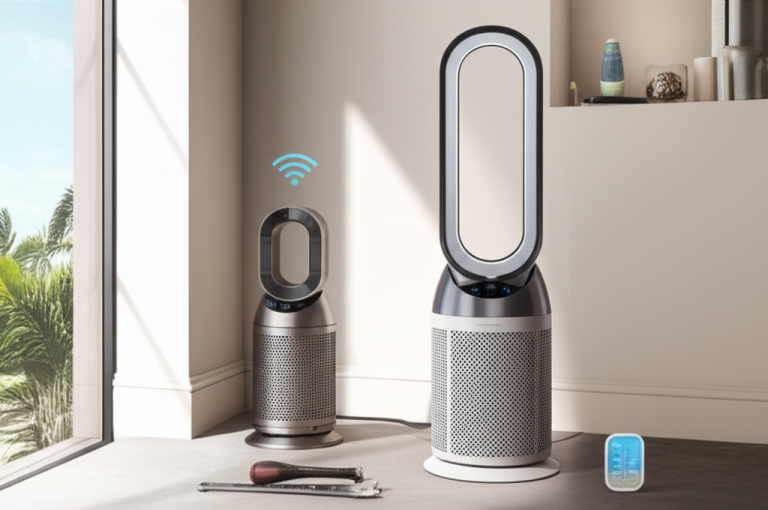
Air Purifier vs Plants: Proven Health Benefits

Choosing between an air purifier and plants for cleaner home air involves weighing their unique, proven health benefits. While plants offer natural beauty and some air-purifying qualities, modern air purifiers provide more comprehensive and scientifically validated solutions for removing a wider range of indoor pollutants, making them a superior choice for significantly improving your home’s air quality and your overall well-being.
Is your home feeling a little stuffy, or are you concerned about the air you breathe indoors? It’s a common worry, especially with so many pollutants lurking unseen. You might be wondering if those lush houseplants can really tackle the problem, or if a high-tech air purifier is the way to go. I understand the dilemma; I’ve faced it too! This guide will break down the air purifier vs plants debate, exploring their proven health benefits so you can make the best choice for your sanctuary.
Air Purifier vs Plants: Understanding the Core Difference
When we talk about air purifier vs plants, it’s essential to grasp their fundamental mechanisms. Air purifiers actively filter and remove airborne contaminants using mechanical or electronic means, while plants primarily absorb certain gases through their leaves and roots, contributing to a healthier environment in a more passive way.
This distinction is crucial for understanding their effectiveness in different scenarios.
How Air Purifiers Work: Advanced Filtration for Cleaner Air
Air purifiers are designed with specific technologies to capture a wide array of indoor air pollutants. They draw in air, pass it through various filters like HEPA and activated carbon, and then release cleaner air back into the room.
This process is highly effective at removing microscopic particles that plants alone cannot address.
HEPA Filters: The Gold Standard for Particle Removal
High-Efficiency Particulate Air (HEPA) filters are the workhorses of most air purifiers. They are certified to capture at least 99.97% of airborne particles 0.3 microns in size, including dust mites, pollen, pet dander, and mold spores.
This level of filtration is paramount for allergy and asthma sufferers.
Activated Carbon Filters: Tackling Gases and Odors
Activated carbon filters work by adsorption, trapping volatile organic compounds (VOCs), smoke, cooking odors, and other gaseous pollutants. The porous nature of activated carbon provides a massive surface area for these contaminants to bind to.
This dual-filter approach makes air purifiers incredibly versatile for improving air quality.
The Natural Benefits of Houseplants: More Than Just Decor
Houseplants have long been admired for their aesthetic appeal and ability to liven up a space. Beyond their beauty, research has shown that certain plants can indeed improve indoor air quality by absorbing a limited range of airborne toxins.
They offer a touch of nature’s tranquility and a subtle boost to your home’s atmosphere.
NASA’s Clean Air Study: A Closer Look
A famous study by NASA in the late 1980s explored the potential of houseplants to remove volatile organic compounds (VOCs) from sealed environments. While groundbreaking at the time, it’s important to note the study was conducted in controlled laboratory settings, not typical homes.
The findings suggested plants could reduce specific chemicals like benzene and formaldehyde.
Plants as Natural Humidifiers
Through a process called transpiration, plants release water vapor into the air, which can help increase humidity levels. Maintaining optimal humidity can prevent dry skin, soothe respiratory passages, and reduce static electricity.
This natural humidifying effect can be a welcome benefit, especially in dry climates or during winter months.
Comparing Effectiveness: Air Purifier vs Plants for Pollutant Removal
When it comes to comprehensively tackling a wide spectrum of indoor air pollutants, air purifiers demonstrably outperform plants. While plants can absorb a few specific gases, they lack the capacity to filter out the fine particulate matter that significantly impacts respiratory health.
The scale and efficiency of pollutant removal are where the air purifier vs plants debate leans heavily towards purifiers.
Particulate Matter: Where Plants Fall Short
Plants are not equipped to filter out microscopic particles like dust, pollen, pet dander, or mold spores that float in the air. These tiny irritants are major triggers for allergies and asthma, and their removal is best achieved through mechanical filtration.
An air purifier with a HEPA filter is essential for addressing these common allergens.
Gaseous Pollutants: A Limited Plant Contribution
While plants can absorb some VOCs, the rate at which they do so in a typical home environment is very slow. To achieve significant reduction of gases like formaldehyde or benzene, you would need an impractical number of plants, far more than most homes can accommodate.
Activated carbon filters in air purifiers are far more efficient at removing these harmful gases.
Proven Health Benefits: Air Purifiers Lead the Way
The direct health benefits associated with using an air purifier are more pronounced and scientifically supported for a wider range of indoor air quality issues. They offer a tangible solution for reducing exposure to common allergens and irritants.
Investing in an air purifier can lead to noticeable improvements in respiratory health and overall well-being.
Reduced Allergy and Asthma Symptoms
By effectively removing allergens like pollen, dust mites, pet dander, and mold spores from the air, air purifiers can significantly reduce the frequency and severity of allergy and asthma symptoms. This leads to fewer sniffles, less congestion, and easier breathing.
For many, this is the most compelling reason to use an air purifier.
Improved Sleep Quality
Breathing cleaner air can lead to better sleep. When your airways are less irritated by pollutants, you’re less likely to experience nighttime coughing, wheezing, or congestion. This allows for deeper, more restorative sleep.
Waking up feeling refreshed is a direct benefit of cleaner air.
Protection Against VOCs and Other Harmful Chemicals
Air purifiers with activated carbon filters are crucial for removing VOCs emitted from furniture, cleaning products, and paints. Long-term exposure to these chemicals can have serious health implications, and purifiers offer a proactive defense.
This protection extends to removing odors from smoke and cooking, creating a more pleasant living environment.
Health Benefits of Plants: A Supportive Role
While plants offer numerous benefits, their direct impact on air purification is secondary and complementary rather than primary. Their contribution is more about the overall ambiance and subtle improvements they can offer.
Think of plants as a lovely addition that supports a healthy home, rather than a sole solution for air quality.
Stress Reduction and Mood Enhancement
Studies have shown that the presence of plants can reduce stress, improve mood, and increase feelings of well-being. The biophilic connection—our innate tendency to connect with nature—plays a significant role here.
The calming effect of greenery can be a powerful mental health benefit.
Increased Productivity and Focus
In work or study environments, plants have been linked to increased concentration and productivity. Their presence can create a more stimulating and pleasant atmosphere, leading to better cognitive performance.
This benefit is often observed in office settings and home workspaces.
Air Purifier vs Plants: Which is Right for You?
The decision between an air purifier and plants depends on your specific needs and priorities. For significant improvements in air quality and direct health benefits related to pollutant removal, an air purifier is the more effective choice. Plants offer a supplementary role, enhancing the environment in other ways.
Consider your primary concerns when making this choice.
When to Choose an Air Purifier
If you suffer from allergies or asthma, live in an area with high outdoor pollution, have pets, or are concerned about VOCs from new furniture or renovations, an air purifier is highly recommended. They provide a measurable and consistent reduction in airborne contaminants.
Look for models with True HEPA filters and activated carbon for comprehensive coverage.
When to Embrace Houseplants
Houseplants are wonderful for adding life, color, and a sense of calm to your home. They can subtly improve air quality, boost mood, and increase humidity. They are an excellent addition to any home, regardless of whether you use an air purifier.
Choose plants that thrive in your home’s conditions and that you enjoy caring for.
Synergy: Using Air Purifiers and Plants Together
The most effective approach to achieving optimal indoor air quality is often a combination of both. Air purifiers tackle the heavy lifting of pollutant removal, while plants contribute to the overall ambiance and offer their unique natural benefits.
This dual approach creates a truly healthy and harmonious living space.
Complementary Roles for a Healthier Home
An air purifier will diligently remove allergens and harmful particles, providing immediate relief for respiratory issues. Meanwhile, plants can help to slightly reduce certain gases and provide the psychological benefits of nature, creating a more pleasant and calming environment.
Together, they create a more robust system for indoor air management.
Top Air Purifying Plants (and their Limitations)
While no plant can replace an air purifier, some are better known for their air-cleaning properties. It’s important to remember their impact is limited in a typical home setting compared to mechanical filtration.
Here are a few popular choices often cited for their air-purifying potential:
- Snake Plant (Sansevieria trifasciata): Known for converting CO2 into oxygen at night, which is unusual for most plants.
- Spider Plant (Chlorophytum comosum): Effective at removing formaldehyde and xylene.
- Peace Lily (Spathiphyllum): Can filter out benzene, formaldehyde, and trichloroethylene.
- Areca Palm (Dypsis lutescens): Also cited for removing formaldehyde and adding moisture to the air.
These plants contribute to a healthier environment, but their pollutant removal rate is significantly lower than that of a good air purifier. For instance, a study by the University of Georgia found that it would take over 1,000 spider plants to remove the same amount of formaldehyde as one air purifier.
Choosing the Right Air Purifier: Key Features
When selecting an air purifier, focus on features that ensure effective and efficient operation for your specific needs. Understanding these components will help you make an informed purchase that delivers real health benefits.
Prioritize performance and suitability for your space.
CADR Rating and Room Size
The Clean Air Delivery Rate (CADR) indicates how quickly an air purifier can clean a room of specific pollutants. Always match the CADR rating to the size of your room to ensure the unit is powerful enough.
A higher CADR generally means faster and more effective air cleaning.
Filter Types and Lifespan
Look for purifiers with a True HEPA filter for particulate matter and an activated carbon filter for gases and odors. Consider the lifespan of these filters and the cost of replacements, as this is an ongoing expense.
Durable, high-quality filters are essential for long-term performance.
Noise Level and Energy Consumption
Air purifiers vary in noise levels, especially on higher settings. Check decibel ratings if you are sensitive to noise. Also, consider the energy efficiency to manage electricity costs, particularly for units that run continuously.
Balancing performance with these practical considerations is key.
Frequently Asked Questions (FAQ)
Can plants really clean the air in my home?
Yes, plants can absorb certain gases like formaldehyde and benzene, but their air-purifying capacity in a typical home is very limited compared to air purifiers. They offer more of a supplementary benefit.
Are air purifiers effective against viruses and bacteria?
Many air purifiers with HEPA filters can capture airborne viruses and bacteria, which are often larger than the 0.3-micron particles HEPA filters are rated for. Some models also feature UV-C light technology for additional germicidal purification.
How many plants do I need to make a difference in air quality?
To achieve a significant reduction in pollutants comparable to an air purifier, you would need an impractically large number of plants, often hundreds or even thousands, depending on the plant and pollutant.
Do air purifiers produce ozone?
Some types of air purifiers, like ionizers and ozone generators, can produce ozone, which can be harmful to respiratory health. It’s best to choose purifiers with HEPA and activated carbon filters that do not intentionally produce ozone.
Can I use both plants and an air purifier for the best results?
Absolutely! Using an air purifier for effective pollutant removal and plants for their aesthetic and psychological benefits creates a synergistic approach to a healthier and more pleasant home environment.
Are expensive air purifiers better than cheaper ones?
Not necessarily. While higher-end models often have more advanced features, better build quality, and higher CADR ratings, a well-chosen, appropriately sized purifier with a True HEPA filter can be very effective without breaking the bank.
Conclusion: A Healthier Home with Informed Choices
In the debate of air purifier vs plants, the proven health benefits for significant air quality improvement clearly favor air purifiers. While plants offer wonderful aesthetic and psychological advantages, and a minor contribution to air quality, they cannot match the comprehensive pollutant removal capabilities of a modern air purifier equipped with HEPA and activated carbon filters. For those seeking to actively combat allergens, reduce respiratory symptoms, and protect their health from common indoor pollutants, an air purifier is an indispensable tool. Embracing both, however, allows you to harness the powerful purification of technology alongside the natural beauty and calming influence of plants, creating a truly optimized sanctuary for your well-being.