
Best Air-Purifying Plants: Essential Home Guide

Breathe easier with the best air-purifying plants for homes. This guide reveals nature’s top performers for cleaner indoor air, detailing their benefits, care, and placement for a healthier, fresher living space. Discover how easy it is to transform your home into a natural oasis.
Our homes can sometimes feel like sealed environments, trapping pollutants we can’t see. These indoor toxins, from furniture off-gassing to cleaning chemicals, can impact our health and well-being. Fortunately, nature offers a beautiful and effective solution: air-purifying plants. I’m here to guide you through selecting the best air-purifying plants for your home, making it simple to create a fresher, healthier sanctuary. Let’s explore how these green wonders can transform your living space.
Why Are Air-Purifying Plants Essential for Your Home?
Indoor air can be up to five times more polluted than outdoor air. Plants naturally absorb common indoor air pollutants like formaldehyde, benzene, and xylene. Incorporating these green helpers can significantly improve your home’s air quality and your overall health.
Indoor air quality is a growing concern, and for good reason. Many common household items release volatile organic compounds (VOCs) into the air, contributing to poor air quality. Studies, like the famous NASA Clean Air Study, have shown that certain plants can effectively filter these harmful toxins. Bringing these plants into your home is a simple, natural way to combat this issue.
Top Air-Purifying Plants for Homes: Your Ultimate Guide
Choosing the right plants can feel overwhelming, but I’ve compiled a list of the most effective and easy-to-care-for options. These plants are known for their impressive ability to cleanse the air and add beauty to your home. Let’s dive into the best air-purifying plants for homes that will make a real difference.
1. Spider Plant (Chlorophytum comosum): The Easy Air Cleaner
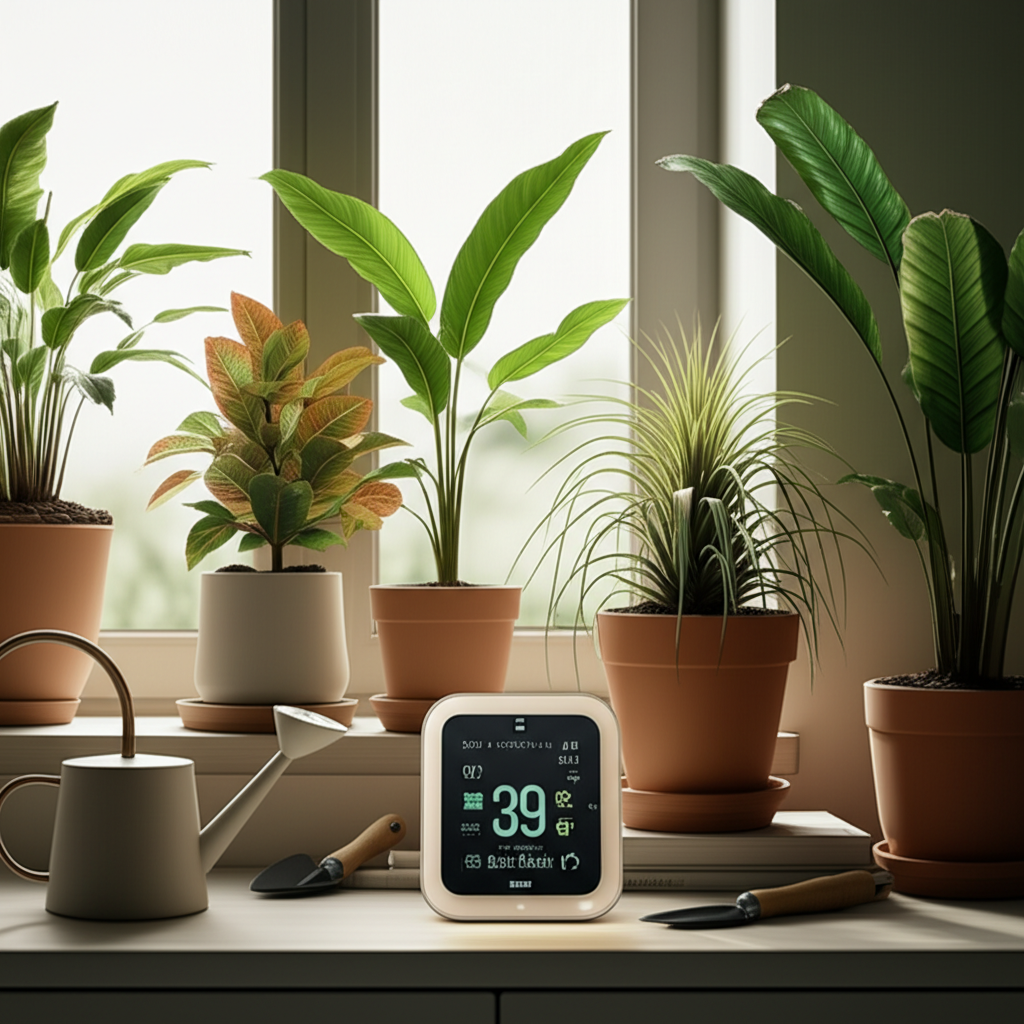
Spider plants are incredibly resilient and excellent at removing formaldehyde and xylene. They produce oxygen and are non-toxic, making them safe for homes with pets and children. Their cascading foliage adds a lovely aesthetic to any room.
These plants are perfect for beginners due to their forgiving nature. They thrive in bright, indirect light and don’t require frequent watering. Their ability to adapt to various conditions makes them one of the best air-purifying plants for homes.
2. Snake Plant (Sansevieria trifasciata): The Nighttime Oxygen Booster
Known for its striking, upright leaves, the snake plant is a powerhouse at filtering formaldehyde, benzene, and trichloroethylene. Uniquely, it converts carbon dioxide into oxygen at night, making it ideal for bedrooms. It’s a low-maintenance champion among air-purifying plants.
Snake plants tolerate low light and infrequent watering, making them ideal for busy individuals. Their architectural form adds a modern touch, proving that functional can also be fashionable. This plant is a must-have for its dual benefits of air purification and aesthetic appeal.
3. Peace Lily (Spathiphyllum): The Elegant Air Purifier
Peace lilies are renowned for their beautiful white blooms and their ability to filter ammonia, benzene, formaldehyde, and trichloroethylene. They thrive in low to medium light conditions and signal when they need water by drooping their leaves. This makes them a clear indicator of your plant’s needs.
Their lush green foliage and elegant flowers bring a sense of calm and serenity. Peace lilies are excellent for improving air quality while adding a touch of sophistication to your living space. They are a beautiful addition to the list of best air-purifying plants for homes.
4. English Ivy (Hedera helix): The Toxin Magnet
English ivy is a vigorous climber or spiller that excels at removing airborne fecal matter and formaldehyde. It’s particularly effective in reducing mold levels in indoor environments. This plant requires consistent moisture and good air circulation to thrive.
While beautiful, it’s important to note that English ivy can be mildly toxic if ingested, so keep it out of reach of pets and small children. Despite this, its air-purifying capabilities make it a valuable addition to any home. Its trailing vines can add a natural, elegant feel.
5. Areca Palm (Dypsis lutescens): The Humidifying Wonder
The Areca palm is a fantastic plant for increasing humidity and filtering out toxins like formaldehyde, xylene, and toluene. It’s also known to be a natural humidifier, releasing a significant amount of moisture into the air. This palm prefers bright, indirect light and consistently moist soil.
Its feathery fronds bring a tropical vibe to any room, making your home feel like a lush oasis. The Areca palm is not only functional but also a stunning decorative piece, solidifying its spot among the best air-purifying plants for homes.
6. Boston Fern (Nephrolepis exaltata): The Humidity Lover
Boston ferns are excellent at removing formaldehyde and are natural humidifiers, making them perfect for dry climates or heated homes. They thrive in high humidity and indirect light, requiring regular misting and consistently damp soil. Their lush, feathery fronds add a touch of vintage charm.
These ferns are a bit more demanding in their care but offer substantial rewards in terms of air purification and aesthetic appeal. Their ability to boost humidity is a significant benefit for respiratory health. The Boston fern is a classic choice for a reason.
7. Rubber Plant (Ficus elastica): The Formaldehyde Fighter
The rubber plant is a robust and striking plant with glossy, dark green leaves. It’s highly effective at removing formaldehyde from the air and is relatively easy to care for. This plant prefers bright, indirect light and moderate watering.
Its substantial size can make a statement in larger rooms, while its air-purifying qualities contribute to a healthier environment. The rubber plant is a popular and effective choice for anyone seeking the best air-purifying plants for homes.
8. Chrysanthemum (Chrysanthemum morifolium): The Bloom of Purity
Chrysanthemums are vibrant flowering plants that are exceptionally good at removing a wide range of common indoor air pollutants, including ammonia, benzene, formaldehyde, and xylene. They prefer bright light and require regular watering. Their cheerful blooms can brighten any space.
While often treated as a temporary houseplant due to their flowering cycle, their potent air-purifying properties make them a worthwhile addition. Enjoying their beauty while breathing cleaner air is a win-win. They truly are one of the most effective air-purifying plants.
9. Aloe Vera (Aloe barbadensis miller): The Medicinal Air Freshener
Beyond its well-known medicinal gel, Aloe Vera is also an effective air purifier, particularly good at removing formaldehyde and benzene. It’s a succulent that thrives in bright light and requires infrequent watering, making it very low-maintenance. Its spiky leaves add a unique texture.
This plant is a dual-purpose marvel, offering both air-cleaning benefits and topical remedies. Its ease of care makes it accessible for everyone looking for the best air-purifying plants for homes. Plus, who doesn’t love having a mini first-aid kit on hand?
How to Choose the Best Air-Purifying Plants for Your Home
Selecting the right plants involves considering your home’s environment and your lifestyle. Think about the amount of light available, your watering habits, and whether you have pets or children. Matching plant needs to your conditions ensures they thrive and effectively purify your air.
Here’s a simple checklist to help you decide:
Light Levels: Assess the light in the room where you plan to place the plant. Some plants need bright, indirect light, while others tolerate low light.
Watering Frequency: Be honest about how often you can water. Some plants prefer consistently moist soil, while others do better with infrequent watering.
Pet and Child Safety: If you have curious pets or little ones, opt for non-toxic varieties like the spider plant or Areca palm.
Space Availability: Consider the mature size of the plant. A large Areca palm might overwhelm a small desk, whereas a snake plant fits perfectly.
Aesthetic Preference: Choose plants whose appearance complements your home decor.
Placement Strategies for Maximum Air Purification
Where you place your air-purifying plants can significantly impact their effectiveness and their own health. Grouping plants can create microclimates that benefit them, and placing them in areas with poor air circulation can help. Strategic placement maximizes their air-cleaning power.
Consider placing plants in areas where pollutants are most likely to accumulate:
Bedrooms: For improved sleep quality, especially with plants like the Snake Plant.
Living Areas: To combat VOCs from furniture and decor.
Kitchens: To help filter fumes and airborne particles from cooking.
Home Offices: To enhance focus and reduce sick building syndrome symptoms.
Essential Care Tips for Thriving Air-Purifying Plants
Even the most resilient plants need basic care to perform optimally. Understanding their needs ensures they live long, healthy lives and continue to purify your air effectively. Consistent care is key to unlocking their full potential.
Here are some general care guidelines:
Watering: Water when the top inch or two of soil feels dry. Avoid overwatering, which can lead to root rot.
Light: Provide the appropriate light conditions for each plant. Most prefer bright, indirect light.
Humidity: Some plants, like ferns and palms, benefit from regular misting or being placed near a humidifier.
Soil: Use well-draining potting mix.
Fertilizing: Feed your plants with a balanced liquid fertilizer during the growing season (spring and summer) about once a month.
* Cleaning: Dust the leaves regularly with a damp cloth. This allows the plant to absorb light more efficiently and breathe better.
Understanding Common Indoor Air Pollutants
Knowing what you’re trying to remove from your air helps appreciate the role of these plants. Common indoor pollutants include VOCs from paints, furniture, and cleaning products, as well as mold spores and carbon dioxide. Plants offer a natural way to mitigate these issues.
Here’s a quick look at some common culprits:
| Pollutant | Common Sources | Health Effects |
| :——————— | :———————————————— | :————————————————— |
| Formaldehyde | Particleboard, plywood, upholstery, cosmetics | Eye, nose, throat irritation; respiratory issues |
| Benzene | Plastics, resins, detergents, tobacco smoke | Dizziness, headaches; potential carcinogen |
| Xylene | Paints, solvents, glues, printing inks | Headaches, nausea, dizziness |
| Ammonia | Cleaning products, fertilizers | Respiratory irritation, burns |
| Toluene | Paints, glues, nail polish, cleaning agents | Dizziness, headaches, impaired coordination |
Frequently Asked Questions About Air-Purifying Plants
Q1: How many plants do I need to purify my home?
While there’s no exact number, the NASA study suggests a significant number of plants are needed for substantial purification. However, even a few well-placed plants can make a noticeable difference in air freshness and well-being.
Q2: Do air-purifying plants really work?
Yes, scientific studies, including the NASA Clean Air Study, have demonstrated that certain plants can absorb common indoor air pollutants. While they might not eliminate all toxins, they contribute significantly to cleaner indoor air.
Q3: Which is the best air-purifying plant for beginners?
The Spider Plant is often considered the best for beginners due to its resilience and ease of care. Snake Plants and Aloe Vera are also excellent choices for those new to plant parenthood.
Q4: Are air-purifying plants safe for pets?
Some popular air-purifying plants are toxic if ingested by pets. Always research a plant’s toxicity before bringing it home if you have pets. Safe options include Spider Plants, Areca Palms, and Boston Ferns.
Q5: Can air-purifying plants help with allergies?
By filtering out pollutants and allergens like mold spores and dust particles, air-purifying plants can potentially help alleviate allergy symptoms for some individuals. They also increase humidity, which can be beneficial for dry airways.
Q6: Where is the best place to put air-purifying plants?
Place them in rooms where you spend the most time or where air quality is a concern, such as bedrooms, living rooms, and home offices. Ensure they receive the appropriate amount of light.
Conclusion: Greening Your Home for a Healthier Tomorrow
Incorporating the best air-purifying plants for homes is a simple yet profoundly effective way to enhance your living environment. These natural wonders not only beautify your space but also work tirelessly to cleanse the air you breathe, contributing to a healthier and more tranquil home. By selecting the right plants and providing them with basic care, you can transform your house into a refreshing sanctuary. Embrace the power of nature and start greening your home today for a breath of fresh air and a healthier tomorrow.
