
Do Air Purifiers Remove Formaldehyde? Essential Guide

Yes, certain types of air purifiers can effectively remove formaldehyde from your home, especially those equipped with activated carbon filters. This guide will help you understand how they work and what to look for.
Breathing in formaldehyde can be a serious concern for many households, often stemming from common household items and building materials. This invisible gas can cause irritation and long-term health issues, leaving you wondering if there’s a simple solution. The good news is that the right air purifier can significantly improve your indoor air quality by tackling formaldehyde. In this guide, I’ll walk you through how these devices work and how to choose the best one for your needs, ensuring a healthier home environment.
How Do Air Purifiers Tackle Formaldehyde?
Air purifiers combat formaldehyde primarily through advanced filtration systems. While HEPA filters excel at capturing airborne particles like dust and pollen, they are not designed to address gases like formaldehyde. For effective formaldehyde removal, specific filter types are crucial, working through distinct chemical and physical processes to neutralize or trap this volatile organic compound (VOC).
Understanding these mechanisms is key to selecting an air purifier that truly addresses your indoor air concerns. This section will break down the primary technologies involved in removing formaldehyde and other harmful VOCs.
Activated Carbon Filters: The Formaldehyde Fighters
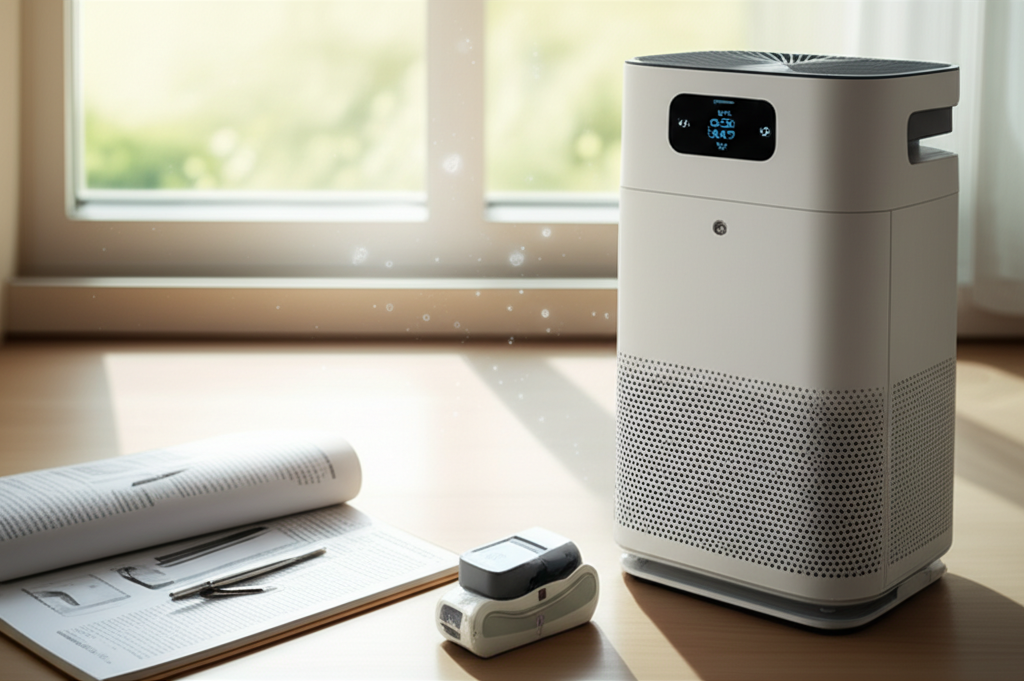
Activated carbon filters are the workhorses when it comes to removing formaldehyde. These filters are made from carbon that has been treated to be extremely porous, creating a vast surface area for adsorption. When formaldehyde molecules in the air come into contact with this surface, they get trapped within the carbon’s pores.
The process is known as adsorption, where gas molecules adhere to the solid surface of the filter. The larger the amount of activated carbon and the more porous its structure, the greater its capacity to adsorb formaldehyde and other VOCs. This makes them an essential component for any air purifier targeting chemical pollutants.
The Science Behind Adsorption
Adsorption is a surface phenomenon where gas or liquid molecules (adsorbate) collect on the surface of a solid or liquid (adsorbent). In the case of activated carbon filters, formaldehyde molecules are attracted to and bind with the carbon surface due to Van der Waals forces. This physical attraction effectively pulls the formaldehyde out of the air stream passing through the filter.
The effectiveness of adsorption depends on factors like the concentration of formaldehyde, the contact time between the air and the filter, and the surface area of the activated carbon. Regular replacement of activated carbon filters is vital, as they eventually become saturated and lose their ability to adsorb more pollutants.
Photocatalytic Oxidation (PCO) Technology
Photocatalytic oxidation (PCO) is another technology sometimes employed in air purifiers to tackle formaldehyde. This method uses ultraviolet (UV) light to activate a catalyst, typically titanium dioxide (TiO2). When UV light hits the TiO2, it creates reactive oxygen species that break down VOCs, including formaldehyde, into less harmful substances like water and carbon dioxide.
While PCO can be effective, it’s important to note that some PCO units can produce ozone as a byproduct, which itself is a lung irritant. Choosing PCO-based purifiers that have been certified to produce minimal or no ozone is highly recommended for safety.
Other Filtration Methods and Their Limitations
While HEPA filters are excellent for particulate matter, they do not effectively remove gaseous pollutants like formaldehyde. Similarly, basic pre-filters only capture larger particles and do not address VOCs. Ionizers and UV-C light, while having some air purification benefits, are generally not considered primary solutions for formaldehyde removal.
Therefore, when looking for an air purifier to combat formaldehyde, prioritize models with substantial activated carbon filters. Combining this with a HEPA filter provides comprehensive air purification, tackling both particles and gases for a healthier indoor environment.
Where Does Formaldehyde Come From in Your Home?
Formaldehyde is a common chemical found in many household items and building materials, often released slowly over time. Understanding its sources is the first step in mitigating exposure and choosing the right air purification strategy. These sources can range from new furniture to everyday cleaning products.
Identifying these common culprits can help you make informed decisions about your home environment and the products you bring into it. Let’s explore the most frequent origins of formaldehyde in indoor spaces.
Building Materials and Furnishings
Many pressed wood products, such as particleboard, plywood, and medium-density fiberboard (MDF), use formaldehyde-based resins as binders. This means new furniture, cabinets, and even structural components can off-gas formaldehyde. The higher the temperature and humidity, the faster this release can occur.
Other materials like insulation, paints, varnishes, and adhesives can also contribute to formaldehyde levels. Choosing low-VOC or formaldehyde-free options when renovating or purchasing new items can significantly reduce indoor concentrations.
Household Products and Consumer Goods
Beyond construction materials, formaldehyde is a common ingredient in a surprising array of household products. It’s used as a preservative in some cosmetics, shampoos, detergents, and even certain types of glues and disinfectants. Even some types of air fresheners and candles can release formaldehyde when used.
When you bring new items into your home, especially those with strong chemical smells, they might be releasing formaldehyde. Reading product labels and opting for natural or low-emission alternatives can help minimize this source of indoor pollution.
Combustion and Other Sources
While less common as a primary indoor source compared to building materials, formaldehyde can also be released from incomplete combustion processes. This includes tobacco smoke, gas stoves, and kerosene heaters. Even certain types of molds can produce formaldehyde as a byproduct of their metabolism.
Ensuring proper ventilation, especially when using fuel-burning appliances, is crucial. Addressing moisture issues promptly can also help prevent mold growth, further reducing potential formaldehyde exposure from this source.
The Health Impacts of Formaldehyde Exposure
Exposure to formaldehyde can have a range of negative health effects, from mild irritation to more serious long-term concerns. Even low levels can affect sensitive individuals, making it important to understand the risks. Recognizing these symptoms can prompt you to take action for a healthier living space.
The severity of symptoms often depends on the concentration of formaldehyde and the duration of exposure. Let’s delve into the common health issues associated with breathing in this common indoor pollutant.
Short-Term Irritation and Symptoms
In the short term, formaldehyde can cause irritation to the eyes, nose, and throat. You might experience watery eyes, burning sensations, coughing, wheezing, or nausea. Skin rashes can also occur in some individuals upon contact with formaldehyde-containing products or air.
These symptoms are often the body’s way of signaling an irritant in the environment. If you notice these symptoms appearing or worsening when you are indoors, especially in newer or recently renovated spaces, formaldehyde could be a contributing factor.
Long-Term Health Concerns
The U.S. Environmental Protection Agency (EPA) classifies formaldehyde as a probable human carcinogen. Prolonged or high-level exposure has been linked to an increased risk of certain cancers, particularly nasopharyngeal cancer and leukemia. It can also exacerbate respiratory conditions like asthma.
Given these serious potential health impacts, taking steps to reduce formaldehyde levels in your home is a proactive measure for long-term well-being. Air purifiers with activated carbon are a key part of this strategy.
Choosing the Right Air Purifier for Formaldehyde
Selecting an air purifier specifically designed to tackle formaldehyde requires focusing on certain features. Not all air purifiers are created equal when it comes to removing gases. The key lies in the type and quantity of filtration media used, particularly activated carbon.
By understanding these critical aspects, you can confidently choose a unit that will effectively improve your indoor air quality and reduce formaldehyde levels.
Key Features to Look For
When shopping for an air purifier that removes formaldehyde, prioritize models with a substantial activated carbon filter. Look for filters that specify a high weight or volume of activated carbon, often measured in pounds or kilograms. A thicker, denser carbon filter generally offers greater adsorption capacity and a longer lifespan.
Additionally, ensure the unit has a good CADR (Clean Air Delivery Rate) for VOCs, if specified by the manufacturer. A pre-filter to capture larger particles will also extend the life of the carbon and HEPA filters. Always check for third-party certifications that validate performance claims.
Activated Carbon Filter: Size and Type Matter
The effectiveness of an activated carbon filter is directly related to its surface area and the amount of carbon used. A filter packed with a generous amount of high-quality activated carbon will adsorb more formaldehyde molecules before becoming saturated. Manufacturers may use different types of carbon, such as coconut shell carbon, which is known for its high adsorption capabilities.
Avoid air purifiers with very thin or “impregnated” carbon filters, as these typically have a limited capacity for VOCs like formaldehyde. Aim for filters that are several pounds in weight for optimal performance in a standard-sized room.
HEPA Filter vs. Activated Carbon Filter
It’s crucial to understand the distinct roles of HEPA and activated carbon filters. A True HEPA filter is designed to capture 99.97% of airborne particles down to 0.3 microns, including dust, pollen, mold spores, and pet dander. It does not, however, remove gases or odors.
An activated carbon filter, on the other hand, works by adsorbing gases, odors, and VOCs like formaldehyde. For comprehensive indoor air purification, especially when formaldehyde is a concern, an air purifier should ideally feature both a True HEPA filter and a substantial activated carbon filter.
Certifications and Performance Ratings
Look for certifications from reputable organizations. AHAM (Association of Home Appliance Manufacturers) Verifide provides CADR ratings for smoke, dust, and pollen, indicating how quickly an air purifier cleans the air of these particles. While AHAM doesn’t have a specific CADR for formaldehyde, high VOC CADR ratings are a good indicator.
CARB (California Air Resources Board) certification is also important, as it ensures that the air purifier does not emit ozone. Some manufacturers may also provide independent lab test results demonstrating their unit’s effectiveness against specific VOCs like formaldehyde.
How to Maximize Formaldehyde Removal
Even with the best air purifier, there are additional steps you can take to maximize formaldehyde removal and improve your home’s air quality. These strategies work in conjunction with your air purifier to create a healthier environment.
Implementing these practices will create a synergistic effect, leading to a more significant reduction in formaldehyde levels and overall better indoor air. Let’s explore these complementary methods.
Proper Placement of Your Air Purifier
The placement of your air purifier significantly impacts its effectiveness. For optimal formaldehyde removal, position the unit in the room where you spend the most time or where formaldehyde sources are concentrated, such as a bedroom or living room. Ensure there is adequate airflow around the unit, avoiding placement directly against walls or furniture.
Allowing at least a foot of clearance on all sides will ensure that air can be drawn in and expelled efficiently, maximizing the circulation and purification of the air in the room. This simple step ensures your purifier can work at its best.
Regular Filter Maintenance and Replacement
Activated carbon filters have a finite lifespan and will eventually become saturated with formaldehyde and other VOCs. It is crucial to follow the manufacturer’s recommendations for filter replacement. Neglecting this can render your air purifier ineffective or even cause it to release trapped pollutants back into the air.
Keep a record of when you last replaced your filters and set reminders for future replacements. This proactive approach ensures your air purifier consistently delivers clean air and effectively tackles formaldehyde.
Ventilation and Source Control
While air purifiers are excellent for capturing formaldehyde that’s already in the air, ventilation is key to reducing its overall presence. Open windows and doors regularly, especially when introducing new furniture or after renovations, to allow fresh air to circulate and flush out pollutants. This is often referred to as “source control.”
Furthermore, when purchasing new furniture or building materials, look for products certified as low-VOC or formaldehyde-free. This proactive step minimizes the amount of formaldehyde introduced into your home in the first place, complementing the work of your air purifier.
Top Air Purifier Brands and Models for Formaldehyde
Several reputable brands offer air purifiers with robust activated carbon filtration systems, making them effective against formaldehyde. While specific model recommendations can change, focusing on brands known for their quality filtration and commitment to air quality standards is a good starting point.
I’ve found that certain manufacturers consistently deliver on performance and reliability when it comes to tackling VOCs like formaldehyde. Here are some brands and what to consider when looking at their offerings.
Brands Known for Activated Carbon Filters
Brands like Austin Air, Coway, Blueair, and IQAir are often cited for their comprehensive filtration systems, which include substantial activated carbon components. Austin Air, for example, is known for its large, heavy-duty carbon filters designed for long-term use and significant adsorption capacity.
Coway and Blueair often integrate advanced carbon filtration with HEPA filters, offering a dual approach to air purification. IQAir models are typically high-performance units with substantial carbon beds for tackling serious air quality concerns, including VOCs.
What to Look for in Specific Models
When evaluating specific models, check the product specifications for the amount of activated carbon included. Look for descriptions that emphasize “heavy-duty,” “large capacity,” or provide the weight of the carbon filter. For instance, a model claiming to have 5-10 pounds of activated carbon is likely to be more effective against formaldehyde than one with a thin carbon mesh.
Also, consider the room size the purifier is rated for and its CADR for VOCs if available. A unit with a higher CADR will clean the air more quickly, providing faster relief from formaldehyde concentrations.
Understanding Air Purifier Lifespans and Costs
The lifespan of an air purifier’s filters is a significant factor in the long-term cost of ownership. Activated carbon filters typically need replacement every 6-12 months, depending on usage and the level of pollutants in the air. HEPA filters may last longer, often 1-3 years.
While the initial purchase price of an air purifier can range from $100 to over $1,000, the ongoing cost of replacement filters should be factored into your budget. Higher-quality filters, while more expensive upfront, may last longer or offer superior performance.
Can Air Purifiers Remove All Formaldehyde?
While high-quality air purifiers with substantial activated carbon filters can significantly reduce formaldehyde levels, it’s important to manage expectations. They are a powerful tool for improving air quality but are not a magic bullet for complete elimination in all scenarios.
The effectiveness of an air purifier depends on several factors, including the concentration of formaldehyde, the size of the room, and the purifier’s capacity. Achieving near-zero levels might require a combination of purification and aggressive source control.
Factors Affecting Removal Efficiency
The efficiency of formaldehyde removal is influenced by the concentration of the gas, the airflow rate of the purifier, and the amount of activated carbon in the filter. If the formaldehyde levels are very high, or if the purifier is undersized for the room, it may struggle to keep up. Continuous off-gassing from new materials can also challenge even the best purifiers.
Furthermore, the age and saturation level of the activated carbon filter play a critical role. An old or depleted filter will not adsorb formaldehyde effectively, diminishing the purifier’s overall performance.
The Importance of Source Control and Ventilation
For the most effective formaldehyde mitigation, air purification should be combined with source control and ventilation. This means identifying and reducing the sources of formaldehyde in your home, such as choosing low-VOC products and ensuring proper building material selection. Regular ventilation, by opening windows, helps to dilute and remove formaldehyde from the indoor environment.
An air purifier acts as a crucial supplement to these efforts, continuously cleaning the air. It tackles the formaldehyde that persists even after ventilation and source reduction, providing a more comprehensive solution for healthier indoor air.
Frequently Asked Questions About Air Purifiers and Formaldehyde
Do air purifiers with only HEPA filters remove formaldehyde?
No, HEPA filters are designed to capture particulate matter like dust and pollen, but they do not effectively remove gases or volatile organic compounds (VOCs) like formaldehyde. For formaldehyde removal, activated carbon filters are essential.
How often do I need to replace an activated carbon filter for formaldehyde removal?
The frequency of replacement varies by manufacturer and usage, but typically activated carbon filters for formaldehyde removal need to be replaced every 6 to 12 months. Check your air purifier’s manual for specific recommendations.
Can an air purifier help with the “new car smell” or “new furniture smell”?
Yes, the “new car” or “new furniture” smell is often due to VOCs, including formaldehyde. Air purifiers equipped with substantial activated carbon filters can help to adsorb these chemicals and reduce such odors.
Are there any air purifiers that are NOT effective against formaldehyde?
Air purifiers that rely solely on HEPA filters, ionizers, or basic pre-filters are generally not effective against formaldehyde. You need a unit with a significant amount of activated carbon filtration.
How do I know if my air purifier is actually removing formaldehyde?
Look for air purifiers with certified performance ratings for VOCs or those that clearly state the amount and type of activated carbon used. Some advanced models may offer real-time VOC monitoring, though this is less common.
Should I be concerned about ozone production from air purifiers?
Yes, some air purification technologies, like certain ionizers and PCO systems, can produce ozone, which is a lung irritant. Always choose CARB-certified air purifiers that are guaranteed to produce little to no ozone.
Conclusion
In conclusion, the answer to “do air purifiers remove formaldehyde?” is a resounding yes, provided you choose the right type. Air purifiers equipped with substantial activated carbon filters are highly effective at adsorbing formaldehyde and other volatile organic compounds, significantly improving your indoor air quality. While HEPA filters tackle particles, it’s the activated carbon that addresses gaseous pollutants.
By understanding the sources of formaldehyde, the health risks involved, and the key features to look for in an air purifier—especially the quality and quantity of activated carbon—you can make an informed decision. Remember to prioritize proper placement, regular filter maintenance, and complementary strategies like ventilation and source control for the best results. Investing in a quality air purifier with effective formaldehyde removal capabilities is a vital step towards creating a healthier and safer home environment for you and your family.
