
Can Air Purifiers Detect Mold? Essential Guide

Yes, some advanced air purifiers can help detect mold by sensing airborne mold spores and volatile organic compounds (VOCs) released by mold. However, they are not foolproof mold detectors and should be used alongside other methods for accurate mold identification and assessment.
Can Air Purifiers Detect Mold? An Essential Guide for a Healthier Home
Discovering mold in your home can be a stressful experience, often accompanied by concerns about air quality and health. You might be wondering if your trusty air purifier can lend a hand in identifying this unwelcome guest. This guide will demystify the capabilities of air purifiers when it comes to mold detection, offering clear insights and practical advice to help you breathe easier. We’ll explore how these devices work and what to expect, providing you with the knowledge to make informed decisions about your home’s environment.
Understanding How Air Purifiers Work and Mold Detection
Air purifiers are designed to clean the air by removing various pollutants. While many focus on particles like dust and pollen, some advanced models can also detect and trap airborne mold spores. They achieve this through sophisticated sensors that identify specific particles and volatile organic compounds (VOCs) often associated with mold growth. These sensors trigger alerts, informing you of potential mold presence.
The Science Behind Air Purifier Mold Detection
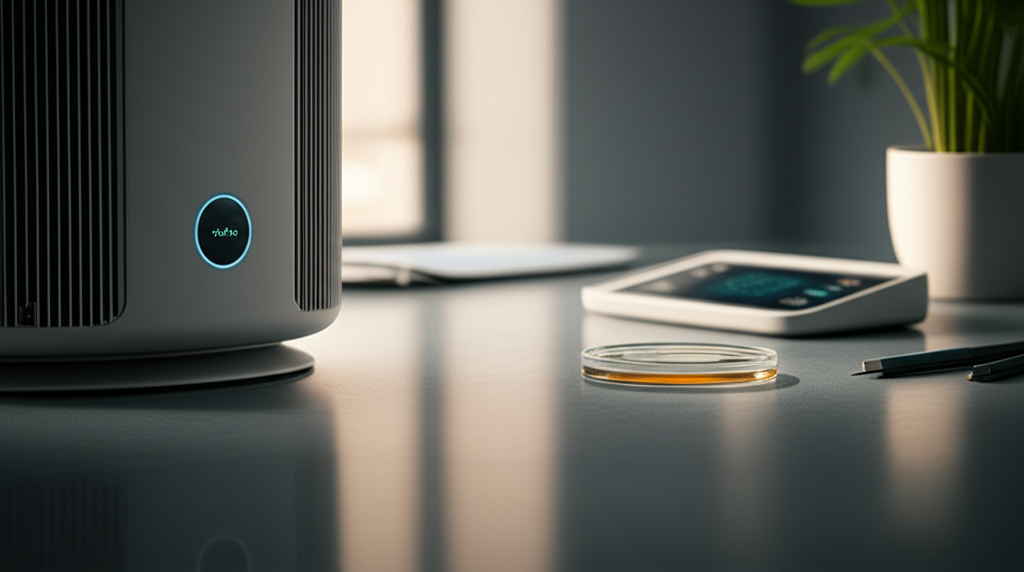
The effectiveness of an air purifier in detecting mold hinges on its sensor technology. HEPA filters are excellent at capturing mold spores, but they don’t “detect” them in real-time. Instead, specialized air quality sensors within certain air purifiers can identify the chemical signatures of mold-related VOCs or even count airborne particles that match the size and characteristics of mold spores. This allows the unit to signal a potential issue before visible mold appears.
Types of Sensors Used in Air Purifiers
Air purifiers employ various sensors to monitor air quality. Some utilize particle sensors that can identify the size and concentration of airborne particles, including mold spores. Others are equipped with chemical sensors that detect VOCs, many of which are emitted by mold as it grows and decomposes organic matter. These advanced sensors contribute to the “smart” capabilities of modern air purifiers.
Can Air Purifiers Detect Mold Spores Directly?
While air purifiers excel at filtering mold spores, their ability to detect them directly is more nuanced. Most air purifiers with HEPA filters will capture mold spores that enter the device. However, true detection—meaning the purifier actively identifies and alerts you to the presence of mold spores specifically—relies on advanced sensor technology that can differentiate mold spores from other airborne particles.
The Role of HEPA Filters in Mold Spore Capture
High-Efficiency Particulate Air (HEPA) filters are a cornerstone of most effective air purifiers. They are designed to capture at least 99.97% of airborne particles 0.3 microns in size. Since mold spores often fall within this size range, a HEPA filter will effectively trap them, thereby reducing their concentration in your home’s air.
Limitations of Basic Air Purifiers for Mold Detection
Basic air purifiers, typically those relying solely on HEPA filters without additional sensors, are not designed for mold detection. They will clean the air of mold spores but won’t alert you to their presence. You would only notice a problem if you experienced symptoms or saw visible mold growth.
Advanced Air Purifiers and Their Mold Detection Capabilities
The market now offers air purifiers with enhanced features, including sophisticated sensors that can provide real-time air quality monitoring. Some of these advanced models can indeed detect the presence of mold-related airborne contaminants, offering an early warning system for potential mold issues. These units go beyond simple filtration to provide actionable insights.
Smart Sensors and Real-Time Air Quality Monitoring
Smart air purifiers often come equipped with sensors that continuously monitor various air quality parameters. These can include particulate matter (PM2.5), VOCs, and sometimes even specific gases. If mold is present, it often releases VOCs or increases airborne particle counts, which these sensors can pick up and report.
Interpreting Air Purifier Alerts for Mold
When an advanced air purifier detects elevated levels of particles or VOCs commonly associated with mold, it will typically display an alert or change its indicator light. It’s crucial to understand that these alerts signal a potential issue, not a definitive diagnosis of mold. Further investigation is always recommended.
When an Air Purifier Detects a Potential Mold Problem
If your air purifier consistently alerts you to poor air quality, especially VOCs or particle spikes, it’s a strong indicator that something is amiss. This could be mold, but it might also be other sources like off-gassing furniture or cleaning products. The key is to treat these alerts as a prompt for investigation rather than a direct mold identification.
Investigating the Source of the Alert
Upon receiving an alert, the next step is to investigate potential sources. Look for visible signs of mold, especially in damp areas like bathrooms, kitchens, basements, or around leaky pipes. Pay attention to musty odors, which are a classic sign of mold growth.
Understanding What the Air Purifier is Actually Sensing
It’s important to remember that air purifiers primarily detect airborne particles and gases. They don’t “see” mold. When they alert you to potential mold, they are detecting an increase in airborne mold spores or VOCs that are commonly released by mold. This is an indirect detection method.
Limitations and What Air Purifiers Cannot Do Regarding Mold
While advanced air purifiers offer valuable insights, they have limitations in mold detection. They cannot identify the specific type of mold, determine the extent of the infestation, or locate hidden mold growth within walls or under flooring. For these aspects, professional mold testing is necessary.
Identifying Specific Mold Species
Air purifiers are generally not capable of distinguishing between different species of mold. Some molds are more harmful than others, and identifying the specific type often requires laboratory analysis of samples collected from the environment. This is a crucial step for health-related concerns.
Locating Hidden or Embedded Mold
Mold can grow in hidden spaces, such as inside walls, under carpets, or within ventilation systems. An air purifier will only detect airborne spores or VOCs that have escaped into the general living space. It cannot pinpoint the exact location of hidden mold infestations.
When to Call a Professional Mold Inspector
If your air purifier consistently alerts you to poor air quality, or if you suspect a significant mold problem based on visible signs or musty odors, it’s time to involve professionals. Mold remediation experts have the tools and expertise to accurately identify, assess, and remediate mold issues safely and effectively.
Signs You Need Professional Mold Testing
Beyond air purifier alerts, look for persistent musty smells, visible mold growth (even small patches), water damage, or recurring respiratory issues among household members. These are strong indicators that professional mold testing and inspection are warranted.
The Process of Professional Mold Testing
Professional mold inspectors use specialized equipment and methods, such as air sampling, surface swabbing, and moisture meters, to detect and quantify mold. They can identify the type of mold, its source, and the extent of contamination, providing a comprehensive report and remediation plan. You can find reputable mold inspection services through organizations like the National Organization of Remediators and Mold Inspectors (NORMI).
Choosing the Right Air Purifier for Better Air Quality
If your primary concern is managing airborne allergens and improving overall air quality, including reducing mold spores, selecting an air purifier with a true HEPA filter is essential. For added peace of mind, consider models with advanced sensors that can alert you to potential air quality issues.
Key Features to Look for in an Air Purifier
When shopping for an air purifier, prioritize a true HEPA filter, a suitable CADR (Clean Air Delivery Rate) for your room size, and activated carbon filters for odor and VOC removal. If you want enhanced monitoring, look for models with real-time air quality displays and smart sensor technology.
Air Purifier Placement and Maintenance for Optimal Performance
Proper placement is key; position your air purifier in the room where you spend the most time or where air quality concerns are highest. Regular maintenance, including cleaning pre-filters and replacing HEPA and carbon filters according to the manufacturer’s recommendations, is crucial for sustained performance. Neglecting filter changes can reduce efficiency and even lead to secondary contamination.
Can Air Purifiers Detect Mold? A Summary of Capabilities
In essence, while air purifiers can’t definitively “diagnose” mold like a medical professional diagnoses an illness, certain advanced models can detect the airborne particles and VOCs often associated with mold growth. They serve as an excellent early warning system, prompting further investigation.
FAQ: Your Questions About Air Purifiers and Mold Answered
Can a regular air purifier detect mold?
A regular air purifier with a HEPA filter will capture mold spores, but it won’t actively detect or alert you to their presence. Only advanced models with specific air quality sensors can provide such alerts.
How do I know if my air purifier is detecting mold?
Your air purifier will likely alert you by displaying a specific indicator, changing its fan speed, or showing a reading for high particle counts or VOCs. Always check your model’s manual to understand its specific alerts.
What is the best air purifier for mold detection?
Look for air purifiers with true HEPA filters for spore capture and advanced sensors that monitor VOCs and particle matter. Brands like Coway, Blueair, and Levoit often offer models with these features.
Can air purifiers remove mold?
Yes, air purifiers with HEPA filters are very effective at removing airborne mold spores from the air, significantly reducing their concentration in your home.
Will an air purifier detect mold smell?
Air purifiers with activated carbon filters can help reduce mold odors by adsorbing VOCs. Some advanced models with VOC sensors may also alert you to the presence of odor-causing compounds.
Should I use an air purifier if I have mold?
Yes, an air purifier can be beneficial to help remove airborne mold spores, especially while you are addressing the source of the mold. However, it’s not a substitute for fixing the moisture problem and removing the mold itself.
Can air purifiers detect mold in walls?
No, air purifiers cannot detect mold hidden within walls. They only monitor the air in the room. For hidden mold, professional inspection is required.
Conclusion: Leveraging Air Purifiers for a Healthier Living Space
Ultimately, the question “can air purifiers detect mold?” has a nuanced answer. While they are not a standalone solution for mold identification, advanced air purifiers equipped with sophisticated sensors can serve as valuable tools in monitoring your home’s air quality and alerting you to potential mold-related issues. By understanding their capabilities and limitations, and by combining their insights with diligent observation and professional assessments when needed, you can effectively work towards maintaining a healthier, mold-free environment for your family. Investing in a quality air purifier is a proactive step towards cleaner air, offering peace of mind and a more comfortable home.

