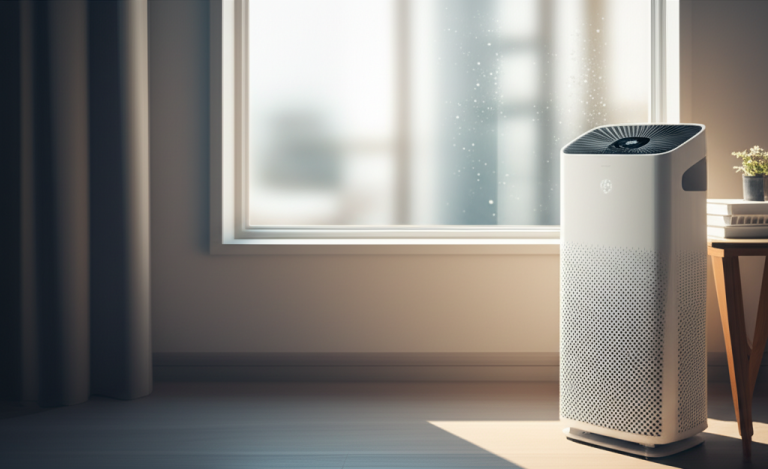
Do Air Purifiers Hold Water? Essential Guide

Do Air Purifiers Hold Water? Your Essential Guide to Preventing Condensation and Mold
No, air purifiers themselves do not hold water. However, specific types, like evaporative or ultrasonic humidifiers, do. If your air purifier seems to have water, it might be a misunderstanding of its function or a sign of condensation due to environmental factors or internal issues. This guide clarifies the difference and helps you identify and solve any water-related concerns.
Have you ever noticed condensation or a damp feeling around your air purifier and wondered, “Do air purifiers hold water?” It’s a common question, especially if you’re new to air purification or notice unusual moisture. Many people confuse air purifiers with humidifiers, which are designed to release water vapor into the air. Understanding the fundamental difference is key to maintaining a healthy home environment. This guide will demystify the process, explain why you might see water, and provide clear steps to address any concerns you might have. Let’s dive in and ensure your air purifier is working efficiently and safely.
Air Purifiers vs. Humidifiers: What’s the Difference?
Air purifiers are designed to clean the air by removing pollutants. Humidifiers, on the other hand, add moisture to the air. They achieve different goals and have distinct internal mechanisms.
The Core Function of an Air Purifier
An air purifier uses filters, such as HEPA and activated carbon, to trap particles like dust, pollen, pet dander, and odors. Its primary mission is to improve air quality by filtration, not by altering humidity levels.
How Humidifiers Add Moisture
Humidifiers work by evaporating water and releasing it as steam or mist. This process directly involves holding and dispensing water.
Why the Confusion Arises
The confusion often stems from the presence of fans and filters in both devices, leading some to believe they might share similar water-related functions. Recognizing their distinct purposes is the first step to understanding your appliance.
Can an Air Purifier Condense Water?
While an air purifier doesn’t intentionally hold water, condensation can occur under certain circumstances. This is usually a sign of external environmental conditions or a minor internal issue rather than a designed feature.
Understanding Condensation
Condensation happens when warm, moist air comes into contact with a cooler surface. If the air purifier’s casing or internal components become cooler than the surrounding air, moisture from the room can condense on them.
Environmental Factors Leading to Condensation
High indoor humidity levels, especially when combined with cooler appliance surfaces, can promote condensation. This is more likely in humid climates or during seasons with significant temperature shifts.
Potential Internal Causes for Moisture
Occasionally, a malfunctioning fan or a leak in a component could lead to internal moisture. However, this is rare and typically indicates a need for repair.
Signs Your Air Purifier Might Be Experiencing Condensation
Observing your air purifier for specific signs can help you identify if condensation is an issue. These indicators are usually subtle but important to notice for maintaining your device.
Visible Water Droplets or Puddles
The most obvious sign is seeing small water droplets on the exterior of the unit or even small puddles forming beneath it. This indicates a significant amount of condensation is occurring.
Dampness on the Casing
If the outside of your air purifier feels unusually damp or cool to the touch, condensation might be forming. This is often more noticeable around vents or seams.
Musty Odors
Persistent dampness can lead to the growth of mold or mildew, which will emit a musty smell. If your air purifier starts to smell musty, it’s a strong indicator of moisture buildup.
Troubleshooting Condensation Issues
If you suspect condensation is happening, several steps can help you troubleshoot and resolve the problem. Addressing it promptly prevents potential damage and mold growth.
Adjust Room Humidity Levels
Using a dehumidifier in rooms with consistently high humidity can significantly reduce condensation on any appliance. Aim for an ideal humidity range of 30-50%.
Ensure Proper Ventilation
Make sure your air purifier is placed in a well-ventilated area, away from sources of high moisture like bathrooms or kitchens. Proper airflow around the unit helps prevent temperature differences that cause condensation.
Check for Leaks and Damage
Inspect the air purifier for any visible signs of damage or leaks. If you find any, discontinue use and contact the manufacturer or a repair service.
The Role of Filters in Moisture Management
While air purifiers don’t hold water, their filters can play a role in how they interact with humidity. Some filters might absorb a small amount of moisture, but this is not their primary function.
HEPA Filters and Moisture
HEPA filters are designed to capture particulate matter. They are generally not affected by typical humidity levels, though extreme moisture could potentially degrade them over time.
Activated Carbon Filters and Odors
Activated carbon filters are porous and can absorb odors and gases. While they can absorb some volatile organic compounds (VOCs) that might be moisture-related, they do not hold significant amounts of water.
Pre-filters and Dust
Pre-filters capture larger particles like hair and dust. They are unlikely to be impacted by moisture unless the unit is in an exceptionally damp environment.
When to Consider a Humidifier Instead
If your concern is dry air rather than moisture, an air purifier won’t solve your problem. In such cases, a humidifier is the appropriate appliance to consider.
Benefits of Humidified Air
Humidifiers can alleviate dry skin, chapped lips, sinus congestion, and static electricity. They are particularly beneficial during dry winter months.
Choosing the Right Humidifier
There are several types of humidifiers, including cool mist, warm mist, ultrasonic, and evaporative. Each has its pros and cons depending on your needs and preferences.
Integrating Both Appliances
It’s perfectly safe and often beneficial to use an air purifier and a humidifier in the same room. Just ensure they are placed a reasonable distance apart to avoid interfering with each other’s function.
Maintenance Tips to Prevent Water Issues
Regular maintenance is crucial for keeping any appliance, including your air purifier, in optimal working condition and preventing unintended moisture problems.
Regular Filter Replacement
Always follow the manufacturer’s recommendations for filter replacement. Clogged filters can impede airflow, potentially contributing to temperature imbalances.
Cleaning the Exterior and Interior
Periodically wipe down the exterior of your air purifier with a dry or slightly damp cloth. If you open the unit for filter changes, check for any unusual dampness inside.
Proper Storage if Not in Use
If you need to store your air purifier, ensure it’s completely dry. Store it in a cool, dry place to prevent moisture buildup during storage.
Common Air Purifier Mistakes to Avoid
Making a few common mistakes can lead to issues with your air purifier, sometimes including unexpected moisture. Awareness can help you avoid these pitfalls.
Overlooking Placement Guidelines
Placing an air purifier too close to walls, furniture, or heat sources can restrict airflow. This can lead to the unit overheating or experiencing condensation.
Ignoring Manufacturer Instructions
Each air purifier model has specific operating and maintenance instructions. Deviating from these can cause problems, including potential moisture issues.
Using the Wrong Cleaning Products
Harsh chemicals can damage the components of your air purifier. Always use mild, recommended cleaning solutions.
Do Air Purifiers Work in Humid Environments?
Air purifiers can function in humid environments, but extreme humidity can present challenges. It’s important to manage the overall humidity of the room for optimal performance and to prevent issues like condensation.
Impact of High Humidity on Air Purifiers
Very high humidity can sometimes affect the lifespan of certain electronic components or filters. It also increases the likelihood of condensation forming on the unit.
Recommendations for Humid Climates
In humid climates, consider using your air purifier in conjunction with a dehumidifier to maintain a balanced environment. Ensure the air purifier is adequately ventilated.
Monitoring Performance
If you notice reduced performance or unusual noises during humid periods, it’s worth investigating for potential moisture-related issues.
Frequently Asked Questions About Air Purifiers and Water
Let’s address some of the most common questions people have about air purifiers and any potential water-related concerns.
Q1: If I see water, does it mean my air purifier is broken?
Not necessarily. Seeing condensation is often due to external environmental factors like high room humidity. However, if you see significant leaks or pooling water, it could indicate a malfunction and warrant a check.
Q2: Can I use an air purifier and a humidifier together?
Yes, you absolutely can. It’s common and often beneficial to use both. Just ensure they are placed a few feet apart to allow for proper air circulation for both devices.
Q3: How often should I clean my air purifier?
The frequency of cleaning depends on your model and environment. Generally, cleaning the exterior and checking filters monthly is a good practice, with filter replacements per manufacturer guidelines.
Q4: What is the ideal humidity level for my home?
The ideal indoor humidity level is typically between 30% and 50%. Levels below 30% can cause dryness, while levels above 50% can encourage mold and dust mite growth.
Q5: My air purifier smells musty. What should I do?
A musty smell usually indicates mold or mildew growth, often caused by dampness. Check the filters and internal components for moisture. Clean the unit thoroughly and ensure it’s completely dry before operating again.
Q6: Do air purifiers help with mold spores?
Yes, high-efficiency air purifiers with HEPA filters are very effective at capturing airborne mold spores, helping to improve indoor air quality and reduce the spread of mold.
Conclusion: Keeping Your Air Purifier Dry and Effective
In summary, the answer to “do air purifiers hold water?” is a definitive no. Air purifiers are designed for filtration, not for holding or releasing water. Any water you encounter around your unit is likely condensation due to environmental conditions or a rare mechanical issue. By understanding the difference between air purifiers and humidifiers, monitoring for signs of condensation, and performing regular maintenance, you can ensure your air purifier operates efficiently and safely. Addressing any moisture concerns promptly will protect your investment and contribute to a healthier home environment. Keep your air purifier clean, well-ventilated, and in its optimal operating environment for the best results.