Can You Vacuum Dyson Air Purifier Filter? Essential Guide

Yes, you can vacuum your Dyson air purifier filter, but only specific parts and with the right technique to avoid damage and ensure optimal performance. This guide will walk you through the essential steps for safely cleaning your Dyson filter using a vacuum cleaner.
Dyson air purifiers are fantastic at keeping our homes clean and healthy. A common question that arises is about maintenance: can you vacuum Dyson air purifier filter components? It’s a natural thought, as vacuuming is a go-to for cleaning many household items. However, with sophisticated air purification technology, especially with a premium brand like Dyson, you need to be precise. This guide will break down exactly how to safely and effectively vacuum your Dyson air purifier filter, ensuring it continues to perform at its best. Let’s dive into the details so you can keep your air crisp and clean.
Understanding Your Dyson Air Purifier Filter Components
Dyson air purifiers typically feature a multi-layered filtration system designed to capture a wide range of pollutants. The main components usually include a HEPA filter and an activated carbon filter, often combined into a single unit or two separate, cylindrical filters. Understanding the construction of these filters is crucial before you even think about vacuuming them. These are not just simple fabric bags; they are intricate structures engineered for maximum air filtration efficiency.
HEPA Filter Layers
The HEPA (High-Efficiency Particulate Air) filter is responsible for trapping microscopic particles like dust, pollen, pet dander, and mold spores. It’s made of a dense mat of fine fibers, arranged in a pleated pattern to maximize surface area. This intricate design is what allows it to capture such tiny particles, but it also means it can be delicate. Gentle handling is key to preserving its structure and filtering capabilities.
Activated Carbon Filter
The activated carbon filter works by adsorbing gases and odors from the air. It’s composed of porous carbon material, which has a vast internal surface area perfect for trapping volatile organic compounds (VOCs), smoke, and cooking smells. While more robust than the HEPA fibers, the carbon granules can still be dislodged or damaged if treated too roughly.
Can You Vacuum Dyson Air Purifier Filter? The Short Answer
Yes, you can vacuum specific parts of your Dyson air purifier filter, primarily the outer mesh or pre-filter layers, to remove larger dust and debris. However, you must be extremely careful not to damage the delicate HEPA and carbon filter media. Aggressive vacuuming can compromise the filter’s integrity, reducing its effectiveness. Always consult your Dyson manual for specific instructions tailored to your model. This careful approach ensures longevity and optimal performance.
When Vacuuming is Recommended
Vacuuming your Dyson filter is generally recommended as a way to extend its lifespan between full replacements. It helps to remove the larger particles that accumulate on the surface, preventing them from clogging the finer filtration layers prematurely. This is particularly useful if you live in a dusty environment or have pets. Regular, gentle vacuuming can make a noticeable difference.
When to Avoid Vacuuming
You should avoid vacuuming the internal components of the HEPA or carbon filter media directly. If the filter appears heavily soiled, clogged, or has a persistent odor that vacuuming won’t resolve, it’s likely time for a replacement. Trying to force a dirty filter to work longer through aggressive cleaning can lead to reduced air quality, not improved. Always prioritize replacement when necessary.
How to Safely Vacuum Your Dyson Air Purifier Filter
Vacuuming your Dyson air purifier filter requires a gentle touch and the right tools. The goal is to remove surface dust without compressing or tearing the filter material. This process is designed to be a light cleaning, not a deep scrub. By following these steps, you can effectively clean your filter and maintain its performance.
Step 1: Power Down and Disassemble
First, ensure your Dyson air purifier is switched off and unplugged from the power source. This is a critical safety step to prevent any accidental activation or electrical hazards. Once powered down, carefully remove the filter unit from the main body of the purifier according to your Dyson model’s instructions. Typically, this involves twisting or unlatching a cover.
Step 2: Identify Removable Sections
Examine the filter unit. Most Dyson filters have an outer mesh or a coarser layer designed to catch larger debris. This is the primary area that can be safely vacuumed. Avoid touching or attempting to vacuum the densely packed, pleated HEPA material or the carbon granules within. If your filter has distinct sections, focus only on the most accessible, outer layer.
Step 3: Select the Right Vacuum Attachment
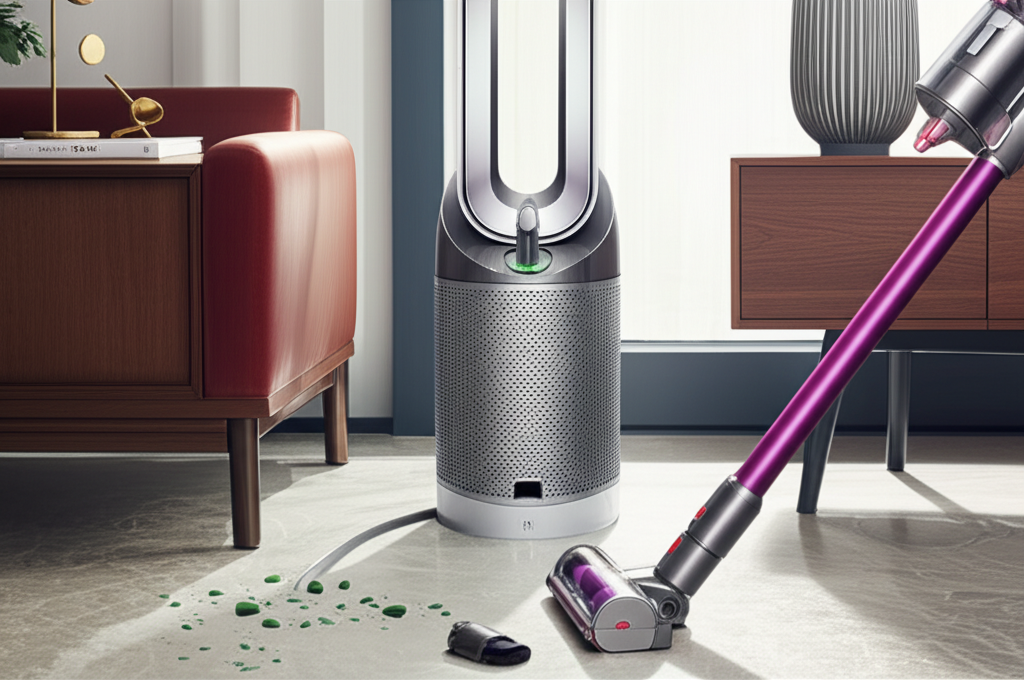
Use a soft brush attachment or the upholstery tool on your vacuum cleaner. These attachments are designed for delicate surfaces and will minimize the risk of damage. Avoid using the direct suction nozzle or any attachments with stiff bristles, as these can easily harm the filter media. A gentle approach is paramount here.
Step 4: Gentle Vacuuming Technique
Hold the vacuum attachment a short distance away from the filter surface, and use a light, sweeping motion. Do not press down firmly or scrub. Focus on removing loose dust and debris from the outer surface. Work your way around the entire filter, paying attention to any visible accumulation. A light pass is all that’s needed.
Step 5: Reassemble and Resume
Once you have gently vacuumed the accessible parts of the filter, carefully reassemble the unit back into your Dyson air purifier. Ensure it is securely in place. Plug in your purifier and turn it back on. You should notice a slight improvement in airflow if the filter was indeed clogged with surface dust. Remember to monitor your air quality indicator.
Tools You’ll Need for Filter Cleaning
To safely vacuum your Dyson air purifier filter, a few simple tools will suffice. The key is to use items that are gentle and won’t cause damage. Having the right attachments on hand makes the process straightforward and effective. Here’s what you’ll need:
- Vacuum Cleaner: Your household vacuum cleaner.
- Soft Brush Attachment: A crucial tool for gentle surface cleaning.
- Upholstery Tool: Another good option for delicate surfaces.
- Dyson Air Purifier Manual: For model-specific disassembly and reassembly instructions.
Having these items readily available ensures you can perform the cleaning efficiently and safely. It’s always better to be prepared before you start.
Common Mistakes to Avoid When Vacuuming Dyson Filters
While vacuuming can help, certain actions can inadvertently damage your Dyson air purifier filter. Being aware of these common pitfalls is essential for maintaining the filter’s effectiveness and longevity. Avoiding these mistakes will save you money and ensure better air quality.
Over-Aggressive Vacuuming
Scrubbing or pressing the vacuum nozzle too hard can tear the delicate HEPA fibers or dislodge the carbon granules. This compromises the filter’s ability to capture fine particles and gases. Always use a light, sweeping motion. A gentle touch is key to preserving the filter’s integrity.
Vacuuming the Entire Filter
Attempting to vacuum the entire filter, including the tightly packed HEPA media and carbon bed, is a mistake. These layers are not designed for direct vacuuming and can be permanently damaged. Focus solely on the outer, coarser pre-filter layers if present. Aggressive cleaning here is counterproductive.
Using Harsh Attachments
Avoid using vacuum attachments with stiff bristles or sharp edges. These can scratch, tear, or compress the filter material. Stick to soft brush or upholstery attachments for a safe cleaning experience. The right tool makes all the difference.
Ignoring the Manual
Each Dyson model might have slight variations in filter design and disassembly. Ignoring your specific user manual can lead to incorrect handling or accidental damage. Always refer to the official instructions for your Dyson unit. It’s your best resource.
Alternative Cleaning Methods and When to Replace
While vacuuming is a useful maintenance step, it’s not the only way to care for your Dyson filter, nor is it a permanent solution. Understanding when to use other methods or opt for a replacement is vital for optimal air purification. Sometimes, a deeper clean or a fresh filter is the best course of action.
Washing Filters? A Strict No-No
It is crucial to understand that Dyson air purifier filters are generally not washable. Water can damage the HEPA media, cause mold or mildew growth, and ruin the activated carbon’s adsorptive properties. Never attempt to wash your Dyson HEPA or carbon filters. This will permanently destroy their functionality.
The Importance of Replacement Schedules
Dyson recommends specific replacement intervals for their filters, typically every 6-12 months depending on usage and environmental conditions. These recommendations are based on the filter’s lifespan and performance degradation. Ignoring these schedules means you are breathing air that is not being purified effectively. Always check your Dyson manual for exact timings.
Signs Your Filter Needs Replacing
Beyond the recommended schedule, there are tell-tale signs that indicate it’s time for a new filter. These include a noticeable drop in airflow from the purifier, persistent odors that the unit can no longer eliminate, or if the Dyson app or the unit itself displays a filter replacement alert. These are clear indicators that the filter is no longer performing its job. Pay attention to these signals.
Dyson Filter Lifespan and Factors Affecting It
The lifespan of your Dyson air purifier filter isn’t fixed; it’s influenced by several environmental and usage factors. Understanding these can help you better predict when you might need replacements and how often gentle vacuuming can help. Managing these factors can extend the effective life of your filters.
Air Quality and Pollution Levels
If you live in an area with high levels of air pollution, dust, or allergens, your filter will work harder and clog faster. Similarly, if you frequently use your purifier in rooms with significant sources of indoor pollution (e.g., smoking, cooking fumes, pet dander), the filter will degrade more quickly. High-demand environments shorten filter life.
Usage Frequency and Settings
Running your Dyson air purifier on higher fan speeds or continuously will naturally lead to more wear and tear on the filters compared to intermittent use or lower settings. The more air it processes, the more pollutants it captures, and the faster the filter reaches its saturation point. Consistent, high-speed operation increases filter load.
Maintenance Habits
Regular, gentle vacuuming of the outer filter layers can help remove larger debris, preventing it from prematurely clogging the finer HEPA and carbon elements. This simple maintenance can contribute to a longer overall filter lifespan. Consistent care yields better results.
Comparing Vacuuming vs. Replacement
Deciding whether to vacuum your Dyson filter or replace it entirely depends on its condition and your specific needs. Vacuuming offers a temporary solution to extend a filter’s life, while replacement ensures peak performance. Understanding this balance is key to efficient air purification.
Vacuuming: A Temporary Measure
Vacuuming is an excellent way to remove surface dust and debris, which can improve airflow and prolong the filter’s effective operational period. It’s a cost-effective way to maintain performance between full replacements. Think of it as a light tune-up for your filter.
Replacement: The Ultimate Solution
However, vacuuming cannot restore a filter that is saturated with microscopic particles or has adsorbed its maximum capacity of gases and odors. Eventually, the filter media becomes overwhelmed, and its filtering efficiency drops significantly. Replacement is the only way to guarantee optimal air purification performance. This is a necessary investment for your health.
Cost-Effectiveness Analysis
While replacement filters represent an ongoing cost, they are essential for the purifier’s function. Vacuuming can help you get the most out of your current filter, potentially delaying the need for an expensive replacement by a few weeks or months. It’s a strategy to maximize value, but not a substitute for eventual replacement.
Dyson’s Official Stance on Filter Cleaning
Dyson’s official guidance is paramount when it comes to maintaining their products. They design their filters for optimal performance and longevity when used as intended. Understanding their recommendations ensures you are caring for your device correctly and not voiding any warranties. It’s always best to adhere to manufacturer advice.
What Dyson Recommends
Dyson typically advises users to replace their filters at recommended intervals, usually detailed in the product manual or within the Dyson Link app. They do not generally endorse or recommend vacuuming the internal filter media, as it can compromise the filter’s integrity. Their focus is on the efficiency of the sealed filtration system. Dyson emphasizes replacement for sustained performance.
Why They Advise Replacement
The sealed system of Dyson purifiers is designed to ensure that all air passes through the filters. The HEPA and carbon filters are engineered to capture extremely fine particles and gases. Once these filters are saturated or their media is damaged, their ability to perform this critical function is diminished. Dyson’s advice prioritizes guaranteed filtration quality. Replacing the filter ensures the system’s effectiveness.
Checking Your Specific Model’s Manual
It is always best to consult the user manual specific to your Dyson air purifier model. Manuals provide precise instructions on filter maintenance, replacement schedules, and any specific cleaning advice applicable to your unit. This ensures you are following the manufacturer’s guidelines precisely. Your manual is the definitive guide.
Frequently Asked Questions (FAQ)
Can I use a handheld vacuum to clean my Dyson air purifier filter?
Yes, a handheld vacuum can be used, but only with a soft brush attachment and a gentle technique. The key is to remove surface dust without damaging the filter media. Avoid direct suction or stiff bristles.
How often should I vacuum my Dyson air purifier filter?
You can gently vacuum the accessible outer layers of your Dyson filter every 2-4 weeks as part of your regular cleaning routine. This helps remove larger particles and extend its life between replacements. Frequency depends on your home environment.
Will vacuuming my Dyson filter improve its performance?
Gently vacuuming surface dust can improve airflow and slightly boost performance by preventing premature clogging. However, it cannot restore a filter that is saturated or has reached the end of its lifespan. It’s a maintenance step, not a cure-all.
What happens if I damage my Dyson filter while vacuuming?
If you damage the filter’s HEPA media or carbon structure, its ability to capture pollutants will be compromised. This can lead to reduced air quality and may require immediate replacement. Handle with extreme care to avoid this.
Is it safe to vacuum the activated carbon part of the filter?
No, it is generally not recommended to vacuum the activated carbon directly. The carbon granules can be dislodged, and the process might damage the porous structure needed for adsorption. Focus only on the outermost pre-filter layer if applicable.
When is it definitely time to replace my Dyson filter, even if I vacuum it?
You must replace your Dyson filter when the unit or app indicates it, if you notice a significant decrease in airflow, or if persistent odors remain even after cleaning. These are signs the filter is saturated and beyond simple vacuuming maintenance. Replacement is then essential.
Conclusion: The Smart Approach to Dyson Filter Care
So, can you vacuum Dyson air purifier filter components? The answer is a nuanced yes, with significant caveats. You can gently vacuum the outer layers of some Dyson filters to remove accumulated dust and debris, which can help extend their lifespan and maintain better airflow. However, it is absolutely critical to use a soft brush attachment, employ a light touch, and avoid vacuuming the delicate HEPA or activated carbon media directly. Overly aggressive cleaning or attempting to vacuum the entire filter can cause irreparable damage, diminishing its effectiveness and potentially leading to a premature need for replacement. Always prioritize consulting your Dyson model’s manual for specific instructions and adhere to the recommended filter replacement schedule. While vacuuming is a useful supplementary maintenance task, it is not a substitute for eventual filter replacement. By understanding these guidelines, you can effectively care for your Dyson air purifier, ensuring it continues to deliver clean, healthy air to your home for years to come.