Can You Vacuum Air Purifier: Genius Essential Guide

Yes, you can vacuum certain parts of an air purifier, specifically the pre-filters and exterior casing, to maintain its efficiency and longevity. This guide explains how to do it safely and effectively without damaging the unit.
Can you vacuum an air purifier? It’s a question many of us ponder as we strive for cleaner air at home. Dust and debris inevitably accumulate on our air purifiers, and the thought of a quick vacuum session seems like a logical solution. But is it safe? This guide will demystify the process, offering clear, step-by-step instructions to help you clean your air purifier effectively and safely, ensuring it continues to run optimally. Let’s explore how to keep your air purifier in top shape without causing any harm.
Understanding Your Air Purifier’s Components
Before we grab the vacuum, it’s crucial to understand what we’re dealing with. Air purifiers are designed with different layers and components, each playing a vital role in filtering your air. Not all parts are created equal when it comes to cleaning methods, and knowing the difference is key to avoiding damage.
The Role of Pre-Filters
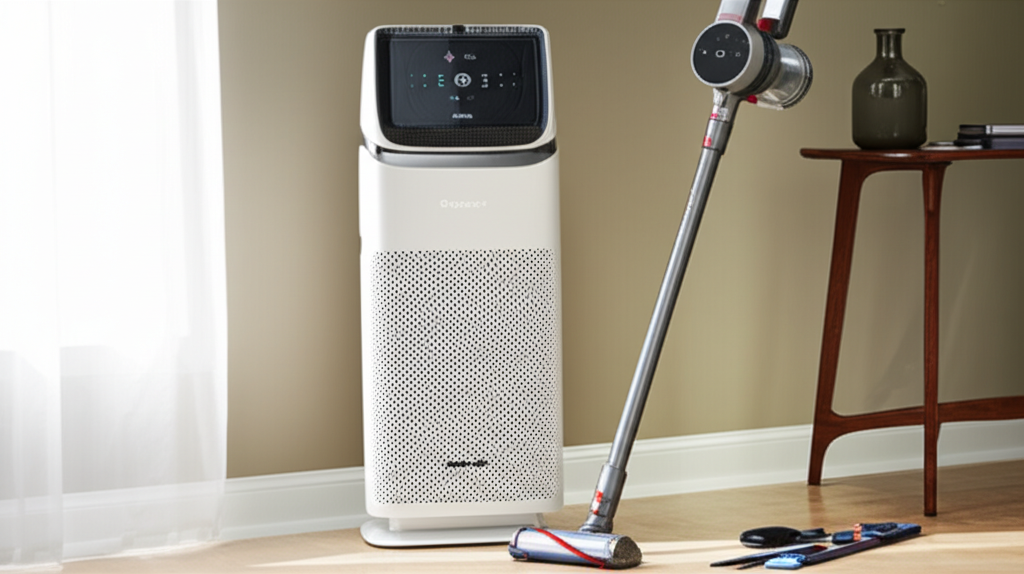
Pre-filters are typically the first line of defense, capturing larger particles like dust, hair, and pet dander. They are often made of a mesh-like material, designed to be washable or vacuumable. Regularly cleaning the pre-filter is essential for extending the life of your HEPA and activated carbon filters.
HEPA and Activated Carbon Filters: Handle with Care
True HEPA filters and activated carbon filters are the workhorses of your air purifier, trapping microscopic allergens, pollutants, and odors. These filters are delicate and are not designed to be vacuumed directly. Applying suction can damage their fine structure, rendering them ineffective.
Exterior Casing and Vents
The outer shell and air intake/output vents of your air purifier also collect dust. These surfaces are generally safe to clean with a vacuum cleaner, provided you use the right attachments and settings. This helps prevent dust from recirculating back into your living space.
Can You Vacuum an Air Purifier? The Short Answer
The direct answer to “can you vacuum air purifier” components is a qualified yes. You can safely vacuum the external surfaces and, most importantly, the pre-filter of most air purifiers. However, it’s imperative to avoid vacuuming the main HEPA or activated carbon filters, as this can severely compromise their performance.
Always consult your air purifier’s manual for specific cleaning instructions. Manufacturers provide detailed guidance tailored to their models, ensuring you maintain optimal performance and warranty coverage. Following these guidelines is the best way to ensure you’re cleaning your device correctly.
Step-by-Step Guide: Vacuuming Your Air Purifier Safely
Ready to give your air purifier a much-needed clean? Follow these steps meticulously to ensure a safe and effective vacuuming process. Remember, gentle is key when dealing with any electronic device.
Step 1: Power Down and Unplug
Safety first! Always ensure your air purifier is completely powered off and unplugged from the wall socket before you begin any cleaning. This prevents accidental activation and electrical hazards. A moment of caution can save you from a costly mistake.
Step 2: Disassemble Gently
Carefully open your air purifier according to the manufacturer’s instructions. This usually involves removing the outer casing or filter cover. Lay out the components in a way that’s easy to access and reassemble later.
Step 3: Vacuum the Pre-Filter
This is where vacuuming is beneficial. Use a brush attachment on your vacuum cleaner and set it to a low suction setting. Gently go over the pre-filter, removing accumulated dust and debris. Avoid pressing too hard, which could stretch or tear the mesh.
Step 4: Clean the Exterior and Vents
Use the brush attachment or a crevice tool on a low setting to clean the exterior casing and the air intake and output vents. This removes dust that could otherwise be recirculated. A clean exterior also contributes to the overall aesthetic of your home.
Step 5: Reassemble and Power On
Once all accessible parts are clean, carefully reassemble your air purifier. Ensure all components are properly aligned and secured. Plug it back in and turn it on to enjoy cleaner air.
What NOT to Vacuum on Your Air Purifier
Understanding what not to vacuum is just as important as knowing what you can. Incorrect cleaning can lead to permanent damage and reduced effectiveness. Always err on the side of caution with delicate filter media.
HEPA Filter Warning
Never vacuum a HEPA filter. Its dense, fibrous material is designed to trap microscopic particles. Vacuuming can clog the pores, reduce airflow, and damage the filter’s structure, making it less efficient.
Activated Carbon Filter Caution
Similarly, activated carbon filters should not be vacuumed. These filters contain porous carbon granules that adsorb odors and VOCs. Vacuuming can dislodge these granules or damage the material, diminishing their adsorptive capacity.
Electronic Components and Motor
Avoid vacuuming any visible electronic components, circuit boards, or the motor housing. These are sensitive parts that can be damaged by static electricity or physical contact from vacuum attachments.
When to Consider Replacing Filters Instead of Vacuuming
While vacuuming can extend the life of your pre-filter, there comes a time when replacement is necessary for all filters. Knowing these signs ensures your air purifier continues to perform at its best. Replacing filters is a routine maintenance task.
Pre-Filter Lifespan
Even with regular vacuuming, pre-filters can become worn or permanently clogged over time. Check your manual for recommended replacement intervals, typically every 6-12 months depending on usage and air quality.
HEPA and Carbon Filter Replacement
HEPA and activated carbon filters have a finite lifespan and cannot be cleaned effectively. They typically need replacement every 6-12 months, or when you notice a decrease in air quality or the unit’s performance. Many purifiers have indicator lights to signal when it’s time for a change.
Signs of Filter Degradation
Look for signs like reduced airflow, persistent odors that the purifier no longer removes, or visible damage to the filters. These are clear indicators that replacement is due, regardless of cleaning efforts.
Alternative Cleaning Methods for Air Purifiers
Beyond vacuuming, other gentle methods can help keep your air purifier clean and functioning. These methods are ideal for parts that shouldn’t be exposed to direct suction or for a more thorough clean.
Damp Cloth Wipe-Down
For the exterior casing and some washable pre-filters, a slightly damp (not wet) microfiber cloth is excellent. Wipe down surfaces to remove dust and fingerprints. Ensure the unit is unplugged and dry before reassembly.
Compressed Air for Vents
For hard-to-reach vents and internal areas (after removing filters), a can of compressed air can be very effective. Use short bursts from a safe distance to dislodge dust without damaging components.
Gentle Brushing
A soft-bristled brush can be used to gently dislodge dust from surfaces before wiping or vacuuming. This is particularly useful for intricate designs or areas where a vacuum attachment might be too large.
Benefits of Regular Air Purifier Maintenance
Consistent maintenance of your air purifier offers significant advantages, directly impacting your home’s air quality and your investment’s longevity. It’s a simple habit with profound benefits.
Improved Air Quality
A clean air purifier filters air more effectively, removing allergens, pollutants, and odors, leading to a healthier indoor environment. This is the primary reason you invested in the device.
Extended Lifespan of the Unit
Regular cleaning and filter replacement prevent strain on the motor and other components, extending the overall operational life of your air purifier. This protects your investment.
Energy Efficiency
A clean unit with clear airflow pathways requires less energy to operate efficiently. Dust buildup can make the motor work harder, consuming more electricity.
Cost Savings
By maintaining your air purifier properly, you can avoid premature filter replacement and costly repairs, saving money in the long run. It’s about maximizing the value you get.
Top Air Purifier Brands and Their Cleaning Recommendations
Different brands may have slightly varied recommendations for cleaning. While the general principles remain the same, it’s always best to check the specific guidelines for your model. Knowing your brand’s advice is crucial.
| Brand Name | Pre-Filter Cleaning | HEPA/Carbon Filter Cleaning | Exterior Cleaning |
|—————–|———————|—————————–|——————-|
| Coway | Vacuum or wash | Do NOT vacuum/wash | Damp cloth |
| Levoit | Vacuum or wash | Do NOT vacuum/wash | Damp cloth |
| Dyson | Vacuum or wash | Do NOT vacuum/wash | Damp cloth |
| Blueair | Vacuum or wash | Do NOT vacuum/wash | Damp cloth |
| Winix | Vacuum or wash | Do NOT vacuum/wash | Damp cloth |
This table provides a general overview. Always refer to your specific product manual for the most accurate information.
Common Mistakes to Avoid When Cleaning Air Purifiers
Even with the best intentions, it’s easy to make mistakes that could harm your air purifier. Being aware of these pitfalls can help you maintain your device correctly. Avoiding these errors ensures your purifier functions as intended.
Using Harsh Chemicals
Avoid using abrasive cleaners, solvents, or harsh chemicals on any part of your air purifier. These can damage plastic components, discolor surfaces, or leave behind fumes that the purifier might then circulate.
Submerging Components in Water
Never submerge the main unit, motor, or electronic parts in water. Even washable pre-filters should be allowed to dry completely before being reinstalled. Moisture is the enemy of electronics.
Forgetting to Unplug
As mentioned, always unplug the unit before cleaning. This is a fundamental safety step that should never be overlooked. It protects both you and the appliance.
Frequently Asked Questions (FAQ)
Here are answers to some common questions about vacuuming and cleaning air purifiers. This section aims to address any lingering doubts you might have.
Can I vacuum my air purifier’s HEPA filter?
No, you should never vacuum a HEPA filter. Its delicate fibers can be damaged, reducing its ability to trap pollutants effectively.
How often should I clean my air purifier’s pre-filter?
It’s generally recommended to clean the pre-filter every 2-4 weeks, or more often if you have pets or live in a dusty environment. This ensures optimal airflow.
Can I wash my air purifier’s filters?
Some pre-filters are washable, but HEPA and activated carbon filters are not. Always check your user manual for specific instructions on filter maintenance.
What should I do if my air purifier smells musty?
A musty smell often indicates that the filters, particularly the activated carbon filter, are saturated and need replacement. Ensure all filters are correctly installed and dry.
Is it okay to vacuum the outside of my air purifier?
Yes, you can vacuum the exterior casing and vents using a soft brush attachment on a low suction setting. This helps keep the unit clean and prevents dust from spreading.
Can compressed air be used to clean air purifier filters?
Compressed air is best used for cleaning vents and inaccessible areas, not for cleaning the filter media itself, as it can damage the filter structure.
Conclusion: Keeping Your Air Purifier Pristine
So, can you vacuum an air purifier? Yes, but with specific limitations. You can safely vacuum the exterior casing and the pre-filter, using a soft brush attachment on a low suction setting. This is a vital part of routine maintenance that helps your air purifier perform at its peak. Remember, the HEPA and activated carbon filters are delicate and should never be subjected to vacuuming; they require replacement at recommended intervals. By following these guidelines, you ensure your air purifier continues to provide you with clean, fresh air, safeguarding your health and extending the life of your appliance. Keep your air purifier clean, and it will keep your air clean in return.