Can We Wash Air Purifier Filter? Proven Savings

Yes, you can wash some air purifier filters, but not all. Understanding which filters are washable and the proper cleaning methods can significantly extend their lifespan and save you money on replacements. This guide explores the nuances of washing air purifier filters, offering proven savings and practical advice.
Sure, you’ve invested in an air purifier for cleaner air, but now you’re faced with a recurring cost: replacement filters. A common question pops into mind: “Can we wash air purifier filter?” It’s a natural thought, especially when you see how dirty they get. The good news is that some filters can indeed be washed, potentially saving you money. Let’s dive into whether your air purifier filter is washable and how to do it right.
Can We Wash Air Purifier Filter? The Definitive Answer
The short answer to “Can we wash air purifier filter?” is a conditional yes. It heavily depends on the type of filter your air purifier uses. Not all filters are designed to be cleaned with water; attempting to wash certain types can damage them, rendering them ineffective and costing you more in the long run. Understanding the specific filter material is crucial before you grab a sponge.
Understanding Your Air Purifier’s Filter Types
Air purifiers typically employ a multi-stage filtration system. The most common filters include pre-filters, HEPA filters, activated carbon filters, and sometimes specialized filters like UV-C or ionizers. Each plays a distinct role in capturing pollutants, and their washability varies greatly. Identifying these components is your first step towards potential savings.
The Role of Pre-Filters
Pre-filters are usually the first line of defense, capturing larger particles like dust, hair, and pet dander. They are often made of a mesh or foam material. Because they catch the big stuff, they tend to get dirty quickly.
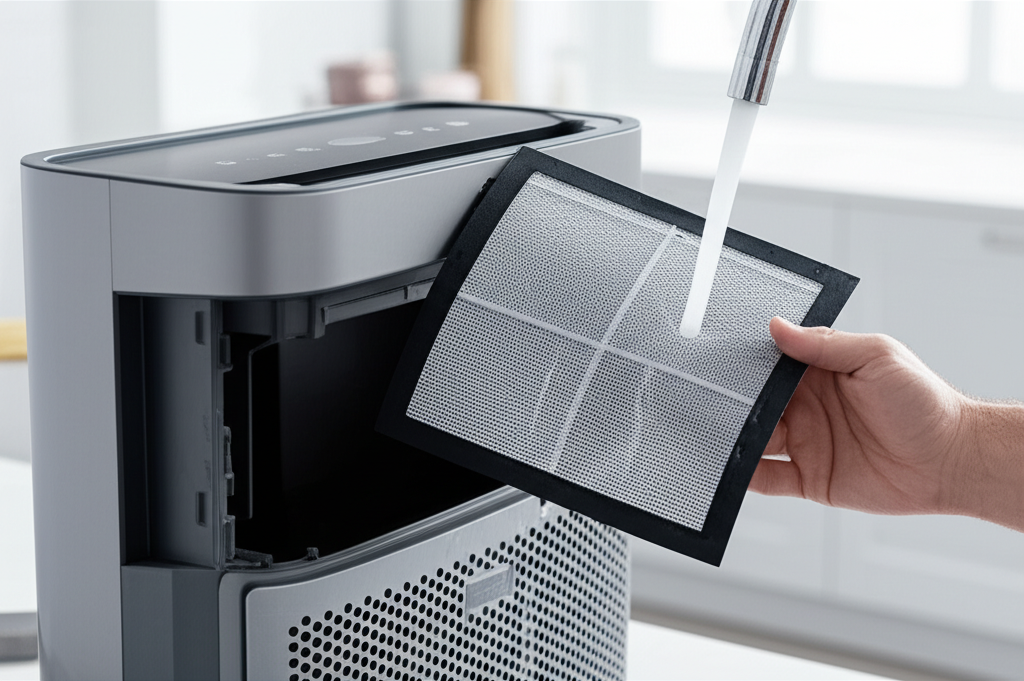
Washability: Most pre-filters are designed to be washable. This is where you’ll find the most straightforward “yes” to “can we wash air purifier filter?”
Cleaning Method: Gently rinse under cool running water or vacuum them thoroughly.
Importance: Cleaning the pre-filter protects the more sensitive filters downstream, extending their overall lifespan.
HEPA Filters: The Big Question
High-Efficiency Particulate Air (HEPA) filters are the workhorses for capturing fine particles like pollen, mold spores, bacteria, and viruses. They are made of densely packed fibers. The effectiveness of a HEPA filter relies on the integrity of these fibers.
Washability: Generally, no. Most true HEPA filters are NOT washable. Water can damage the delicate fiber structure, compromising their ability to trap microscopic particles.
Cleaning Method: The recommended method for HEPA filters is vacuuming them gently with a soft brush attachment.
Why Not Wash? Washing a HEPA filter can create pathways for air to bypass the filtering material, reducing its efficiency and potentially allowing pollutants to escape back into your air.
Activated Carbon Filters: Porosity is Key
Activated carbon filters are designed to absorb odors, gases, and volatile organic compounds (VOCs). They achieve this through a highly porous structure. The porous nature is key to their function, and also to whether they can be cleaned.
Washability: Typically, no. While activated carbon is porous, washing it with water can clog these pores with dust and debris, significantly reducing its absorption capacity.
Cleaning Method: Activated carbon filters are usually replaced when their odor-absorbing capabilities diminish. Some manufacturers suggest gentle vacuuming, but this is often less effective than replacement.
Regeneration: Some specialized carbon filters might offer a “regeneration” process through heating, but this is rare for standard home units.
Specialized Filters and Components
Beyond the main filters, some air purifiers include specialized features. These might include UV-C lights, ionizers, or photocatalytic oxidation (PCO) cells.
UV-C Lights: The bulb itself may need occasional dusting, but it’s not a “washable” component in the filter sense.
Ionizers: These produce ions and can sometimes lead to a build-up of dust on the emitter points, which might be wiped clean with a damp cloth.
PCO Cells: These often involve a mesh coated with a catalyst (like titanium dioxide). While the mesh might be rinseable, the catalyst’s effectiveness can be reduced by washing. Always consult your manufacturer’s guide.
The Proven Savings: When Washing Pays Off
The most significant savings come from washable pre-filters. By cleaning your pre-filter regularly, you prevent finer particles from reaching and clogging your HEPA and carbon filters prematurely. This extends the life of these more expensive replacement filters.
Extended HEPA Filter Life: A clean pre-filter means your HEPA filter faces less particulate load, potentially lasting longer than the manufacturer’s recommended replacement schedule.
Reduced Carbon Filter Load: Similarly, fewer particles reaching the carbon filter means it can absorb odors for a longer period.
Overall Cost Reduction: If you can extend the life of your HEPA and carbon filters by even a few months each, the savings can be substantial over the year. For example, if HEPA filters cost $50 each and you can make them last an extra 3 months, you save $100 annually.
How to Properly Wash Air Purifier Filters (If Applicable)
If your air purifier has washable filters (primarily pre-filters), follow these steps carefully. Always refer to your air purifier’s manual for specific instructions, as materials and designs can vary between brands like Coway, Blueair, and Levoit.
Tools You Might Need:
Soft brush attachment for your vacuum cleaner
Mild dish soap (optional, for very grimy pre-filters)
Clean, lint-free cloths
A sink or basin
Step-by-Step Washing Guide:
1. Safety First: Always unplug your air purifier before attempting any maintenance.
2. Access the Filter: Open the air purifier unit according to your manual’s instructions to access the filters.
3. Identify Washable Filters: Carefully remove all filters. The pre-filter is usually the outermost layer and often looks like a mesh screen or a thin sheet.
4. Gentle Rinsing: For washable pre-filters (mesh or foam), rinse them under cool, running tap water. Avoid hot water, as it can warp some materials.
5. Mild Soap (Optional): If the pre-filter is very dirty, you can use a tiny amount of mild dish soap. Gently work it into the material with your fingers. Rinse thoroughly to remove all soap residue.
6. Shake Off Excess Water: Gently shake the filter to remove as much water as possible.
7. Air Dry Completely: This is the most critical step. Place the filter in a well-ventilated area and let it air dry completely. Do NOT use heat, such as a hairdryer, as this can damage the filter material. Ensure no moisture remains, as this can lead to mold growth.
8. Reassemble: Once the filter is bone dry, carefully reinsert it into your air purifier.
What to Avoid When Cleaning Air Purifier Filters
Mistakes during cleaning can be costly. Understanding what not to do is as important as knowing what to do. Improper cleaning can damage filters, reduce their effectiveness, and even harm your air purifier.
Never use hot water: This can warp or melt plastic components and damage filter media.
Avoid harsh detergents or chemicals: These can degrade filter materials and leave behind harmful residues.
Do not put washable filters in a dishwasher or washing machine: The agitation and heat are too aggressive.
Never reinsert a damp filter: This is a breeding ground for mold and bacteria.
Don’t wash HEPA or activated carbon filters: As discussed, this will ruin their filtering capabilities.
Can You Vacuum Air Purifier Filters?
Vacuuming is a safe and recommended cleaning method for many air purifier filters, especially HEPA filters. Using a vacuum with a soft brush attachment allows you to remove accumulated dust and debris from the surface of the filter without damaging its delicate structure.
HEPA Filters: Gentle vacuuming can help dislodge surface dust, prolonging their effective lifespan.
Pre-filters: Vacuuming is an excellent first step to remove loose debris before a more thorough rinse, if needed.
Activated Carbon Filters: While you can vacuum the surface, it won’t restore the odor-absorbing capacity.
When is it Time to Replace, Not Wash?
Even with regular cleaning, filters have a finite lifespan. Washing can extend their usability, but it won’t make them last forever. Knowing when to replace is key to maintaining optimal air quality.
HEPA Filters: Typically need replacement every 6-12 months, depending on usage and air quality. If you notice a significant drop in air intake or the filter looks visibly damaged or heavily soiled even after vacuuming, it’s time for a new one.
Activated Carbon Filters: Their lifespan is measured more by their odor-absorbing capacity than visible dirt. If you notice persistent odors that the purifier no longer tackles, the carbon filter is likely exhausted.
Washable Pre-filters: While washable, if the mesh becomes torn, stretched, or permanently discolored, it’s best to replace it to ensure it continues to protect the inner filters effectively.
Factors Affecting Filter Lifespan and Cleaning Frequency
Several factors influence how often you need to clean or replace your air purifier filters. Understanding these can help you optimize your maintenance schedule and maximize savings.
Air Quality: Homes with pets, smokers, or high levels of outdoor pollution will require more frequent filter cleaning and replacement.
Usage Hours: The more your air purifier runs, the faster the filters will accumulate particles.
Room Size: Running a purifier in a larger room than recommended can strain the filters.
Allergy Seasons: During peak allergy seasons (pollen, etc.), filters will capture more particles.
Expert Tips for Maximizing Filter Life and Savings
As someone who has navigated the world of air purifiers, I’ve learned a few tricks to keep them running efficiently and save money. It’s all about smart maintenance and understanding what your machine needs.
Regularly Clean Pre-Filters: Make this a routine, perhaps weekly or bi-weekly, depending on your environment. This is your primary saving strategy.
Vacuum HEPA Filters: Gently vacuum your HEPA filter monthly. This simple step can extend its life significantly.
Monitor Airflow: If you notice reduced airflow from your purifier, it’s a sign the filters are clogged and need attention, either cleaning or replacement.
Use Genuine Replacement Parts: While aftermarket filters might seem cheaper, they can sometimes be less effective or even damage your unit. Stick to manufacturer-recommended filters for best performance and longevity. Many brands like Honeywell and Dyson offer specific filter types.
Consider a Smart Air Purifier: Some advanced models have filter life indicators that alert you precisely when a filter needs attention, preventing premature replacement or neglected maintenance.
Common Misconceptions About Washing Air Purifier Filters
There’s a lot of conflicting information out there. Let’s clear up some common myths regarding “can we wash air purifier filter?”
Myth: All air purifier filters can be washed. Reality: Only pre-filters are typically washable. HEPA and carbon filters are not.
Myth: Washing a HEPA filter makes it like new. Reality: Washing damages the HEPA filter’s structure, reducing its effectiveness.
Myth: Air purifiers are too expensive to maintain. Reality: By understanding which filters are washable and performing regular maintenance, you can significantly reduce ongoing costs.
FAQ: Your Top Questions Answered
Q1: Can I wash my Coway HEPA filter?
A1: Generally, no. Coway HEPA filters are designed for replacement, not washing. You can vacuum them gently to remove surface dust.
Q2: How often should I wash my air purifier’s pre-filter?
A2: It depends on your home environment, but cleaning it every 2-4 weeks is a good starting point. Check it visually for dust buildup.
Q3: Will washing my air purifier filter void the warranty?
A3: Washing non-washable filters (like HEPA) can indeed void your warranty. Always follow the manufacturer’s guidelines to avoid this.
Q4: My air purifier smells musty. Is it the filter?
A4: A musty smell often indicates a dirty or saturated activated carbon filter, or potentially mold growth on a damp filter. Replace the carbon filter and ensure any washable filters are completely dry.
Q5: Can I use tap water to wash air purifier filters?
A5: Yes, cool tap water is usually fine for washable pre-filters. Avoid using distilled or mineral water as they might react differently with filter materials.
Q6: What happens if I don’t clean or replace my air purifier filters?
A6: Reduced airflow, decreased efficiency in capturing pollutants, potential strain on the motor, and a risk of mold or bacteria growth if filters become excessively damp.
Conclusion: Smart Maintenance for Cleaner Air and Savings
So, to reiterate, can we wash air purifier filter? Yes, but only the pre-filters. By focusing on the regular cleaning of your washable pre-filters, you actively protect your HEPA and activated carbon filters, extending their functional life and delaying costly replacements. This simple, proactive maintenance strategy is key to maximizing the value of your air purifier investment. Remember to always consult your air purifier’s manual for specific cleaning and replacement instructions, ensuring you keep your home’s air pure and your wallet happier.