
Can I Use Air Purifier in Kitchen? Essential Guide

Yes, you can absolutely use an air purifier in your kitchen! It’s a highly effective way to combat cooking odors, smoke, grease particles, and VOCs, significantly improving air quality. This guide explains how to choose and use one effectively for a fresher, healthier kitchen environment.
The kitchen is often the heart of the home, but it can also be a source of airborne pollutants. From sizzling bacon to simmering sauces, cooking activities release a cocktail of particles, odors, and volatile organic compounds (VOCs) into the air. Many people wonder if an air purifier is the right solution for their kitchen. Rest assured, it can be a game-changer. Let’s explore why and how you can best utilize an air purifier in this busy space.
Why Consider an Air Purifier for Your Kitchen?
Using an air purifier in your kitchen can dramatically improve the air you breathe. Cooking releases various pollutants, including grease particles, smoke, and strong odors from food. These can linger long after the meal is done, impacting comfort and potentially health. An air purifier actively captures these airborne contaminants, leaving your kitchen smelling fresh and your air cleaner.
Battling Cooking Odors and Smoke
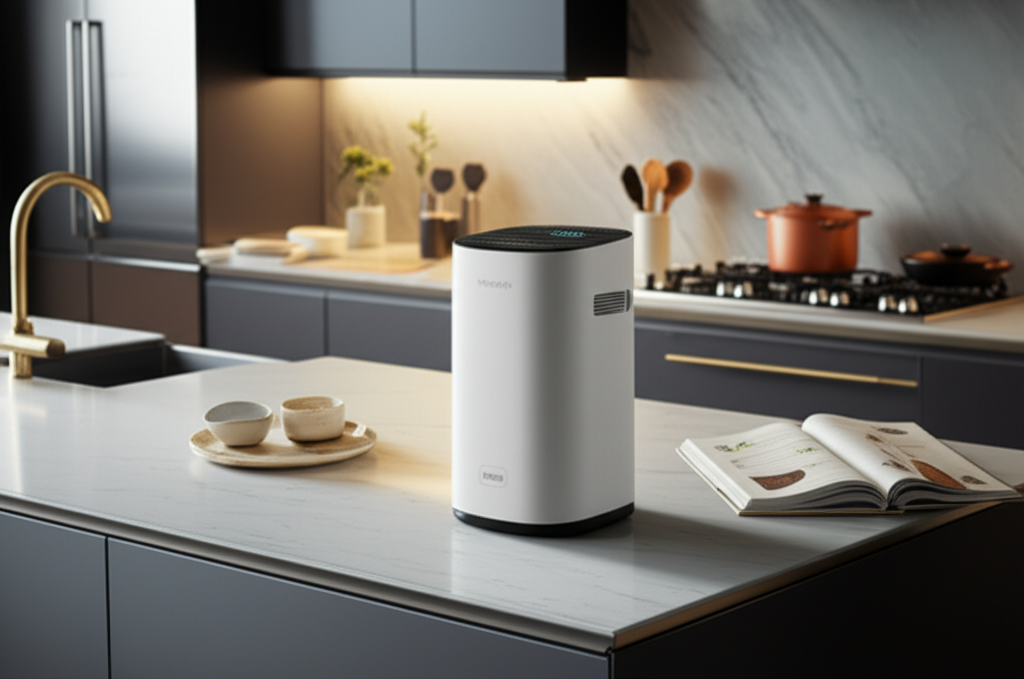
Lingering cooking smells are a common kitchen complaint, and smoke from high-heat cooking can be irritating. An air purifier equipped with an activated carbon filter is exceptionally good at adsorping odor molecules and smoke particles. This means that even after frying or grilling, your kitchen can return to a pleasant state much faster.
Capturing Grease and Airborne Particles
As you cook, tiny droplets of grease and other food particles become airborne. These can settle on surfaces, making cleaning a chore, and can also be inhaled. A good air purifier with a pre-filter and a HEPA filter can effectively trap these greasy residues and fine particles, preventing them from circulating and accumulating.
Reducing VOCs and Fumes
Many cooking processes, especially those involving high heat or certain ingredients, can release VOCs and other potentially harmful fumes. These invisible pollutants can affect air quality and your well-being. Air purifiers with robust activated carbon filters are designed to neutralize these chemical compounds, offering a cleaner breathing experience.
Key Features to Look for in a Kitchen Air Purifier
When selecting an air purifier for your kitchen, certain features are paramount to ensure optimal performance. You need a unit that can handle the unique challenges of a cooking environment. This includes robust filtration and sufficient power to cover your kitchen’s square footage effectively.
The Power of Activated Carbon Filters
Activated carbon is your best friend in the kitchen for air purification. This porous material acts like a sponge, adsorbing a wide range of odors, smoke, and VOCs. For kitchens, a substantial amount of activated carbon is crucial to tackle the intensity of cooking smells and chemical fumes.
HEPA Filtration for Fine Particles
A True HEPA filter is essential for capturing the fine particles that cooking generates, such as smoke, soot, and microscopic food residues. These filters are designed to trap at least 99.97% of airborne particles as small as 0.3 microns. This ensures that not only odors but also the physical byproducts of cooking are removed.
Pre-filters for Grease and Dust
Many kitchen air purifiers include a washable pre-filter. This layer captures larger particles like dust, hair, and importantly, airborne grease. A good pre-filter protects the more sensitive HEPA and carbon filters, extending their lifespan and maintaining the unit’s efficiency.
CADR Ratings and Room Size
Pay close attention to the Clean Air Delivery Rate (CADR) for smoke, dust, and pollen. For a kitchen, the smoke CADR is particularly important. Ensure the air purifier’s recommended room coverage matches or exceeds your kitchen’s size. This guarantees it can effectively circulate and clean the air within the space.
How to Effectively Use an Air Purifier in Your Kitchen
Proper placement and operation are key to maximizing the benefits of your kitchen air purifier. Think of it as a tool that needs the right conditions to work best. Understanding these simple guidelines will help you achieve the cleanest air possible.
Optimal Placement for Airflow
Position your air purifier away from walls and obstructions to allow for maximum airflow. Near the cooking area but not directly in the path of intense heat or steam is often ideal. Placing it on a counter or a stable surface where it can draw air from all sides is recommended.
Running Your Air Purifier Consistently
For the best results, run your air purifier consistently, especially during and after cooking. Many units have an auto mode that adjusts fan speed based on air quality sensors. This ensures it kicks into high gear when needed most, providing continuous air cleaning.
Cleaning and Replacing Filters
Regularly clean the pre-filter and replace the HEPA and carbon filters according to the manufacturer’s instructions. Clogged filters reduce efficiency and can even recirculate trapped pollutants. This maintenance is crucial for keeping your air purifier performing optimally.
Air Purifier vs. Range Hood: Understanding the Difference
While both address kitchen air quality, an air purifier and a range hood serve distinct purposes. A range hood is designed to capture and vent pollutants directly from the source, while an air purifier cleans the air that has already circulated throughout the room. They can complement each other effectively.
Range Hoods: Source Capture
Range hoods are installed directly above the stovetop to capture smoke, steam, and grease at the point of origin. They typically vent these pollutants outside the home. This is highly effective for immediate removal of contaminants.
Air Purifiers: Room-Wide Cleaning
Air purifiers, on the other hand, work by drawing in air from the entire room, filtering it, and then recirculating clean air. They are excellent for removing lingering odors, fine particles, and VOCs that may escape the range hood or originate from other kitchen activities. Using both can create a superior air quality environment.
Common Kitchen Air Pollutants and How Air Purifiers Help
Your kitchen is a hub of activity, and with that activity comes a variety of airborne particles and gases. Understanding these pollutants helps appreciate the role an air purifier plays. From everyday cooking to occasional mishaps, the air can get surprisingly dirty.
Grease Particles and Airborne Oils
Cooking, especially frying, releases fine grease particles and airborne oils. These sticky substances can coat surfaces and even be inhaled. HEPA and pre-filters in air purifiers are very effective at trapping these greasy aerosols before they spread.
Smoke and Soot
Burning food or high-heat cooking can produce smoke and soot. These are particulate pollutants that can irritate the respiratory system. An activated carbon filter, combined with a HEPA filter, efficiently removes smoke and soot particles from the air.
Volatile Organic Compounds (VOCs)
Many cooking processes, as well as cleaning products used in the kitchen, can release VOCs. These are gases that can have adverse health effects. The activated carbon in an air purifier is specifically designed to chemically bind with and neutralize many common VOCs.
Can Air Purifiers Handle Intense Kitchen Use?
Yes, air purifiers can handle intense kitchen use, provided you choose the right model and maintain it properly. The key is selecting a unit with sufficient power and robust filtration capabilities. Don’t underestimate the cleaning power of a well-chosen air purifier.
Choosing a High-Performance Unit
For busy kitchens or those where frequent high-heat cooking occurs, opt for an air purifier with a higher CADR rating and a more substantial activated carbon filter. Some models are specifically designed for kitchens and may feature enhanced pre-filters to catch more grease.
The Importance of Regular Maintenance
Even the best air purifier will struggle if its filters are overloaded. Stick to the recommended filter replacement schedule. Cleaning the pre-filter weekly or bi-weekly can make a significant difference in the overall performance and longevity of your unit.
Air Purifier Placement Strategies for Maximum Effectiveness
Where you place your air purifier in the kitchen can significantly impact its ability to clean the air. Think about the main areas where pollutants are generated and where you spend the most time. Strategic placement ensures the unit is working efficiently for you.
Near the Source of Pollution
Placing the air purifier relatively close to your cooking area, but not so close that it’s exposed to excessive heat or moisture, can help capture pollutants before they disperse widely. This proximity allows the unit to intercept airborne contaminants more directly.
Considering Air Circulation Patterns
Understand how air circulates in your kitchen. Placing the purifier where it can draw in air from multiple directions and push clean air back into the room creates a more effective cleaning loop. Avoid placing it in corners or tight spaces that restrict airflow.
Balancing Aesthetics and Functionality
While functionality is key, consider the visual aspect of your kitchen. Many modern air purifiers are designed to be sleek and unobtrusive. Finding a balance between effective placement and maintaining your kitchen’s aesthetic appeal is often achievable.
Popular Air Purifier Brands and Models for Kitchens
Several reputable brands offer air purifiers suitable for kitchen use, each with its own strengths. Researching these options can help you find a unit that best fits your specific needs and budget. Look for models that highlight their performance in odor and smoke removal.
Coway Air Purifiers
Coway is known for its effective multi-stage filtration systems, often featuring HEPA and carbon filters. Their models are generally quiet and energy-efficient, making them a popular choice for various home environments, including kitchens. Many users appreciate their robust build quality.
Levoit Air Purifiers
Levoit offers a range of affordable yet effective air purifiers. Their units often come with True HEPA filters and activated carbon layers, making them capable of handling kitchen odors and particles. They are a great option for those seeking value without compromising on essential features.
Blueair Air Purifiers
Blueair purifiers are recognized for their high efficiency and unique filtration technology, often combining electrostatic and mechanical filtration. This can lead to rapid air cleaning, which is beneficial for quickly clearing kitchen air after cooking. Many models are also designed with a focus on energy saving.
Winix Air Purifiers
Winix air purifiers frequently include PlasmaWave technology alongside HEPA and carbon filters, offering an additional layer of air purification. They are often praised for their performance in removing odors and allergens, making them a strong contender for kitchen environments.
Frequently Asked Questions About Kitchen Air Purifiers
Here are some common questions many people have when considering an air purifier for their kitchen.
Do I need a special air purifier for my kitchen?
While there isn’t a strictly “special” category, you’ll benefit most from an air purifier with a substantial activated carbon filter for odors and smoke, a True HEPA filter for particles, and a sufficient CADR rating for your kitchen size.
How often should I run my kitchen air purifier?
For best results, run your air purifier consistently, especially during cooking and for a few hours afterward. Many models have an auto mode that can manage this automatically based on air quality.
Will an air purifier completely eliminate cooking smells?
An air purifier significantly reduces and removes most cooking smells, especially with a good carbon filter. However, very strong or persistent odors might require a range hood for direct source capture.
Can an air purifier handle grease in the air?
Yes, the pre-filters in most air purifiers are designed to capture airborne grease particles. Keeping the pre-filter clean is crucial for this function.
How do I clean my air purifier’s filters?
Pre-filters are typically washable. HEPA and carbon filters are usually not washable and need to be replaced at the manufacturer’s recommended intervals, typically every 6-12 months.
Conclusion: Fresher Air, Happier Kitchen
Ultimately, can I use an air purifier in kitchen? The answer is a resounding yes. By selecting a model with robust activated carbon and HEPA filtration, placing it strategically, and performing regular maintenance, you can transform your kitchen’s air quality. It’s an effective way to combat cooking odors, smoke, grease particles, and VOCs, creating a more pleasant and healthier environment for you and your family. Investing in an air purifier for your kitchen is a smart move towards a fresher, more enjoyable home.
