
Can I Clean My Air Purifier Filter Instead of Replacing It? Genius Save!

Yes, you can often clean your air purifier filter instead of replacing it, potentially saving you money and reducing waste. This guide explores which filters are cleanable, how to do it safely, and when replacement is still necessary for optimal air quality.
Breathing cleaner air at home is a priority for many, and air purifiers play a crucial role. However, the ongoing cost of replacement filters can be a significant concern for households. You might be wondering, “Can I clean my air purifier filter instead of replacing it?” It’s a common question, and the answer is often a resounding yes, with a few important caveats. This guide will walk you through the process, helping you save money and keep your air purifier running efficiently.
Understanding Your Air Purifier Filter Types
The ability to clean an air purifier filter hinges entirely on its type. Different filters are designed with varying materials and structures, dictating whether cleaning is a viable option or if replacement is the only path to effective air purification. Recognizing your filter’s material is the first step in deciding whether to clean or replace.
HEPA Filters: The Standard for Purity
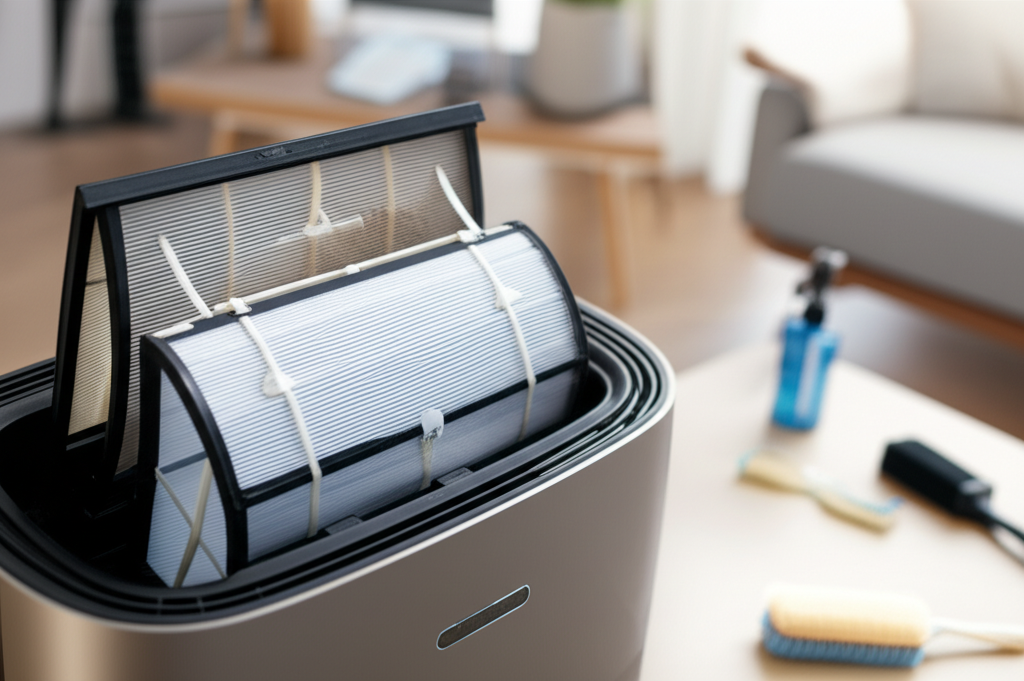
True HEPA (High-Efficiency Particulate Air) filters are designed to capture 99.97% of airborne particles as small as 0.3 microns. These filters are typically made from a dense mesh of fine fibers, often pleated paper-like material.
Because of their intricate and dense structure, HEPA filters are generally not designed to be cleaned. Washing or vacuuming can damage the delicate fibers, compromising their ability to capture tiny particles effectively. Replacing your HEPA filter as recommended by the manufacturer is crucial for maintaining air quality.
Activated Carbon Filters: The Odor Absorbers
Activated carbon filters, often found in conjunction with HEPA filters, are made from carbon that has been treated to be extremely porous. This porosity allows them to adsorb odors, gases, and volatile organic compounds (VOCs).
These filters can sometimes be refreshed, but true cleaning isn’t usually recommended. Over time, the adsorption sites become saturated, and simply rinsing them won’t reactivate their full capacity. However, some manufacturers suggest gentle methods for specific carbon pre-filters.
Pre-Filters: Your First Line of Defense
Pre-filters are typically the outermost layer of an air purifier’s filtration system. They are designed to catch larger particles like dust, pet hair, and lint, protecting the more sensitive HEPA and carbon filters from premature clogging.
Pre-filters are almost always washable or cleanable. They are often made from coarser materials like foam or a mesh fabric. Cleaning these can significantly extend the life of your other filters.
Can I Clean My Air Purifier Filter Instead of Replacing It? The Washable vs. Non-Washable Debate
The core question, “Can I clean my air purifier filter instead of replacing it?” depends on whether the filter is explicitly labeled as washable or reusable. Manufacturers design filters with specific lifespans and cleaning capabilities in mind. Always refer to your air purifier’s manual for definitive guidance.
Identifying Washable Filters
Washable filters are usually made from materials like foam, plastic mesh, or a coarse synthetic fabric. They are designed to withstand rinsing and drying without losing their structural integrity or filtration effectiveness. These are the filters where cleaning can offer a significant cost saving.
The Risks of Cleaning Non-Washable Filters
Attempting to clean non-washable filters, such as HEPA or activated carbon filters, can have detrimental effects. Damaging the filter media can create pathways for unfiltered air to pass through, reducing the purifier’s efficiency and potentially releasing trapped pollutants back into your air. This negates the purpose of using an air purifier in the first place.
How to Safely Clean Your Washable Air Purifier Filters
If your air purifier contains washable filters, such as a pre-filter, follow these steps carefully to ensure effective cleaning without damage. Proper cleaning can help maintain your unit’s performance and extend the life of its components. Always consult your air purifier’s manual before proceeding.
Step-by-Step Cleaning Guide for Washable Filters
1. Power Off and Disconnect: Always ensure your air purifier is unplugged before you begin any maintenance. Safety first is paramount when dealing with electrical appliances.
2. Locate and Remove the Filter: Open your air purifier unit according to the manufacturer’s instructions and carefully remove the washable filter. Note its orientation for reinstallation.
3. Gentle Rinsing: Under cool, running water, gently rinse the filter. Avoid using hot water or high pressure, as this can degrade the filter material.
4. Mild Soap (Optional): For stubborn dirt, you can use a very mild soap. Ensure it’s completely rinsed away, as any residue can affect performance.
5. Shake Off Excess Water: Gently shake the filter to remove as much water as possible. Do not wring or twist it.
6. Thorough Drying: This is the most critical step. The filter must be completely dry before being reinserted. Air dry it for at least 24 hours, or until no moisture remains. Using a hairdryer on a cool setting can help, but avoid heat.
7. Reinstall: Once completely dry, place the filter back into the air purifier in the correct orientation.
Tools You Might Need
Mild dish soap (optional)
Soft brush (for very gentle scrubbing, if recommended)
Clean cloths or paper towels
Access to running water
When to Replace Your Air Purifier Filters
Despite the allure of saving money, there are definite times when replacing your air purifier filters is non-negotiable. Understanding these situations ensures you continue to benefit from clean, healthy air. Overlooking these can compromise your air quality and the lifespan of your purifier.
Signs Your Filter Needs Replacement
Visible Dirt and Grime: If a washable filter, after cleaning, still appears heavily soiled or discolored, it’s time for a new one. For non-washable filters, extreme discoloration or a thick layer of dust means replacement is due.
Reduced Airflow: If you notice a significant decrease in the amount of air your purifier is expelling, even after cleaning or replacing filters, the internal components or the filter itself might be too clogged.
Lingering Odors or Allergens: If your air purifier is no longer effectively removing odors or reducing allergy symptoms, the filters may be saturated or damaged.
Manufacturer Recommendations: Always adhere to the replacement schedule provided in your air purifier’s manual. This is based on typical usage and ensures optimal performance. For example, many manufacturers recommend replacing HEPA filters every 6-12 months.
Filter Replacement Indicator: Many modern air purifiers have a built-in indicator light that signals when it’s time to check or replace the filter.
The True Cost: Cleaning vs. Replacing Filters
While cleaning washable filters can seem like a straightforward saving, it’s essential to consider the long-term implications and the overall cost-benefit analysis. Sometimes, the “genius save” has hidden costs or limitations.
Financial Savings of Cleaning
The most apparent benefit of cleaning washable filters is the direct cost saving by avoiding the purchase of new filters. Depending on the brand and model of your air purifier, replacement filters can range from $20 to $100 or more. For units with multiple filters, this cost can add up quickly over a year.
Potential Downsides to Frequent Cleaning
Reduced Filter Lifespan: Even washable filters can degrade over time with repeated washing. The material may become less effective at trapping particles after numerous cleaning cycles.
Time Commitment: Cleaning filters requires regular attention and time, which can be a factor for busy households.
Ineffectiveness: If not cleaned or dried properly, or if the filter material itself is compromised, the air purifier’s performance will suffer.
When Replacement is More Economical
If your air purifier uses disposable HEPA or activated carbon filters, replacement is the only option. In this scenario, the cost of replacement filters is a recurring operational expense. While cleaning isn’t an option, choosing an energy-efficient model can help offset operational costs. For example, comparing the long-term cost of replacement filters for different brands can reveal which purifiers are more economical to run. Brands like Coway and Blueair often offer comprehensive filtration systems where filter replacement is a key consideration.
Can I Vacuum My Air Purifier Filter?
Vacuuming can be a tempting quick fix, especially for HEPA filters, but it’s a method that requires extreme caution. The effectiveness and safety of vacuuming depend heavily on the filter type and the strength of your vacuum cleaner. Always check your manual first.
Vacuuming HEPA Filters: Proceed with Caution
For HEPA filters, gentle vacuuming with a soft brush attachment on a low setting might be permissible if your manufacturer’s guide specifically allows it. The goal is to remove surface dust without damaging the delicate filter media. Avoid direct contact with the pleated material if possible.
Vacuuming Washable Filters
Vacuuming washable filters before washing can help remove loose debris and potentially extend the time between washes. Use a brush attachment on a low setting to avoid tearing or distorting the filter material. This is a good first step for heavily soiled washable filters.
The Risks of Aggressive Vacuuming
Applying too much pressure or using a harsh vacuum attachment can easily tear the filter fibers or dislodge the sealing material. This damage can create bypasses, allowing air to flow around the filter, significantly reducing its effectiveness and potentially releasing trapped contaminants. It’s a common mistake that can render a filter useless.
Can I Clean Activated Carbon Filters?
Activated carbon filters are designed to trap gases and odors through adsorption. While you can’t truly “clean” them in the sense of restoring their adsorption capacity, some light maintenance might be possible for specific pre-filter carbon layers.
Refreshing Carbon Pre-filters
Some air purifiers have a thin layer of activated carbon integrated into the pre-filter or as a separate, less dense carbon sheet. These might be gently vacuumed or wiped down. However, their ability to adsorb odors is finite and cannot be restored by cleaning.
The Limitations of Carbon Cleaning
Once the carbon’s adsorption sites are filled with pollutants, its effectiveness diminishes. No amount of washing or vacuuming will revive its odor-absorbing capabilities. For true odor and gas removal, replacing the carbon filter or the combined HEPA/carbon filter is necessary.
Maintenance Schedule: Keeping Your Air Purifier in Top Shape
A consistent maintenance schedule is key to ensuring your air purifier operates efficiently and provides the cleanest air possible. This involves regular checks and cleaning of washable components, as well as timely replacement of disposable filters. A well-maintained unit performs better and lasts longer.
Recommended Air Purifier Maintenance Tasks
Weekly: Wipe down the exterior of the unit with a damp cloth. Check washable pre-filters for visible dust buildup.
Monthly: Clean any washable pre-filters. Vacuum accessible parts of the unit, like the intake grille.
Every 3-6 Months: Check the condition of HEPA and carbon filters. If they appear heavily soiled or you notice reduced performance, consider replacement even if the indicator hasn’t lit up.
As per Manufacturer: Replace HEPA and carbon filters according to the manufacturer’s recommended schedule (typically 6-12 months for HEPA, 3-6 months for carbon, but varies greatly).
Tips for Extending Filter Life
Use the Pre-Filter: Always ensure the pre-filter is in place and clean it regularly. This is the most effective way to protect your more expensive HEPA and carbon filters.
Optimal Placement: Position your air purifier in a location where it can effectively circulate air. Avoid placing it directly against walls or furniture.
* Regular Cleaning: Keep the air intake vents clear of dust and debris. A clean exterior and intake contribute to better airflow.
Troubleshooting Common Air Purifier Issues
When your air purifier isn’t performing as expected, it’s often related to filter maintenance. Understanding how to troubleshoot can save you from unnecessary repairs or replacements. Most issues stem from simple maintenance oversights.
Poor Airflow or Reduced Performance
The most common cause of reduced airflow is a clogged filter. If you have washable filters, ensure they are clean and completely dry. For non-washable filters, a clogged filter is the primary culprit, and replacement is needed.
Unpleasant Odors from the Purifier
An air purifier that starts emitting odors usually has a saturated activated carbon filter. If you’ve been cleaning other filter types, ensure the carbon filter hasn’t been neglected. Replacement is typically the only solution for this.
Noisy Operation
Excessive noise can sometimes be due to a filter being improperly seated or a buildup of debris in the fan or motor. Ensure all filters are correctly installed and that the unit’s interior is free from obstructions. A damaged fan blade can also cause noise, which would require professional attention or unit replacement.
FAQ: Can I Clean My Air Purifier Filter Instead of Replacing It?
Q1: Can I wash my HEPA filter?
Generally, no. True HEPA filters are made of delicate fibers that can be damaged by washing, reducing their effectiveness. Always check your manufacturer’s manual.
Q2: What kind of air purifier filters can I clean?
You can usually clean washable pre-filters, which are often made of foam or mesh. Always refer to your air purifier’s manual to confirm.
Q3: How often should I clean my washable filters?
It’s recommended to clean washable filters at least once a month, or more frequently if you notice visible dust buildup or a decrease in airflow.
Q4: How do I dry a washable air purifier filter properly?
Filters must be completely air-dried for at least 24 hours until no moisture remains. Never use heat, as it can damage the filter material.
Q5: Can I vacuum my air purifier filter to clean it?
You can gently vacuum washable filters or, with extreme caution and if recommended by the manufacturer, HEPA filters using a soft brush attachment on low power. Avoid aggressive vacuuming.
Q6: My air purifier is still not working well after cleaning the filter, what should I do?
Ensure the filter is completely dry and correctly reinstalled. If the problem persists, the HEPA or carbon filter may need replacement, or there could be an issue with the unit itself.
Conclusion: The Smart Approach to Air Purifier Maintenance
Ultimately, the question “Can I clean my air purifier filter instead of replacing it?” has a nuanced answer. While cleaning washable pre-filters is a fantastic way to save money and reduce waste, it’s crucial to distinguish them from HEPA and activated carbon filters, which typically require replacement to maintain optimal performance. By understanding your specific filter types and following manufacturer guidelines, you can effectively manage your air purifier’s maintenance, ensuring you always breathe the cleanest air possible while making smart financial choices.
