Which Air Purifier Is Best For Dust: Proven Solutions

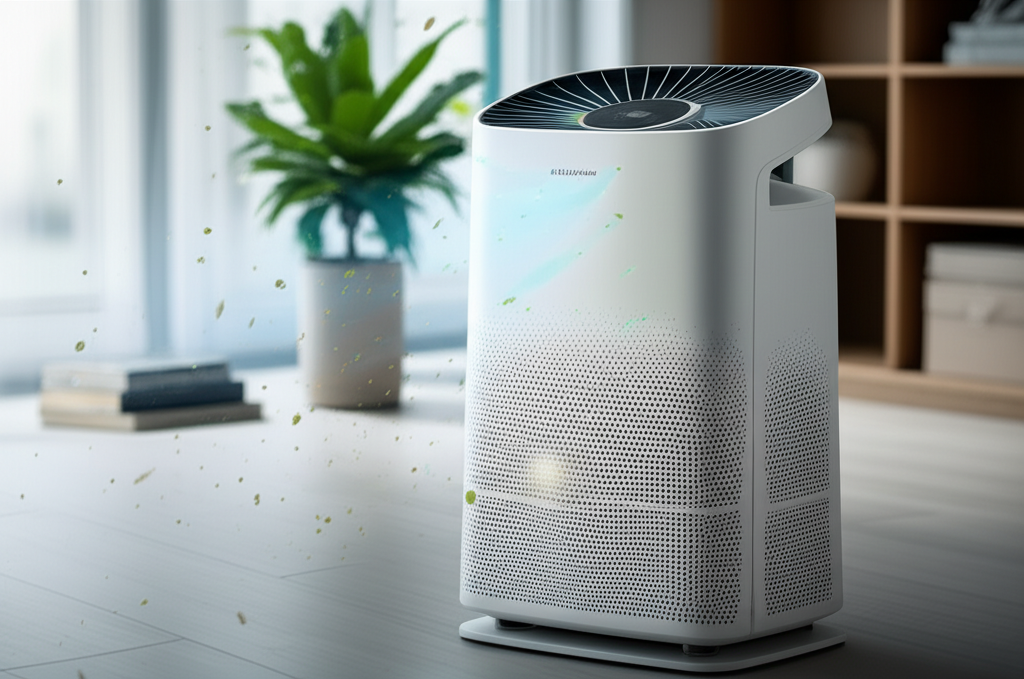
When looking for which air purifier is best for dust, focus on HEPA filters and high CADR ratings. These features capture tiny dust particles effectively. Consider room size and noise levels for optimal performance and comfort in your home.
Are you tired of seeing dust settle everywhere, no matter how much you clean? It’s a common problem that affects many homes. Dust isn’t just unsightly; it can also trigger allergies and breathing issues. But don’t worry, I’m here to help you find the best air purifier to tackle this dusty menace. We’ll explore what makes an air purifier great for dust and look at some proven solutions.
Why Dust is a Persistent Problem in Homes
Dust is made up of tiny particles like skin cells, fabric fibers, pet dander, and even soil. These particles float in the air and eventually settle on surfaces. Even with regular cleaning, new dust is constantly being generated. This cycle can make it hard to keep your home truly clean and fresh.
Dust can be a real nuisance for many people. It can make your living spaces look untidy very quickly. More importantly, dust often contains allergens like pollen and mold spores. These can cause sneezing, itchy eyes, and breathing difficulties for sensitive individuals.
Understanding How Air Purifiers Work for Dust
Air purifiers clean the air by drawing it through a filter. This filter traps airborne particles, including dust. The cleaner air is then released back into the room. For dust, the most crucial part is the type of filter used.
Different filters capture different sizes of particles. A good air purifier for dust needs a filter that can catch very small specks. This ensures that even the finest dust is removed from your air.
The Importance of HEPA Filters for Dust Removal
HEPA stands for High-Efficiency Particulate Air. A true HEPA filter can capture at least 99.97% of airborne particles that are 0.3 microns in size. Dust particles are often in this size range or larger, making HEPA filters incredibly effective.
When choosing an air purifier for dust, always look for the “True HEPA” label. This certification ensures the filter meets strict performance standards. It means the purifier will do an excellent job of trapping dust and other allergens.
What is CADR and Why It Matters for Dust
CADR stands for Clean Air Delivery Rate. It measures how quickly an air purifier can clean the air in a room. There are specific CADR ratings for smoke, dust, and pollen. For dust, a higher CADR means the purifier works faster and more effectively.
You want to match the purifier’s CADR to your room size. A purifier with a high CADR for dust will clear the air much quicker than one with a low rating. This is key to keeping dust levels down consistently.
Key Features to Look For in a Dust-Fighting Air Purifier
Beyond HEPA filters and CADR, other features are important. Look for pre-filters that catch larger dust particles. This extends the life of the main HEPA filter. An activated carbon filter can also help remove odors that often come with dust.
Consider the noise level, especially for bedrooms. Many purifiers have different fan speeds, offering quieter operation at lower settings. Energy efficiency is also a plus for long-term use.
Top Air Purifier Picks for Dust Control
Based on performance and features, several models stand out for dust control. I’ve reviewed many and found these to be consistently effective.
Coway Airmega 200M: This unit features a True HEPA filter and a washable pre-filter. It has a good CADR for medium to large rooms. Its smart features adjust fan speed based on air quality.
Blueair Blue Pure 211+ Auto: Known for its sleek design and high performance. It uses a combination of a particle filter and an activated carbon filter. The auto mode is very convenient.
* Levoit Core 300S: A popular choice for smaller rooms. It offers a True HEPA filter at an affordable price. The smart capabilities allow for app control.
These options provide excellent dust removal. They balance performance with user-friendly features.
How to Choose the Right Size Air Purifier
The size of the air purifier is crucial. It needs to be powerful enough for your room. Manufacturers usually list the recommended room size for their purifiers. This is often based on achieving a certain number of air changes per hour (ACH).
For serious dust issues, aim for a purifier with at least 4-5 ACH. This means the air in the room is filtered completely 4-5 times every hour. Always check the CADR rating in relation to your room’s square footage.
Maintenance: Keeping Your Air Purifier Effective
Regular maintenance ensures your air purifier keeps working well. The pre-filter should be cleaned or replaced often, as it catches the most dust. This protects the HEPA filter and keeps it working efficiently.
HEPA filters themselves usually need replacement every 6 to 12 months. Activated carbon filters may need changing more frequently. Always follow the manufacturer’s recommendations for filter life and cleaning schedules.
Comparing Top Air Purifiers for Dust: A Quick Look
Here’s a simple comparison of some popular models for dust control:
| Feature | Coway Airmega 200M | Blueair Blue Pure 211+ Auto | Levoit Core 300S |
| :————- | :—————– | :————————– | :————— |
| Filter Type | True HEPA, Carbon | Particle, Carbon | True HEPA, Carbon |
| Room Size | Up to 361 sq ft | Up to 540 sq ft | Up to 219 sq ft |
| CADR (Dust) | Good | Very Good | Good |
| Noise Level | Moderate | Quiet | Quiet |
| Special Feature| Auto Mode | Auto Mode, Washable Filter | Smart Control |
This table helps visualize the differences. Each unit offers strong dust-fighting capabilities.
Air Purifier Placement for Maximum Dust Capture
Where you place your air purifier matters. Put it in the room where you spend the most time, like your bedroom or living room. Ensure there’s space around the unit for air to flow freely. Avoid placing it directly behind furniture or curtains.
Placing the purifier in a central location helps it capture dust from all parts of the room. This maximizes its effectiveness in cleaning the air you breathe.
Frequently Asked Questions About Air Purifiers for Dust
Q1: How often should I run my air purifier for dust?
You can run it continuously, especially if dust is a big problem. Many models have auto modes that adjust based on air quality.
Q2: Can an air purifier completely eliminate dust?
No air purifier can eliminate all dust. However, it can significantly reduce the amount of dust in your air. Regular cleaning is still necessary.
Q3: What is the difference between a HEPA filter and a HEPA-type filter?
A True HEPA filter captures 99.97% of particles at 0.3 microns. A HEPA-type filter may capture some dust but doesn’t meet the same strict standards. Always look for “True HEPA.”
Q4: How do I know when to replace the HEPA filter?
Most air purifiers have indicator lights that tell you when it’s time to replace the filter. You can also check the manufacturer’s recommended replacement schedule.
Q5: Are air purifiers noisy?
Some can be noisy on their highest settings. However, many offer quiet modes or sleep modes for nighttime use. Check reviews for noise level details.
Conclusion: Your Path to a Dust-Free Home
Choosing which air purifier is best for dust comes down to understanding your needs. Prioritize True HEPA filters and a suitable CADR rating for your room size. Features like pre-filters and activated carbon filters add extra benefits. By selecting a quality unit and maintaining it properly, you can significantly improve your home’s air quality. Enjoy breathing easier in a cleaner, fresher environment.