
What’s Better For Asthma: Air Purifier Or Humidifier? Essential Guide

What’s Better for Asthma: Air Purifier or Humidifier? An Essential Guide
For asthma sufferers, understanding if an air purifier or humidifier is better is key. Air purifiers remove triggers like pollen and dust, while humidifiers add moisture to ease breathing. Often, both can help, but the best choice depends on your specific asthma triggers and symptoms.
Breathing can sometimes feel difficult for people with asthma. You might wonder if a special machine could make it easier. Two common devices are air purifiers and humidifiers. Both can help your lungs feel better, but they do different jobs. This guide will help you figure out which one, or maybe both, is the right choice for you. We’ll explore how each works and what they do for asthma.
What is Asthma and What Triggers It?
Asthma is a long-term lung condition. It causes airways to swell and narrow. This makes breathing hard. It can lead to coughing, wheezing, and shortness of breath. Many things can trigger asthma symptoms. These triggers can be found in the air you breathe. Common triggers include dust mites, pet dander, pollen, mold, and smoke. Sometimes, dry air or very humid air can also cause problems.
How Do Air Purifiers Help with Asthma?
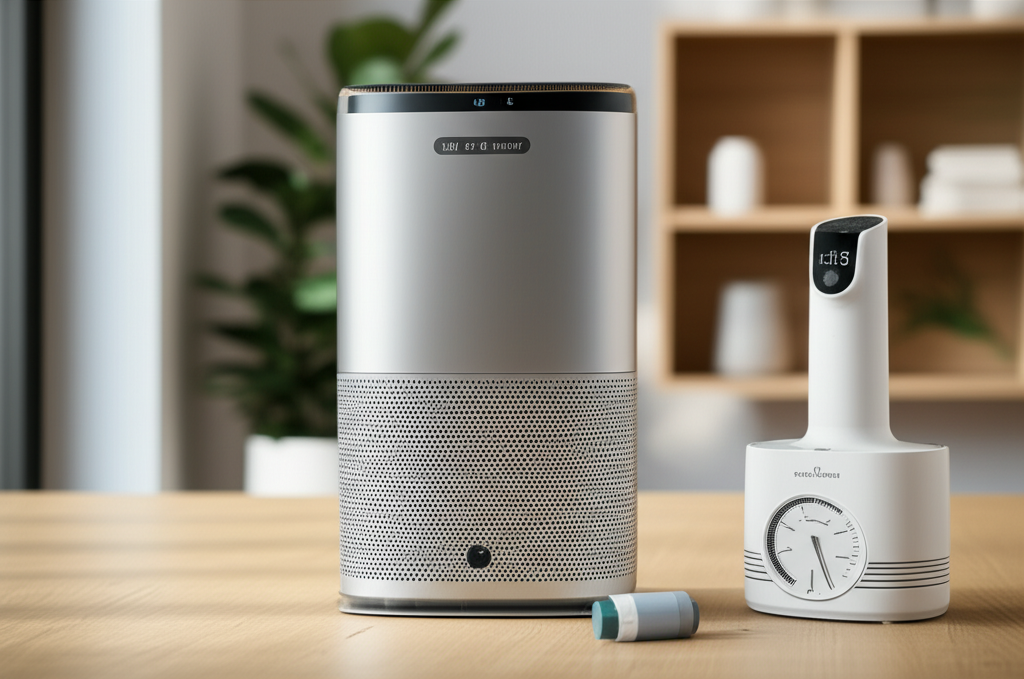
An air purifier cleans the air in a room. It uses filters to trap tiny particles. These particles are often asthma triggers. Think of it like a vacuum cleaner for the air. It sucks in air and removes things like dust, pollen, and pet dander. This makes the air cleaner for you to breathe. Many air purifiers use HEPA filters. HEPA stands for High-Efficiency Particulate Air. These filters are very good at catching small particles.
Air purifiers are especially helpful if your asthma is triggered by airborne allergens. These are things like pollen from trees and flowers, or the tiny flakes of skin and hair shed by pets. They can also remove smoke particles from cigarettes or cooking. Cleaner air means fewer things to make your airways react. This can lead to fewer asthma attacks.
What is a Humidifier and How Does It Work?
A humidifier adds moisture to the air. It does this by releasing water vapor. Sometimes, the air in your home can be too dry. This is common in winter when heating systems are on. Dry air can irritate your airways. It can make them feel dry, scratchy, and tight. This irritation can trigger asthma symptoms.
A humidifier makes the air moist. This can help soothe dry airways. It can make mucus thinner. This can make it easier to cough up. For some people with asthma, especially those whose asthma worsens in dry conditions, a humidifier can bring relief. It makes breathing feel more comfortable.
Air Purifier vs. Humidifier: The Key Differences
The main difference is what they target. Air purifiers remove things from the air. They clean out dust, pollen, and other allergens. Humidifiers add something to the air. They add moisture to combat dryness. You can think of it this way: an air purifier fights what’s in the air, while a humidifier fights the condition of the air (dryness).
Here’s a simple comparison:
| Feature | Air Purifier | Humidifier |
| :————— | :—————————————— | :—————————————– |
| Primary Function | Removes airborne particles (dust, pollen) | Adds moisture to the air |
| Helps Asthma By | Reducing exposure to triggers | Soothing dry airways, thinning mucus |
| Best For | Allergies, pet dander, smoke | Dry climates, winter air, dry coughs |
| Potential Risk | Can be noisy, requires filter replacement | Can spread mold/bacteria if not cleaned |
When is an Air Purifier the Better Choice for Asthma?
An air purifier is often the top recommendation for asthma. This is because many asthma triggers are airborne. Dust mites are tiny creatures living in dust. Their droppings are a common trigger. Pet dander is tiny skin flakes from animals. Pollen from plants floats in the air. Mold spores can also travel through the air. An air purifier with a HEPA filter can capture these.
Studies show that air purifiers can help reduce asthma symptoms in homes with pets or high levels of dust. For example, research published in the Journal of Allergy and Clinical Immunology has shown that HEPA air filters can reduce allergen levels. This directly helps people with allergies and asthma. If your asthma flares up when you’re around pets, or during high pollen seasons, an air purifier is likely your best bet.
When is a Humidifier the Better Choice for Asthma?
A humidifier is a good choice if your asthma symptoms get worse in dry air. This is common in winter. When you turn on your heater, it can dry out the air in your home. Dry air can make your throat and lungs feel irritated. It can also make mucus thicker and harder to clear. This can lead to coughing and breathing difficulties.
If you wake up with a dry cough or a tight chest, especially in the colder months, a humidifier might help. It adds needed moisture. This can make your airways feel more comfortable. The American Academy of Allergy, Asthma & Immunology notes that humidifiers can help with symptoms related to dry air. However, it’s crucial to keep humidifiers clean.
Can You Use Both an Air Purifier and a Humidifier?
Yes, in many cases, using both an air purifier and a humidifier can be beneficial for asthma. They address different issues. The air purifier tackles airborne triggers, while the humidifier addresses air dryness. This combined approach can create a more comfortable breathing environment. It’s like having two tools working together.
However, it’s important to use them correctly. You should maintain proper humidity levels. Too much humidity can encourage mold growth, which is also an asthma trigger. Aim for a humidity level between 30% and 50%. A hygrometer can help you measure this. You can place them in the same room, but ensure good air circulation.
Choosing the Right Air Purifier for Asthma
When selecting an air purifier for asthma, look for a few key features. A true HEPA filter is essential. It should be rated to capture 99.97% of particles as small as 0.3 microns. This includes allergens like dust mites, pollen, and pet dander. Check the CADR (Clean Air Delivery Rate) for the room size. A higher CADR means it cleans the air faster.
Consider models with activated carbon filters. These help remove odors and gases. Avoid air purifiers that produce ozone. Ozone can irritate the lungs and worsen asthma. Some brands known for effective air purifiers include Coway, Levoit, and Blueair. Always follow the manufacturer’s instructions for filter replacement. This is vital for the purifier to work effectively.
Choosing the Right Humidifier for Asthma
For asthma, a cool-mist humidifier is generally recommended over a warm-mist one. Warm-mist humidifiers boil water, which can be a burn hazard. Cool-mist humidifiers are safer, especially around children. There are two main types of cool-mist humidifiers: ultrasonic and evaporative. Ultrasonic humidifiers use a vibrating diaphragm to create mist. Evaporative humidifiers use a fan to blow air through a wet wick.
The most critical aspect of using a humidifier for asthma is cleanliness. Dirty humidifiers can breed mold and bacteria. These can then be released into the air and trigger asthma. You must clean the humidifier regularly, ideally daily or every few days. Use distilled or demineralized water to prevent mineral buildup. Brands like Honeywell and Vicks offer popular humidifier models.
Maintaining Optimal Air Quality for Asthma Management
Managing asthma involves more than just using devices. It requires a holistic approach to your home environment. Regular cleaning is crucial. Vacuum carpets and upholstery often. Dust surfaces with a damp cloth. Wash bedding in hot water weekly to kill dust mites. Keep pets out of the bedroom if they are a trigger.
Controlling humidity levels is also key. Use a hygrometer to monitor humidity. If it’s too high, use a dehumidifier. If it’s too low, use a humidifier. Minimize other indoor triggers like strong perfumes, smoke, and chemical cleaners. Creating a clean, comfortable indoor environment supports better breathing and fewer asthma flare-ups.
Conclusion: What’s Better for Asthma – Air Purifier or Humidifier?
So, whats better for asthma: air purifier or humidifier? The answer often depends on your specific triggers. If airborne allergens like dust, pollen, or pet dander bother you, an air purifier is likely your best friend. It actively removes these irritants from your air. If dry air irritates your airways and worsens your asthma, especially in winter, a humidifier can provide much-needed relief by adding moisture.
For many people with asthma, the ideal solution is to use both an air purifier and a humidifier. This offers comprehensive air quality management. The air purifier cleans the air of triggers, while the humidifier maintains a comfortable moisture level. Always prioritize cleanliness and proper maintenance for both devices. This ensures they help, rather than harm, your asthma management.
Frequently Asked Questions about Asthma and Air Quality
Will an air purifier cure my asthma?
No, an air purifier will not cure asthma. It helps manage symptoms by removing airborne triggers from your environment. Asthma is a chronic condition that requires ongoing medical management.
Can a humidifier make asthma worse?
Yes, if not maintained properly. Dirty humidifiers can spread mold and bacteria, which are asthma triggers. Also, overly humid air (above 50%) can encourage mold growth.
How often should I run an air purifier for asthma?
It’s generally recommended to run an air purifier with a HEPA filter continuously in the room where you spend the most time, like your bedroom or living room, especially when allergens are high.
What is the ideal humidity level for someone with asthma?
The ideal humidity level for people with asthma is typically between 30% and 50%. This range helps keep airways comfortable without promoting mold growth.
Should I use a warm-mist or cool-mist humidifier for asthma?
A cool-mist humidifier is generally safer for people with asthma, as it doesn’t involve boiling water and poses less risk of burns. It also avoids potentially irritating steam.
