
Powered Air Purifying Respirators Medical: Essential Guide

Powered air purifying respirators (PAPRs) medical use is crucial for protecting healthcare workers and patients from airborne threats. This guide explains their types, benefits, and how to choose the right PAPR medical device for optimal safety and comfort in healthcare settings.
The world of healthcare demands the highest level of protection. Sometimes, the air we breathe can carry dangers, like tiny germs that make people sick. For doctors, nurses, and anyone working closely with patients, staying safe is incredibly important. This is where special masks, called powered air purifying respirators, come in. They are like a superhero shield for your lungs. We will explore how these amazing devices work and why they are so vital in hospitals and clinics, making sure you understand everything you need to know to stay protected.
What are Powered Air Purifying Respirators (PAPRs) in a Medical Context?
Powered air purifying respirators (PAPRs) are advanced respiratory protection devices used in medical settings. They use a battery-powered fan to draw contaminated air through filters. This cleaned air is then delivered to a comfortable head covering, like a hood or helmet. PAPRs offer a higher level of protection than standard surgical masks. They are designed to protect against a wide range of airborne particles and pathogens.
Why are PAPRs Essential for Medical Professionals?
Medical professionals face constant exposure to infectious agents. Diseases like tuberculosis, influenza, and novel viruses can spread through the air. Standard masks may not provide adequate protection in high-risk situations. PAPRs create a positive pressure environment. This means clean air is constantly pushed out, preventing contaminated air from entering. This significantly reduces the risk of infection for healthcare workers.
How Do Medical PAPRs Work?
A PAPR system has a few key parts. There is a blower unit, which contains a battery and a fan. This fan pulls air from the surroundings. The air then passes through one or more filters. These filters trap harmful particles. Finally, the purified air is channeled through a hose to a breathing attachment. This attachment can be a hood, helmet, or tight-fitting facepiece.
Types of Medical PAPRs: Choosing Your Protection
Medical PAPRs come in different styles to suit various needs. The choice often depends on the specific medical task and the level of protection required. Understanding these types helps in making the best selection for safety.
Loose-Fitting Respirators (Hoods and Helmets)
Loose-fitting PAPRs use hoods or helmets that do not seal tightly to the face. The fan blows clean air into the hood, creating a comfortable, positive-pressure environment. These are often preferred for extended wear due to their comfort. They provide excellent protection against airborne particles and splashes.
Tight-Fitting Respirators (Facepieces)
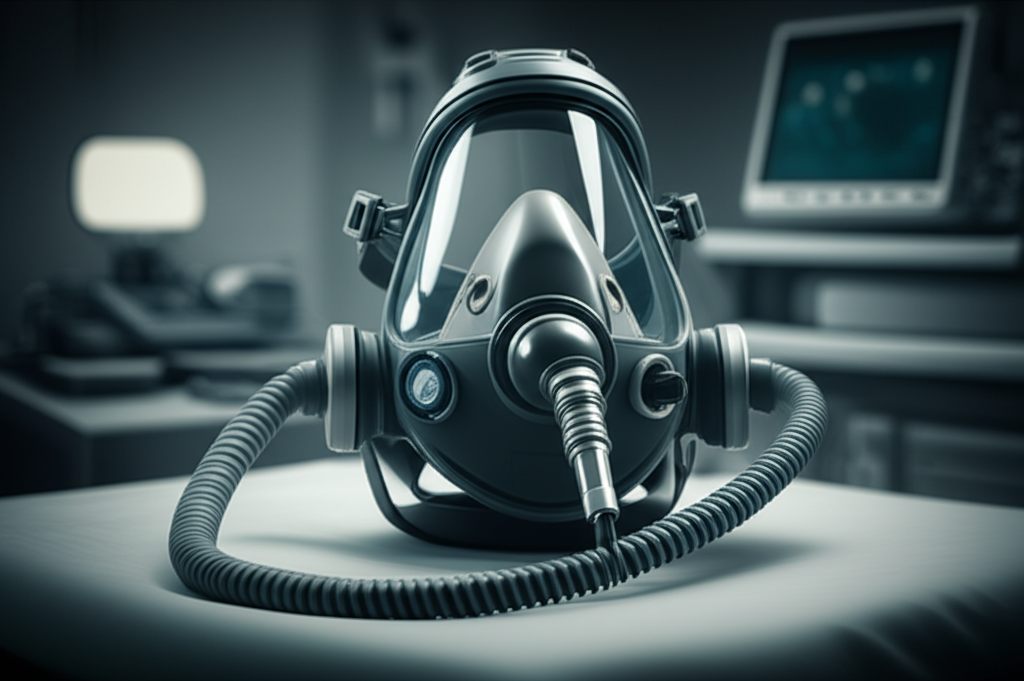
Tight-fitting PAPRs use a facepiece that seals to the wearer’s face, similar to a traditional respirator. This seal, combined with the positive pressure from the fan, offers a very high level of protection. They are ideal for situations with very high concentrations of airborne hazards. Fit testing is crucial for these types to ensure effectiveness.
Key Components of a Medical PAPR System
Each part of a PAPR plays a vital role in delivering clean air. Knowing these components helps in understanding the device’s function and maintenance.
Blower Unit: This is the heart of the PAPR. It houses the motor, battery, and often the main filter. It draws air in and pushes it through the system.
Filters: Different filters are used depending on the hazard. HEPA (High-Efficiency Particulate Air) filters are common for medical use. They capture tiny particles like viruses and bacteria.
Breathing Attachment: This is what the user wears. It can be a hood, helmet, or tight-fitting facepiece. It delivers the purified air to the wearer’s breathing zone.
Hose: A flexible hose connects the blower unit to the breathing attachment. It allows for movement while wearing the device.
Battery: PAPRs are powered by rechargeable batteries. Battery life is a key consideration for long shifts.
Benefits of Using PAPRs in Healthcare Settings
PAPRs offer significant advantages over other types of respiratory protection. Their design and functionality make them a preferred choice for many medical applications.
Higher Protection Factor: PAPRs generally provide a higher level of protection than N95 respirators. This is due to the positive pressure and effective filtration.
Comfort and Reduced Breathing Resistance: The powered fan reduces the effort needed to breathe. This makes PAPRs more comfortable for long periods.
Protection for Beards and Facial Hair: Loose-fitting PAPRs do not require a tight seal on the face. This means individuals with beards or facial hair can still achieve effective protection.
Versatility: PAPRs can be used in various medical environments, from operating rooms to isolation wards.
When are Medical PAPRs Most Recommended?
The use of PAPRs is often recommended in specific high-risk medical scenarios. These situations involve a greater chance of exposure to dangerous airborne contaminants.
During Aerosol-Generating Procedures (AGPs): AGPs, like intubation or bronchoscopy, can create airborne particles. PAPRs offer superior protection during these procedures.
When Caring for Patients with Airborne Infectious Diseases: For diseases like tuberculosis or certain viral infections, PAPRs are essential. They protect healthcare workers from inhaling the pathogen.
In Areas with Known or Suspected Airborne Contaminants: If there’s a risk of chemical or biological agents in the air, PAPRs provide a critical safety layer.
* For Extended Periods of High-Risk Exposure: When healthcare workers need to spend long hours in potentially hazardous environments, PAPRs offer sustained protection and comfort.
Choosing the Right Medical PAPR: Factors to Consider
Selecting the appropriate PAPR is crucial for effective protection and user compliance. Several factors should be taken into account to ensure the best fit for the intended use.
Filter Type and Efficiency
Ensure the PAPR uses filters effective against the specific hazards present. For medical settings, HEPA filters are standard for capturing bacteria and viruses. Some systems allow for combination filters to protect against gases and vapors as well. Always check the filter’s rating and suitability for the intended application.
Battery Life and Charging
Consider the duration of your shifts. The PAPR’s battery should last at least as long as your workday. Easy charging and readily available spare batteries are also important. Some units offer hot-swappable batteries, allowing for continuous use without interruption.
Comfort and Fit
A comfortable PAPR is more likely to be worn correctly and consistently. Loose-fitting hoods or helmets are often more comfortable for long durations. If choosing a tight-fitting facepiece, ensure it passes a seal check. The weight of the blower unit can also impact comfort during extended wear.
Ease of Use and Maintenance
The PAPR should be easy to put on, take off, and operate. Filters and batteries should be simple to change. Regular cleaning and maintenance are essential for ensuring the device functions properly. Check the manufacturer’s guidelines for cleaning procedures.
Cost and Availability
While safety is paramount, budget and availability are also practical considerations. Compare different models and brands to find a PAPR that meets your needs and fits within your budget. Ensure spare parts and filters are readily accessible.
Maintenance and Care for Medical PAPRs
Proper maintenance ensures your PAPR remains effective and safe to use. Neglecting care can compromise protection. Always follow the manufacturer’s specific instructions for your model.
Cleaning and Disinfection
After each use, clean the breathing attachment and hose according to the manufacturer’s guidelines. Use approved cleaning solutions to disinfect the parts that come into contact with the wearer. This prevents the spread of contaminants.
Filter Replacement
Filters have a limited lifespan and must be replaced regularly. Follow the recommended replacement schedule based on usage or when indicated by the device. Never reuse disposable filters.
Battery Care
Recharge batteries fully before use. Store spare batteries in a cool, dry place. Avoid exposing batteries to extreme temperatures. Replace batteries that no longer hold a charge.
Regulations and Standards for Medical PAPRs
Regulatory bodies set standards to ensure the safety and effectiveness of respiratory protective equipment. Adhering to these standards is vital for medical applications.
In the United States, the National Institute for Occupational Safety and Health (NIOSH) approves respirators. NIOSH-approved PAPRs meet specific performance criteria. These criteria include filtration efficiency, airflow, and battery performance. Healthcare facilities must ensure they use NIOSH-approved devices.
NIOSH Approval and Certification
Look for the NIOSH approval label on the PAPR. This label indicates that the respirator has been tested and meets stringent standards. It ensures a minimum level of protection against airborne hazards.
OSHA Requirements
The Occupational Safety and Health Administration (OSHA) sets requirements for the use of respirators in the workplace. Employers must provide adequate training, medical evaluations, and fit testing for tight-fitting respirators. They must also establish a comprehensive respiratory protection program.
Future Trends in Medical PAPRs
The field of respiratory protection is constantly evolving. Innovations aim to improve user experience, protection, and efficiency.
Advancements in battery technology are leading to lighter and longer-lasting power sources. New materials are being developed for more comfortable and breathable hoods and facepieces. Some research is also exploring integrated communication systems within PAPR helmets. These future trends promise even greater safety and usability for healthcare professionals.
Frequently Asked Questions (FAQ)
Q1: What is the main difference between a PAPR and an N95 mask?
A PAPR uses a fan to pull air through filters, creating positive pressure. An N95 mask relies on the wearer’s breath to pull air through and requires a tight seal. PAPRs offer higher protection and comfort.
Q2: Can I use a PAPR if I wear glasses?
Yes, many PAPR hoods and helmets are designed to accommodate glasses comfortably. Tight-fitting PAPR facepieces might require specific types of eyewear or adjustments to ensure a good seal.
Q3: How often do I need to replace the filters on a medical PAPR?
Filter replacement frequency depends on the model, usage, and environment. Always follow the manufacturer’s recommendations or replace them when airflow noticeably decreases.
Q4: Do I need to be fit-tested for a PAPR?
Fit testing is mandatory for tight-fitting PAPR facepieces. Loose-fitting PAPRs, like hoods, do not require fit testing as they do not rely on a facial seal.
Q5: Can PAPRs protect against gases and vapors, not just particles?
Some PAPR systems can be equipped with combination cartridges that filter both particles and certain gases or vapors. The specific type of cartridge needed depends on the airborne contaminants.
Q6: How do I clean a PAPR hood?
Hoods can typically be wiped down with a disinfectant solution approved by the manufacturer. Some hoods may be washable. Always check the specific cleaning instructions for your model.
Conclusion: Prioritizing Safety with Powered Air Purifying Respirators Medical
Powered air purifying respirators medical applications are indispensable tools for safeguarding health professionals. They provide a superior level of protection against airborne pathogens, ensuring a safer working environment. By understanding how PAPRs work, their benefits, and how to choose and maintain them, healthcare facilities can significantly reduce the risk of infection. Investing in and properly using medical PAPRs is a commitment to the well-being of those on the front lines of care. Ensure your team is equipped with the best protection available.

