
Is UV-C Light Safe in Air Purifiers? Benefits, Risks & Tips

Do you know how clean the air in your home is? Many people are surprised to learn that indoor air can be filled with germs, allergens, and other harmful particles. This is why air purifiers are so popular today.
One of the most exciting features in modern air purifiers is UV-C light technology. It promises to kill germs and improve air quality. But many people ask the same question: Is UV-C light safe in air purifiers?
In this article, we’ll explore what UV-C light is, how it works, and whether it’s safe to use in your home. Let’s dive in!
Understanding UV-C Light
To understand how UV-C light helps clean the air, let’s look at the basics.
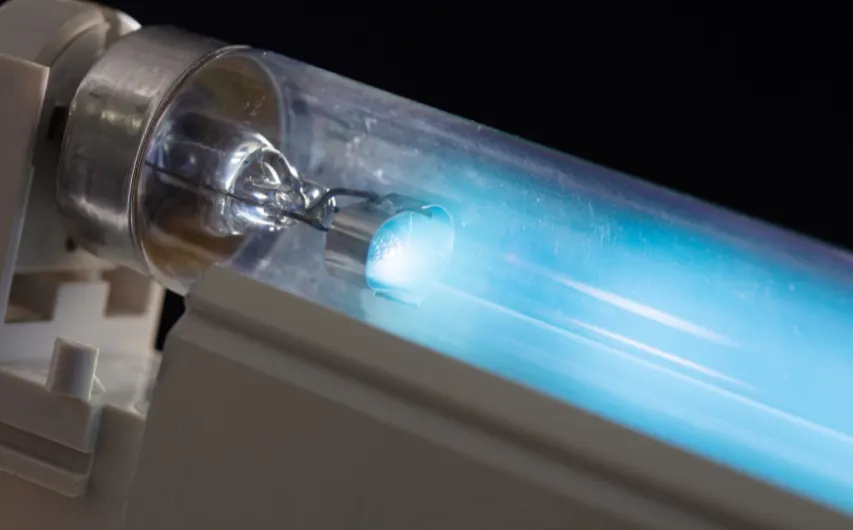
What is UV-C Light?
- UV Light Spectrum: UV light is a type of light we can’t see. It has three types: UV-A, UV-B, and UV-C.
- UV-C: This type has the strongest germ-killing power. It is used in hospitals and now in air purifiers to clean air and surfaces.
- Artificial UV-C: UV-C light doesn’t reach us from the sun because the ozone layer blocks it. That’s why scientists make UV-C bulbs for cleaning purposes.
How Does UV-C Light Work in Air Purifiers?
- Kills Germs: UV-C light destroys the DNA of germs like bacteria, mold, and viruses. This makes them harmless.
- Inside the Air Purifier: In air purifiers, UV-C light is used inside a special compartment. Air passes through this section, and the light kills the germs.
- Why It’s Different: Unlike filters that trap particles, UV-C light actually kills germs. This makes it a great partner to HEPA filters.
Comparison Table: UV-C vs. Other Air Purification Methods
| Feature | UV-C Light | HEPA Filters | Activated Carbon |
|---|---|---|---|
| Removes Germs | Yes | No | No |
| Traps Dust and Pollen | No | Yes | No |
| Removes Odors | No | No | Yes |
| Maintenance | Low | High | Moderate |
Takeaway: UV-C light is excellent at killing germs, but it works best when used with a HEPA filter to trap dust and allergens.
Why is UV-C Light So Popular?
UV-C light has been used in hospitals for years to sterilize equipment. It’s now being used in homes to help families breathe cleaner air.
Imagine having hospital-grade air cleaning in your living room. Doesn’t that sound amazing?
Safety Concerns of UV-C Light
UV-C light is powerful, but it must be used correctly to stay safe. Let’s talk about some possible risks and how to avoid them.
1. Direct Exposure to UV-C Light
- The Risk: UV-C light can harm your skin and eyes if you are directly exposed to it.
- How It’s Controlled:
- Air purifiers keep the light inside sealed chambers so it doesn’t escape.
- Look for safety certifications like UL or ETL to ensure proper design.
2. Ozone Production
- The Concern: Some older UV-C bulbs produce ozone, a gas that can cause breathing problems.
- The Solution:
- Modern purifiers use ozone-free UV-C bulbs, which are safe for indoor air.
- Always check product labels for “ozone-free” technology.
3. Fast Airflow Can Limit Effectiveness
- The Problem: If air moves too quickly through the purifier, germs might not get enough time under the UV-C light to be neutralized.
- What to Look For:
- Choose air purifiers designed to slow the air down while it passes through the UV-C chamber.
- Combine UV-C light with a HEPA filter for the best results.
Example of UV-C Safety in Action
In a 2022 study, hospitals tested UV-C air purifiers and saw a huge drop in airborne germs. The devices were safe to use and didn’t cause harm to staff or patients.
Benefits of UV-C Light in Air Purifiers
Now let’s look at why so many people are choosing UV-C air purifiers for their homes.
1. Better Indoor Air Quality
- UV-C light kills bacteria, viruses, and mold that other filters can’t trap.
- It’s especially helpful for:
- People with allergies or asthma.
- Families with young children or seniors.
- Homes with pets, which can carry germs.
Quick Fact: UV-C light can kill up to 99.9% of germs when used properly.
2. Low Maintenance
- UV-C bulbs last a long time—usually 6 to 12 months—before needing replacement.
- This makes them easier to maintain than HEPA filters, which need frequent changes.
3. Compact and Space-Saving
- UV-C technology is small enough to fit into compact purifiers, perfect for:
- Bedrooms.
- Offices.
- Small apartments.
Safety and Benefits Recap Table
| Aspect | Safety Measures | Key Benefits |
|---|---|---|
| UV-C Light Exposure | Sealed chambers, certifications | Kills bacteria and viruses |
| Ozone Risk | Ozone-free UV-C bulbs | Safer for homes and pets |
| Fast Airflow Concerns | Optimized airflow design | Improves air quality |
Isn’t it amazing that a small device can make such a big difference in the air you breathe?
Practical Tips for Using UV-C Air Purifiers
Using a UV-C air purifier correctly ensures you get the best results and keep your home safe. Here are some tips to help you out.
1. Choose the Right Purifier
- Look for ozone-free UV-C technology: This eliminates the risk of harmful ozone emissions.
- Check for certifications: Labels like UL or ETL confirm the purifier meets safety standards.
- Combine technologies: Pick models that also include HEPA filters to trap dust and allergens.
2. Place the Purifier Correctly
- Put it in rooms where you spend the most time, like:
- Bedrooms.
- Living rooms.
- Offices.
- Avoid blocking the purifier: Place it where the air can flow freely around it.
3. Maintain Your Purifier
- Change the UV-C bulb regularly: Most need replacing every 6 to 12 months.
- Clean the device: Dust can build up and reduce performance, so follow the cleaning instructions in the manual.
4. Consider New Technologies
- Far-UVC Light (222 nm): Safer for humans and pets, this new type of UV-C light kills germs without the risks of traditional UV-C.
- Smart Purifiers: Some devices adjust automatically based on air quality, making them even more convenient.
FAQs: Your Questions Answered
1. Is UV-C light safe for humans?
Yes, as long as it’s used correctly. Modern air purifiers keep UV-C light in sealed chambers, so there’s no direct exposure to people or pets.
2. Do UV-C air purifiers produce ozone?
Most newer models use ozone-free UV-C bulbs. Always check the product description to confirm it’s safe for indoor use.
3. Are UV-C air purifiers effective against viruses like COVID-19?
Yes, studies show that UV-C light can inactivate viruses, including SARS-CoV-2. For best results, combine UV-C light with HEPA filters.
4. How often should UV-C bulbs be replaced?
UV-C bulbs last about 6 to 12 months. Replace them as recommended by the manufacturer to keep your purifier working effectively.
5. Are UV-C air purifiers safe for pets?
Yes, as long as the UV-C light is contained. Most devices are designed to be safe for both humans and animals.
Conclusion
UV-C light in air purifiers is a powerful tool for keeping your indoor air clean and germ-free. When used properly, it’s safe, effective, and easy to maintain. By combining UV-C technology with HEPA filters, you can enjoy the best of both worlds—cleaner air and a healthier home. Hope you have gotten the answer of the question – is uv-c light safe in air purifier.
Whether you’re a busy parent, a pet owner, or someone with allergies, a UV-C air purifier can make a big difference in your life. With advancements like ozone-free technology and smart features, these devices are becoming safer and more effective than ever.
Have you tried a UV-C air purifier in your home? Share your experience in the comments below, or ask questions to find the perfect purifier for your needs!