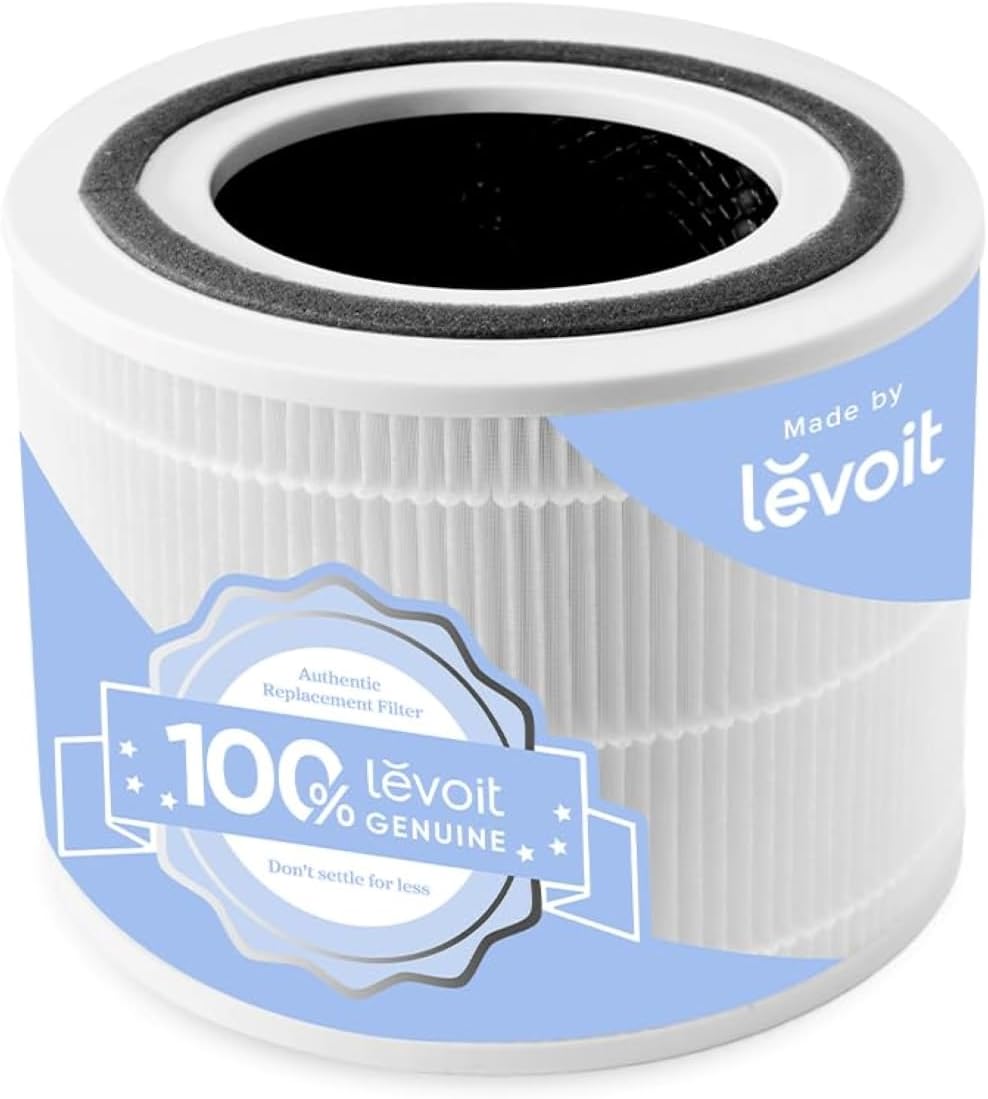
Is Blueair a Good Air Purifier? Proven Essential Choice

Yes, Blueair is a good air purifier, often considered an essential choice for many due to its effective filtration, energy efficiency, and user-friendly design, making it a reliable option for cleaner indoor air.
Breathe easier knowing your home is filled with fresh, clean air. Many of us worry about the air we breathe indoors. Dust, allergens, and even tiny particles can affect our health and comfort. You might be wondering if a Blueair air purifier is the right solution for your home. This guide will help you understand if Blueair is a good air purifier by looking at its features, performance, and what makes it stand out. We’ll explore everything you need to know to make an informed choice for your family’s well-being.
Is Blueair a Good Air Purifier for Allergies?
Blueair air purifiers are excellent for allergy sufferers. They use advanced filtration systems to capture common allergens like pollen, dust mites, and pet dander. These tiny particles are a major trigger for allergy symptoms. By removing them from your air, Blueair helps reduce sneezing, itchy eyes, and congestion.
The HEPA-type filters in many Blueair models are designed to trap even very small particles. This means you can enjoy a more comfortable home environment, especially during allergy season. Many users report significant relief from their allergy symptoms after using Blueair purifiers.
Blueair’s Filtration Technology Explained

Blueair uses a unique combination of mechanical and electrostatic filtration. This technology is called HEPASilent™. It works by charging particles in the air. Then, these charged particles are captured by a filter.
This method allows Blueair to use less dense filters. This means less air resistance. As a result, the purifiers can clean air more quietly and use less energy. It’s a smart way to achieve high filtration rates without making a lot of noise.
Mechanical Filtration: Physically traps larger particles like dust and hair.
Electrostatic Filtration: Charges smaller particles, making them easier to capture.
Activated Carbon: Removes odors and gases from the air.
This multi-stage approach ensures that a wide range of pollutants are effectively removed from your living space.
How Well Do Blueair Air Purifiers Remove Smoke and Odors?
Blueair air purifiers are very effective at removing smoke and unpleasant odors. This is thanks to their activated carbon filters. These filters act like sponges, absorbing volatile organic compounds (VOCs) and other odor-causing molecules.
Whether it’s cooking smells, pet odors, or smoke from wildfires or cigarettes, Blueair can make a noticeable difference. Many models combine their particle filters with a substantial amount of activated carbon. This dual action tackles both airborne particles and smells.
Tackling Common Household Odors
Many homes experience lingering odors. These can come from cooking, pets, or even just general staleness. Blueair purifiers with activated carbon filters can significantly improve your home’s air quality. They don’t just mask odors; they help eliminate them.
For example, if you love to cook, a Blueair unit can quickly clear the air after meals. Similarly, pet owners find that these purifiers reduce common pet smells. This creates a fresher, more inviting atmosphere.
Are Blueair Air Purifiers Energy Efficient?
Yes, Blueair air purifiers are known for their energy efficiency. Their HEPASilent™ technology plays a big role in this. Because the filters don’t require a strong fan to push air through, they use less electricity.
Many Blueair models have energy consumption ratings comparable to a light bulb. This means you can run them continuously without worrying about a huge increase in your electricity bill. Energy Star certification is common for many of their products. This further confirms their commitment to low energy use.
Comparing Energy Consumption
Let’s look at how Blueair compares to other air purifiers. Many standard air purifiers need powerful fans to achieve good filtration. This leads to higher energy use. Blueair’s innovative technology allows for effective air cleaning with minimal power.
| Air Purifier Feature | Blueair (Typical) | Other Brands (Typical) |
| :——————- | :—————- | :——————— |
| Energy Consumption | Low (e.g., 5-50W) | Moderate to High (e.g., 20-100W+) |
| Noise Level | Quiet | Can be noisy at higher settings |
| Filtration Method | HEPASilent™ | Primarily mechanical filtration |
This table shows that Blueair offers a more energy-conscious option for continuous air purification.
What is the Noise Level of Blueair Air Purifiers?
Blueair air purifiers are designed to be very quiet. Their HEPASilent™ technology allows them to move a large volume of air with minimal sound. This is a significant advantage, especially if you plan to use the purifier in a bedroom or living area.
Most Blueair models operate at noise levels comparable to a quiet conversation or a library. Even at higher fan speeds, the noise is often described as a gentle hum rather than an intrusive drone. This makes them suitable for all-day and all-night use.
Understanding Decibel Levels
Decibel (dB) is a unit used to measure sound intensity. For reference, a whisper is about 30 dB, and a normal conversation is around 60 dB. Blueair purifiers typically range from 20 dB to 50 dB, depending on the fan speed and model.
Low Setting: Often around 20-30 dB (quieter than a whisper).
Medium Setting: Around 30-40 dB (similar to a quiet room).
High Setting: Around 40-50 dB (comparable to a quiet conversation).
This quiet operation ensures that the air purifier enhances your environment without disrupting it.
How Do Blueair Air Purifiers Perform in Larger Rooms?
Blueair offers models specifically designed for larger rooms. They are rated by their CADR (Clean Air Delivery Rate). CADR measures how quickly an air purifier can clean the air. A higher CADR means it can handle larger spaces more effectively.
Blueair’s efficient filtration systems ensure that even in spacious areas, the air is cleaned thoroughly. Many of their larger units can circulate and purify the air in a room multiple times per hour. This is crucial for maintaining good air quality in open-plan living spaces or large bedrooms.
Choosing the Right Size Blueair Unit
It’s important to match the Blueair model to the size of your room. The manufacturer provides recommended room sizes for each model. This ensures optimal performance. Using a unit that is too small for a large room will be less effective.
A good rule of thumb is to look at the CADR rating and the manufacturer’s suggested room coverage. For example, a unit rated for 500 sq ft will perform much better in a 200 sq ft room than in a 700 sq ft room. Always check the specifications for the specific Blueair model you are considering.
Are Blueair Air Purifiers Easy to Use and Maintain?
Yes, Blueair air purifiers are generally very easy to use and maintain. They are designed with simplicity in mind. Most models feature straightforward controls, often with just a few buttons or a simple dial.
Maintenance typically involves cleaning the pre-filters and replacing the main filters. The frequency of filter replacement depends on usage and air quality. Blueair usually provides clear instructions for this process. Many users appreciate the hassle-free experience.
Filter Replacement and Costs
Replacing filters is the main ongoing cost of owning an air purifier. Blueair filters are designed to last for a significant period, often 6 to 12 months. This helps to manage the long-term cost of ownership.
The cost of replacement filters can vary by model. It’s wise to factor this into your overall budget when purchasing a Blueair unit. You can usually purchase filters directly from Blueair or authorized retailers. Keeping filters clean and replacing them on time ensures your Blueair continues to perform at its best.
What Are the Different Types of Blueair Air Purifiers?
Blueair offers a range of air purifiers to suit different needs and budgets. They have several product lines, each with unique features. Some popular lines include the Blue Pure series, the Classic series, and the HealthProtect™ series.
Blue Pure Series: These are often more budget-friendly and focus on essential air purification with a simple design. They are very easy to use, with just one button operation.
Classic Series: These models offer more advanced features and higher performance for larger spaces. They often include multiple fan speeds and air quality sensors.
HealthProtect™ Series: This is their premium line, offering advanced features like UV-C light for germicidal disinfection and enhanced smart capabilities.
This variety ensures there’s likely a Blueair model that fits your specific requirements and lifestyle.
Are Blueair Air Purifiers Worth the Price?
The question of whether Blueair air purifiers are worth the price depends on your priorities. Blueair units are often priced in the mid to high range compared to some competitors. However, they offer strong performance, energy efficiency, and quiet operation.
Considering their effective filtration, durable build, and long-term cost-effectiveness (due to energy efficiency and filter lifespan), many users find them to be a worthwhile investment. If you are looking for a reliable, high-performing air purifier that won’t break the bank on electricity, Blueair is a strong contender.
Value Proposition of Blueair
Blueair provides a good balance of performance and features. Their HEPASilent™ technology is a key differentiator. It allows for high air cleaning rates with low noise and energy consumption. This combination offers significant value over the lifespan of the unit.
For those with allergies, asthma, or general concerns about indoor air quality, the health benefits can outweigh the initial cost. Investing in a Blueair purifier can lead to a healthier and more comfortable living environment.
Blueair vs. Competitors: Key Differences
When comparing Blueair to other air purifier brands, several factors stand out. Competitors like Coway, Levoit, and Dyson offer different technologies and price points.
Coway: Often praised for strong performance and smart features at competitive prices.
Levoit: Known for offering very affordable options, especially for smaller rooms.
Dyson: Focuses on multi-functional devices (purifier, fan, heater) with high-end design and technology, often at a premium price.
Blueair’s unique selling proposition lies in its HEPASilent™ filtration, which prioritizes quiet operation and energy efficiency alongside effective particle removal. While some competitors might offer lower upfront costs or additional features like humidification, Blueair consistently delivers on core air purification performance.
Performance Metrics Comparison
| Brand | Primary Filtration Tech | Noise Level (Low/High) | Energy Efficiency | Typical Price Range |
| :——– | :———————- | :——————— | :—————- | :—————— |
| Blueair | HEPASilent™ | Very Quiet (20-50 dB) | High | Mid to High |
| Coway | True HEPA, Carbon | Quiet to Moderate | Good | Mid |
| Levoit | True HEPA, Carbon | Moderate | Moderate | Low to Mid |
| Dyson | HEPA, Activated Carbon | Moderate to High | Moderate | High to Premium |
This comparison highlights that Blueair excels in quietness and energy savings, making it a strong choice for continuous operation.
Frequently Asked Questions About Blueair Air Purifiers
Q1: Do Blueair air purifiers actually work?
Yes, Blueair air purifiers are proven to work effectively. They use advanced filtration technology to remove a wide range of pollutants from your indoor air. Many users report significant improvements in air quality and relief from symptoms like allergies and asthma.
Q2: How often do I need to replace Blueair filters?
Filter replacement for Blueair units typically occurs every 6 to 12 months. This depends on the specific model, how often you use the purifier, and the air quality in your home. The unit itself will often indicate when it’s time for a filter change.
Q3: Are Blueair purifiers good for pets?
Blueair air purifiers are excellent for pet owners. They effectively capture pet dander, which is a common allergen. They also do a great job of removing pet odors thanks to their activated carbon filters.
Q4: Can Blueair air purifiers help with smoke?
Yes, Blueair air purifiers are very effective at removing smoke, including smoke from wildfires, cooking, and cigarettes. The combination of particle filtration and activated carbon filters works to capture smoke particles and neutralize the associated odors.
Q5: Are Blueair air purifiers noisy?
Blueair air purifiers are known for being very quiet. Their HEPASilent™ technology allows them to purify air effectively with minimal noise, often comparable to a whisper or a quiet room.
Q6: Where are Blueair air purifiers made?
Blueair products are designed in Sweden and manufactured in their own factories, primarily located in China. They maintain strict quality control standards across all their manufacturing facilities.
Conclusion: Blueair – A Proven Essential Choice for Clean Air
After reviewing its features, performance, and user feedback, it’s clear that Blueair is a good air purifier. It stands out as a proven essential choice for anyone seeking cleaner indoor air. The HEPASilent™ technology offers a winning combination of effective filtration, quiet operation, and energy efficiency.
Whether you struggle with allergies, want to eliminate odors, or simply desire a healthier home environment, Blueair delivers. Its ease of use and range of models ensure there’s a solution for most needs and room sizes. While the initial investment might be higher than some basic models, the long-term benefits of cleaner air and lower energy costs make Blueair a valuable choice for your home’s well-being.
If you’re ready to breathe easier, consider making a Blueair air purifier your essential choice for a healthier home.