Ionic Air Purifiers vs HEPA: Proven Clean Air

Ionic air purifiers vs HEPA air purifiers: Understand the key differences to choose the best option for proven clean air in your home. This guide breaks down the technology, pros, cons, and real-world effectiveness of each, helping you make an informed decision for a healthier living space.
The air in our homes can get dusty and stuffy. Sometimes, tiny particles like pollen, pet dander, and even smoke can float around. You might be wondering how to get the cleanest air possible. Two popular types of air purifiers are ionic and HEPA. They work differently to clean your air, and it can be confusing to know which one is best. I’m here to help you understand the difference between ionic air purifiers vs HEPA air purifiers so you can breathe easier.
What Exactly Are Ionic Air Purifiers?
Ionic air purifiers work by releasing negative ions into the air. These ions then attach to airborne particles like dust and pollen. This process makes the particles heavier, causing them to fall to the floor or stick to surfaces. Some ionic purifiers also have a collection plate that attracts these charged particles.
This technology can be quite effective at removing small particles from the air. It’s a silent way to help clear out your indoor environment. The ions themselves are just charged atoms, and they work to neutralize pollutants.
How Do HEPA Air Purifiers Clean the Air?
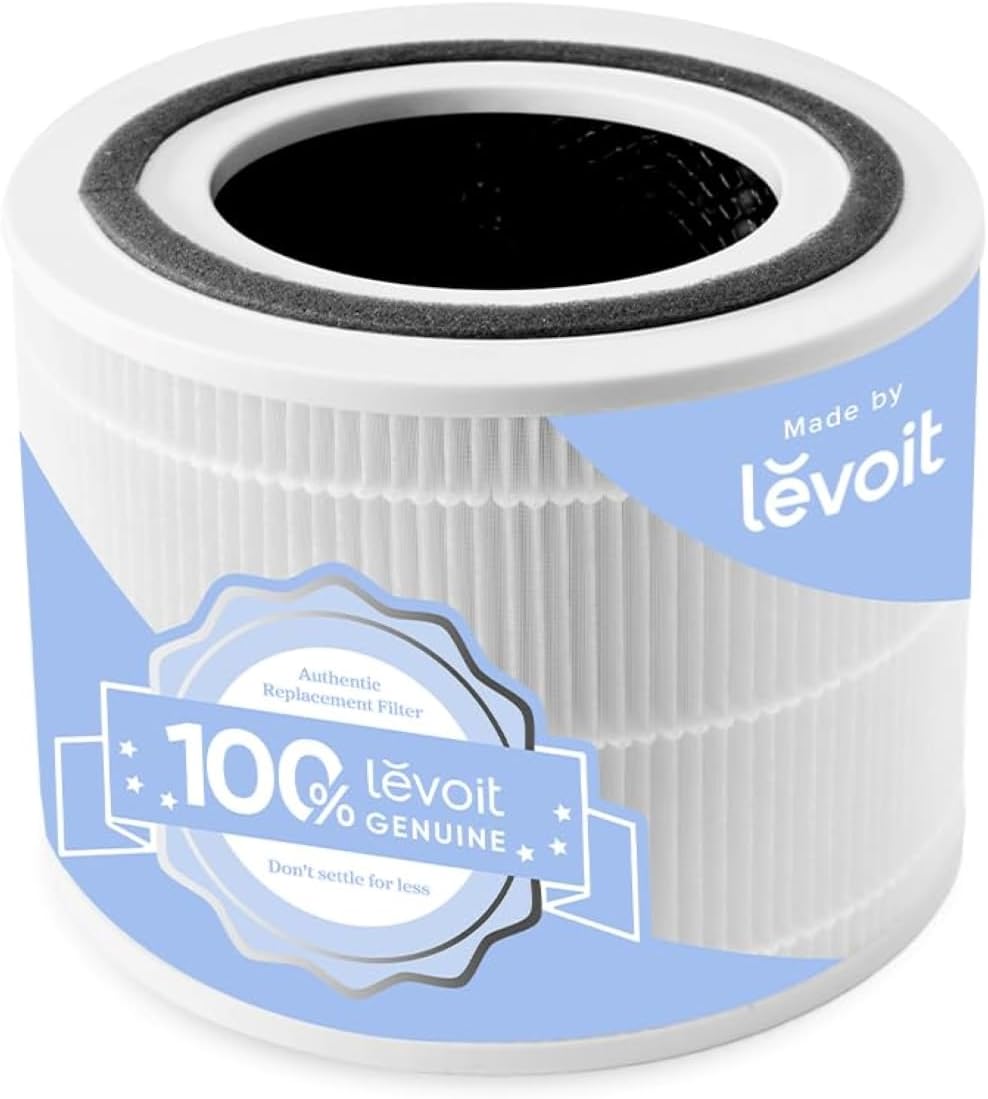
HEPA stands for High-Efficiency Particulate Air. A HEPA filter is a mechanical filter that traps particles as air passes through it. Think of it like a very fine sieve. For a filter to be considered true HEPA, it must capture at least 99.97% of particles that are 0.3 microns in size.
These filters are incredibly dense and are designed to catch even the smallest airborne contaminants. They are a physical barrier against pollutants. This makes them a trusted choice for many people.
Ionic Air Purifiers vs HEPA Air Purifiers: The Core Differences
The main difference lies in how they remove particles. Ionic purifiers use electrical charges to make particles fall out of the air. HEPA purifiers use a physical filter to trap particles. Ionic purifiers don’t actually remove particles from the air; they just make them settle.
HEPA filters physically capture and hold onto these particles. This means the particles are removed from the air circulation. This distinction is crucial when considering which type of purifier is right for you.
Pros and Cons of Ionic Air Purifiers
Ionic air purifiers are often smaller and quieter than HEPA models. They also don’t require filter replacements, which can save money over time. However, they can produce ozone as a byproduct, which is a lung irritant.
Another downside is that particles that fall to the floor can be stirred up again. This means you might need to clean your surfaces more often. The effectiveness can also vary depending on the model and its ion output.
Pros and Cons of HEPA Air Purifiers
HEPA air purifiers are excellent at capturing a wide range of particles, including allergens, dust, and mold spores. They are proven to be highly effective for people with allergies or asthma. True HEPA filters do not produce ozone.
The main drawback is that HEPA filters need to be replaced regularly, which adds to the ongoing cost. These purifiers can also be larger and make more noise due to the fan needed to push air through the dense filter.
Understanding Particle Size and Removal
Particles in the air range in size. Some are large, like visible dust bunnies. Others are microscopic, like bacteria and viruses. HEPA filters are rated to capture particles as small as 0.3 microns.
Ionic purifiers can affect particles of various sizes, but their effectiveness can decrease with very fine particles. The ozone produced by some ionic models can actually break down larger particles into smaller ones. This can be counterproductive for true air cleaning.
Ozone Production: A Key Concern with Ionic Purifiers
Ozone is a gas that can irritate your lungs. It’s a byproduct of some ionic air purifiers. The U.S. Environmental Protection Agency (EPA) warns that ozone can trigger asthma and other respiratory problems.
While some manufacturers claim their ionic purifiers produce minimal ozone, it’s still a potential risk. If you have respiratory sensitivities, this is a significant factor to consider. HEPA purifiers do not produce ozone.
Which Technology is Better for Allergies and Asthma?
For people suffering from allergies and asthma, HEPA air purifiers are generally recommended. The physical filtration of HEPA filters captures common allergens like pollen, pet dander, and dust mites. These are the triggers that often cause discomfort for sensitive individuals.
While ionic purifiers can help reduce settled dust, they don’t physically remove allergens from the air in the same way. The potential for ozone production is also a concern for those with respiratory issues.
Real-World Performance: Studies and Evidence
Studies have shown the effectiveness of HEPA filters in removing airborne particles. For instance, research published in the Journal of Allergy and Clinical Immunology has highlighted the benefits of HEPA filtration for improving indoor air quality and reducing allergy symptoms.
While some studies show ionic purifiers can reduce particulate matter, concerns about ozone remain. The EPA advises caution regarding ozone-generating air cleaners. This evidence points towards HEPA as a more reliable and safer option for consistent air purification.
Maintenance and Cost Considerations
When choosing between ionic air purifiers vs HEPA air purifiers, consider ongoing costs. Ionic purifiers typically have no filters to replace, making their initial purchase price potentially the only cost. However, you may need to clean collection plates periodically.
HEPA purifiers require filter replacements every 6-12 months, depending on usage and air quality. These replacement filters can add up over the life of the unit. It’s important to factor this into your budget.
Hybrid Models: The Best of Both Worlds?
Some air purifiers combine technologies. These hybrid models might use a HEPA filter along with an ionizer or UV-C light. The idea is to get the comprehensive filtration of HEPA plus additional purification methods.
It’s important to check how these hybrid units handle ozone. If the ionizer component is not well-controlled or can be turned off, it might still pose a risk. Always look for certifications that confirm low or no ozone output.
Choosing the Right Air Purifier for Your Needs
When deciding between ionic air purifiers vs HEPA air purifiers, think about your priorities. If you need to capture allergens and have respiratory issues, a true HEPA purifier is likely your best bet. They offer proven, safe filtration without harmful byproducts.
If your main concern is reducing settled dust and you are not sensitive to ozone, an ionic purifier might be a budget-friendly option. However, for overall proven clean air, HEPA technology stands out. Consider your specific needs for a healthier home environment.
Frequently Asked Questions About Ionic and HEPA Air Purifiers
Do ionic air purifiers really work?
Yes, ionic air purifiers can help reduce airborne particles by causing them to settle. However, they don’t physically remove particles from the air and can produce ozone, which is a lung irritant.
Are HEPA filters safe?
Yes, true HEPA filters are very safe. They physically trap particles without producing harmful byproducts like ozone. They are a trusted choice for improving indoor air quality.
Can ionic air purifiers cause breathing problems?
Some ionic air purifiers can produce ozone, which is known to irritate the lungs and worsen conditions like asthma. It’s important to choose models that are certified to produce very little or no ozone.
How often should I replace a HEPA filter?
HEPA filters typically need to be replaced every 6 to 12 months. This can vary based on the air purifier’s usage and the quality of your indoor air. Always check the manufacturer’s recommendations.
What is the difference between HEPA and HEPA-type filters?
A true HEPA filter is certified to capture at least 99.97% of particles 0.3 microns in size. A “HEPA-type” or “HEPA-like” filter may capture a high percentage of particles but does not meet the strict HEPA standard.
Which type of air purifier is best for pet dander?
HEPA air purifiers are excellent for pet dander. Their dense filters capture these common allergens effectively, helping to reduce allergy symptoms for pet owners.
Conclusion: Making the Best Choice for Proven Clean Air
When comparing ionic air purifiers vs HEPA air purifiers, the evidence points to HEPA as the superior technology for proven clean air. HEPA filters offer reliable, physical capture of a wide range of pollutants without producing harmful ozone. This makes them ideal for anyone concerned about allergies, asthma, or general indoor air quality.
While ionic purifiers might seem appealing due to their lower maintenance, the potential health risks associated with ozone production cannot be ignored. For a truly cleaner and healthier home environment, investing in a true HEPA air purifier is a wise decision. You can find great options that fit various budgets. I encourage you to explore models that meet your specific needs.