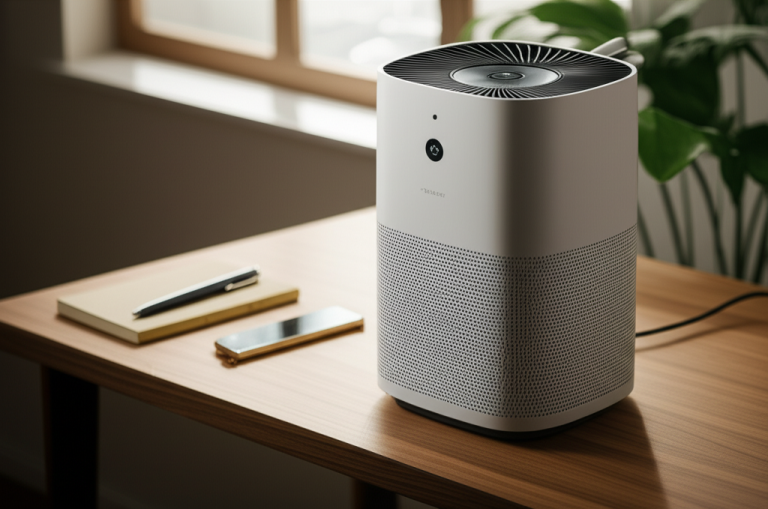
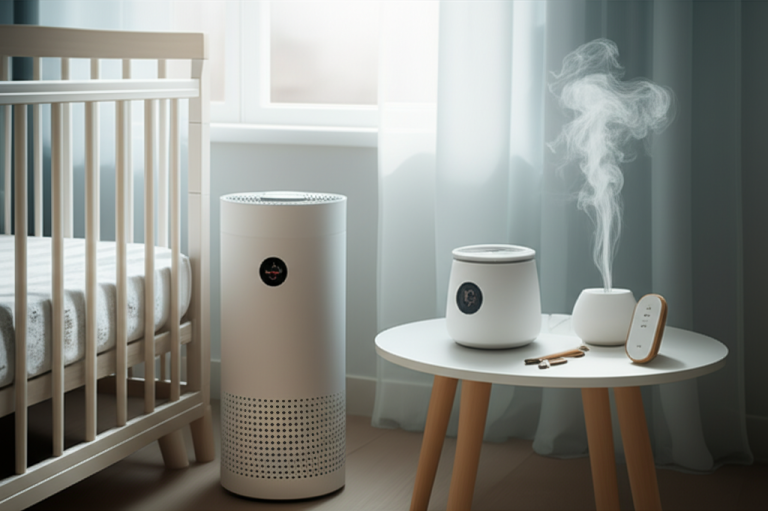
Ionic Air Purifiers For Home Use: Essential Guide

Ionic air purifiers for home use offer a way to clean your indoor air by releasing charged particles. This guide helps you understand how they work, their benefits, potential drawbacks, and how to choose the best ionic air purifier for your home. Learn if they are the right choice for your family’s health and comfort.
The air inside your home can sometimes be dirtier than the air outside. Dust, pollen, pet dander, and even cooking fumes can make your indoor air quality poor. This can lead to allergies, breathing problems, and general discomfort. Many people wonder if there’s an easy way to improve their home’s air. This is where ionic air purifiers for home use come into play. They promise cleaner air with less hassle. We’ll walk you through everything you need to know about them so you can make an informed decision for a healthier living space.
What Exactly Are Ionic Air Purifiers for Home Use?
Ionic air purifiers for home use work by releasing negatively charged ions into the air. These ions attach to positively charged particles like dust, pollen, and smoke. The charged particles then stick to surfaces like walls and furniture, or they clump together and fall to the floor. This makes them easier to clean up. They are a popular choice for home use because they are often quiet and do not require expensive replacement filters.
How Do Ionic Air Purifiers Clean Your Air?
These purifiers use a process called electrostatic precipitation. A special component inside the unit, called an emitter or ionizer, generates a high-voltage electric field. This field causes air molecules to gain an electrical charge, becoming negative ions. When these negative ions encounter airborne particles, they transfer their charge. The now-charged particles are attracted to surfaces or to each other.
The Science Behind Ionization
The process relies on basic physics. Think of it like static electricity. When you rub a balloon on your hair, it creates static. In an ionic purifier, a controlled electrical charge is used to make tiny particles in the air gain a charge. This charge helps them to either be attracted to collection plates within the purifier or to stick to surfaces around the room. This is a very effective way to remove even very small particles from the air.
Benefits of Using Ionic Air Purifiers at Home
One of the biggest advantages of ionic air purifiers for home use is their ability to capture very fine particles. These can include things like viruses and bacteria that other purifiers might miss. They also tend to be very quiet, making them ideal for bedrooms or offices. Another plus is that many don’t need regular filter replacements, which can save money over time.
Allergy and Asthma Relief
For people suffering from allergies or asthma, cleaner air can mean a significant improvement in symptoms. By removing allergens like pollen, pet dander, and dust mites from the air, ionic purifiers can help reduce sneezing, coughing, and itchy eyes. This can lead to better sleep and overall well-being. According to the American College of Allergy, Asthma & Immunology, indoor air quality plays a crucial role in managing these conditions.
Odor Elimination
Beyond just dust and allergens, ionic air purifiers can also help tackle unpleasant odors. Smoke, cooking smells, and pet odors are often made up of tiny particles. The negative ions can attach to these odor-causing particles, making them settle out of the air or get trapped. This leaves your home smelling fresher and cleaner.
Potential Drawbacks and Concerns
While ionic air purifiers for home use offer many benefits, it’s important to be aware of potential downsides. One concern is the production of ozone. Some ionic purifiers can release small amounts of ozone as a byproduct of the ionization process. Ozone is a lung irritant and can be harmful, especially to those with respiratory issues. It’s crucial to choose models that are certified for low or no ozone production.
Ozone Production: What You Need to Know
Ozone is a gas that can be produced when the electrical discharge in some ionic purifiers interacts with oxygen molecules in the air. While a small amount of ozone might not bother some people, larger amounts can irritate the lungs. This can worsen conditions like asthma. Look for certifications like UL or CARB (California Air Resources Board) that ensure the purifier meets strict ozone emission standards.
Particle Re-suspension and Surface Dust
Since ionic purifiers work by causing particles to stick to surfaces, you might notice more dust settling on furniture, walls, or floors. This means you’ll need to dust and vacuum more frequently. If the purifier isn’t designed to collect these particles on a washable plate, they can sometimes be re-suspended into the air by air currents. Regular cleaning of the collection plates or the unit itself is vital.
How to Choose the Best Ionic Air Purifier for Your Home
When selecting an ionic air purifier for home use, consider several factors. First, check for ozone certification. Look for CARB certification, which is a good indicator of safety. Secondly, think about the size of the room you want to purify. Manufacturers usually provide a recommended room size for their units.
Key Features to Look For
Ozone Certification: Ensure it’s UL or CARB certified for low or no ozone emissions.
Room Size Coverage: Match the purifier’s capacity to your room dimensions.
Ease of Cleaning: Check if collection plates are removable and washable.
Energy Efficiency: Look for Energy Star ratings.
* Noise Level: Consider decibel ratings, especially for bedrooms.
Comparing Ionic Purifiers to Other Types
There are other types of air purifiers available. HEPA filters are very effective at trapping particles but require regular filter replacement. Activated carbon filters are great for odors and gases but don’t capture particles as well. Some purifiers use a combination of technologies. Ionic purifiers are often a good choice for quiet operation and no filter costs, but ozone and surface dust are points to watch.
Here’s a quick comparison:
| Feature | Ionic Air Purifier | HEPA Air Purifier | Activated Carbon Air Purifier |
| :—————- | :———————————————– | :———————————————— | :————————————————- |
| Particle Capture | Good, especially fine particles | Excellent, captures 99.97% of particles 0.3 microns | Poor for particles |
| Ozone Production | Potential concern, look for certification | None | None |
| Filter Costs | Generally none (washable plates) | Requires regular filter replacement | Requires regular filter replacement |
| Noise Level | Usually very quiet | Can be louder due to fan | Can be louder due to fan |
| Odor Control | Moderate | Limited | Excellent for gases and odors |
Maintaining Your Ionic Air Purifier
Proper maintenance is key to keeping your ionic air purifier for home use working effectively and safely. Most units have washable collection plates or pre-filters. These need to be cleaned regularly, often every few weeks, depending on usage and air quality. Unplug the unit before cleaning. You can usually wipe down the plates with a damp cloth or mild soap and water.
Cleaning Schedule and Tips
A good rule of thumb is to clean the collection plates every 2–4 weeks. Refer to your purifier’s manual for specific instructions. Ensure the unit is completely dry before plugging it back in. This prevents electrical issues. Also, keep the air intake and outlet vents clear of obstructions. Dust buildup on the emitter points can reduce efficiency.
Are Ionic Air Purifiers Safe for Pets and Children?
For most homes, certified ionic air purifiers for home use are safe for pets and children. The primary concern is ozone production. If you choose a model that is certified low-ozone or ozone-free, the risk is minimal. Pets, especially birds, can be more sensitive to air quality changes. Always ensure the unit is placed out of reach of very young children and curious pets.
Choosing a Pet-Friendly Model
If you have pets, look for models specifically designed for pet owners. These often have enhanced features for capturing pet dander and odors. Again, prioritize ozone-free certifications. A clean home environment benefits everyone, including your furry friends. According to the Humane Society of the United States, maintaining good indoor air quality can also help reduce pet-related health issues.
Where to Place Your Ionic Air Purifier
The placement of your ionic air purifier for home use can affect its performance. For best results, place it in the room where you spend the most time, such as the bedroom or living room. Ensure there is adequate airflow around the unit. Do not place it directly against a wall or furniture. This allows the air to circulate freely through the purifier.
Optimizing Airflow for Better Purification
Avoid placing the purifier in corners or behind large objects that might block the air intake or output. A central location in the room often works best. If you are using it to target a specific source of pollution, like a smoking area or a pet’s favorite spot, place it nearby. However, always maintain a few inches of space around the unit for optimal operation.
Understanding Ozone and Its Effects
Ozone is a molecule made of three oxygen atoms. In the upper atmosphere, it protects us from the sun’s harmful UV rays. However, at ground level, ozone is a pollutant. It can irritate the lungs and make breathing difficult. The U.S. Environmental Protection Agency (EPA) states that ozone can trigger respiratory problems, reduce lung function, and aggravate lung diseases like asthma and bronchitis. Therefore, selecting an ozone-free or certified low-ozone ionic air purifier is paramount.
Frequently Asked Questions About Ionic Air Purifiers
Do ionic air purifiers really work?
Yes, ionic air purifiers for home use can effectively reduce airborne particles like dust, pollen, and smoke by charging them. However, it’s crucial to choose models certified as low or no ozone-producing to ensure they are safe.
Are ionic air purifiers safe for bedrooms?
They can be, especially if they are very quiet and certified ozone-free. The lack of filters means no ongoing costs. Just ensure good ventilation and regular cleaning of the collection plates.
What is the difference between an ionic air purifier and a HEPA air purifier?
HEPA purifiers use a physical filter to trap particles, capturing 99.97% of tiny particles. Ionic purifiers use an electrical charge to make particles stick to surfaces or collection plates, and some may produce ozone.
How often should I clean an ionic air purifier?
You should typically clean the collection plates or ionizer every 2 to 4 weeks. Always check your specific model’s manual for exact cleaning recommendations.
Can ionic air purifiers get rid of viruses?
Ionic purifiers can help reduce the concentration of airborne viruses by causing them to clump and settle. However, they are not a substitute for good hygiene practices like handwashing.
Are there any health risks associated with ionic air purifiers?
The main health risk is ozone production. If an ionic purifier produces ozone, it can irritate the lungs. Always opt for ozone-certified models.
Can I use an ionic air purifier with an asthma condition?
If you have asthma, it’s best to use an ozone-free certified ionic air purifier. Even low levels of ozone can trigger asthma symptoms. Consult your doctor for personalized advice.
Conclusion: Making the Right Choice for Your Home
Ionic air purifiers for home use offer a compelling solution for cleaner indoor air, particularly for those seeking quiet operation and no recurring filter costs. They are effective at capturing fine particles and can help alleviate allergy symptoms. However, it is absolutely critical to prioritize safety by choosing models that are certified ozone-free or produce minimal ozone. Always research brands and look for certifications like CARB. By understanding how they work, their benefits, and potential drawbacks, you can confidently select an ionic air purifier for home use that will contribute to a healthier and more comfortable living environment for you and your family.
We hope this guide has provided you with the essential knowledge to make an informed decision about ionic air purifiers for home use. Explore your options and breathe easier.