Best Rated Air Purifiers Consumer Reports: Essential Guide

Discover the best rated air purifiers consumer reports recommends to breathe easier. This essential guide breaks down expert insights and top picks, helping you choose a purifier that truly fits your home’s needs for cleaner, healthier air.
Breathing clean air is fundamental to our well-being, yet indoor air can often be more polluted than outdoor air. Allergens, pet dander, smoke, and even everyday cooking can fill your living space with unseen irritants. This can lead to uncomfortable symptoms like sneezing, coughing, and difficulty sleeping. If you’re searching for a solution, you’ve likely stumbled upon the invaluable resource of Consumer Reports. This guide will walk you through what Consumer Reports looks for and highlight some of the best rated air purifiers to help you make an informed decision for a healthier home.
Why Consumer Reports Air Purifier Ratings Matter
Consumer Reports is a trusted, independent organization dedicated to providing unbiased product reviews and recommendations. Their air purifier ratings are highly sought after because they are based on rigorous, in-house testing that goes beyond manufacturer claims. They evaluate purifiers on key performance metrics, ensuring you get a true picture of how a device will perform in your home.
What Consumer Reports Tests for in Air Purifiers
Consumer Reports subjects air purifiers to a battery of tests designed to simulate real-world conditions. They focus on critical areas that directly impact air quality and user experience. This comprehensive approach ensures that their recommendations are based on solid evidence, not just marketing hype.
HEPA Filter Efficiency and CADR
A primary focus of Consumer Reports is the effectiveness of the HEPA (High-Efficiency Particulate Air) filter. They meticulously test how well the purifier captures tiny particles like pollen, dust mites, and smoke. Equally important is the Clean Air Delivery Rate (CADR), which measures how quickly a purifier can clean a room of specific pollutants like smoke, dust, and pollen.
Noise Levels and Energy Consumption
Beyond performance, Consumer Reports also considers the practical aspects of owning an air purifier. They measure the noise levels at different fan speeds to ensure the device won’t be disruptive. Energy efficiency is another key factor, as they assess how much electricity the unit consumes to help you choose a model that is both effective and economical to run.
Ease of Use and Maintenance
A great air purifier is one you’ll actually use, so Consumer Reports evaluates how easy each model is to set up and operate. They also look at the cost and availability of replacement filters and how simple it is to maintain the unit. This ensures your chosen purifier remains effective and convenient over time.
Top Air Purifier Features to Look For
When selecting an air purifier, understanding key features will help you narrow down your options. Consumer Reports often highlights specific technologies and certifications that indicate a higher quality and more effective product. Focusing on these elements can significantly improve your chances of finding a purifier that meets your needs.
The Importance of a True HEPA Filter
Always prioritize air purifiers equipped with a “True HEPA” filter. This designation means the filter is certified to capture at least 99.97% of airborne particles 0.3 microns in size. This includes common allergens like pollen, pet dander, mold spores, and even some bacteria and viruses.
Activated Carbon Filters for Odors and VOCs
While HEPA filters excel at capturing particles, activated carbon filters are crucial for tackling gases, odors, and volatile organic compounds (VOCs). These compounds can be released from cleaning products, furniture, and paints, and an activated carbon filter helps to neutralize them, leading to a fresher-smelling home. Many of the best rated air purifiers consumer reports highlights combine both HEPA and activated carbon filtration.
Room Size and CADR Ratings
Matching the air purifier’s capacity to your room size is essential for effective air cleaning. Consumer Reports provides CADR ratings for smoke, dust, and pollen, which help you determine how quickly a unit can clean a specific volume of air. A general rule of thumb is to choose a purifier with a CADR that is at least two-thirds of the room’s square footage. For instance, a 150 sq ft room would benefit from a purifier with a smoke CADR of at least 100.
Additional Features: Smart Technology and Air Quality Sensors
Modern air purifiers often come with advanced features that enhance convenience and effectiveness. Smart technology allows for app control, scheduling, and voice commands, while built-in air quality sensors can automatically adjust fan speed based on detected pollutant levels. These features can provide a more seamless and responsive air purification experience.
Consumer Reports’ Top Air Purifier Picks (General Trends)
While specific model recommendations change annually based on new testing, Consumer Reports consistently highlights certain brands and types of air purifiers that perform exceptionally well. Understanding these general trends can guide your search even before the latest report is released.
Brands Consistently Ranking High
Certain manufacturers frequently appear in the top ranks of Consumer Reports’ air purifier reviews. Brands like Coway, Levoit, Blueair, and Winix often receive high marks for their combination of performance, features, and value. These brands have a proven track record of producing reliable and effective air purification solutions.
Understanding Performance Tiers
Consumer Reports typically categorizes air purifiers into performance tiers, such as “Excellent,” “Very Good,” and “Good.” When looking at their ratings, aim for models in the “Excellent” or “Very Good” categories for the best air cleaning capabilities. Pay close attention to how each model performs in specific areas like particle removal and odor reduction.
Budget-Friendly vs. Premium Options
Consumer Reports evaluates air purifiers across various price points. You’ll find excellent options in both budget-friendly and premium segments. While higher-priced models may offer more advanced features or larger coverage areas, many mid-range and even some affordable units deliver outstanding performance for their cost.
How to Choose the Best Air Purifier for Your Needs
Selecting the right air purifier involves considering your specific household needs and environmental concerns. It’s not just about picking the highest-rated model; it’s about finding the best fit for your situation. This personalized approach ensures you get the most value and benefit from your investment.
Identifying Your Primary Concerns: Allergies, Smoke, Pets, or Odors?
Your main reason for needing an air purifier will dictate the features you should prioritize. If allergies are your primary concern, a strong HEPA filter is paramount. For pet owners, look for purifiers with robust pre-filters to capture dander and hair, alongside effective HEPA filtration. If smoke or strong odors are an issue, an enhanced activated carbon filter will be crucial.
Room Size and Placement Considerations
The square footage of the room where you intend to use the air purifier is a critical factor. Ensure the unit’s CADR is appropriate for the space to achieve effective air changes per hour. Also, consider where you’ll place the purifier; it needs unobstructed airflow to function optimally, so avoid placing it directly against walls or furniture.
Ongoing Costs: Filter Replacement and Energy Use
Don’t forget to factor in the long-term costs associated with owning an air purifier. Replacement filters can add up, so check their price and availability before purchasing. Also, consider the unit’s energy consumption; look for ENERGY STAR certified models to minimize your electricity bill, especially if you plan to run the purifier continuously.
Understanding Air Purifier Technologies: Beyond HEPA
While HEPA and activated carbon filters are the cornerstones of most air purifiers, other technologies exist that can enhance performance or offer different benefits. Consumer Reports often discusses these, and understanding them can help you make a more informed choice.
The Role of Pre-filters
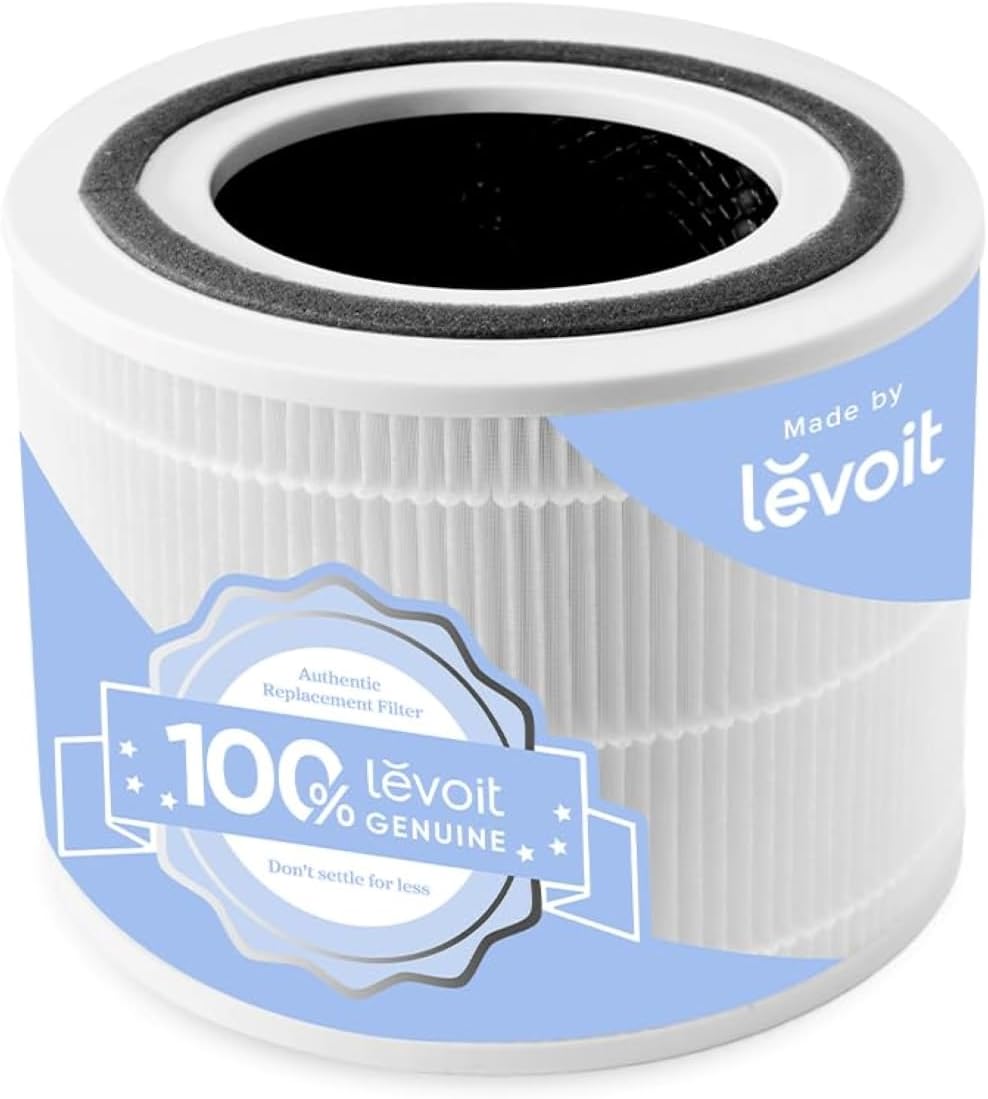
Most air purifiers include a pre-filter, often a washable mesh layer. Its primary job is to capture larger particles like dust, hair, and pet fur. This protects the more delicate HEPA and carbon filters, extending their lifespan and maintaining the purifier’s overall efficiency.
Ionizers and Ozone Production: A Word of Caution
Some air purifiers utilize ionizers to release negative ions into the air, which can help particles clump together and fall out of the air. However, ionizers can sometimes produce ozone as a byproduct, which can be a lung irritant. Consumer Reports often advises caution with these models, especially for individuals with respiratory sensitivities. Always check for ozone-free certifications.
UV-C Light for Germicidal Properties
Certain air purifiers incorporate UV-C light technology, which is designed to kill airborne bacteria, viruses, and mold spores. While potentially effective, the efficacy of UV-C in typical air purifiers can vary, and it’s important to ensure the UV-C component is properly shielded to prevent direct exposure.
Comparing Top-Rated Models: A Hypothetical Look
To illustrate how Consumer Reports’ findings translate into practical choices, let’s consider a hypothetical comparison of top-rated air purifiers based on common strengths. This example uses general characteristics often seen in highly-rated models.
| Feature/Model | Brand A (Allergy Focus) | Brand B (Odor & Smoke) | Brand C (Budget-Friendly) |
|—|—|—|—|
| Primary Filter | True HEPA | True HEPA + Enhanced Carbon | True HEPA |
| CADR (Smoke) | 120 | 150 | 90 |
| Room Coverage | Up to 300 sq ft | Up to 400 sq ft | Up to 200 sq ft |
| Noise Level | Very Quiet (Low Speed) | Moderate (Low Speed) | Noticeable (Low Speed) |
| Filter Cost | Moderate | High | Low |
| Key Strength | Superior allergen capture | Excellent odor/smoke neutralization | Great value for basic purification |
This table demonstrates how different models might excel in specific areas, aligning with distinct user needs. When consulting actual Consumer Reports ratings, you’ll see detailed scores for each of these aspects.
Maintaining Your Air Purifier for Optimal Performance
Purchasing a high-rated air purifier is only half the battle; proper maintenance is key to ensuring it continues to deliver clean air effectively. Neglecting maintenance can reduce performance and even lead to a decline in air quality. Regular upkeep ensures your investment continues to pay off.
The Importance of Regular Filter Replacement
The most crucial maintenance task is replacing the HEPA and activated carbon filters according to the manufacturer’s recommendations. Clogged filters are less effective at capturing pollutants and can strain the motor, leading to reduced airflow and increased energy consumption. Always use genuine replacement filters for optimal performance.
Cleaning the Pre-filter and Exterior
The washable pre-filter should be cleaned regularly, typically every 2-4 weeks, depending on your home environment. This simple step prevents larger debris from reaching the main filters. Wiping down the exterior of the unit with a damp cloth also helps maintain its appearance and prevent dust buildup.
Understanding Filter Life Indicators
Many modern air purifiers come with filter life indicators that alert you when it’s time to replace the filters. These indicators are usually based on runtime or can even estimate based on air quality data. Pay attention to these alerts to ensure you’re replacing filters proactively, rather than waiting for a noticeable drop in performance.
Frequently Asked Questions About Air Purifiers
Q1: How often should I run my air purifier?
It’s generally recommended to run your air purifier continuously, especially if you have significant air quality concerns like allergies or pets. Many models are energy-efficient, and constant operation provides the most consistent air cleaning.
Q2: Can an air purifier help with COVID-19?
While air purifiers can help reduce airborne virus particles, including coronaviruses, they are not a substitute for other recommended public health measures like vaccination, mask-wearing, and social distancing. They can be a valuable part of a layered approach to improving indoor air quality.
Q3: What does “True HEPA” mean?
“True HEPA” means the filter is certified to capture at least 99.97% of airborne particles 0.3 microns in size. This is the standard for effective particle filtration against allergens and pollutants.
Q4: How do I know what size air purifier I need?
You need to match the air purifier’s Clean Air Delivery Rate (CADR) to your room size. Consumer Reports and manufacturers provide coverage area guidelines. A general rule is to ensure the CADR for smoke is at least two-thirds of the room’s square footage.
Q5: Are air purifiers noisy?
Noise levels vary significantly by model and fan speed. Consumer Reports tests and rates noise levels, so you can look for models known to be quieter, especially at lower settings. Many purifiers are designed to be whisper-quiet on their lowest fan speeds.
Q6: Do air purifiers remove odors effectively?
Air purifiers with substantial activated carbon filters are best for removing odors and gases. The amount and quality of the carbon filter directly impact its odor-neutralizing capabilities.
Conclusion: Breathe Easier with the Right Air Purifier
Navigating the world of air purifiers can seem daunting, but armed with the insights from Consumer Reports and this guide, you’re well-equipped to make a smart choice. Focusing on best rated air purifiers consumer reports highlights, understanding key features like HEPA filtration and CADR, and considering your home’s specific needs will lead you to a solution that significantly improves your indoor air quality. Investing in a top-performing air purifier is an investment in your health and comfort, allowing you to breathe easier and enjoy a cleaner, healthier living environment.