Does Air Purifier Help With Sickness: Essential Defense

Yes, an air purifier can significantly help with sickness by reducing airborne pathogens, allergens, and irritants that can trigger or worsen illness, acting as an essential defense in your home’s health.
This article delves into whether air purifiers are a worthwhile investment when you’re trying to combat or prevent illness. Many people wonder if these devices truly make a difference against colds, flu, allergies, and other respiratory issues. We’ll explore the science behind how air purification works and its role in creating a healthier indoor environment, offering you a clear path to understanding their benefits.
Can Air Purifiers Actually Help You Get Less Sick?
Air purifiers can indeed help you get less sick by actively removing airborne contaminants that often spread illness. These devices capture viruses, bacteria, mold spores, and allergens before they can be inhaled, thereby reducing your exposure and the likelihood of infection or symptom exacerbation. They are a proactive measure in safeguarding your respiratory health within your living space.
The Science Behind Cleaner Air and Health
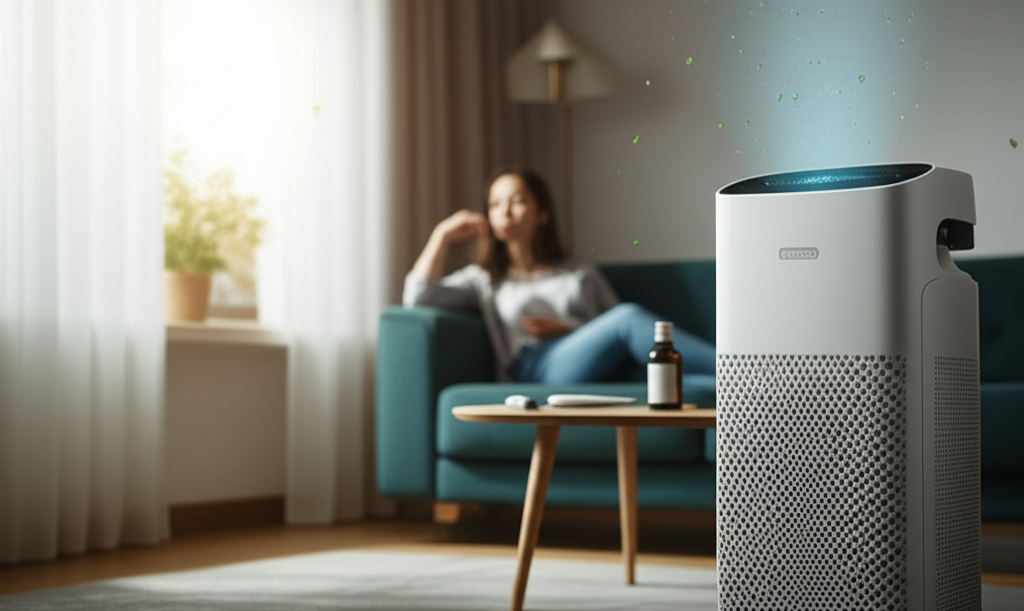
The air inside our homes can be surprisingly polluted, containing microscopic particles that impact our well-being. When we breathe these contaminants, our respiratory systems can become compromised, making us more susceptible to sickness or prolonging recovery times. Understanding how air purifiers tackle these issues is key to appreciating their role in a healthy home.
Airborne Pathogens and How They Spread
Viruses and bacteria are often spread through tiny droplets expelled when an infected person coughs, sneezes, or talks. These microscopic particles can linger in the air for extended periods, traveling throughout a room or even a house. Without intervention, these airborne pathogens pose a constant risk to anyone sharing the space.
The Role of Allergens and Irritants
Beyond infectious agents, allergens like pollen, dust mites, and pet dander can trigger allergic reactions and asthma symptoms. Irritants such as smoke, VOCs (volatile organic compounds), and strong odors can also inflame airways. These can weaken your respiratory defenses, making you more vulnerable to actual sickness.
How Air Purifiers Combat Sickness: Mechanisms at Play
Air purifiers employ various filtration technologies to capture and neutralize harmful airborne particles. Their effectiveness lies in their ability to physically trap or chemically alter these contaminants, preventing them from circulating and being inhaled. This multi-faceted approach makes them a valuable tool for improving indoor air quality and reducing sickness.
HEPA Filters: The Gold Standard for Particle Capture
High-Efficiency Particulate Air (HEPA) filters are designed to capture at least 99.97% of airborne particles 0.3 microns in size. This includes many viruses, bacteria, mold spores, and fine dust. By physically trapping these microscopic threats, HEPA filters significantly reduce the concentration of sickness-causing agents in your air.
Activated Carbon Filters: Tackling Gases and Odors
Activated carbon filters work differently by adsorbing gases, odors, and VOCs from the air. While they don’t capture particles like HEPA filters, they are crucial for removing chemical pollutants and unpleasant smells that can irritate the respiratory system. This dual-action approach enhances overall air quality and comfort.
Other Technologies: UV-C and Ionizers
Some air purifiers also incorporate UV-C light technology, which aims to kill or inactivate airborne microorganisms as they pass through the unit. Ionizers release charged ions that can cause particles to clump together and fall out of the air, though their effectiveness and potential ozone production require careful consideration.
Does Air Purifier Help With Sickness: Evidence and Benefits
The primary benefit of using an air purifier when sickness is a concern is the reduction of airborne pathogens and irritants. By cleaning the air, these devices can create an environment less conducive to the spread of illness and offer relief to those with respiratory sensitivities. This proactive approach can lead to fewer sick days and faster recovery.
Reducing Airborne Virus Transmission
Studies suggest that air purifiers, particularly those with HEPA filters, can reduce the concentration of airborne viruses in indoor spaces. This is especially relevant during flu season or when someone in the household is ill, helping to contain the spread of infection to other family members. For instance, research has shown their efficacy in healthcare settings.
Alleviating Allergy and Asthma Symptoms
For individuals suffering from allergies or asthma, an air purifier can be a game-changer. By removing triggers like pollen, dust mites, and pet dander, it can significantly reduce symptoms such as sneezing, coughing, and difficulty breathing. This can lead to fewer flare-ups and a better quality of life.
Improving Sleep Quality and Overall Well-being
Cleaner air contributes to better sleep by reducing respiratory disturbances caused by allergens and irritants. When you breathe easier, you sleep more soundly, which is crucial for immune system function and recovery from illness. Improved sleep directly supports your body’s natural healing processes.
When is an Air Purifier Most Beneficial for Sickness?
An air purifier becomes particularly valuable during specific times and for certain individuals. Recognizing these scenarios can help you decide if it’s the right investment for your health needs. They offer a consistent layer of protection, especially when combined with other preventative measures.
During Cold and Flu Season
As cold and flu viruses become more prevalent, an air purifier can act as an additional line of defense. It helps reduce the concentration of these viruses in shared living spaces, potentially lowering the risk of transmission within your household. Consistent use throughout these months is key.
For Households with Vulnerable Individuals
Families with young children, elderly members, or individuals with compromised immune systems can greatly benefit. These groups are often more susceptible to severe illness, and an air purifier provides an extra layer of protection against airborne threats. It’s a thoughtful way to care for those most at risk.
In Homes with Pets or Known Allergens
If your home contains pets, or if you know there are significant allergen sources like mold or dust, an air purifier is highly recommended. It continuously works to remove dander, spores, and dust, creating a more comfortable environment for everyone, especially those with sensitivities.
Choosing the Right Air Purifier for Sickness Prevention
Selecting the best air purifier involves considering several factors to ensure it meets your specific needs for sickness prevention. Not all purifiers are created equal, and understanding their features will help you make an informed decision. Look for certifications and specifications that indicate genuine performance.
Key Features to Look For
HEPA Filter: Essential for capturing fine particles like viruses and bacteria.
CADR Rating: Clean Air Delivery Rate indicates how quickly the purifier cleans a room. Higher is better.
Room Size Coverage: Ensure the purifier is sized appropriately for the room you intend to use it in.
Activated Carbon Filter: Beneficial for removing odors and VOCs.
Low Noise Level: Important for use in bedrooms or living areas.
Energy Efficiency: Look for ENERGY STAR certified models.
Understanding CADR Ratings and Room Size
The CADR rating measures how effectively an air purifier removes specific pollutants (smoke, dust, pollen) from a room. It’s crucial to match the purifier’s CADR to the size of your room for optimal performance. A purifier with a higher CADR will clean the air faster and more thoroughly.
What to Avoid: Ozone and Unverified Claims
Be cautious of air purifiers that produce ozone, as it can be a lung irritant. Also, be wary of devices with unsubstantiated claims about their ability to kill all germs or viruses without proper filtration or certification. Always look for third-party testing and certifications like AHAM Verified.
Integrating Air Purifiers into a Healthy Lifestyle
An air purifier is a powerful tool, but it’s most effective when integrated into a broader healthy lifestyle. It works best as part of a comprehensive approach to well-being, complementing other good habits. Think of it as one piece of a larger puzzle for a healthier home environment.
Air Purifiers vs. Other Sickness Prevention Methods
While an air purifier cleans the air, it doesn’t replace fundamental hygiene practices. Handwashing, vaccination, proper ventilation, and regular cleaning remain vital. An air purifier enhances these efforts by addressing the airborne component of sickness transmission.
The Importance of Ventilation and Other Habits
Regularly opening windows to allow fresh air circulation can significantly improve indoor air quality. Combining this with an air purifier creates a robust defense against airborne contaminants. Furthermore, maintaining a clean home and practicing good personal hygiene are essential.
When to Run Your Air Purifier for Maximum Benefit
For continuous protection, run your air purifier on a low to medium setting daily. During periods of high illness risk (like flu season) or when someone in the household is sick, consider running it on a higher setting in frequently used rooms. Overnight operation in bedrooms is also highly beneficial.
Expert Opinions and Scientific Backing
Numerous studies and expert recommendations support the use of air purifiers for improving indoor air quality and mitigating health risks. Organizations like the EPA and ASHRAE acknowledge their role in reducing airborne contaminants. Leading allergists and pulmonologists often recommend them for patients with respiratory conditions.
What Health Organizations Say
Health organizations generally agree that air purifiers can be beneficial for improving indoor air quality, especially for individuals with allergies, asthma, or other respiratory issues. They emphasize the importance of choosing units with HEPA filters and ensuring proper room sizing for effectiveness. The U.S. Environmental Protection Agency (EPA) provides guidance on indoor air quality and the role of air cleaning devices.
Research on Air Purifiers and Health Outcomes
Research has demonstrated that air purifiers can effectively reduce levels of particulate matter, allergens, and even certain airborne viruses in indoor environments. Studies have linked their use to reduced asthma exacerbations and fewer symptoms related to allergies. Continued research is exploring their full potential in public health.
Potential Downsides and Considerations
While highly beneficial, air purifiers do come with some considerations and potential drawbacks. Understanding these can help you manage expectations and use the device most effectively. They are an investment, and their maintenance is also a factor.
Cost of Purchase and Maintenance
High-quality air purifiers, especially those with advanced HEPA filtration, can be a significant initial investment. Replacement filters also add to the ongoing cost of ownership. It’s important to factor these expenses into your budget when considering a purchase.
Noise Levels and Energy Consumption
Some air purifiers can be noisy, particularly on higher settings, which might be disruptive in quiet spaces like bedrooms. Additionally, while many are energy-efficient, they do consume electricity, contributing to your energy bill. Opting for ENERGY STAR certified models can help mitigate this.
Limitations: Not a Cure-All
It’s crucial to remember that an air purifier is not a magic bullet for all sickness. It cannot prevent all infections, nor can it cure existing illnesses. It is a supplementary tool that works best when combined with other healthy practices.
Air Purifier Maintenance for Optimal Performance
To ensure your air purifier continues to effectively combat sickness, regular maintenance is essential. Neglecting maintenance can reduce its efficiency and even lead to secondary air quality issues. Always follow the manufacturer’s specific guidelines for your model.
Filter Replacement Schedule
HEPA and carbon filters have a limited lifespan and need to be replaced periodically. The frequency depends on the filter type, the air purifier’s usage, and the indoor air quality. Typically, HEPA filters need replacement every 6-12 months, and carbon filters every 3-6 months.
Cleaning the Unit and Pre-filters
Many air purifiers have washable pre-filters that capture larger particles like hair and dust. Cleaning these regularly (e.g., monthly) will extend the life of the main HEPA filter. The exterior of the unit should also be wiped down periodically to prevent dust buildup.
Monitoring Performance
Pay attention to the air purifier’s performance. If you notice a decrease in airflow, an increase in noise, or if the air quality in your home doesn’t seem to improve, it might be time to check or replace the filters. Some advanced units have filter change indicator lights.
Frequently Asked Questions (FAQ)
Do air purifiers kill viruses and bacteria?
Some air purifiers use UV-C light or other technologies that can kill or inactivate viruses and bacteria. However, their primary method for dealing with sickness-causing agents is through physical filtration using HEPA filters, which trap these particles.
How quickly can an air purifier help with sickness?
You might notice improvements in air quality and a reduction in allergy symptoms within hours of running a properly sized air purifier. For preventing sickness, the benefit is cumulative, reducing your overall exposure to airborne pathogens over time.
Can an air purifier help if I’m already sick?
Yes, an air purifier can help reduce the concentration of airborne viruses and bacteria in your home while you are sick. This can potentially lower the risk of spreading the illness to other household members.
What is the best type of air purifier for sickness?
For sickness prevention and mitigation, an air purifier with a True HEPA filter is generally considered the most effective for capturing airborne pathogens. Models that also include an activated carbon filter are beneficial for removing odors and VOCs.
How large of an air purifier do I need?
You need to choose an air purifier rated for the size of the room you intend to use it in. Check the Clean Air Delivery Rate (CADR) and ensure it’s suitable for your square footage. It’s often better to slightly oversize than undersize.
How often should I run my air purifier?
For best results in reducing airborne contaminants and preventing sickness, it’s recommended to run your air purifier continuously, especially in bedrooms and main living areas. Adjust settings based on air quality and your needs.
Are air purifiers noisy?
Noise levels vary significantly between models. Lower settings are usually very quiet, suitable for bedrooms. Higher settings, which provide faster air cleaning, will be louder. Look for decibel (dB) ratings when comparing models.
Conclusion: An Essential Layer of Defense
In conclusion, the question of does air purifier help with sickness can be answered with a resounding yes. By effectively removing airborne viruses, bacteria, allergens, and irritants, air purifiers provide an essential layer of defense for your home. They contribute to a healthier indoor environment, potentially reducing the frequency and severity of illnesses, and offering significant relief for those with respiratory conditions. While not a standalone solution, when integrated with good hygiene and ventilation practices, an air purifier is a valuable tool for safeguarding your family’s health and well-being. Investing in a quality air purifier can lead to fewer sick days and a more comfortable living space year-round.