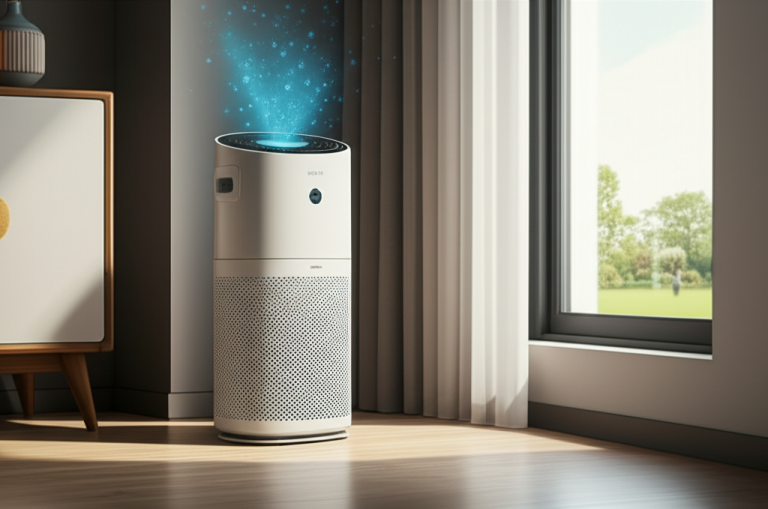
Cheap Home Air Purifiers: Essential Budget Buys

Discover the best cheap home air purifiers that offer significant value without breaking the bank. Breathe cleaner air and improve your home’s environment with these essential budget-friendly options, perfect for any household seeking an affordable solution.
Breathing in stale or polluted indoor air can lead to discomfort, allergies, and even long-term health issues. Many people assume that effective air purification comes with a hefty price tag, leaving them feeling stuck with less-than-ideal air quality. But what if I told you that you can achieve a fresher, healthier home environment without spending a fortune? This guide will walk you through the world of cheap home air purifiers, highlighting the best budget buys that deliver real results. We’ll explore what makes a good air purifier affordable and where to find the most value for your money, so you can make an informed decision.
Why Consider Cheap Home Air Purifiers?
Investing in a cheap home air purifier doesn’t mean compromising on quality. It means being smart about your purchase and understanding what features truly matter for your needs. These budget-friendly options are ideal for smaller rooms, individuals with mild allergies, or those simply looking to improve general air freshness. They can effectively tackle common indoor pollutants like dust, pet dander, and pollen, making a noticeable difference in your living space.
Understanding Indoor Air Quality and Its Impact
Indoor air can be surprisingly polluted, often containing more contaminants than outdoor air. Common culprits include dust mites, pet dander, mold spores, volatile organic compounds (VOCs) from cleaning products, and even smoke. Poor indoor air quality can exacerbate allergies, asthma, and other respiratory conditions, leading to symptoms like coughing, sneezing, and headaches. Improving your home’s air quality is a direct investment in your health and well-being.
The Role of HEPA Filters in Affordable Models
The most crucial component of any air purifier is its filter, and HEPA (High-Efficiency Particulate Air) filters are the gold standard. A true HEPA filter can capture at least 99.97% of airborne particles as small as 0.3 microns. Many cheap home air purifiers still incorporate HEPA filters, ensuring they can effectively remove microscopic allergens and pollutants from your air. Always look for the “True HEPA” label to guarantee performance.
Key Features to Look For in Budget Air Purifiers
When searching for cheap home air purifiers, focus on essential features. Look for a True HEPA filter, adequate coverage for your room size (CADR rating), and simple controls. Additional features like multiple fan speeds or a quiet night mode can enhance your experience. Avoid models with overly complex features or unnecessary bells and whistles, which often drive up the cost without significantly improving purification.
Top Picks for Cheap Home Air Purifiers
Finding the right balance between cost and performance is key. I’ve researched several popular and well-regarded models that consistently offer great value. These options have been chosen for their effectiveness, reliability, and affordability, making them excellent choices for budget-conscious consumers.
Compact and Cost-Effective: Levoit Core 300
The Levoit Core 300 is a perennial favorite among budget air purifier shoppers. It’s compact, quiet, and features a three-stage filtration system, including a True HEPA filter. Its small footprint makes it perfect for bedrooms, dorm rooms, or small offices.
Filtration: Pre-filter, True HEPA filter, Activated Carbon filter
Coverage: Up to 219 sq ft
Noise Level: As low as 24dB on sleep mode
Price Point: Typically under $100
This model is a solid choice for anyone needing effective air purification for a single room without a significant investment. Its ease of use and quiet operation are major pluses for everyday living.
Powerful Performance on a Budget: Coway AP-1512HH Mighty
While slightly higher in price than some other “cheap” options, the Coway AP-1512HH Mighty often goes on sale, making it an exceptional value. It boasts a four-stage filtration system, an air quality sensor, and an automatic mode. This purifier is known for its robust performance in medium to large rooms.
Filtration: Washable pre-filter, True HEPA filter, Vital Ionizer (optional), Activated Carbon filter
Coverage: Up to 361 sq ft
Noise Level: 24-54 dB
Price Point: Often found between $150-$200, but sales can bring it lower.
The Mighty’s ability to adapt to changing air quality conditions automatically makes it a set-it-and-forget-it solution for many households. Its long-term reliability is also a significant factor in its value proposition.
Ultra-Portable and Affordable: Pure Enrichment PureZone Mini
For those needing a personal air purification solution for a desk, small workspace, or bedside table, the Pure Enrichment PureZone Mini is an excellent option. It’s incredibly affordable and offers basic but effective filtration for small personal spaces.
Filtration: HEPA-type filter, Activated Carbon filter
Coverage: Up to 150 sq ft
Noise Level: Quiet operation
Price Point: Usually under $50
This mini purifier is perfect for targeted air cleaning in immediate proximity. It’s a great starter unit or a supplementary device for specific areas.
How to Choose the Right Cheap Home Air Purifier
Selecting the best cheap home air purifier requires a bit of research. Consider your specific needs, the size of the space you want to purify, and the types of pollutants you’re most concerned about.
Room Size and CADR Ratings Explained
The Clean Air Delivery Rate (CADR) is a measure of how quickly an air purifier can clean the air in a room. It’s rated for three pollutants: dust, pollen, and smoke. A higher CADR rating means faster and more effective purification. Always match the purifier’s recommended room size to your actual space to ensure it performs optimally.
| Pollutant | CADR Rating (Cubic Feet per Minute) |
| :——– | :———————————- |
| Dust | 100+ |
| Pollen | 110+ |
| Smoke | 100+ |
A good rule of thumb is to choose a purifier with a CADR rating that is at least two-thirds of the room’s square footage. For example, in a 150 sq ft room, aim for a CADR of at least 100 cfm.
Filter Types and Replacement Costs
Beyond the HEPA filter, many purifiers include pre-filters to catch larger particles and activated carbon filters to absorb odors and VOCs. While these additional filters can improve air quality, they also represent an ongoing cost. Consider the price and availability of replacement filters when making your decision, as this can significantly impact the long-term affordability of your cheap home air purifier.
Noise Levels and Energy Consumption
If you plan to use an air purifier in a bedroom or office, noise level is a critical factor. Look for models with low decibel (dB) ratings, especially on their lower fan settings or sleep modes. Energy consumption is another consideration; most air purifiers are relatively energy-efficient, but checking the wattage can help you estimate running costs. Many models offer Energy Star certification, indicating superior energy efficiency.
Common Pollutants Addressed by Budget Purifiers
Even affordable air purifiers can make a significant difference in tackling everyday indoor air pollutants. Understanding what they can and cannot do helps set realistic expectations.
Tackling Allergens: Dust, Pollen, and Pet Dander
For allergy sufferers, cheap home air purifiers with True HEPA filters are invaluable. They effectively trap common allergens like dust mites, pollen that drifts in from outdoors, and pet dander shed by our furry companions. This can lead to a noticeable reduction in allergy symptoms and a more comfortable living environment.
Reducing Odors and Smoke Particles
Activated carbon filters, often found in budget models, are excellent at absorbing odors from cooking, pets, or smoke. If you’re dealing with lingering smells or are concerned about smoke particles from wildfires or indoor activities, a purifier with a robust carbon filter can be a game-changer.
Mitigating VOCs and Gases
Volatile Organic Compounds (VOCs) are emitted from many household products, including paints, furniture, and cleaning supplies. While some cheap home air purifiers include activated carbon filters that can help, their effectiveness against VOCs can vary. For significant VOC concerns, you might need a unit with a larger, denser carbon filter or consider other ventilation strategies.
Maintaining Your Cheap Home Air Purifier for Longevity
Proper maintenance is crucial for ensuring your budget air purifier continues to perform effectively and lasts for years. Neglecting maintenance can reduce efficiency and even lead to more costly issues down the line.
Cleaning and Replacing Filters
Regularly cleaning the pre-filter (if applicable) by vacuuming or washing it will extend the life of the HEPA filter. HEPA filters themselves cannot be cleaned and must be replaced according to the manufacturer’s recommendations, typically every 6-12 months. Activated carbon filters also need replacement, often at the same interval as HEPA filters.
Best Practices for Placement and Usage
Place your air purifier in a location where it can effectively circulate air. Avoid placing it directly against walls or furniture, which can obstruct airflow. Running your purifier consistently, especially on lower settings, is more effective than turning it on and off frequently. Using the auto mode, if available, can help optimize performance and energy use.
Frequently Asked Questions about Cheap Home Air Purifiers
Here are answers to some common questions about budget-friendly air purifiers.
Q1: Can cheap home air purifiers really make a difference?
Yes, cheap home air purifiers can make a noticeable difference, especially in smaller rooms. They effectively reduce common allergens like dust and pollen, and improve general air freshness. Look for models with True HEPA filters for the best results.
Q2: How often should I replace the filters in my budget air purifier?
Filter replacement frequency varies by model and usage, but generally, HEPA and carbon filters should be replaced every 6 to 12 months. Always check your manufacturer’s manual for specific recommendations.
Q3: Are there any specific brands known for good cheap home air purifiers?
Brands like Levoit, Coway, and Pure Enrichment often offer excellent budget-friendly options. Many other reputable brands also have entry-level models that provide great value.
Q4: What is a good CADR rating for a small room?
For a small room (e.g., up to 150 sq ft), a CADR rating of 70-100 cfm is generally sufficient. For larger rooms, you’ll want a higher CADR rating.
Q5: Do I need an air purifier with an ionizer?
Ionizers can help particles clump together, making them easier to filter. However, some ionizers produce ozone, which can be a lung irritant. Many budget purifiers omit ionizers or make them optional, which is often preferable for health-conscious users.
Conclusion: Breathe Easier Without Breaking the Bank
Finding effective cheap home air purifiers is entirely achievable with a little knowledge and careful selection. By focusing on essential features like True HEPA filtration, appropriate room coverage, and reasonable filter replacement costs, you can significantly improve your indoor air quality without a hefty investment. Whether you’re battling allergies, pet odors, or simply want a fresher living space, these budget-friendly options provide a practical and accessible solution. Remember that consistent use and proper maintenance are key to maximizing the benefits of any air purifier. I encourage you to explore the options discussed and take the first step towards a healthier, happier home environment today.
To stay updated on the latest in home health and wellness, consider subscribing to our newsletter for more tips and product reviews!