
Do Air Purifier Reduce Dust: Essential Home Solution

Yes, air purifiers can significantly reduce dust in your home by capturing airborne particles, offering a vital solution for cleaner living spaces and improved air quality.
Do Air Purifiers Reduce Dust? Your Essential Home Solution
Are you tired of constantly battling dust bunnies and that ever-present layer of grime on your furniture? It’s a common frustration that can impact both the cleanliness of your home and your overall well-being. The good news is, you’re not alone in this struggle, and there’s a powerful ally waiting to help. We’ll explore how air purifiers work to combat dust and reveal why they are an essential home solution for a healthier environment.
Understanding Household Dust: More Than Just Annoyance
Household dust is a complex mixture of tiny particles that accumulate on surfaces. These particles include skin cells, fabric fibers, pet dander, pollen, mold spores, and even microscopic insect parts. This constant influx makes dusting a seemingly endless chore. Understanding its composition helps us appreciate why tackling it effectively is so important for a cleaner, healthier living space.
Dust isn’t just unsightly; it can be a trigger for allergies and respiratory issues. The microscopic particles can irritate airways, leading to sneezing, coughing, and itchy eyes. For individuals with asthma or other respiratory conditions, airborne dust can significantly worsen symptoms. Reducing dust levels is therefore crucial for creating a more comfortable and healthier indoor environment for everyone.
How Do Air Purifiers Capture Dust Particles?
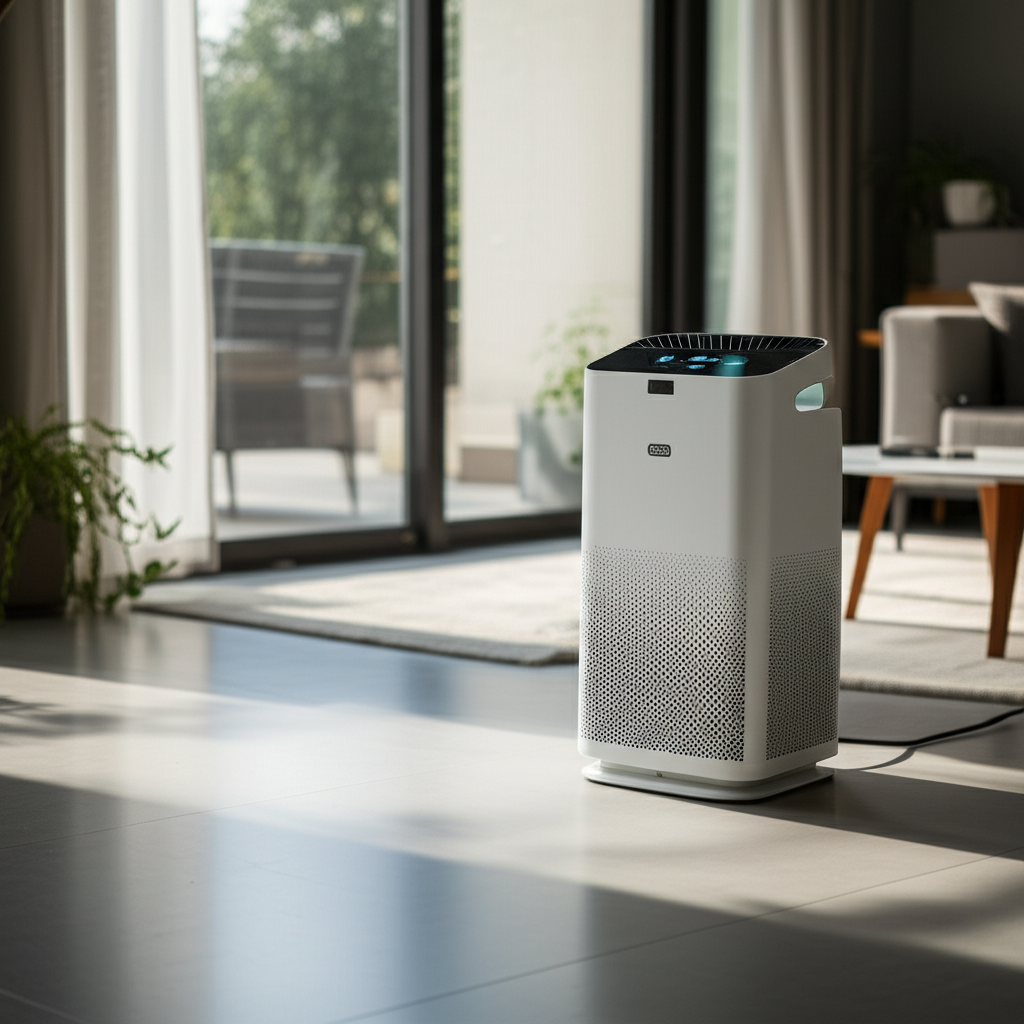
Air purifiers work by drawing in the air from your room and passing it through a series of filters. These filters are designed to trap airborne particles, including dust, before releasing cleaner air back into the room. The effectiveness of a purifier in reducing dust depends largely on the type of filter it uses and its air cleaning capabilities.
The primary mechanism involves a fan that circulates air, pulling it into the unit. As the air travels through the device, it encounters specialized filters. These filters act like sieves, catching even the smallest dust particles. Once filtered, the purified air is then expelled back into your living space, leaving less dust behind.
The Role of HEPA Filters in Dust Reduction
High-Efficiency Particulate Air (HEPA) filters are the gold standard when it comes to capturing fine particles like dust. A true HEPA filter is certified to capture at least 99.97% of airborne particles that are 0.3 microns in size. This includes most common dust particles, pollen, pet dander, and mold spores.
These filters are densely woven with fine fibers that create a tortuous path for air to travel. Dust particles collide with these fibers and become trapped. The smaller the particle, the more likely it is to adhere to a fiber. This makes HEPA filters incredibly effective at removing even the most minuscule dust components from your air.
Beyond HEPA: Other Filtration Technologies
While HEPA filters are crucial, some air purifiers incorporate additional technologies to enhance dust removal and address other airborne pollutants. Activated carbon filters, for instance, are excellent at adsorbing odors and volatile organic compounds (VOCs) that can sometimes accompany dust. Pre-filters, often washable, capture larger particles like pet hair and lint, extending the life of the main HEPA filter.
Some units may also feature UV-C light technology, which can help neutralize airborne bacteria and viruses. Ionizers release negative ions that cause particles to clump together and fall out of the air, although some people prefer to avoid these due to potential ozone production. Combining multiple filtration stages offers a comprehensive approach to air purification.
Choosing the Right Air Purifier for Dust Control
When selecting an air purifier specifically for dust reduction, several factors are important. Look for a model with a true HEPA filter and a high Clean Air Delivery Rate (CADR) for dust. The CADR indicates how quickly the unit can clean the air in a specific room size. A larger room will require a higher CADR and potentially a larger or more powerful unit.
Consider the size of the room you intend to use it in and ensure the purifier’s coverage area matches. Check for features like multiple fan speeds, a timer, and filter replacement indicators, which add convenience. Reading reviews from other users who have similar dust concerns can also provide valuable insights into a unit’s performance.
Key Features to Look For:
True HEPA Filter: Essential for capturing fine dust particles.
High CADR for Dust: Ensures efficient cleaning for your room size.
Appropriate Room Coverage: Match the purifier’s capacity to your space.
Pre-filter: Helps capture larger dust and debris, extending HEPA filter life.
Activated Carbon Filter: Useful for removing odors often associated with dust.
Low Noise Level: Important for use in bedrooms or living areas.
Placement and Usage: Maximizing Dust Reduction Effectiveness
Proper placement and consistent use are vital for an air purifier to effectively reduce dust. Position the unit in the room where dust is most problematic or where you spend the most time. Ensure there’s adequate space around the unit for air to circulate freely, typically at least a foot away from walls and furniture.
Running your air purifier continuously, especially on a lower setting, provides the most consistent dust reduction. This allows the unit to capture particles as they become airborne rather than waiting for them to settle. Regularly cleaning or replacing filters as per the manufacturer’s instructions is crucial for maintaining optimal performance.
Air Purifiers vs. Traditional Dusting Methods
While traditional dusting methods like wiping surfaces and vacuuming are necessary, they often only address settled dust. These methods can sometimes stir up dust particles into the air, which then resettle elsewhere. Air purifiers, on the other hand, actively capture dust from the air before it has a chance to settle.
Think of it this way: dusting is like sweeping leaves off your porch, while an air purifier is like a powerful wind that blows the leaves away before they even land. Combining regular dusting and vacuuming with the continuous air cleaning of an air purifier offers the most comprehensive approach to managing household dust.
Impact on Allergies and Respiratory Health
For individuals suffering from allergies or respiratory conditions like asthma, an air purifier can be a game-changer. By significantly reducing the concentration of airborne allergens and irritants, purifiers can lead to fewer allergy flare-ups and easier breathing. This creates a more comfortable and healthier indoor environment, improving overall quality of life.
Many studies have shown the benefits of air purifiers in reducing symptoms for allergy sufferers. For example, research published in the Journal of Allergy and Clinical Immunology has highlighted how HEPA filtration can lower allergen levels in homes, leading to symptom relief. This makes them an essential tool for proactive health management.
Maintenance: Keeping Your Air Purifier Working Efficiently
To ensure your air purifier continues to effectively reduce dust, regular maintenance is key. This primarily involves cleaning or replacing the filters according to the manufacturer’s recommendations. A clogged filter cannot effectively capture dust and can even reduce the airflow of the unit.
Pre-filters: Often washable, these should be cleaned every few weeks to remove larger debris.
HEPA Filters: These are typically not washable and need to be replaced annually or as indicated by the unit’s filter life indicator.
* Activated Carbon Filters: These also need periodic replacement, usually every 6-12 months, as their adsorptive capacity diminishes.
Always refer to your specific air purifier’s manual for detailed maintenance instructions. Neglecting filter maintenance is the most common reason for an air purifier’s performance to decline.
Do Air Purifiers Reduce Dust: A Summary of Benefits
Ultimately, the answer to “do air purifiers reduce dust?” is a resounding yes. They actively remove dust particles from the air, complementing traditional cleaning methods. This leads to cleaner surfaces, fewer allergens, and improved indoor air quality. For many, an air purifier is not just a gadget but an essential component of a healthy home.
Frequently Asked Questions (FAQ)
Will an air purifier eliminate all dust?
No, an air purifier will significantly reduce airborne dust, but it won’t eliminate it entirely. Dust is continuously generated from sources like skin cells, clothing fibers, and outdoor infiltration. However, it dramatically lowers the amount of dust circulating in the air.
How often should I run my air purifier for dust?
For optimal dust reduction, it’s recommended to run your air purifier continuously, especially in rooms where dust is a significant concern or where you spend most of your time. Many units have energy-efficient settings for constant use.
Can air purifiers help with pet dander dust?
Yes, air purifiers equipped with HEPA filters are highly effective at capturing pet dander, which is a common component of household dust and a major allergen for many people.
How do I know when to replace my air purifier filter?
Most air purifiers have a filter replacement indicator light or will provide a recommendation in the user manual, typically every 6-12 months depending on usage and the environment. You might also notice a decrease in airflow or an increase in dust settling if the filter is clogged.
Are air purifiers noisy?
Noise levels vary significantly by model. Many modern air purifiers are designed to be quiet, especially on lower fan speeds. Look for units with decibel ratings that suit your comfort level, particularly if you plan to use them in bedrooms.
Do air purifiers produce ozone?
Some types of air purifiers, like certain ionizers or electrostatic precipitators, can produce small amounts of ozone. True HEPA air purifiers that do not use these technologies generally do not produce ozone. If ozone is a concern, look for ozone-free certifications.
Conclusion: Breathe Easier with Cleaner Air
In conclusion, the question of “do air purifiers reduce dust” is definitively answered with a strong affirmative. By employing advanced filtration systems, particularly HEPA filters, these devices actively capture a significant portion of airborne dust particles, offering a tangible solution to a persistent household problem. They go beyond surface cleaning by tackling dust at its source in the air, leading to a cleaner environment and potentially reducing allergy symptoms. Integrating an air purifier into your home, alongside regular cleaning routines, is an essential step towards achieving consistently cleaner air and a healthier living space.
