
Activated Carbon Air Purifier For Kitchen Odors: Essential Fix

An activated carbon air purifier for kitchen odors is your essential fix, effectively trapping and neutralizing lingering smells from cooking, making your home fresher and more pleasant.
Activated Carbon Air Purifier for Kitchen Odors: Your Essential Fix for a Fresher Home
The aroma of a delicious home-cooked meal is wonderful, but what about the lingering smells of fried onions, burnt toast, or strong spices? These persistent kitchen odors can make your living space feel less inviting. Fortunately, an activated carbon air purifier for kitchen odors offers a powerful and natural solution to reclaim your home’s fresh scent. I understand how frustrating it can be to battle these invisible invaders, and I’m here to guide you through how these amazing devices work and why they are the essential fix you need.
Why Kitchen Odors Linger and How They Affect You
Kitchens are the heart of many homes, but they’re also notorious for accumulating a variety of odors. From the savory notes of dinner to the occasional mishap like a forgotten pot on the stove, these smells can cling to fabrics, walls, and even furniture. These lingering odors aren’t just unpleasant; they can affect your mood and overall sense of well-being, making your kitchen feel less like a sanctuary and more like a source of irritation.
The Science Behind Odor Molecules
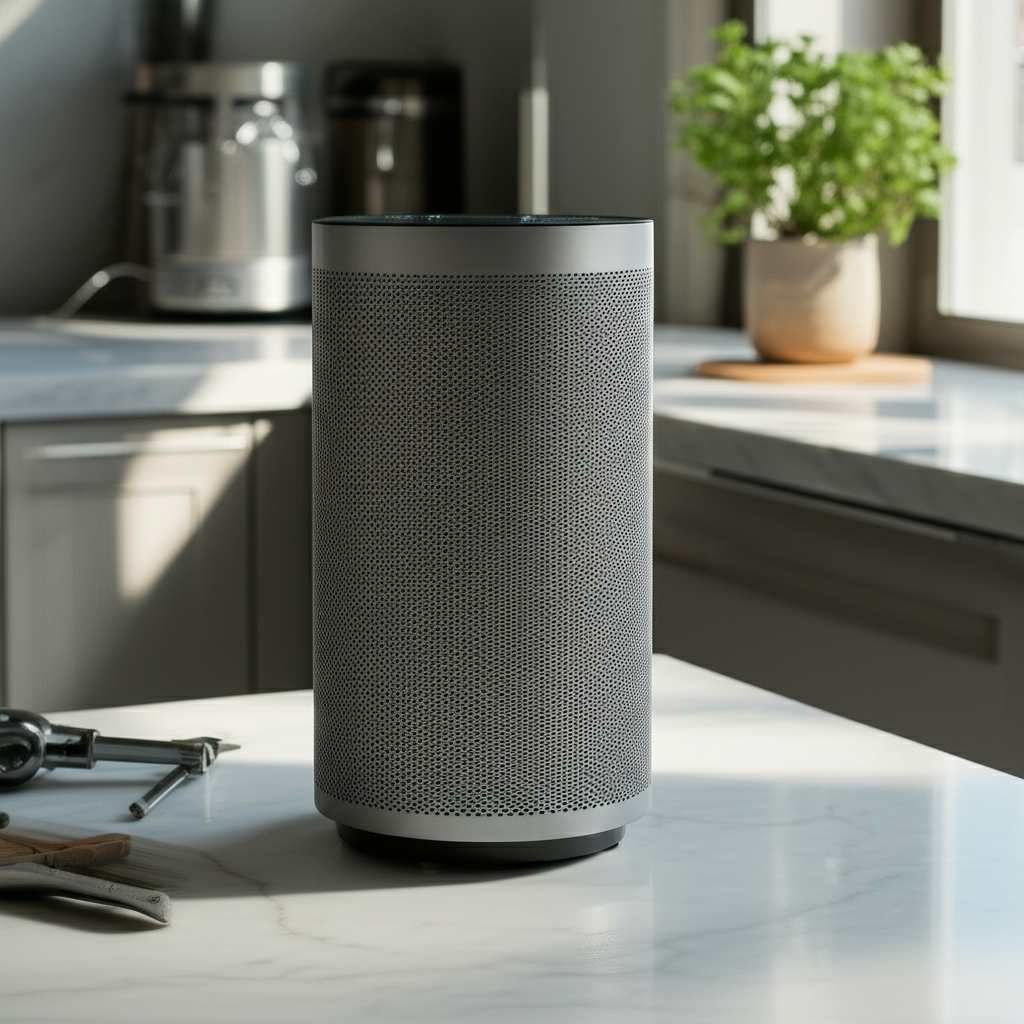
Odor molecules are tiny particles released into the air during cooking, cleaning, or from decaying food. These volatile organic compounds (VOCs) can be quite tenacious, easily spreading throughout your home and sticking to surfaces. Understanding their nature is the first step in effectively neutralizing them, paving the way for a cleaner and fresher environment.
What is Activated Carbon and How Does It Work?
Activated carbon, also known as activated charcoal, is a highly porous form of carbon that has been treated to increase its absorbency. This incredible material acts like a magnet for odor molecules, trapping them within its vast network of tiny pores. When air passes through the activated carbon filter in your purifier, these odor-causing particles are captured, leaving the air cleaner and fresher.
The Adsorption Process Explained
The magic of activated carbon lies in a process called adsorption. Unlike absorption, where a substance is soaked up, adsorption involves molecules adhering to the surface of the activated carbon. This is possible due to the immense surface area created by the carbon’s porous structure, making it incredibly effective at capturing even the smallest odor particles.
Types of Activated Carbon Filters
Activated carbon filters come in various forms, often integrated into air purifiers. You’ll commonly find them as loose granular activated carbon or as a solid carbon block. Granular filters offer good airflow, while carbon blocks provide more contact time for enhanced odor removal. Some purifiers also use a combination of these or impregnted carbon for specific contaminant targeting.
Choosing the Right Activated Carbon Air Purifier for Kitchen Odors
Selecting the best activated carbon air purifier for your kitchen involves considering a few key factors. You’ll want a unit with a substantial amount of activated carbon to effectively tackle the diverse and often strong odors found in kitchens. Look for purifiers designed with kitchens in mind, often featuring pre-filters to capture larger particles and HEPA filters for finer airborne irritants.
Key Features to Look For
When shopping, prioritize purifiers with a thick, high-quality activated carbon filter. Consider the size of your kitchen; a unit with a higher CADR (Clean Air Delivery Rate) will be more effective in larger spaces. Features like quiet operation, energy efficiency, and easy filter replacement are also important for daily use.
Understanding CADR and Room Size
The CADR rating indicates how quickly an air purifier can clean the air in a room. For kitchen odors, a higher CADR means faster odor removal. Always match the purifier’s recommended room size to your kitchen’s dimensions to ensure optimal performance and a consistently fresh environment.
How an Activated Carbon Air Purifier Tackles Common Kitchen Smells
An activated carbon air purifier is a champion against a variety of kitchen culprits. It effectively neutralizes odors from frying, baking, strong spices, garlic, onions, and even less pleasant smells like garbage or pet food that might find their way into your kitchen. By continuously filtering the air, it prevents these smells from permeating your home.
Specific Odor Neutralization Capabilities
This type of purifier excels at breaking down and trapping odor-causing VOCs. Whether it’s the pungent aroma of fish or the residual smell of burnt food, activated carbon works tirelessly to remove them. Its effectiveness is why it’s often the go-to solution for dealing with persistent kitchen smells.
Beyond Odors: Other Air Quality Benefits
While tackling odors is its primary strength in the kitchen, an activated carbon air purifier also contributes to overall better indoor air quality. It can help reduce airborne allergens, dust, and other microscopic particles, creating a healthier environment for you and your family.
Setting Up and Maintaining Your Activated Carbon Air Purifier
Getting the most out of your activated carbon air purifier is simple with proper setup and regular maintenance. Unboxing and placing the unit correctly is the first step, followed by a routine filter change schedule. Consistent care ensures your purifier continues to work efficiently, keeping your kitchen smelling fresh day after day.
Initial Setup Steps
Upon receiving your purifier, carefully remove all packaging, especially from the filters. Place the unit on a stable surface away from walls or obstructions to allow for optimal airflow. Plug it in and select your desired fan speed; many units have an automatic mode that adjusts based on air quality.
Filter Replacement Schedule
Activated carbon filters have a lifespan and will eventually become saturated with odors and particles. Most manufacturers recommend replacing them every 3-6 months, depending on usage and air quality. Always refer to your purifier’s manual for specific recommendations.
Cleaning and Care Tips
Beyond filter replacement, periodically clean the exterior of your air purifier with a damp cloth. Ensure the pre-filter, if your unit has one, is cleaned regularly according to the manufacturer’s instructions. This prevents dust buildup and maintains efficient operation.
Where to Place Your Activated Carbon Air Purifier in the Kitchen
Strategic placement is key to maximizing the effectiveness of your activated carbon air purifier in the kitchen. Position it where it can best capture airborne odors as they are produced or circulate. Avoid placing it directly next to heat sources or in areas where it might obstruct movement.
Optimal Location Strategies
Consider placing the purifier on a countertop, a small table, or even a sturdy shelf. Placing it closer to the primary cooking area, like near the stove or oven, can help capture smells right at the source. Ensuring it has at least a foot of clearance on all sides will allow for maximum air intake and output.
Factors Affecting Placement Success
The layout of your kitchen, the location of vents, and the primary sources of odors will influence the best placement. For open-plan living spaces, placing the purifier in a central location within the kitchen area can help manage smells that might drift into other rooms.
Comparing Activated Carbon Purifiers to Other Odor Solutions
While other methods exist for tackling kitchen odors, an activated carbon air purifier offers a comprehensive and long-term solution. Unlike air fresheners that merely mask smells, or ventilation that relies on external air, activated carbon actively removes odor molecules from the air. This makes it a superior choice for genuine freshness.
Activated Carbon vs. Air Fresheners
Air fresheners often contain chemicals that can be irritating and only temporarily mask unpleasant smells. An activated carbon purifier, on the other hand, physically traps and neutralizes odor particles, providing a truly cleaner air experience without adding artificial fragrances.
Activated Carbon vs. Ventilation Systems
While range hoods and open windows help, they are not always sufficient, especially in well-sealed homes or when odors are strong. An activated carbon air purifier works continuously and is effective even when ventilation is limited, offering a constant defense against lingering smells.
Troubleshooting Common Issues with Activated Carbon Air Purifiers
Even the best activated carbon air purifiers can sometimes present minor issues. Understanding common problems and their solutions can help you ensure your unit is always performing at its best. Most issues are easily resolved with a little attention to maintenance and placement.
Reduced Effectiveness
If you notice your purifier isn’t removing odors as effectively as before, it’s likely time to replace the activated carbon filter. Over time, the carbon becomes saturated and loses its adsorptive capacity. Check your filter replacement schedule or perform a visual inspection if possible.
Unusual Noises or Smells
Strange noises might indicate a blockage or a problem with the fan. Check for obstructions around the unit and ensure the filters are seated correctly. If the purifier itself starts emitting an unusual smell, it could be a sign of an internal issue, and you may need to contact customer support.
The Long-Term Benefits of Using an Activated Carbon Air Purifier
Investing in an activated carbon air purifier for your kitchen is an investment in your home’s overall comfort and health. Beyond immediate odor relief, it contributes to a more pleasant living environment, reduces airborne irritants, and can even help mitigate potential allergens. This makes your kitchen a more enjoyable space for cooking, dining, and spending time with loved ones.
Creating a More Inviting Atmosphere
A kitchen free from lingering odors is simply more pleasant to be in. It enhances the dining experience, makes entertaining easier, and contributes to a general feeling of cleanliness and well-being throughout your home. The impact of fresh air on your mood and stress levels is significant.
Supporting a Healthier Home Environment
By removing odor molecules and other airborne contaminants, an activated carbon air purifier contributes to better indoor air quality. This can be especially beneficial for individuals with allergies, asthma, or sensitivities to airborne particles. A cleaner environment supports a healthier lifestyle for everyone.
FAQ: Your Activated Carbon Air Purifier Questions Answered
How often should I replace the activated carbon filter?
Generally, activated carbon filters should be replaced every 3 to 6 months. However, this can vary based on the amount of cooking you do and the severity of odors in your kitchen. Always check your purifier’s manual for specific recommendations.
Can an activated carbon air purifier remove all kitchen odors?
While highly effective, no air purifier can guarantee the removal of 100% of all odors, especially in very strong or continuous situations. However, an activated carbon purifier significantly reduces and neutralizes most common kitchen smells, making a dramatic difference.
Will an activated carbon air purifier make my kitchen smell like new car smell?
Activated carbon purifiers do not add scents to the air. Their purpose is to remove existing odors and VOCs, leaving the air naturally fresh and neutral. If you prefer a scent, you can use natural methods separately.
Are activated carbon air purifiers noisy?
The noise level varies by model. Most modern air purifiers are designed to operate quietly, especially on lower fan settings. Higher settings will naturally produce more sound, but many are comparable to a gentle fan.
Can I wash an activated carbon filter?
Typically, activated carbon filters cannot be washed. Washing can damage the carbon’s structure and reduce its effectiveness. They are designed to be replaced after their lifespan is over.
Do I need a separate air purifier for the kitchen, or can one in the living room do?
While a central air purifier can help, a dedicated unit in or near the kitchen is often more effective at tackling concentrated cooking odors quickly. This ensures the smells don’t travel and linger in other parts of your home.
Conclusion: The Essential Fix for Odor-Free Kitchens
The battle against persistent kitchen odors can be a frustrating one, but an activated carbon air purifier for kitchen odors stands as your essential fix. Its remarkable ability to adsorb and neutralize odor molecules offers a natural, effective, and long-lasting solution. By understanding how these purifiers work, choosing the right model, and maintaining it properly, you can transform your kitchen into a consistently fresh and inviting space. Embrace the power of activated carbon and say goodbye to lingering smells for good.

