Do Air Purifiers Harm Plants? Essential Guide

Do Air Purifiers Harm Plants? An Essential Guide for Plant Parents
Air purifiers are generally safe for plants, and in many cases, can even benefit them by improving air quality. However, some specific settings or types of purifiers might pose minor risks, which this guide will help you navigate to ensure a thriving environment for both you and your green companions.
Welcome, fellow plant enthusiasts! It’s a common question many of us ponder as we bring a new air purifier into our homes: can this helpful device actually be detrimental to our beloved leafy friends? We want clean air for ourselves and our plants, but the thought of inadvertently harming them is a worry. Rest assured, with a little understanding and a few simple precautions, you can enjoy the benefits of purified air without compromising your plant’s health. This guide will walk you through everything you need to know, from how air purifiers work to specific considerations for your indoor jungle.
Understanding Air Purifiers and Plant Needs
Air purifiers work by filtering airborne particles, often using HEPA filters, activated carbon, and sometimes UV-C light. Plants, on the other hand, thrive in environments with good air circulation, appropriate humidity, and access to light and nutrients. The key is to ensure that the air purifier’s operation doesn’t disrupt these essential plant needs.
The primary function of an air purifier is to remove pollutants like dust, pollen, pet dander, and volatile organic compounds (VOCs) from the air. For plants, this means cleaner air can reduce the buildup of dust on their leaves, which can hinder photosynthesis. It also means fewer airborne irritants that could potentially affect their delicate systems.
How Air Purifiers Function
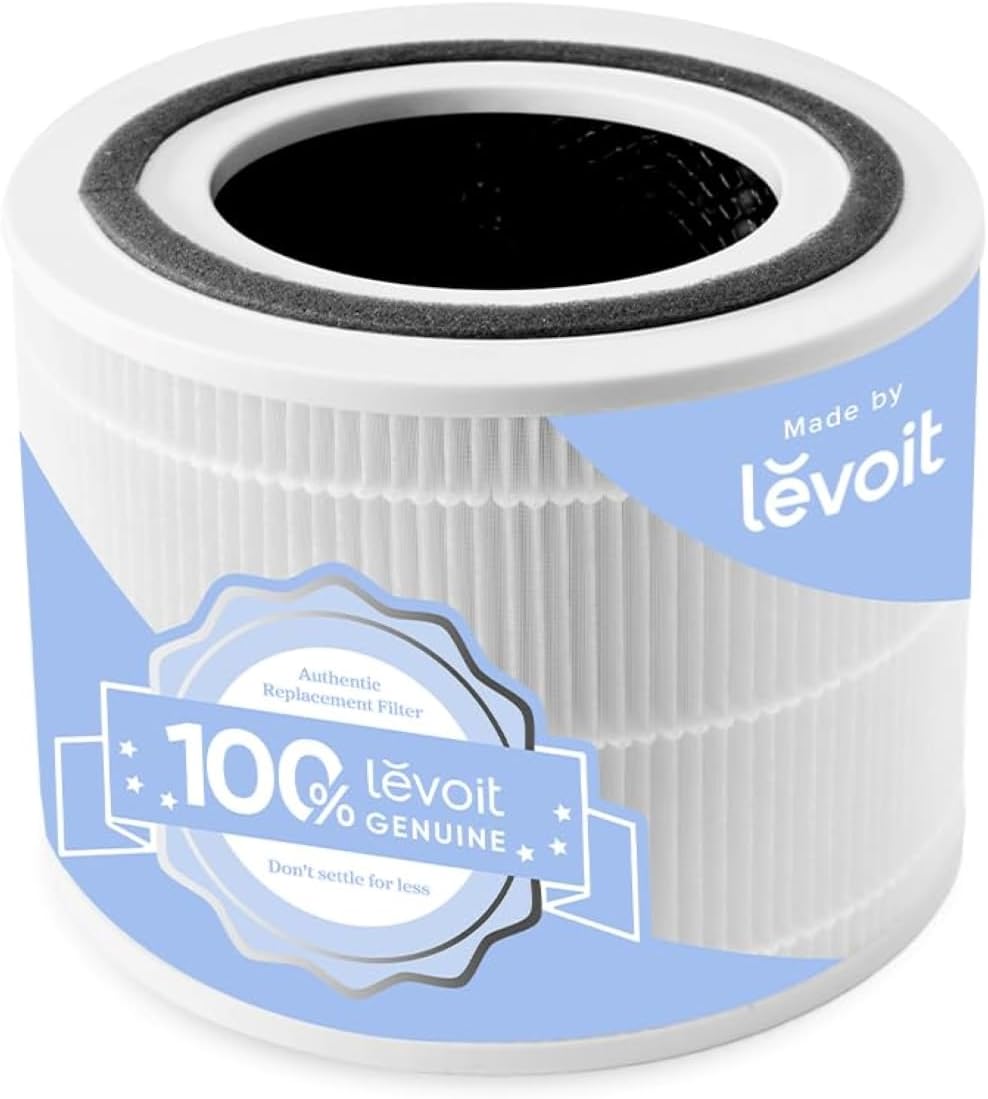
Most modern air purifiers draw air into a system where it passes through various filters. HEPA filters capture fine particles, while activated carbon filters absorb odors and gases. Some units may also include ionizers or UV-C light, which have different mechanisms for air purification.
These processes are generally passive and don’t directly interact with your plants. The goal is to create a healthier breathing environment, which can indirectly benefit plants by removing airborne contaminants they might otherwise absorb. Understanding the specific technology in your unit is the first step to ensuring plant safety.
What Plants Need to Thrive
Plants require a delicate balance of light, water, nutrients, and air circulation. They absorb carbon dioxide and release oxygen, a process vital for air quality. Adequate airflow is crucial for preventing fungal diseases and ensuring proper gas exchange.
Humidity also plays a significant role in plant health, especially for tropical varieties. Too much or too little can cause distress. The air purifier’s impact on ambient humidity is a factor worth considering, though usually minimal.
Do Air Purifiers Harm Plants Directly?
In most common scenarios, air purifiers do not directly harm plants. Their operation is designed to clean the air, not to physically damage vegetation. The potential for harm arises from indirect effects or specific features of certain purifier models.
The direct physical impact of an air purifier on a plant is negligible. They don’t spray chemicals, emit harmful radiation (unless malfunctioning), or physically touch the plants. The concern is more about the environment the purifier creates.
Potential Indirect Effects
The most common indirect effect to consider is the potential for air purifiers to reduce humidity. Some purifiers, especially those with very strong fans or operating in dry climates, can slightly lower the overall moisture content in the air. This is usually a minor concern, but for humidity-loving plants, it’s something to monitor.
Another consideration is the movement of air. While good circulation is beneficial, an extremely powerful fan directed straight at a plant could cause physical stress, such as drying out leaves too quickly or damaging delicate foliage. This is rare but possible with poorly positioned units.
Specific Purifier Technologies and Plants
Some air purification technologies, like ozone generators, can be harmful to both humans and plants. Ozone is a lung irritant and can damage plant tissues. However, most reputable air purifiers do not intentionally produce ozone.
Ionizers can also produce small amounts of ozone as a byproduct. While generally considered safe at low levels, it’s wise to choose purifiers that are certified to produce minimal or no ozone, especially if you have sensitive plants or respiratory issues. Always check product specifications.
Factors to Consider for Plant Safety
When placing an air purifier in a room with plants, several factors can help ensure your green companions remain happy and healthy. These include the purifier’s proximity to plants, its fan speed settings, and the type of filtration technology it employs.
Careful placement and mindful operation are key to maximizing the benefits of your air purifier while safeguarding your plants. Think of it as creating a harmonious environment where both clean air and lush greenery can coexist.
Placement is Key: Distance Matters
The distance between your air purifier and your plants is a crucial factor. Placing an air purifier too close, especially with a strong fan, could lead to excessive drying of leaves or physical damage from the airflow. A good rule of thumb is to keep it at least a few feet away from your plants.
Positioning the purifier in a central location or in a corner that allows for good overall air circulation without directly blasting your plants is ideal. This ensures the purified air reaches all areas of the room, including your plants, without overwhelming them.
Fan Speed and Airflow Control
Most air purifiers offer adjustable fan speeds. For rooms with plants, it’s often best to use lower or medium settings. High settings can create a strong draft that might be too much for delicate plant species, leading to dehydration or physical stress.
Experiment with different fan speeds to find a balance that effectively cleans the air without causing noticeable adverse effects on your plants. Observing your plants for signs of stress, like wilting or dry leaf tips, can help you adjust settings accordingly.
Humidity Levels and Air Purifiers
As mentioned, some air purifiers can slightly reduce humidity. If you have plants that require high humidity, like ferns or calatheas, you might need to compensate. This could involve using a separate humidifier in the room or misting your plants more frequently.
It’s also worth noting that plants themselves can contribute to local humidity through transpiration. So, the impact of an air purifier on overall room humidity might be less significant in a room filled with many plants.
Are HEPA Filters Safe for Plants?
Yes, HEPA (High-Efficiency Particulate Air) filters are perfectly safe for plants. These filters are designed to trap microscopic particles like dust, pollen, and mold spores. They do not release any harmful substances into the air that could affect plant health.
In fact, by removing dust from the air, HEPA filters can help keep your plants’ leaves cleaner, allowing them to photosynthesize more efficiently. This contributes positively to their overall well-being and growth.
How HEPA Filters Work
HEPA filters work through a combination of mechanisms: diffusion, interception, and impaction. They capture particles as small as 0.3 microns with remarkable efficiency. This process is entirely passive and involves physically trapping pollutants.
Since HEPA filters only trap particles and don’t emit anything, they pose no risk to plants. They are the gold standard for air purification and a great choice for any home, especially those with plants.
Benefits of HEPA Filters for Plant Environments
A cleaner atmosphere benefits plants by reducing the amount of dust that settles on their leaves. Dust can block sunlight and impede the plant’s ability to photosynthesize, hindering growth and potentially making them more susceptible to pests and diseases.
By removing airborne allergens and irritants, HEPA filters can also contribute to a healthier microclimate for your plants, reducing the chances of them being affected by airborne contaminants.
What About Activated Carbon Filters?
Activated carbon filters are also safe for plants and can offer additional benefits. These filters are highly porous and excel at adsorbing odors, gases, and volatile organic compounds (VOCs) from the air.
Removing VOCs, which can be emitted from paints, cleaning products, and even some furniture, can create a healthier environment for both you and your plants. Plants can absorb some airborne pollutants, so reducing these compounds is beneficial.
The Role of Activated Carbon
Activated carbon is treated to be extremely porous, creating a vast surface area that can trap gas molecules. This makes it very effective at removing smells and chemical pollutants that HEPA filters cannot capture.
As long as the activated carbon is contained within the filter unit and not released into the air, it poses no direct threat to plants. It simply adsorbs unwanted airborne substances.
Benefits of Carbon Filters for Plants
By removing odors and potentially harmful gases, activated carbon filters help create a cleaner, fresher environment. This can be particularly useful in kitchens or areas where strong cooking smells or cleaning product fumes might be present.
A reduction in airborne chemical pollutants is beneficial for plants, as it minimizes their exposure to substances that could potentially stress their systems or hinder their growth.
Are Ozone Generators Harmful to Plants?
Yes, ozone generators can be harmful to plants. Ozone is a highly reactive gas that, at sufficient concentrations, can damage plant tissues, leading to leaf spotting, wilting, and reduced growth. It is also a respiratory irritant for humans and pets.
It is crucial to avoid air purifiers that intentionally produce ozone. Many reputable manufacturers certify their products to be ozone-free.
The Dangers of Ozone for Plants
Ozone can break down cell walls in plants, particularly affecting the leaves. This damage can manifest as yellowing, browning, or the appearance of spots. Severe exposure can lead to significant plant distress and even death.
Even low levels of ozone can be detrimental over prolonged periods. Therefore, if you are considering an air purifier, always check its specifications regarding ozone production.
Choosing Ozone-Free Air Purifiers
When selecting an air purifier, look for certifications that guarantee minimal or zero ozone emissions. Organizations like the California Air Resources Board (CARB) have strict standards for ozone output.
Many modern air purifiers, especially those using HEPA and activated carbon filtration, are designed to be ozone-free. Opting for these technologies ensures a safer environment for your plants and your family.
Ionizers and Their Impact on Plants
Ionizers work by releasing charged ions into the air, which then attach to airborne particles. These charged particles can clump together and fall to the ground or be attracted to surfaces, effectively removing them from the air. Some ionizers can produce small amounts of ozone as a byproduct.
While the direct impact of ionizers on plants is generally minimal, the potential for ozone production is the main concern. If you choose an ionizer, ensure it is certified to produce very low levels of ozone, well within safety standards.
How Ionizers Work and Potential Byproducts
The process of ionization involves creating electrical charges that can break down air molecules. This can sometimes lead to the formation of ozone. The amount of ozone produced varies significantly between different models and technologies.
For plant safety, it’s best to err on the side of caution and select an air purifier that minimizes or eliminates ozone output, even if it uses ionization.
Mitigating Risks with Ionizers
If your air purifier has an ionizer function, you can often turn it off. This allows you to benefit from the other filtration methods while avoiding any potential ozone-related issues.
Alternatively, ensure the unit is placed far from your plants, and the room is well-ventilated, especially if the ionizer is used. However, the safest approach is to choose an ozone-free certified model.
Maintaining Plants in a Purified Air Environment
Even with an air purifier running, your plants will still require their fundamental care: adequate watering, appropriate light, and occasional fertilization. The air purifier complements these needs by enhancing the air quality they breathe.
Think of the air purifier as a helpful assistant that removes unwanted airborne particles, allowing your plants to focus on their growth and well-being with cleaner air.
Cleaning Plant Leaves
Dust can accumulate on plant leaves, hindering their ability to absorb sunlight and perform photosynthesis. Regularly wiping down your plant leaves with a damp cloth can help remove this dust, ensuring they can breathe and thrive.
This practice is even more important in homes where air purifiers are used, as the purifier helps reduce the overall dust load in the air, making manual cleaning more effective.
Monitoring Humidity for Sensitive Plants
For plants that are particularly sensitive to humidity levels, it’s wise to monitor the air moisture. A hygrometer can help you track humidity. If you notice a drop after introducing an air purifier, consider using a humidifier or a pebble tray with water.
Plants transpire, releasing moisture into the air, which can help maintain local humidity. However, in very dry conditions or with powerful air purifiers, supplementary humidity might be necessary for certain species.
Table: Air Purifier Technologies and Plant Safety
| Technology | How it Works | Plant Safety | Notes |
| :—————— | :—————————————————- | :————————————————————————– | :———————————————————————————————— |
| HEPA Filter | Traps airborne particles (dust, pollen, mold). | Very Safe. Removes dust, improving photosynthesis. | Excellent for general air purification. |
| Activated Carbon| Adsorbs odors, gases, and VOCs. | Very Safe. Removes potentially harmful airborne compounds. | Often used in conjunction with HEPA filters. |
| UV-C Light | Uses ultraviolet light to kill bacteria and viruses. | Generally Safe at recommended levels. Avoid direct exposure. | Ensure it’s a sealed unit; direct UV-C can be harmful. |
| Ozone Generator | Produces ozone to neutralize pollutants. | Harmful. Ozone can damage plant tissues and respiratory systems. | Avoid unless specifically certified as ozone-free. |
| Ionizer | Releases ions to charge particles, causing them to clump. | Generally Safe, but can produce small amounts of ozone. | Opt for ozone-free certified models or disable the ionizer function if possible. |
Common Misconceptions Debunked
One common misconception is that air purifiers are inherently noisy and disruptive to plants. While some units can be loud, many modern air purifiers are designed for quiet operation, especially on lower settings, and their sound is unlikely to stress plants.
Another myth is that air purifiers actively dry out plants. While they can slightly reduce humidity, this effect is usually minimal and manageable, not a direct drying mechanism.
Noise Levels and Plant Stress
Plants do not experience stress from typical ambient noise in the same way humans or animals do. The sound produced by an air purifier, unless it’s extremely loud and constant, is unlikely to cause physiological harm to your plants.
Focus on the air quality and humidity aspects rather than noise, as these are the more relevant factors for plant well-being.
The Myth of “Drying Out” Plants
Air purifiers do not suck moisture directly from plants. They filter air. While the airflow might increase evaporation from the soil surface or plant leaves in very dry conditions, this is an indirect effect related to air circulation and humidity, not a direct action of the purifier.
Proper plant care, including appropriate watering and managing room humidity, is sufficient to counteract any minor environmental changes an air purifier might introduce.
FAQ: Do Air Purifiers Harm Plants?
Will an air purifier dry out my plants?
Air purifiers can slightly reduce humidity in a room, which might indirectly lead to faster drying of soil or leaves in very dry conditions. However, this effect is usually minor and can be managed with proper plant care and potentially a separate humidifier if needed for humidity-loving plants.
Can I place an air purifier right next to my plants?
It’s generally best to keep air purifiers a few feet away from your plants. Direct, strong airflow from a high fan setting can dry out leaves too quickly or cause physical stress to delicate foliage.
Are air purifiers with ionizers safe for my plants?
Ionizers themselves are generally safe, but some can produce small amounts of ozone as a byproduct. Ozone can be harmful to plants. It’s recommended to choose an ozone-free certified air purifier or ensure the ionizer function can be turned off.
Do plants benefit from air purifiers?
Yes, plants can benefit from air purifiers. By removing dust and pollutants from the air, purifiers help keep plant leaves cleaner, allowing for better photosynthesis. They also contribute to a healthier overall air environment for plant growth.
What type of air purifier is best for a room with plants?
Air purifiers using HEPA and activated carbon filters are excellent choices. They effectively clean the air without producing harmful byproducts like ozone, making them safe and beneficial for plant environments.
Should I turn off my air purifier at night if I have plants?
There’s no need to turn off your air purifier at night unless it’s producing excessive noise that bothers you. Plants continue to respire and benefit from clean air around the clock. Continuous operation ensures consistent air quality.
Can air purifiers remove pollen that might harm my plants?
Yes, HEPA filters in air purifiers are very effective at trapping airborne pollen, dust, and other allergens. Removing these from the air can prevent them from settling on your plants’ leaves, which is beneficial.
Conclusion
Ultimately, the answer to “do air purifiers harm plants?” is overwhelmingly no, especially when you choose the right type of purifier and use it mindfully. Air purifiers, particularly those equipped with HEPA and activated carbon filters, can significantly improve the air quality in your home, which can indirectly benefit your plants by reducing dust accumulation on their leaves and minimizing exposure to airborne irritants. The key lies in understanding how these devices work and taking simple precautions, such as proper placement and avoiding ozone-producing models. By doing so, you can confidently enjoy the dual benefits of cleaner air for yourself and a healthier environment for your cherished green companions to thrive.