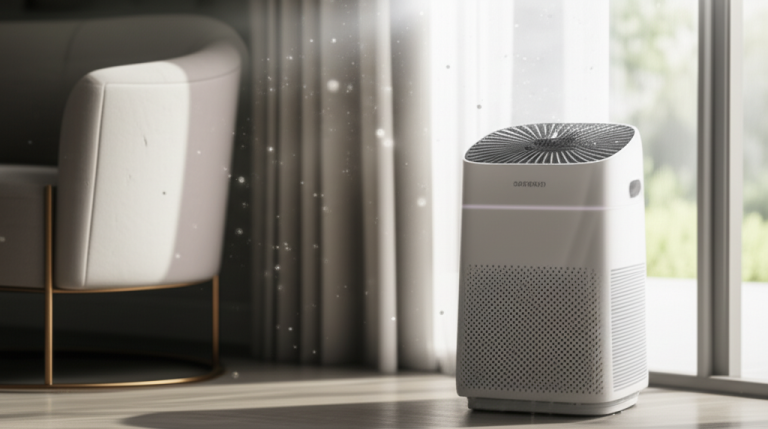
Do Air Purifier Catch Dust? Essential Guide

Do Air Purifiers Catch Dust? Your Essential Guide to Cleaner Air
Yes, air purifiers absolutely catch dust. They are designed with filters, like HEPA filters, that effectively trap airborne dust particles, along with other allergens and pollutants, significantly improving indoor air quality for a healthier home environment.
Dust bunnies seem to multiply overnight, don’t they? You clean, and within days, a fine layer reappears. It’s a common frustration that can leave you wondering about the best solutions. While regular cleaning helps, keeping dust at bay can feel like an uphill battle. This is where air purifiers step in, offering a powerful ally in your fight against airborne particles. We’ll explore exactly how they work and what you need to know to make an informed choice for a cleaner, fresher home.
How Air Purifiers Trap Dust Particles
Air purifiers are your secret weapon against dust because they actively capture these particles from the air. They draw in room air, pass it through a series of filters, and then release cleaner air back into your space. This continuous circulation significantly reduces the amount of dust floating around your home, settling on surfaces, and potentially triggering allergies.
The effectiveness of an air purifier in catching dust depends heavily on its filtration system. Most modern units utilize multi-stage filtration, with each stage targeting different types and sizes of airborne contaminants. This layered approach ensures that even the smallest dust particles are captured before the air is recirculated.
The Role of HEPA Filters in Dust Capture
The heart of most effective air purifiers for dust removal is the High-Efficiency Particulate Air (HEPA) filter. A true HEPA filter is certified to capture at least 99.97% of airborne particles that are 0.3 microns in size. This includes a vast majority of common household dust, as well as pollen, pet dander, mold spores, and even some bacteria.
These filters work by using a dense mesh of fibers that create a tortuous path for air to travel through. As dust particles collide with these fibers, they become trapped through a combination of impaction, interception, and diffusion. This mechanical process is incredibly efficient at removing even microscopic dust from the air you breathe.
Understanding Micron Size and Dust Particles
Dust is a complex mixture, but its primary components are often tiny particles. These can range from larger visible specks to microscopic fragments of skin cells, fabric fibers, soil, and other debris. While our eyes can see larger dust particles, the smaller ones, often less than 10 microns, are what contribute most to poor air quality and allergic reactions.
HEPA filters excel because they are rated to capture particles at the 0.3-micron level. Particles larger than this are caught even more easily, and smaller particles are captured through diffusion, a process where they move more erratically and are more likely to hit a fiber. This broad capture range is what makes HEPA filters so crucial for dust removal.
Pre-filters: The First Line of Defense
Before air even reaches the critical HEPA filter, it typically passes through a pre-filter. This layer is designed to catch larger particles, such as visible dust, hair, and lint. By trapping these bigger culprits, the pre-filter significantly extends the lifespan of the more expensive HEPA filter, preventing it from becoming clogged too quickly.
Pre-filters are often washable or replaceable, making them a cost-effective component of the air purification system. Regularly cleaning or replacing the pre-filter is a simple yet vital step in maintaining your air purifier’s efficiency in tackling dust and overall performance.
Activated Carbon Filters for Odors and VOCs
While HEPA and pre-filters focus on particulate matter like dust, many air purifiers also include an activated carbon filter. This layer is made from carbon that has been treated to be extremely porous, giving it a vast surface area. This porous structure allows it to adsorb, or trap, gases, odors, and volatile organic compounds (VOCs) from the air.
Although activated carbon doesn’t directly catch dust particles, it plays a crucial role in overall air purification. It removes unpleasant smells often associated with dust and other household pollutants, contributing to a fresher-smelling environment. Some activated carbon filters are integrated with HEPA filters, while others are separate layers.
Do All Air Purifiers Catch Dust Effectively?
Not all air purifiers are created equal when it comes to dust capture. While many claim to purify the air, their effectiveness can vary greatly depending on the type of filter they use and their overall design. Air purifiers that rely solely on ionization or UV-C light, for instance, may not be as effective at physically trapping dust particles.
For optimal dust removal, look for air purifiers that explicitly feature a true HEPA filter and a pre-filter. These components are specifically designed to capture particulate matter like dust. Models that boast high CADR (Clean Air Delivery Rate) ratings for dust also indicate superior performance in removing this specific pollutant.
Factors Influencing Dust Capture Efficiency
Several factors determine how well an air purifier will catch dust in your home. The quality and type of filters are paramount, with true HEPA filters being the gold standard. The size of the room the purifier is intended for, often indicated by its CADR rating, is also critical; an undersized unit won’t be able to process enough air to make a significant difference.
The airflow design of the purifier plays a role too. Units that draw air from multiple sides and expel cleaner air upwards tend to circulate air more effectively, ensuring more dust particles are drawn into the filtration system. Regular maintenance, like cleaning pre-filters and replacing HEPA filters on schedule, is also essential for sustained efficiency.
Understanding CADR Ratings for Dust
The Clean Air Delivery Rate (CADR) is a standardized measurement that indicates how quickly an air purifier can remove specific airborne pollutants from a room. It’s provided by the Association of Home Appliance Manufacturers (AHAM) and is available for smoke, pollen, and dust. A higher CADR rating for dust means the air purifier is more efficient at removing dust particles.
When comparing air purifiers, pay close attention to the dust CADR. AHAM recommends a CADR of at least two-thirds of the room’s square footage for effective air cleaning. For example, in a 150 sq ft room, you’d want an air purifier with a dust CADR of at least 100.
Air Purifier Placement and Dust Collection
Where you place your air purifier can significantly impact its ability to catch dust. Ideally, position it in the room where you spend the most time or where dust tends to accumulate. Placing it in a central location allows for better air circulation, drawing in dusty air from all directions.
Avoid placing the unit directly against walls or furniture, as this can obstruct airflow and reduce its effectiveness. Ensuring adequate space around the air purifier allows it to draw in air efficiently and distribute purified air throughout the room, maximizing its dust-catching capabilities. Some experts recommend placing them near known dust sources, like pet beds or open windows.
Choosing the Right Air Purifier for Dust Control
When selecting an air purifier specifically for dust control, prioritize models that feature a true HEPA filter and a robust pre-filter. Look for high CADR ratings for dust, ensuring the unit is appropriately sized for your room. Consider models with multiple fan speeds, allowing you to adjust the purification level based on your needs.
Research brands known for quality and durability, and check reviews for user experiences with dust removal. Some air purifiers offer additional features like air quality sensors that automatically adjust fan speed, which can be convenient for continuous dust management. Ultimately, the best air purifier for dust will have a proven filtration system and sufficient power for your space.
Key Features to Look for in a Dust-Fighting Air Purifier
When shopping for an air purifier to combat dust, focus on these key features: a True HEPA filter is non-negotiable for capturing fine dust particles. A washable or replaceable pre-filter is essential for trapping larger dust, hair, and lint, extending the life of the HEPA filter. Look for a high Clean Air Delivery Rate (CADR) specifically for dust, ensuring it’s suitable for your room size.
Additional beneficial features include multiple fan speeds for customizable purification, an air quality sensor for automatic adjustments, and a low noise level for comfortable use in living spaces. Consider the filter replacement cost and availability to ensure ongoing maintenance is manageable.
Example Air Purifier Specifications for Dust Control
Let’s look at a hypothetical example of what to seek. A good air purifier for dust control might have the following specifications:
| Feature | Specification | Benefit for Dust Control |
|---|---|---|
| Filter Type | True HEPA H13 + Activated Carbon + Mesh Pre-filter | Captures 99.97% of particles 0.3 microns and larger, adsorbs odors, traps large debris. |
| Room Size Coverage | Up to 500 sq ft | Suitable for medium to large living spaces. |
| Dust CADR | 200 cfm (Cubic Feet per Minute) | Indicates rapid and effective removal of dust particles. |
| Noise Level | 25 dB (low setting) – 55 dB (high setting) | Operates quietly in bedrooms and living areas. |
| Filter Replacement Indicator | Yes | Alerts user when HEPA and carbon filters need changing. |
This table illustrates a well-rounded unit designed for effective dust capture and overall air quality improvement. Always check the specific model’s details for your needs.
Maintenance: Keeping Your Air Purifier Effective Against Dust
Even the best air purifier will lose its effectiveness if not properly maintained. Regular cleaning of the pre-filter is crucial; this can usually be done with a vacuum cleaner or by rinsing it under water. A clogged pre-filter restricts airflow, making the entire unit work harder and less efficiently.
HEPA filters are typically not washable and need to be replaced at the manufacturer’s recommended intervals, usually every 6 to 12 months, depending on usage and air quality. Activated carbon filters also have a lifespan and should be replaced to continue adsorbing odors and gases effectively. Ignoring maintenance means your air purifier won’t catch as much dust as it could.
Beyond Dust: Other Benefits of Air Purifiers
While your primary concern might be dust, air purifiers offer a multitude of benefits for your home’s air quality. They are incredibly effective at reducing common allergens like pollen, pet dander, and mold spores, which can provide significant relief for allergy and asthma sufferers. This reduction in airborne irritants leads to fewer sneezing fits, itchy eyes, and respiratory discomfort.
Furthermore, air purifiers can help remove smoke particles, cooking odors, and VOCs emitted from cleaning products and furniture. This comprehensive air cleaning contributes to a healthier living environment for everyone, promoting better sleep and overall well-being. Many users report feeling more energetic and experiencing fewer headaches after consistently using an air purifier.
Improving Allergy and Asthma Symptoms
For individuals struggling with allergies or asthma, an air purifier can be a game-changer. By trapping the microscopic allergens that trigger symptoms – such as dust mites, pollen, pet dander, and mold spores – these devices create a cleaner breathing environment. This reduction in airborne triggers can lead to fewer asthma attacks, less congestion, and a significant decrease in allergy-related discomfort.
A true HEPA filter is key here, as it captures the tiny particles that often cause the most severe reactions. Consistent use in bedrooms and common areas can create safe havens from allergens, allowing for better rest and improved quality of life. Consulting with an allergist or pulmonologist can help determine if an air purifier is a suitable addition to your management plan.
Removing Smoke and Odors
Air purifiers equipped with activated carbon filters are highly effective at removing smoke particles and odors. This is invaluable for households with smokers, those who frequently cook, or if you’ve experienced smoke damage from wildfires or other sources. The carbon filters adsorb the volatile compounds responsible for the smell and smoke, leaving the air smelling fresh and clean.
While HEPA filters trap the particulate matter from smoke, the carbon layer tackles the gaseous pollutants and associated odors. This dual-action approach ensures not only a reduction in visible smoke but also the elimination of lingering smells, creating a more pleasant and healthy atmosphere. This can be particularly helpful in apartments or shared living spaces where odor control is important.
Reducing Airborne Germs and Bacteria
While HEPA filters are primarily designed for particles like dust and allergens, they can also capture some airborne bacteria and viruses. These microorganisms are often attached to larger particles like dust or water droplets, making them susceptible to HEPA filtration. While air purifiers are not medical devices meant to sterilize a room, they contribute to reducing the overall concentration of airborne pathogens.
Some air purifiers incorporate UV-C light technology, which can help neutralize certain airborne viruses, bacteria, and mold spores. When used in conjunction with HEPA and carbon filtration, these units offer a more comprehensive approach to reducing airborne germs. However, it’s important to note that the effectiveness of UV-C can vary, and it’s best used as a supplementary feature.
Common Misconceptions About Air Purifiers and Dust
One common misconception is that air purifiers eliminate the need for regular dusting and vacuuming. While they significantly reduce airborne dust, they don’t catch everything that settles on surfaces. Dust will still accumulate, albeit at a much slower rate, and manual cleaning remains essential for a truly dust-free home. Think of an air purifier as a powerful supplement to your cleaning routine, not a replacement.
Another misconception is that all air purifiers are equally effective. As discussed, the presence and quality of HEPA filters, along with CADR ratings, are critical. Ionizers, while sometimes included, can produce ozone, which can be a respiratory irritant for some people, and their dust-capturing abilities are often less direct than HEPA filters. Always check the specifications carefully.
Do Air Purifiers Create Ozone?
Some types of air purifiers, particularly those that use ionization or electrostatic precipitation, can produce ozone as a byproduct. Ozone is a gas that can be harmful to respiratory health, especially for individuals with asthma or other lung conditions. While ozone can help neutralize some pollutants, its potential negative health effects have led many health organizations to recommend avoiding ozone-generating air purifiers.
True HEPA air purifiers that rely solely on mechanical filtration (pre-filters, HEPA filters, and activated carbon filters) do not produce ozone. When choosing an air purifier, look for certifications like CARB (California Air Resources Board) compliance, which ensures that the unit meets strict ozone emission limits. This is a crucial safety consideration for your home environment.
Are Ionizers Effective for Dust?
Ionizers work by releasing negatively charged ions into the air. These ions attach themselves to airborne particles, including dust, causing them to clump together and become heavier. This can cause them to fall to the floor, where they can then be vacuumed up. Some ionizers also cause particles to stick to surfaces like walls or furniture.
While ionizers can help make dust particles fall out of the air, they don’t physically trap them within the purifier. This means the dust is still present in your environment, just in a different location. Furthermore, as mentioned, some ionizers can produce ozone. For direct and efficient dust capture, HEPA filters are generally considered more effective and safer.
Frequently Asked Questions (FAQ)
Q1: How often should I run my air purifier to catch dust?
For continuous dust reduction and optimal air quality, it’s recommended to run your air purifier 24/7, especially in rooms where you spend the most time. Using it on a lower setting when you’re not actively in the room can still help maintain lower dust levels.
Q2: Can an air purifier help with pet dander dust?
Yes, absolutely. Air purifiers with HEPA filters are very effective at capturing pet dander, which is a common component of household dust and a major allergen for many people.
Q3: My air purifier seems to be collecting dust on the outside. Is this normal?
It’s not entirely uncommon for some larger dust particles to be attracted to the exterior of an air purifier, especially if it has a static charge. However, the primary function is to capture dust inside via its filters. If you see excessive dust buildup on the outside, ensure the intake vents aren’t blocked and consider cleaning the exterior.
Q4: How do I know when to replace the HEPA filter for dust removal?
Most air purifiers have a filter replacement indicator light. If yours doesn’t, check your user manual for recommended replacement intervals (typically 6-12 months) or monitor the filter’s appearance. If it looks heavily discolored or you notice a decrease in air quality, it’s likely time for a change.
Q5: Are expensive air purifiers significantly better at catching dust?
While price doesn’t always guarantee performance, more expensive models often feature higher-quality HEPA filters, better build quality, more advanced features, and higher CADR ratings. However, a moderately priced unit with a true HEPA filter and appropriate CADR for your room size can be very effective at catching dust.
Q6: Can air purifiers catch dust mites?
Air purifiers primarily catch the dust particles that dust mites produce and live in. While they don’t directly remove the mites themselves from fabrics or surfaces, reducing the airborne dust that houses them can help manage dust mite populations and reduce allergens.
Conclusion: Breathe Easier with an Air Purifier
To definitively answer the question, “Do air purifiers catch dust?” – yes, they are exceptionally good at it when equipped with the right technology. Air purifiers, especially those featuring true HEPA filters, act as powerful vacuums for the air, trapping dust particles before they settle on your furniture or get inhaled. They are a vital tool for anyone looking to improve indoor air quality, reduce allergens, and create a cleaner, healthier living space.
By understanding how air purifiers work, what features to look for, and the importance of regular maintenance, you can confidently choose a unit that effectively tackles dust and other airborne irritants. Investing in a quality air purifier is an investment in your health and well-being, allowing you to breathe easier and enjoy a fresher home environment. Make an informed choice, maintain your device, and experience the noticeable difference cleaner air can make.