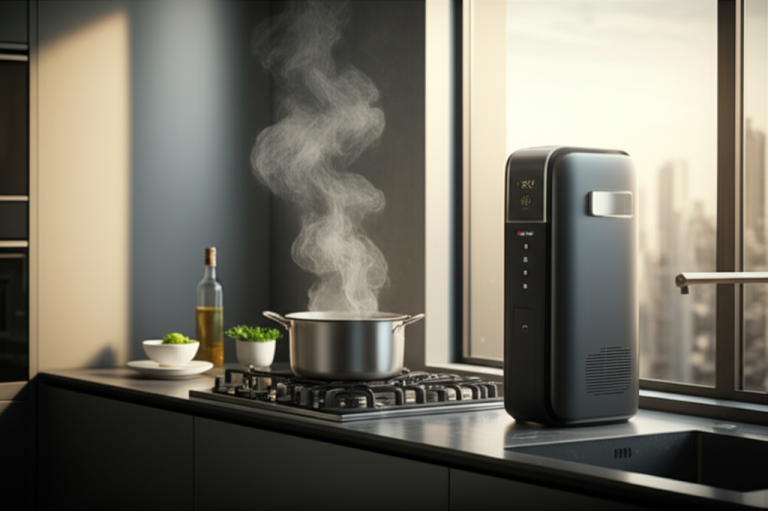
Different Types of Air Purifiers: Essential Guide

This essential guide explores the different types of air purifiers, helping you choose the best technology to create a healthier indoor environment by tackling allergens, pollutants, and odors effectively.
Breathing clean air at home is more important than ever, especially with rising concerns about indoor air quality. You might be wondering about the various options available and which one is right for your needs. From common household dust to microscopic allergens and lingering odors, the air we breathe indoors can significantly impact our health and well-being. This guide will demystify the different types of air purifiers, explaining how each works and what they’re best suited for. Let’s dive in and find the perfect solution for your home’s air.
Understanding Air Purifier Technologies
Air purifiers use different methods to clean the air, and understanding these core technologies is the first step to making an informed decision. Each type has its strengths and weaknesses, making some better suited for specific air quality issues than others. By knowing how they work, you can better assess which filtration system will best address your unique indoor air concerns.
HEPA Filters: The Gold Standard for Particle Removal
HEPA, which stands for High-Efficiency Particulate Air, filters are widely recognized as the most effective technology for capturing airborne particles. These filters are designed to trap at least 99.97% of particles that are 0.3 microns in size. This includes common allergens like dust mites, pollen, pet dander, and mold spores.
What is a HEPA filter?
A HEPA filter is a mechanical air filter designed to remove at least 99.97% of airborne particles 0.3 microns in diameter. This efficiency makes them ideal for trapping common allergens and irritants, significantly improving indoor air quality for sensitive individuals.
The effectiveness of a HEPA filter lies in its dense mesh of fibers, which trap particles through a combination of diffusion, interception, and impaction. True HEPA filters must meet stringent standards set by regulatory bodies, ensuring their reliable performance in removing microscopic contaminants.
Activated Carbon Filters: Tackling Odors and Gases
While HEPA filters excel at trapping particles, activated carbon filters are the heroes when it comes to removing odors, gases, and volatile organic compounds (VOCs). These filters use activated carbon, a porous material that has been treated to increase its absorbency. The vast surface area of activated carbon adsorbs gas molecules, effectively neutralizing smells and chemical fumes.
How do activated carbon filters work?
Activated carbon filters work through a process called adsorption, where gas molecules chemically bond to the porous surface of the carbon. This traps odors, smoke, and harmful VOCs from the air, making them an excellent addition to any air purification system.
These filters are particularly useful for homes where cooking odors, pet smells, or smoke are a persistent problem. They are also beneficial in reducing the impact of VOCs released from household cleaning products, paints, and furniture.
Ionizers: Releasing Negative Ions
Ionizers work by releasing negatively charged ions into the air. These ions attach themselves to airborne particles like dust, pollen, and smoke, giving them a negative charge. As these charged particles move through the air, they are attracted to positively charged surfaces, such as walls, floors, and furniture, effectively removing them from the air.
What are the benefits of ionizers?
Ionizers can help reduce airborne particles and improve air freshness by charging contaminants. However, some models can produce ozone as a byproduct, which can be a lung irritant for sensitive individuals.
It’s important to note that some ionizers can produce ozone as a byproduct. While ozone can help neutralize odors and kill bacteria, it can also be harmful to respiratory health, especially for those with asthma or other lung conditions. Look for ionizers that are certified as low-ozone or ozone-free.
UV-C Light: Targeting Microorganisms
Ultraviolet germicidal irradiation (UV-C light) is a technology that uses short-wavelength ultraviolet light to kill or inactivate airborne microorganisms like bacteria, viruses, and mold spores. The UV-C light damages the DNA or RNA of these pathogens, preventing them from reproducing and causing illness.
Can UV-C light kill germs in air purifiers?
Yes, UV-C light within air purifiers can effectively kill or inactivate airborne bacteria, viruses, and mold spores. It’s often used in conjunction with other filter types to provide a more comprehensive air purification solution.
UV-C light is often used as a supplementary purification method in conjunction with HEPA and carbon filters. It’s particularly beneficial for households concerned about airborne illnesses or the presence of mold.
PCO (Photocatalytic Oxidation): Breaking Down Pollutants
Photocatalytic oxidation (PCO) is an advanced air purification technology that uses UV light to activate a catalyst, typically titanium dioxide (TiO2). This reaction creates hydroxyl radicals, which are highly reactive molecules that can break down VOCs, bacteria, viruses, and other pollutants into harmless substances like water and carbon dioxide.
How does PCO technology purify air?
PCO uses UV light and a catalyst to create hydroxyl radicals that break down airborne pollutants, including VOCs and microorganisms. This process effectively neutralizes contaminants, converting them into harmless byproducts like water and CO2.
PCO technology is effective at neutralizing a wide range of airborne contaminants, including those that other filters might miss. However, like ionizers, some PCO units can produce trace amounts of ozone, so it’s crucial to choose certified models.
Types of Air Purifiers by Technology
Now that we’ve covered the core technologies, let’s look at how they are combined in different types of air purifiers available on the market. Each configuration offers a unique approach to tackling indoor air pollution.
Multi-Stage Air Purifiers
Multi-stage air purifiers are the most common and comprehensive type, combining several purification technologies to tackle a wide range of air quality issues. Typically, they include a pre-filter, a HEPA filter, and an activated carbon filter. Some models may also incorporate UV-C light or PCO technology.
What is a multi-stage air purifier?
A multi-stage air purifier combines multiple filtration systems, such as HEPA, activated carbon, and pre-filters, to address various air pollutants. This comprehensive approach tackles particles, odors, gases, and even some microorganisms for superior indoor air quality.
This layered approach ensures that both particulate matter and gaseous pollutants are effectively removed, offering a holistic solution for cleaner air. They are ideal for general household use and for individuals with multiple air quality concerns.
Single-Technology Air Purifiers
As the name suggests, these purifiers focus on a single purification method. For example, you might find a purifier that only uses activated carbon to combat odors or one that only uses a HEPA filter for particle removal. While simpler, they may not be as effective against a broad spectrum of pollutants.
When are single-technology air purifiers useful?
Single-technology air purifiers are best suited for specific, targeted issues. For instance, a carbon-only unit is great for odor control, while a HEPA-only unit excels at removing allergens from the air.
These are often more budget-friendly options but are best chosen when you have a very specific problem you need to address. If your needs are broader, a multi-stage unit is usually a better investment.
Air Purifiers with Integrated Humidifiers/Dehumidifiers
Some advanced air purifiers come with built-in humidifiers or dehumidifiers, offering a multi-functional solution for indoor climate control. These devices can help maintain optimal humidity levels, which can further improve air comfort and health by preventing dry air symptoms or reducing mold growth.
Can air purifiers also humidify or dehumidify?
Yes, some air purifiers integrate humidifying or dehumidifying functions. These all-in-one units help manage both air purity and humidity levels, creating a more comfortable and healthier indoor environment.
This combination is excellent for those living in climates with extreme humidity or for individuals who experience issues related to dry or overly moist air. It simplifies home comfort by consolidating multiple appliances into one.
Choosing the Right Air Purifier for Your Needs
Selecting the right type of air purifier depends heavily on your specific concerns and the environment you want to create. Consider the size of the room, the primary pollutants you’re trying to address, and any sensitivities you or your family members may have.
For Allergy Sufferers
If you or someone in your household suffers from allergies, a HEPA filter is non-negotiable. Look for air purifiers with a true HEPA filter that is certified to capture at least 99.97% of particles as small as 0.3 microns. This will effectively remove common allergens like pollen, pet dander, dust mites, and mold spores from the air.
What is the best air purifier for allergies?
For allergy sufferers, a true HEPA filter air purifier is essential. It effectively captures microscopic allergens like pollen, pet dander, dust mites, and mold spores, providing significant relief from allergy symptoms.
Consider models with a substantial CADR (Clean Air Delivery Rate) for the room size you intend to use it in, ensuring efficient air circulation and filtration. An activated carbon filter can also be beneficial for tackling any associated odors.
For Pet Owners
Pet owners often struggle with pet dander, odors, and sometimes even pet-related allergens. An air purifier with a true HEPA filter is crucial for capturing dander and other airborne particles. Equally important is a robust activated carbon filter to neutralize those distinct pet odors.
What air purifier is best for pet odors and dander?
For pet owners, an air purifier with a true HEPA filter to capture dander and an activated carbon filter to neutralize odors is ideal. Look for a unit with a high CADR and ensure it’s designed for the room size.
Pre-filters are also a great bonus, as they can capture larger pet hairs and prevent them from clogging the main HEPA filter, extending its lifespan. Regular filter replacement is key to maintaining optimal performance.
For Homes with Smoke or Chemical Odors
If your home is affected by smoke (from cooking, fireplaces, or external sources) or chemical odors from VOCs, activated carbon is your primary defense. Look for air purifiers with a thick, high-quality activated carbon filter. The more carbon the filter contains, the better its capacity to adsorb odors and gases.
How can I remove smoke and chemical odors from my air?
To effectively remove smoke and chemical odors, an air purifier with a substantial activated carbon filter is crucial. These filters adsorb odor molecules and VOCs, significantly improving air freshness in your home.
A HEPA filter should ideally be included as well, as smoke contains fine particulate matter that can be harmful to respiratory health. PCO technology can also be effective, but ensure it’s ozone-free.
For General Air Quality Improvement
For a general boost in indoor air quality, a multi-stage air purifier is often the best choice. These units typically combine a HEPA filter for particles and an activated carbon filter for odors and gases, offering a well-rounded solution. They provide a good balance of effectiveness against common indoor pollutants.
What is the best all-around air purifier?
A multi-stage air purifier, typically featuring a HEPA filter and an activated carbon filter, offers the best all-around solution for general indoor air quality improvement. It tackles both particulate matter and gaseous pollutants effectively.
Consider the CADR rating to ensure it’s suitable for your room size. These units are a solid investment for creating a healthier living environment for everyone in the household.
Key Features to Consider
Beyond the core purification technologies, several other features can significantly impact your experience with an air purifier. Paying attention to these details will help you find a unit that is not only effective but also convenient and suitable for your lifestyle.
CADR (Clean Air Delivery Rate)
CADR is a standardized measure of how quickly an air purifier can clean the air in a room. It’s measured for three common pollutants: smoke, dust, and pollen. A higher CADR rating indicates a more powerful and efficient unit.
What does CADR mean for air purifiers?
CADR (Clean Air Delivery Rate) measures how efficiently an air purifier removes smoke, dust, and pollen. A higher CADR means faster and more effective air cleaning for a given room size.
When choosing an air purifier, ensure its CADR is appropriate for the square footage of the room you plan to use it in. Manufacturers often provide room size recommendations based on CADR ratings.
Room Size and Air Changes Per Hour (ACH)
Air purifiers are rated for specific room sizes. It’s crucial to select a unit that matches or exceeds the dimensions of your space. ACH, or Air Changes Per Hour, indicates how many times the unit can filter all the air in a room within an hour. A higher ACH (e.g., 4-5) means more frequent air cleaning.
How important is room size for air purifiers?
Room size is critical; choose an air purifier rated for your space or larger. Higher ACH (Air Changes Per Hour) signifies more frequent air filtration, leading to cleaner air more quickly.
Using an undersized unit will result in less effective air purification. Conversely, an oversized unit might be overkill and consume more energy than necessary.
Filter Lifespan and Replacement Costs
Air purifiers require regular filter maintenance. HEPA filters typically last 6-12 months, while activated carbon filters may need replacement every 3-6 months, depending on usage and air quality. Factor in the cost and availability of replacement filters when making your purchase.
How often do air purifier filters need replacing?
HEPA filters generally last 6-12 months, while activated carbon filters may need replacement every 3-6 months. This depends on usage and the level of pollutants in your air.
Always check the manufacturer’s recommendations for filter life. Ignoring filter replacement can significantly reduce the purifier’s effectiveness and potentially lead to secondary air pollution.
Noise Level
Air purifiers operate using fans, which generate noise. The noise level is usually measured in decibels (dB) and is often lower on lower fan speed settings. If you plan to use the purifier in a bedroom or living area, look for models with a quiet or “sleep” mode.
Is an air purifier noisy?
Air purifier noise levels vary by model and fan speed. Look for units with a low decibel rating, especially if you plan to use it in a bedroom or quiet living space. Many offer a quiet or sleep mode.
Consider how sensitive you are to noise. A unit that’s acceptable in a busy living room might be disruptive in a quiet bedroom.
Energy Consumption
Air purifiers consume electricity, and their energy usage can vary depending on the model, fan speed, and features. Look for Energy Star certified models, which are designed to be more energy-efficient. This can help reduce your electricity bills and environmental impact.
Are air purifiers energy-intensive?
Energy consumption varies, but many modern air purifiers are energy-efficient, especially those with Energy Star certification. Using lower fan speeds when possible can also reduce power usage.
While initial cost is important, consider the long-term energy expenses associated with running the unit.
Advanced Features and Considerations
Some air purifiers come with smart features and additional considerations that can enhance your user experience and purification effectiveness.
Smart Features and Connectivity
Many modern air purifiers offer smart features, such as Wi-Fi connectivity, app control, and voice assistant compatibility (e.g., Amazon Alexa, Google Assistant). These allow you to monitor air quality, adjust settings, and schedule operation remotely.
What are smart air purifiers?
Smart air purifiers connect to Wi-Fi and can be controlled via a smartphone app or voice commands. They often display real-time air quality data and allow remote adjustments, offering convenience and enhanced control.
These features add a layer of convenience, allowing you to manage your home’s air quality even when you’re away. They can also provide valuable insights into your indoor environment.
Air Quality Sensors and Auto Mode
Advanced air purifiers are equipped with air quality sensors that can detect the level of pollutants in the air. They often feature an “auto mode” that automatically adjusts the fan speed based on the detected air quality, ensuring optimal purification without constant manual intervention.
How do air quality sensors work in purifiers?
Air quality sensors in purifiers detect levels of pollutants like PM2.5, VOCs, or odors. The “auto mode” uses this data to adjust the fan speed dynamically, ensuring efficient and responsive air purification.
This feature is incredibly convenient, as the purifier can manage itself based on real-time conditions. It ensures your air is consistently clean without you having to constantly monitor or adjust settings.
Ozone Production
As mentioned earlier, some purification technologies, like ionizers and PCO, can produce ozone as a byproduct. While beneficial in some industrial applications, ozone is a lung irritant and can be harmful to human health, especially for those with respiratory conditions. Always opt for ozone-free or certified low-ozone models.
Is ozone from air purifiers dangerous?
Yes, ozone produced by some air purifiers can be a lung irritant and harmful to respiratory health. It’s crucial to choose ozone-free or certified low-ozone models for safe indoor use.
Organizations like the California Air Resources Board (CARB) certify air purifiers for low ozone emissions, providing a reliable benchmark for safety.
AHAM Certification
The Association of Home Appliance Manufacturers (AHAM) provides a certification program for air purifiers. AHAM Verified marks indicate that the unit has been independently tested for CADR and room size coverage, providing a reliable standard for performance claims.
What is AHAM certification for air purifiers?
AHAM (Association of Home Appliance Manufacturers) certification means an air purifier has been independently tested for its Clean Air Delivery Rate (CADR) and recommended room size coverage, ensuring performance claims are accurate.
Looking for the AHAM Verified seal provides an extra layer of confidence in a product’s stated performance capabilities.
Popular Air Purifier Brands and Technologies
Several reputable brands offer a wide range of air purifiers, each with its own strengths and popular technologies. Understanding these can help narrow down your choices.
| Brand Name | Popular Technologies Used | Key Strengths |
| :————– | :—————————————————— | :————————————————– |
| Coway | True HEPA, Activated Carbon, Ionizer (often optional) | High CADR, effective particle and odor removal |
| Levoit | True HEPA, Activated Carbon, Pre-filter | Affordable, user-friendly, good for small to medium rooms |
| Blueair | HEPASilent™ (combination of electrostatic & mechanical), Activated Carbon | Quiet operation, sleek design, energy-efficient |
| Winix | True HEPA, Activated Carbon, PlasmaWave® (optional ozone-free) | Good value, effective multi-stage purification |
| Honeywell | True HEPA, Activated Carbon | Durable, widely available, strong particle capture |
Note: Technology offerings can vary by specific model within each brand.
HEPA vs. Other Filters: A Quick Comparison
| Filter Type | Primary Function | Best For | Limitations |
| :—————– | :———————————————— | :————————————————————————- | :———————————————————————– |
| HEPA | Captures particulate matter (dust, pollen, dander) | Allergies, asthma, general particle reduction | Does not remove gases or odors |
| Activated Carbon | Adsorbs odors, gases, VOCs | Smoke, cooking smells, pet odors, chemical fumes | Does not capture particulate matter |
| Ionizer | Charges particles to help them settle | Can reduce airborne particles, but effectiveness varies; potential ozone | May produce ozone, doesn’t remove gases or odors effectively |
| UV-C Light | Kills/inactivates microorganisms | Germs, bacteria, viruses, mold spores | Requires sufficient exposure time; doesn’t remove particles or gases |
Frequently Asked Questions (FAQ)
Do I need an air purifier if I don’t have allergies?
Even if you don’t have allergies, an air purifier can significantly improve your indoor air quality. They remove common pollutants like dust, VOCs from household products, and airborne germs, contributing to a healthier living environment for everyone.
How do I know if my air purifier is working effectively?
You’ll notice a reduction in odors, less dust settling on surfaces, and potentially fewer allergy symptoms. Many purifiers have indicator lights or app-based readings that show real-time air quality, confirming they are actively cleaning your air.
Can an air purifier help with COVID-19?
While no air purifier can guarantee complete protection, HEPA filter air purifiers can help reduce the concentration of airborne viral particles, including those associated with COVID-19, within a room. They are a valuable supplementary measure for improving indoor air safety.
What’s the difference between a HEPA filter and a HEPA-type filter?
A “true HEPA” filter meets strict standards, capturing at least 99.97% of 0.3-micron particles. “HEPA-type” or “HEPA-like” filters may not meet these standards and can have significantly lower efficiency, so always look for “True HEPA.”
How many air purifiers do I need for my home?
Ideally, you would have one air purifier per room where you spend significant time, especially bedrooms and main living areas. For a whole-house solution, consider a central HVAC system with a high-efficiency filter or multiple large-room purifiers.
Can air purifiers help with wildfire smoke?
Yes, air purifiers with a true HEPA filter and a substantial activated carbon filter are highly effective at removing the fine particulate matter and harmful gases associated with wildfire smoke, significantly improving indoor air quality during smoke events.
Conclusion: Investing in Your Home’s Health
Choosing among the different types of air purifiers might seem complex at first, but by understanding the core technologies and your specific needs, you can make a confident decision. Whether you’re battling allergies, pet odors, smoke, or simply aiming for a healthier living space, there’s an air purifier designed for you. Prioritizing a true HEPA filter for particles and a robust activated carbon filter for gases and odors will cover most common concerns. Always consider the CADR, room size, and filter replacement costs to ensure you get the most value and effectiveness from your investment. Investing in the right air purifier is an investment in your health and well-being.