
Dyson Air Purifier Vs Levoit: Essential Guide

Choosing between a Dyson air purifier and a Levoit model involves weighing advanced features against budget-friendly performance. This guide breaks down the key differences in purification technology, smart capabilities, design, and price to help you make the best decision for your home’s air quality.
Breathing clean air at home is more important than ever. With rising concerns about indoor pollutants like dust, pollen, and even viruses, many of us are looking for effective air purifiers. Two popular brands that often come up in this conversation are Dyson and Levoit. But which one is right for you? It’s a common dilemma: do you opt for the premium, feature-rich Dyson, or the value-driven, highly effective Levoit? This guide will walk you through everything you need to know to confidently choose between a Dyson air purifier and a Levoit.
Dyson Air Purifier vs Levoit: Which is the Smarter Choice?
When comparing Dyson air purifiers and Levoit models, you’re essentially looking at two different approaches to air purification. Dyson often emphasizes integrated functionality, combining purification with heating or cooling, and showcasing cutting-edge sensor technology. Levoit, on the other hand, focuses on delivering robust, standalone air purification at a more accessible price point, making it a popular choice for many households.
Understanding Air Purification Technology: Dyson’s Edge
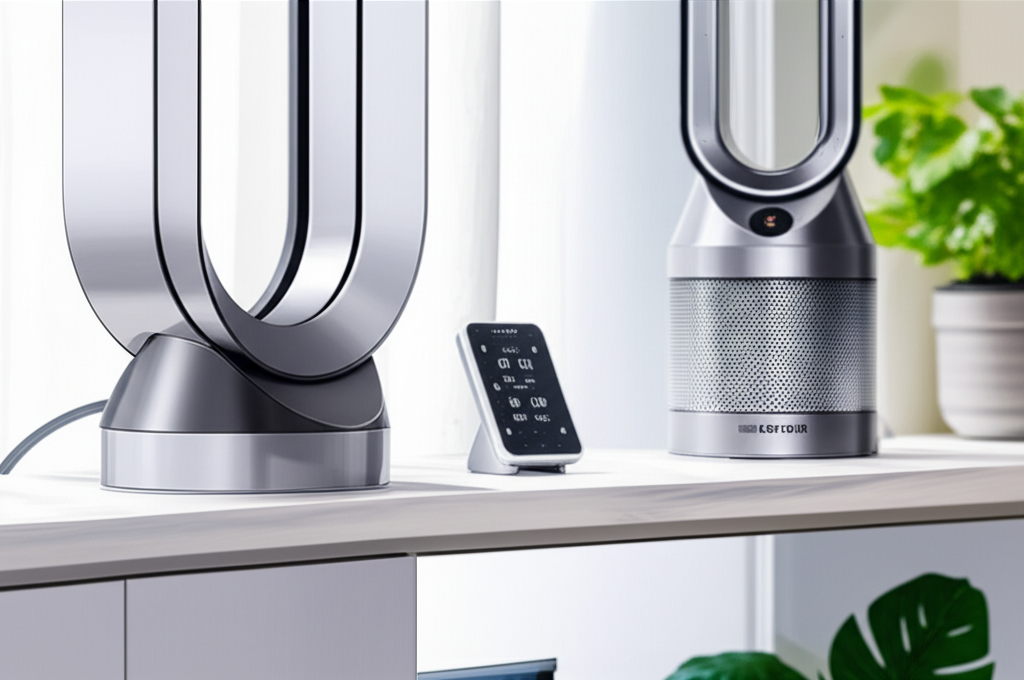
Dyson’s air purifiers are renowned for their sophisticated filtration systems and advanced sensor technology. They typically feature a sealed HEPA filtration system that captures 99.97% of particles as small as 0.3 microns. Beyond just filtering, Dyson units often incorporate technologies to detect and report on various air quality metrics in real-time, providing a comprehensive view of your indoor environment.
The intelligent sensors in Dyson purifiers continuously analyze your air, automatically adjusting fan speed and purification levels based on detected pollutants. This ensures your air is always being cleaned efficiently without constant manual intervention. Their commitment to sealed systems prevents air from bypassing the filters, maximizing purification effectiveness.
Levoit’s Approach: Simplicity and Effectiveness
Levoit air purifiers are celebrated for their straightforward yet highly effective approach to air cleaning. Most Levoit models utilize a 3-stage filtration system, typically including a pre-filter, a True HEPA filter, and an activated carbon filter. This combination is excellent at capturing common allergens, dust, pet dander, and odors.
Levoit’s focus is on delivering excellent purification performance without unnecessary extras. While some models offer smart features, the core strength lies in their reliable filtration that tackles everyday air quality concerns efficiently and affordably. They aim to make clean air accessible to everyone.
Design and Aesthetics: A Tale of Two Styles
When it comes to design, Dyson and Levoit offer distinct aesthetics. Dyson purifiers are known for their futuristic, bladeless designs, often resembling sleek sculptures. They are engineered to be visually appealing and seamlessly integrate into modern home décor, often featuring a distinctive loop or tower form factor.
Levoit purifiers tend to adopt a more conventional, compact design. They are typically cylindrical or rectangular, prioritizing functionality and space-saving. While perhaps less of a statement piece than a Dyson, Levoit units are designed to be unobtrusive and fit easily into various room settings.
Smart Features and Connectivity: Dyson’s Intelligence
Dyson units often come packed with smart technology. Many models connect to the Dyson Link app, allowing users to monitor air quality, control settings remotely, and set schedules from their smartphones. This app provides detailed historical data and real-time feedback on indoor and outdoor air quality.
Levoit also offers smart air purifiers with Wi-Fi connectivity, controllable via the VeSync app. These models allow for remote operation, scheduling, and air quality monitoring. While the app experience might differ in depth from Dyson’s, Levoit’s smart features provide convenience and control at a lower price point.
Noise Levels: Quieter Operation
Both brands strive for quiet operation, but Dyson often leads in this area, especially in its lower fan speed settings. Their bladeless fan technology contributes to a smoother, quieter airflow. Dyson purifiers are engineered to be whisper-quiet, making them suitable for bedrooms and living spaces where noise can be a concern.
Levoit purifiers are also designed with quietness in mind, often featuring a “sleep mode” that reduces fan speed and turns off indicator lights for undisturbed rest. While generally quiet, some users report slightly more audible noise from Levoit units at higher fan speeds compared to Dyson.
Coverage Area and CADR: Matching Your Room Size
The effectiveness of an air purifier is often measured by its Clean Air Delivery Rate (CADR) and the room size it can cover. Dyson purifiers are engineered for specific room sizes and often provide detailed coverage information. Their powerful airflow systems ensure efficient purification even in larger spaces.
Levoit offers a wide range of models designed for various room sizes, from small bedrooms to large living areas. Their CADR ratings are clearly stated, allowing consumers to easily select a unit appropriate for their space. It’s crucial to match the purifier’s capacity to your room’s square footage for optimal performance.
Maintenance and Filter Replacement: Costs and Convenience
Maintaining an air purifier involves regular filter replacements. Dyson filters are designed for longevity, but replacements can be a significant ongoing cost. The sealed system means replacing the entire filter unit, which is straightforward but adds to the total cost of ownership.
Levoit filters are generally more affordable and readily available. The multi-stage filtration means you might replace different filter components at varying intervals, but the overall cost for filter replacements tends to be lower than with Dyson. This makes Levoit a more budget-friendly option for long-term use.
Price Point: A Key Differentiator
The most significant difference between Dyson air purifiers and Levoit models is their price. Dyson products are positioned as premium appliances, with their air purifiers typically costing several hundred dollars more than comparable Levoit units. This higher price reflects Dyson’s advanced technology, integrated features, and brand prestige.
Levoit offers a compelling value proposition, providing effective air purification at a fraction of the cost of Dyson. Their range includes models that are highly rated for performance, making them an excellent choice for budget-conscious consumers who prioritize clean air without breaking the bank.
Dyson Air Purifier vs Levoit: Feature Comparison Table
| Feature | Dyson Air Purifier | Levoit Air Purifier |
| :—————- | :—————————————————— | :——————————————————— |
| Purification | Advanced HEPA, activated carbon, sealed filtration | True HEPA, activated carbon, pre-filter |
| Smart Features| Extensive app control, real-time AQI, scheduling | Wi-Fi control, app, scheduling, voice assistant compatibility |
| Design | Futuristic, bladeless, statement piece | Compact, conventional, space-saving |
| Noise Level | Very quiet, especially at lower settings | Generally quiet, with dedicated sleep modes |
| Additional Functions | Often includes heating/cooling, humidification | Primarily focused on air purification |
| Price Range | Premium (>$500) | Mid-range to budget-friendly (<$250) |
| Filter Cost | Higher ongoing cost | Lower ongoing cost |
Who Should Choose a Dyson Air Purifier?
A Dyson air purifier is an excellent choice if you are looking for an all-in-one solution that goes beyond basic air cleaning. If you value advanced technology, real-time detailed air quality monitoring, and a sophisticated design that doubles as a home accessory, Dyson is worth the investment. Their integrated heating or cooling functions can also be a major advantage for those seeking multi-functional appliances.
Consider a Dyson if you have specific concerns about a wide range of pollutants and want the most comprehensive data on your home’s air quality. The premium price point is justified by the cutting-edge engineering and integrated features that offer convenience and superior performance for those who can afford it.
Who Should Choose a Levoit Air Purifier?
Levoit air purifiers are ideal for individuals and families who need effective, reliable air purification without a hefty price tag. If your primary goal is to remove common allergens, dust, pet dander, and odors from your living space, Levoit delivers excellent results. They are a fantastic option for those on a budget or for outfitting multiple rooms with clean air.
If you appreciate smart features but don’t require the absolute most advanced sensor suite, Levoit offers smart models that provide convenient app control and scheduling. Their user-friendly design and accessible filter replacement costs make them a practical and popular choice for everyday use.
Frequently Asked Questions
What is the main difference in filtration between Dyson and Levoit?
Dyson often uses a fully sealed HEPA system that captures 99.97% of particles, while Levoit typically uses a 3-stage filtration (pre-filter, True HEPA, activated carbon) which is also highly effective for common pollutants.
Are Dyson air purifiers worth the extra cost compared to Levoit?
For many, the extra cost of Dyson is justified by their advanced sensor technology, integrated heating/cooling, and superior design. Levoit offers excellent value for money if your primary need is effective air purification.
Which brand is better for allergies?
Both brands are effective for allergies. Dyson’s sealed system and advanced sensors might offer a slight edge in capturing microscopic allergens and providing detailed reports, but Levoit’s True HEPA filters are also highly rated for allergy sufferers.
Can I use a Levoit air purifier in a large room?
Yes, Levoit offers various models with different CADR ratings and room coverage capacities. It’s essential to check the specifications to ensure you select a Levoit unit appropriate for the size of your room.
How often do I need to replace filters for each brand?
Filter replacement frequency varies by model and usage, but Dyson filters generally last longer but are more expensive to replace. Levoit filters are typically replaced every 6-8 months and are more budget-friendly.
Conclusion: Making Your Final Air Quality Decision
Ultimately, the choice between a Dyson air purifier vs Levoit hinges on your personal priorities and budget. If you seek the pinnacle of air purification technology, integrated multi-functionality, and a premium design, Dyson stands out. However, if your focus is on achieving excellent air quality through reliable filtration at an accessible price, Levoit is an outstanding contender that consistently delivers. Both brands offer solutions to improve your indoor air, ensuring a healthier and more comfortable living environment.
Consider what matters most: cutting-edge tech and design, or dependable performance and value. Whichever you choose, investing in clean air is a step towards better well-being.
