Carpet Cleaning and Water Damage: Essential Restoration

Carpet cleaning and water damage require swift, expert restoration to prevent mold, mildew, and structural issues. This guide details how to tackle both, from immediate cleanup to professional intervention, ensuring your home stays healthy and your carpets last longer.
Water can wreak havoc on your carpets. A small leak or a major flood can turn a cozy floor into a breeding ground for mold and a structural nightmare. Knowing how to deal with carpet cleaning and water damage is super important for keeping your home safe and healthy. This isn’t just about making your carpet look nice again. It’s about stopping bigger problems before they start.
We’ll walk you through what to do right away. We’ll also show you when it’s time to call in the pros. Let’s get your home back to its clean, dry state.
Understanding the Dangers of Water-Damaged Carpets
Water-soaked carpets are more than just a mess. They can hide serious dangers. Mold and mildew love damp, dark places like wet carpet padding. These can grow quickly, sometimes within 24-48 hours. Breathing in mold spores can cause health problems, especially for people with allergies or asthma.
Beyond mold, water can damage the carpet fibers themselves. It can weaken the backing and even the subfloor beneath. This can lead to permanent stains, odors, and a spongy, unstable floor. Early action is key to preventing these severe issues.
The Silent Threat: Mold and Mildew Growth
Mold needs moisture, a food source (like carpet fibers and glue), and the right temperature to grow. Wet carpets provide all of these. Mold spores are always in the air, but they only become a problem when they land on a damp surface. Once they start growing, they release more spores into your air.
Mildew is a type of mold that often appears as a powdery or slimy growth. It usually has a musty smell. Both mold and mildew can cause respiratory issues and allergic reactions. They also damage the materials they grow on.
Structural Integrity and Carpet Longevity
Water doesn’t just sit on the surface of your carpet. It soaks deep into the padding and can reach the subfloor. Prolonged exposure to moisture can cause wood subfloors to warp, rot, or buckle. This is a much bigger and more expensive problem to fix than wet carpet.
The adhesives used to hold carpet in place can also break down when wet. This can cause seams to split and the carpet to become loose. Restoring a water-damaged carpet quickly helps preserve its structure and your home’s foundation.
Immediate Steps for Carpet Cleaning and Water Damage
When water damage strikes, acting fast is your best defense. The quicker you can remove the water and start drying, the less damage you’ll have. Every minute counts in these early stages. Don’t wait to see if it dries on its own.
Your first goal is to remove as much standing water as possible. Then, you need to dry the carpet and the padding thoroughly. This prevents mold and minimizes damage to the carpet fibers and subfloor.
Water Extraction: The First Line of Defense
If there’s standing water, you need to get it out immediately. For small amounts, a wet/dry vacuum is your best friend. These vacuums are designed to suck up liquids safely. Go over the wet areas multiple times to remove as much water as you can. For larger floods, you might need a more powerful extraction tool or professional help.
Make sure you have good ventilation. Open windows and use fans to help speed up the drying process. The less time the carpet stays wet, the better.
Drying the Carpet and Padding
After extracting standing water, the carpet and padding are still very damp. You need to dry them completely. Use fans to circulate air across the wet areas. Dehumidifiers can also be very effective at pulling moisture out of the air and speeding up drying.
You might need to lift the carpet to allow air to circulate underneath. This is especially important if the padding is soaked. Ensure the area is completely dry before putting furniture back or walking on it extensively. Drying can take several days, depending on the amount of water and humidity levels.
When to Call the Professionals for Water Damage
Sometimes, water damage is too extensive for DIY solutions. If the water is heavily contaminated, or if the carpet is completely saturated, professional help is essential. Professionals have specialized equipment and expertise to handle severe water damage.
They can remove water quickly, dry your home thoroughly, and even help with mold remediation. They also know how to assess the damage to your carpet and subfloor. It’s a smart investment to protect your home.
Identifying Contaminated Water Sources
Not all water is clean water. Water from burst pipes or rain is usually considered clean. However, water from sewage backups or flooded rivers is contaminated. This type of water contains bacteria, viruses, and other harmful substances.
If your carpet is damaged by contaminated water, do not try to clean it yourself. This water poses serious health risks. Professional restoration companies have the right protective gear and cleaning agents to handle these situations safely. They can sanitize and dry your home effectively.
Professional Drying and Deodorizing Techniques
Water damage restoration companies use powerful equipment like industrial-strength extractors, air movers, and dehumidifiers. These tools can remove moisture much faster and more effectively than home equipment. They can reach deep into the carpet padding and subfloor to dry everything out.
They also offer specialized deodorizing treatments. Musty smells from water damage and mold can be persistent. Professionals can neutralize these odors, leaving your home smelling fresh again. They can also test for and safely remove any mold growth.
Choosing the Right Carpet Cleaning Appliances
For everyday spills or minor water incidents, having the right cleaning appliances at home makes a big difference. Investing in a good carpet cleaner or a powerful wet/dry vacuum can help you tackle messes before they become big problems. These tools are designed to lift dirt and moisture from your carpets.
The HomeHygia range offers solutions for various cleaning needs. From powerful vacuums to specialized carpet washers, we aim to make home care easier. Let’s look at some options that can help you manage carpet issues.
Wet/Dry Vacuums: Versatile Mess Solvers
A wet/dry vacuum is an indispensable tool for any homeowner. It can handle dry debris like dust and dirt, as well as liquids. This makes it perfect for soaking up spills on carpets or hard floors. Many models come with different attachments for various cleaning tasks.
When dealing with water damage, a wet/dry vac is your first step. It can remove a significant amount of water quickly. Look for models with strong suction power and a large tank capacity for efficient water removal. Remember to clean and dry the vacuum thoroughly after use with water.
Carpet Washers and Extractors
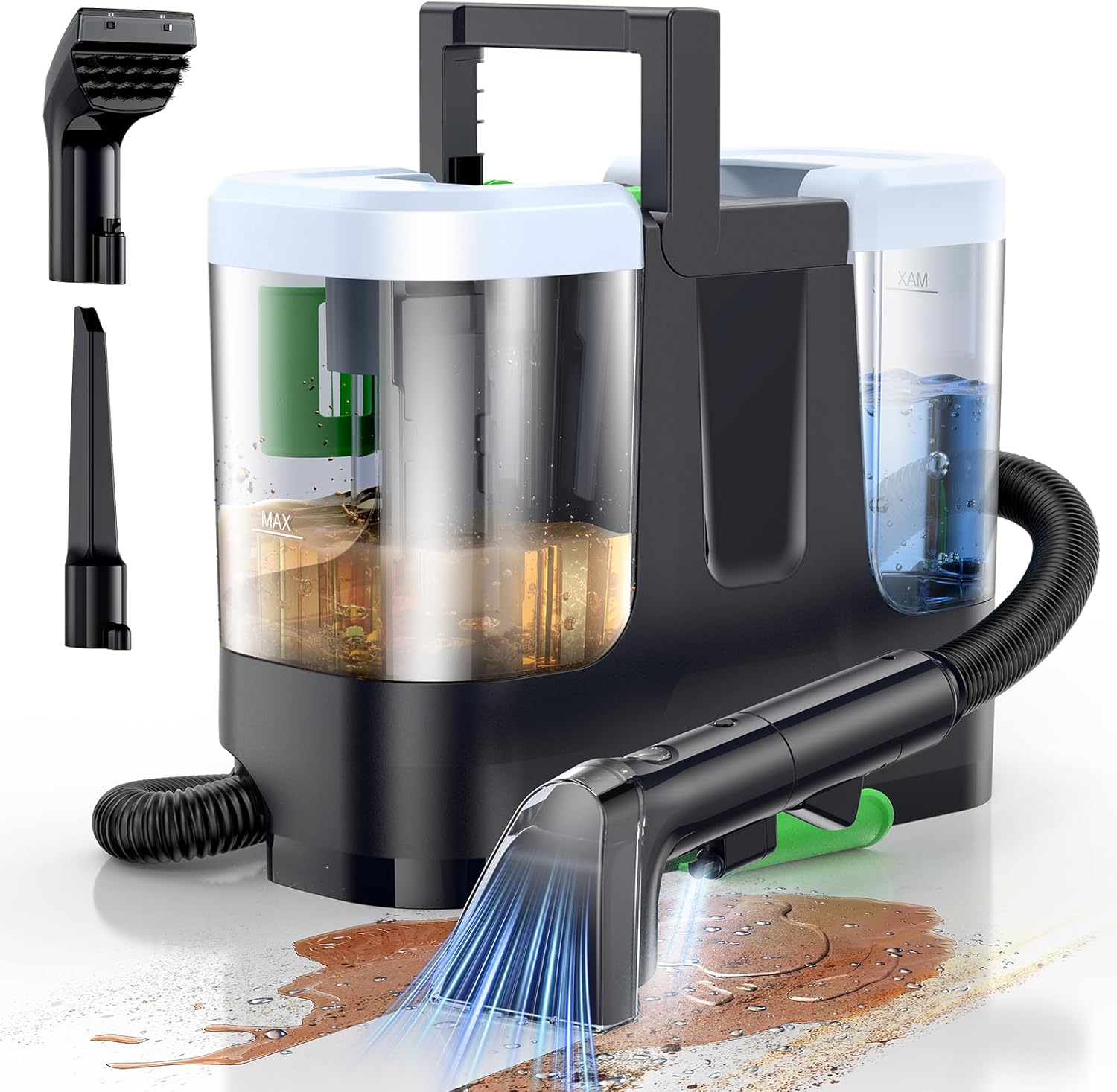
Carpet washers, also known as carpet cleaners or extractors, are designed specifically for deep cleaning carpets. They spray a cleaning solution onto the carpet and then vacuum up the dirty water. These machines are excellent for removing stains, odors, and embedded dirt.
For water damage, some carpet extractors can be used to remove excess moisture after initial extraction. They are not as powerful as professional equipment but can be helpful for smaller, less severe water incidents. Using one can help dry the carpet more thoroughly and prevent the spread of moisture.
Steam Cleaners for Deep Hygiene
Steam cleaners use hot steam to clean and sanitize surfaces. While they are great for hard floors and some upholstery, their effectiveness on deep water damage in carpets is limited. Steam can sometimes set stains or even push moisture deeper into the carpet and padding.
However, for general carpet cleaning and sanitizing after a minor spill has been dried, a steam cleaner can kill bacteria and refresh the carpet fibers. It’s best used on carpets that are already mostly dry to add a hygienic finish. Always check the manufacturer’s instructions for your specific carpet type.
DIY Carpet Cleaning After Minor Water Spills
For small spills, like a knocked-over glass of water or a minor pet accident, you can often manage the cleanup yourself. The key is to act fast and use the right techniques. Your goal is to dry the carpet as quickly as possible and prevent any odors or stains from setting.
Start by blotting up as much liquid as you can with clean towels. Then, use your wet/dry vacuum to extract more moisture. After that, focus on drying the area completely. Using a fan and a dehumidifier can help a lot.
Blotting vs. Rubbing: The Gentle Approach
When dealing with spills, always blot the area rather than rubbing it. Rubbing can spread the spill and push it deeper into the carpet fibers. It can also damage the carpet’s texture, making it look worn and fuzzy.
Use clean, absorbent cloths or paper towels. Press down firmly on the spill to soak up the liquid. Keep changing to a clean section of the towel or a new towel as it becomes saturated. This gentle method is the most effective way to remove liquid without causing further damage.
Using Home Cleaning Solutions
For minor stains or lingering odors after drying, you can use home cleaning solutions. For general freshening, a solution of white vinegar and water can help. For pet stains, enzymatic cleaners are very effective at breaking down the organic matter and eliminating odors.
Always test any cleaning solution in an inconspicuous area of the carpet first. This ensures it won’t discolor or damage the fibers. Apply the solution sparingly and blot it up with clean towels. Rinse the area with clean water and blot dry again.
Preventing Future Water Damage to Carpets
Preventing water damage is always easier than cleaning it up. Regular maintenance of your home’s plumbing and appliances can stop many water-related issues before they start. Being proactive can save you a lot of time, money, and stress.
Regularly inspect pipes, hoses, and appliance connections for leaks or signs of wear. Keep gutters and downspouts clear to direct rainwater away from your home’s foundation. Address any small leaks or drips immediately.
Appliance Maintenance: A Key Preventative Measure
Many water damage incidents are caused by appliance failures. Regularly check hoses on washing machines, dishwashers, and refrigerators with ice makers. Replace any hoses that look cracked, brittle, or bulging. Consider using braided stainless steel hoses, which are more durable.
Also, inspect your water heater and HVAC system. Ensure they are functioning correctly and have no leaks. Professional servicing of these appliances can help identify potential problems early.
Plumbing Checks and Leak Detection
Your home’s plumbing system is another common source of water leaks. Periodically check under sinks and around toilets for any signs of moisture or drips. Listen for any unusual sounds, like running water when no faucets are on. A small leak can turn into a major problem quickly.
Consider installing water leak detectors. These devices can alert you to moisture in areas prone to leaks, like basements or near water heaters. Early detection is crucial for minimizing water damage.
The Role of Air Purifiers in Water-Damaged Homes
After dealing with water damage, even after drying, mold spores can linger in the air. Air purifiers play a crucial role in improving indoor air quality in such situations. They can help remove airborne particles, including mold spores and allergens.
Using an air purifier with a HEPA filter is highly recommended. HEPA filters are designed to capture very small particles. This helps to create a healthier living environment as your home recovers from water damage.
HEPA Filters and Mold Spore Capture
High-Efficiency Particulate Air (HEPA) filters are certified to remove at least 99.97% of airborne particles that are 0.3 microns in size. This includes common allergens, dust, pollen, pet dander, and importantly, mold spores. Mold spores are typically between 1 and 20 microns.
An air purifier with a HEPA filter can significantly reduce the number of mold spores circulating in your home’s air. This is especially important if you or your family members are sensitive to mold. Running the air purifier continuously can help maintain cleaner air.
Odor Elimination and Air Freshening
Beyond mold spores, water damage often leaves behind musty and unpleasant odors. Some air purifiers also have activated carbon filters. These filters are excellent at absorbing and neutralizing volatile organic compounds (VOCs) and other odor-causing molecules.
While air purifiers can help with odors, they are not a substitute for thorough cleaning and drying. They work best as a complementary tool to improve air quality after the primary water damage issues have been addressed. They help make the environment more comfortable as it fully dries out.
Frequently Asked Questions
Q1: How quickly does mold grow on wet carpets?
Mold can start to grow on wet carpets within 24 to 48 hours. The faster you can dry the carpet, the less chance mold has to develop.
Q2: Can I clean sewage-contaminated carpet myself?
No, you should never clean sewage-contaminated carpet yourself. This type of water is hazardous and requires professional cleaning and sanitization.
Q3: How long does it take for a carpet to dry after water damage?
Drying time varies greatly. It can take anywhere from 24 hours to several days, depending on the amount of water, humidity, and drying methods used.
Q4: Is a steam cleaner good for water damage?
Steam cleaners are not ideal for initial water damage cleanup. They can sometimes push moisture deeper. They are better for sanitizing already dried carpets.
Q5: What is the best way to remove standing water from a carpet?
The best way is to use a wet/dry vacuum. For large amounts of water, professional water extraction services are recommended.
Q6: Can a dehumidifier help dry my carpet?
Yes, a dehumidifier can significantly help dry your carpet by removing moisture from the air, which speeds up the evaporation process.
Conclusion: Protecting Your Home from Carpet Water Damage
Carpet cleaning and water damage are serious issues that require prompt and proper attention. Understanding the risks, from mold growth to structural damage, is the first step. Acting quickly to extract water and dry your carpets is crucial for minimizing harm.
For minor spills, your HomeHygia cleaning appliances can be invaluable tools. For more significant water damage, especially from contaminated sources, always call in professional restoration experts. By taking preventive measures and knowing when to seek help, you can protect your home and keep your carpets healthy and clean for years to come.