
Carbon Activated Air Purifier: Essential Guide

The carbon activated air purifier is your secret weapon against indoor air pollution, effectively trapping odors, gases, and VOCs for a fresher, healthier home environment. This guide unlocks its full potential.
Breathing clean air at home is something we often take for granted, yet indoor air can be surprisingly polluted. Dust, pet dander, cooking fumes, and even everyday household products can release harmful particles and gases into your living space. This can lead to allergies, headaches, and general discomfort, impacting your well-being. But what if there was a simple, powerful solution? Enter the carbon activated air purifier, a technology designed to tackle these invisible threats. I’m here to walk you through everything you need to know to make an informed choice and enjoy truly fresh air.
What is a Carbon Activated Air Purifier?
A carbon activated air purifier uses activated carbon, a highly porous material, to effectively remove airborne contaminants. This carbon has been treated to create millions of tiny pores, dramatically increasing its surface area. These pores trap gases, odors, and volatile organic compounds (VOCs) through a process called adsorption.
This remarkable filtration method is a cornerstone of many advanced air purification systems. It works by attracting and holding onto pollutant molecules, rather than just filtering out larger particles.
The Science Behind Activated Carbon
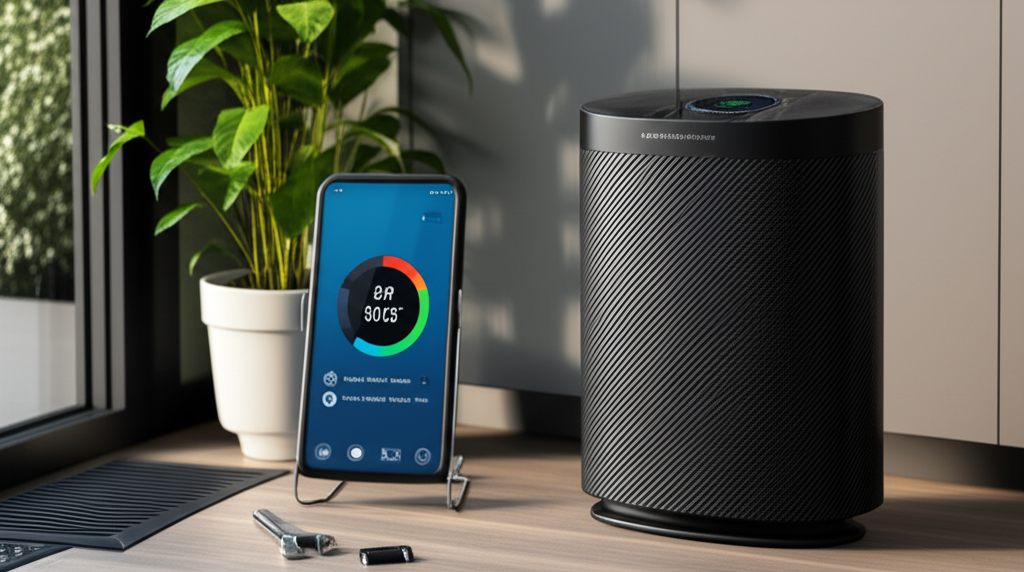
Activated carbon is essentially charcoal that has been processed at very high temperatures. This process creates an incredibly porous structure with an enormous internal surface area. Think of it like a sponge, but on a microscopic level, ready to absorb a wide range of airborne impurities.
The key is the activation process, which enhances the carbon’s natural adsorptive properties. This makes it exceptionally effective at capturing odors and chemical pollutants that other filters miss.
Why Choose a Carbon Activated Air Purifier?
When it comes to tackling specific indoor air quality issues like odors and chemical fumes, a carbon activated air purifier stands out. While HEPA filters excel at capturing particulate matter, activated carbon targets gases and smells, offering a more comprehensive solution. This dual-action approach is crucial for a truly healthy home.
It’s particularly beneficial for households with pets, smokers, or those living near sources of industrial pollution. The ability to neutralize odors is a game-changer for comfort and air freshness.
Key Benefits of Activated Carbon Filtration
Odor Elimination: Effectively neutralizes unpleasant smells from cooking, pets, smoke, and mold.
VOC Removal: Captures harmful volatile organic compounds released from paints, cleaning products, and furniture.
Gas Filtration: Addresses gases like formaldehyde, benzene, and ozone that can impact health.
Improved Air Fresheness: Leaves your home smelling noticeably cleaner and fresher.
These benefits contribute significantly to a healthier and more pleasant living environment.
How Does Activated Carbon Work in Air Purifiers?
The magic of a carbon activated air purifier lies in adsorption. Unlike absorption, where a substance is soaked up, adsorption involves molecules adhering to the surface of the activated carbon. The vast surface area of the carbon provides countless sites for these molecules to bind to.
Imagine a busy train station where many passengers (pollutant molecules) alight and stay on the platform (carbon surface). This process effectively removes them from the air circulating through the purifier.
Adsorption vs. Absorption: A Quick Distinction
| Process | Description | Example in Air Purification |
| :———- | :—————————————————— | :———————————————– |
| Adsorption | Pollutants adhere to the surface of the filter material. | Activated carbon trapping VOCs and odors. |
| Absorption | Pollutants are soaked up into the filter material. | A sponge soaking up water. |
Activated carbon’s effectiveness stems from its superior adsorptive capabilities. This makes it ideal for removing gases and odors.
Types of Activated Carbon Filters
Activated carbon filters come in various forms, each with slightly different characteristics and applications within air purifiers. The most common are granular activated carbon (GAC) and carbon cloth or mesh filters. The amount and quality of carbon also play a significant role in performance.
The choice between these types often depends on the purifier’s design and the specific pollutants it aims to target. More carbon generally means better and longer-lasting filtration.
Granular Activated Carbon (GAC) Filters
GAC filters consist of small, irregular pieces of activated carbon. They offer good contact time for air to pass through, allowing for effective adsorption of gases and odors. These are very common in standalone air purifiers.
The loose nature of GAC allows for excellent airflow and impurity capture. However, it can sometimes shed fine carbon dust.
Carbon Impregnated Filters (Cloth/Mesh)
These filters use a fabric or mesh material that has been coated or impregnated with activated carbon. They are often thinner than GAC filters and can be integrated into multi-stage filtration systems. They are efficient for lighter odor and gas issues.
Carbon cloth filters are lighter and can be easier to handle. They are often used in conjunction with HEPA filters for a comprehensive clean.
What Pollutants Can a Carbon Activated Air Purifier Remove?
A well-designed carbon activated air purifier is a powerhouse against a specific set of indoor air pollutants. While it complements HEPA filters, its strength lies in tackling molecular contaminants that HEPA filters cannot capture. This includes a wide range of gases, VOCs, and odors that impact air quality and smell.
These are the invisible threats that often contribute most to that “stale” indoor air feeling. Removing them makes a significant difference to your home’s atmosphere.
Common Contaminants Targeted:
Odors: Pet smells, cooking fumes, cigarette smoke, bathroom odors, musty smells.
Volatile Organic Compounds (VOCs): Formaldehyde (from furniture, building materials), benzene (from plastics, fuels), toluene (from paints, solvents), xylene.
Gases: Ozone (produced by some electronics), nitrogen dioxide, sulfur dioxide.
It’s important to note that activated carbon is less effective against particulate matter like dust, pollen, and mold spores, which are best handled by a HEPA filter.
When is a Carbon Activated Air Purifier Most Effective?
The effectiveness of your carbon activated air purifier depends on several factors, including the amount of carbon, the type of carbon used, and the airflow rate. For optimal performance, look for purifiers with a substantial amount of activated carbon, often measured in pounds or kilograms. A thicker carbon bed generally leads to better adsorption and longer filter life.
Consider the specific needs of your home. If odors or chemical sensitivities are your primary concern, a robust carbon filter is essential.
Factors Influencing Performance:
Carbon Amount: More carbon means more surface area for adsorption.
Carbon Quality: Different types of carbon (e.g., coconut shell, wood-based) have varying pore structures.
Contact Time: How long the air stays in contact with the carbon bed.
Airflow Rate: The volume of air processed per hour (CADR).
Choosing a unit with a high Clean Air Delivery Rate (CADR) for smoke, odors, and gases indicates strong carbon performance.
How Much Activated Carbon is Enough?
For a truly effective carbon activated air purifier, the amount of activated carbon is crucial. While manufacturers rarely specify the exact weight of carbon used, a good rule of thumb is to look for units that prominently feature their carbon filtration. For medium to large rooms, a carbon filter weighing at least 1-2 pounds (0.45-0.9 kg) is often recommended for significant odor and VOC reduction.
Beware of “carbon-washed” filters or those with only a thin carbon pre-filter, as these offer minimal gas and odor removal capabilities. A substantial carbon bed is key.
A Rough Guide to Carbon Weight:
| Room Size | Recommended Carbon Weight (approx.) |
| :————– | :———————————- |
| Small Room | 0.5 – 1 lb (0.23 – 0.45 kg) |
| Medium Room | 1 – 2 lbs (0.45 – 0.9 kg) |
| Large Room/Open Plan | 2+ lbs (0.9+ kg) |
Always check product specifications or reviews for details on the carbon filter’s composition. Many high-quality purifiers, like those from brands such as Blueair or Coway, emphasize their substantial carbon filters.
Carbon vs. HEPA Filters: What’s the Difference?
Understanding the distinction between carbon and HEPA filters is vital for selecting the right air purifier. A carbon activated air purifier excels at removing gases, odors, and VOCs through adsorption. In contrast, a HEPA (High-Efficiency Particulate Air) filter is designed to capture tiny solid particles like dust, pollen, mold spores, and pet dander through mechanical filtration.
Most advanced air purifiers combine both technologies. This provides a comprehensive solution, addressing both particulate matter and gaseous pollutants for superior indoor air quality.
Key Differences Summarized:
HEPA Filter: Captures particles (dust, pollen, allergens). Works via mechanical filtration.
Activated Carbon Filter: Captures gases, odors, VOCs. Works via adsorption.
For instance, a HEPA filter will catch the dander from your cat, while the activated carbon will capture the associated pet odors.
Maintaining Your Carbon Activated Air Purifier
Proper maintenance is key to ensuring your carbon activated air purifier continues to perform optimally. The activated carbon filter has a finite lifespan; once its adsorption sites are full, it can no longer trap pollutants and may even release trapped odors. Regular filter replacement is essential for continued effectiveness.
Ignoring filter replacement can render your purifier useless for its primary purpose of gas and odor removal. Always follow the manufacturer’s recommendations.
When to Replace Carbon Filters:
Manufacturer Recommendations: Typically every 6-12 months, depending on usage and air quality.
Noticeable Odors: If you start smelling odors that the purifier used to eliminate.
Reduced Performance: If the air doesn’t feel as fresh as it used to.
Some purifiers have filter replacement indicators, which are very helpful. You can find replacement filters for popular brands like Levoit or Winix on their websites or through major retailers.
Choosing the Right Carbon Activated Air Purifier
Selecting the best carbon activated air purifier for your needs involves considering several factors beyond just the presence of a carbon filter. Assess the size of the room you intend to purify, the specific pollutants you’re targeting (e.g., smoke, pet odors, chemical sensitivities), and your budget. Look for models with a substantial amount of activated carbon and a good CADR rating for gases and odors.
Reading reviews and comparing specifications can help you find a unit that offers the best value and performance for your home. Websites like Wirecutter or Consumer Reports often provide detailed comparisons.
Key Considerations:
1. Room Size & CADR: Ensure the purifier is rated for your room size, with a high Clean Air Delivery Rate for smoke and odors.
2. Carbon Filter Quality & Quantity: Look for deep carbon beds and reputable carbon types.
3. Additional Filters: Consider if you also need a HEPA filter for particulate matter.
4. Noise Level: Check decibel ratings for different fan speeds.
5. Energy Efficiency: Look for Energy Star certifications.
6. Replacement Filter Costs: Factor in the ongoing expense of replacement filters.
A unit like the Coway Airmega 200M, for instance, is often praised for its effective combination of a pre-filter, HEPA, and a robust carbon filter, making it a solid choice for many homes.
Frequently Asked Questions
Q1: How often should I replace the activated carbon filter in my air purifier?
Typically, activated carbon filters need replacement every 6 to 12 months. This depends heavily on the amount of activated carbon in the filter and the level of pollutants in your air. Always check your manufacturer’s guide for specific recommendations.
Q2: Can an activated carbon air purifier remove all smells?
Activated carbon is highly effective at removing many common household odors from cooking, pets, and smoke. However, it may struggle with very strong or persistent chemical odors. For extreme cases, a higher concentration of carbon or specialized filters might be necessary.
Q3: Will an activated carbon air purifier help with allergies?
While activated carbon primarily targets gases and odors, many air purifiers that include a substantial carbon filter also feature a HEPA filter. The HEPA filter is what effectively removes allergens like pollen, dust mites, and pet dander from the air.
Q4: How do I know if my activated carbon filter needs replacing?
The most common sign is the return of odors that the purifier previously eliminated. If your home starts to smell stale or smoky again, despite the purifier running, it’s likely time for a new carbon filter. Some purifiers also have indicator lights.
Q5: Can activated carbon filters be cleaned or regenerated?
Generally, activated carbon filters cannot be effectively cleaned or regenerated at home. Once the carbon’s adsorption sites are saturated, its effectiveness diminishes significantly. Replacement is the most reliable way to restore performance.
Q6: Are carbon activated air purifiers noisy?
Noise levels vary by model and fan speed. Many purifiers offer different speed settings, including a quiet “sleep” mode. Higher fan speeds, which provide faster air cleaning, will generally be louder. Check product specifications for decibel ratings.
Conclusion
Investing in a carbon activated air purifier is a wise decision for anyone prioritizing a fresh, healthy, and odor-free home environment. By effectively adsorbing gases, VOCs, and unpleasant smells, these devices go beyond basic particle filtration to tackle invisible indoor air pollutants. Remember to choose a unit with a substantial amount of high-quality activated carbon, consider its combination with a HEPA filter for comprehensive air cleaning, and adhere to recommended filter replacement schedules. Your commitment to maintaining your carbon activated air purifier will ensure you and your family can breathe easier, enjoying cleaner air day after day.
If you found this guide helpful, consider subscribing to Home Hygia for more expert tips on creating a healthier living space.
