
Can You Use Tap Water For Air Purifier: Essential Guide

Yes, you can use tap water for many air purifiers, but it’s not always the best choice. This guide explores the pros and cons, what to consider, and alternatives to ensure your air purifier functions optimally and safely, protecting your home’s air quality.
Many people wonder if their trusty air purifier can run on the readily available tap water from their faucet. It’s a question that pops up when the water tank runs low, and you want to keep your air clean without a special trip to the store. While the answer isn’t a simple yes or no, understanding the nuances can save you from potential problems and keep your air purifier working its best. Let’s dive into what you need to know to make the right choice for your home and your health.
Why Water Matters in Certain Air Purifiers
Some air purifiers incorporate humidification features, which is where water becomes essential. These devices, often called air purifier humidifiers or humidifying air purifiers, work by releasing moisture into the air. This dual function is particularly beneficial in dry climates or during winter months when indoor air can become uncomfortably dry, leading to issues like dry skin, irritated sinuses, and static electricity.
Using the right type of water is crucial for the longevity and efficiency of these humidifying air purifiers. The water you use directly impacts the internal components and the quality of the mist released into your home.
Can You Use Tap Water for Air Purifier Humidifiers? The Short Answer
For many air purifiers with humidifying functions, using tap water is technically possible, but often not recommended. The primary concern revolves around the mineral content and impurities present in tap water. These can lead to a buildup of mineral deposits, commonly known as scale, within the purifier’s water tank and internal mechanisms.
This scale can reduce the efficiency of the humidifier, potentially damage components over time, and even lead to the release of fine white dust into the air. Therefore, while you can use tap water, it’s often better to opt for alternatives that are gentler on your appliance and your air quality.
The Downsides of Using Tap Water
The most significant drawback of using tap water in your air purifier is the presence of dissolved minerals, such as calcium and magnesium. When the water evaporates, these minerals are left behind, forming scale. This buildup can clog the humidifier’s mist outlet and internal workings, making it less effective.
Furthermore, the continuous evaporation of mineral-laden water can lead to a fine white dust settling on surfaces around your air purifier. This dust is essentially mineral residue and can exacerbate respiratory issues for some individuals, defeating the purpose of an air purifier.
Understanding Distilled and Demineralized Water
Distilled water is purified through a process of boiling and condensing steam, which removes most minerals and impurities. Demineralized water, also known as deionized water, has had its mineral ions removed through an ion-exchange process. Both are excellent choices for humidifying air purifiers because they are virtually free of the minerals that cause scale and white dust.
Using distilled or demineralized water ensures that your air purifier runs smoothly, maintains its efficiency, and releases only clean moisture into your home. This protects your investment and contributes to a healthier indoor environment.
Why Distilled/Demineralized Water is Superior
The benefits of using distilled or demineralized water in your air purifier are numerous. Firstly, it significantly reduces the risk of mineral buildup, prolonging the life of your appliance. Secondly, it prevents the emission of white dust, creating a cleaner living space.
Thirdly, it ensures the optimal performance of the humidification feature, providing consistent and clean moisture. While these types of water may have a slightly higher upfront cost, the long-term benefits for your air purifier and your health are well worth it.
Alternatives: Filtered Water and Its Limitations
Filtered water, such as that from a Brita pitcher or a refrigerator filter, can be an option, but its effectiveness varies. Basic faucet filters primarily remove chlorine and some sediment but often leave dissolved minerals intact. Therefore, filtered tap water may still contribute to mineral buildup, albeit potentially less than unfiltered tap water.
Advanced filtration systems, like reverse osmosis, can remove a higher percentage of minerals, making the water closer to distilled quality. However, this is typically a more complex and costly solution for just filling an air purifier.
How to Check Your Air Purifier’s Manual
The most definitive answer to “can you use tap water for air purifier” always lies within the manufacturer’s instructions. Your air purifier’s manual is your ultimate guide. It will specify the type of water recommended or required for the humidifying function.
Manufacturers design their appliances with specific water types in mind to ensure optimal performance and durability. Ignoring these recommendations can void warranties and lead to costly repairs. Always consult your manual before adding any water to your air purifier.
Maintaining Your Air Purifier for Longevity
Regardless of the water type you use, regular maintenance is key to keeping your air purifier in top condition. This includes cleaning the water tank and components frequently to prevent mold, mildew, and bacterial growth. Follow the manufacturer’s cleaning schedule and recommendations.
A clean air purifier not only functions better but also contributes more effectively to a healthy indoor environment. Proper care ensures that your appliance continues to provide clean air and comfortable humidity levels for years to come.
Potential Issues if You Use Tap Water
Using tap water in your air purifier can lead to several issues. The most common is the aforementioned mineral buildup, which can reduce the mist output and require more frequent descaling. In some cases, this buildup can permanently damage the ultrasonic transducer or heating element responsible for humidification.
Another concern is the potential for bacteria and mold growth in the stagnant water, especially if the tank isn’t cleaned regularly. While some purifiers have antimicrobial features, they are not foolproof. This can lead to the dispersal of these contaminants into your air.
Table: Water Types for Air Purifier Humidifiers
| Water Type | Mineral Content | Scale Risk | White Dust Risk | Recommendation |
| :———————- | :————– | :——— | :————– | :———————————————— |
| Tap Water | High | High | High | Generally Not Recommended |
| Filtered Water (Basic) | Moderate | Moderate | Moderate | Use with caution; check manual |
| Filtered Water (RO) | Low | Low | Low | Better option than basic filtered |
| Demineralized Water | Very Low | Very Low | Very Low | Recommended |
| Distilled Water | Very Low | Very Low | Very Low | Highly Recommended |
This table highlights why distilled or demineralized water is the preferred choice for most air purifier humidifiers.
Expert Tips for Optimal Air Purifier Performance
To maximize the effectiveness and lifespan of your air purifier, I always recommend a few key practices. Firstly, always use the water type specified by the manufacturer – this is non-negotiable for warranty and performance. Secondly, clean the water tank and components at least weekly, or as recommended in your manual, using a mild soap and water solution or a vinegar-based cleaner for descaling.
Thirdly, ensure your air purifier is placed in a location that allows for good air circulation, away from direct sunlight or heat sources. Finally, regularly replace or clean the air filters according to the manufacturer’s schedule to maintain optimal air purification.
FAQ: Your Tap Water and Air Purifier Questions Answered
What is the best water to use in an air purifier humidifier?
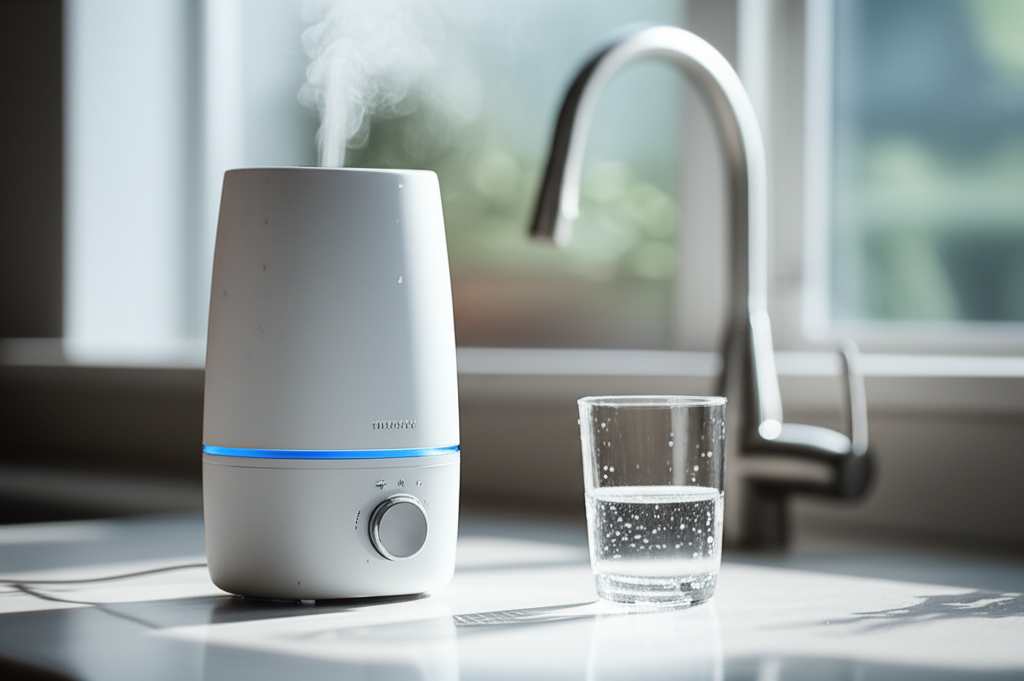
The best water to use is distilled or demineralized water. These options are free of minerals that cause scale and white dust, ensuring your purifier runs efficiently and cleanly.
Can I use bottled water in my air purifier?
Bottled water varies in its mineral content. Some may be purified, while others are spring or mineral waters. It’s best to check the label; if it’s not specifically distilled or demineralized, it’s safer to avoid it to prevent mineral buildup.
Will using tap water break my air purifier?
While it might not cause immediate failure, consistently using tap water can lead to mineral buildup that damages internal components over time, reducing performance and potentially leading to costly repairs. It can also void your warranty.
How often should I clean the water tank of my air purifier?
You should clean the water tank at least once a week, or more often if you notice any slime or mineral deposits. Regular cleaning prevents mold, mildew, and bacterial growth, ensuring the air you breathe is clean.
What happens if I don’t use the right water in my air purifier?
If you don’t use the recommended water, you risk mineral buildup (scale), which can clog the humidifier, reduce its efficiency, and potentially damage the unit. You might also notice a fine white dust settling around your purifier.
Can I use filtered tap water from my fridge?
Filtered tap water from a refrigerator dispenser typically removes chlorine and some larger particles but often leaves dissolved minerals. Therefore, it’s generally not as good as distilled or demineralized water for air purifier humidifiers and may still cause some scale buildup.
Conclusion: The Verdict on Tap Water for Your Air Purifier
So, can you use tap water for air purifier humidifiers? While you might be able to in a pinch, it’s a practice I strongly advise against for the long-term health of your appliance and the quality of your indoor air. The minerals and impurities in tap water are the primary culprits behind scale buildup and the unsightly, potentially irritating, white dust.
Opting for distilled or demineralized water is a small investment that pays significant dividends. It ensures your air purifier operates at peak performance, lasts longer, and contributes to a truly clean and healthy breathing environment in your home. Always refer to your air purifier’s manual for specific recommendations to get the most out of your device.
