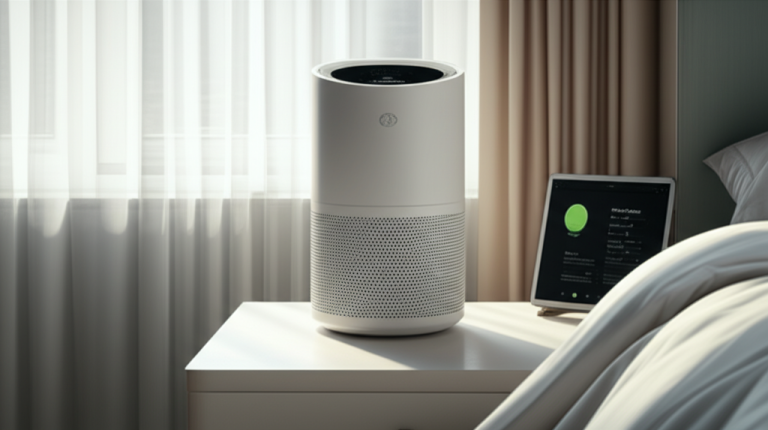
Can You Sleep Next to an Air Purifier? Essential Guide

Yes, you can absolutely sleep next to an air purifier. In fact, doing so can significantly improve your sleep quality by removing allergens, pollutants, and odors from your bedroom air, creating a healthier and more restful environment.
Can You Sleep Next to an Air Purifier? Your Essential Guide to Better Sleep
Sleeping next to an air purifier is a common question for those seeking a healthier bedroom environment. Many wonder if these devices are safe, effective, or even beneficial when used overnight. If you’re concerned about air quality in your sleeping space or simply curious about maximizing the benefits of your air purifier, you’ve come to the right place. This guide will demystify the process, offering clear answers and actionable advice to ensure you can sleep soundly and breathe easier.
Is It Safe to Sleep Next to an Air Purifier?
It is generally very safe to sleep next to an air purifier. Modern air purifiers are designed with user safety and comfort in mind, emitting no harmful byproducts. Their primary function is to clean the air, not to produce anything detrimental to health.
Air purifiers work by drawing in air, passing it through a filtration system, and releasing cleaner air back into the room. This process is completely passive and safe for continuous operation, even in enclosed spaces like bedrooms.
Understanding How Air Purifiers Work for Sleep
Air purifiers improve sleep by removing airborne irritants that can disrupt rest. Common culprits include dust mites, pollen, pet dander, mold spores, and volatile organic compounds (VOCs). By trapping these particles, air purifiers prevent them from being inhaled during sleep.
This reduction in allergens and pollutants can lead to fewer respiratory issues, less congestion, and a more comfortable breathing experience throughout the night. Many units also feature a “sleep mode” that dims lights and operates at a quieter fan speed.
Benefits of Sleeping with an Air Purifier On
Sleeping with an air purifier can offer a multitude of benefits for your health and sleep quality. By actively cleaning the air, these devices create an optimal environment for restorative rest.
Reduced Allergens: Traps common allergens like pollen, pet dander, and dust mites, which can cause sneezing, coughing, and itchy eyes, all disruptive to sleep.
Minimized Asthma Triggers: Filters out fine particles that can aggravate asthma symptoms, allowing for easier breathing during the night.
Odor Elimination: Removes unpleasant smells from smoke, cooking, or pets, creating a more pleasant sleep atmosphere.
Lower VOC Levels: Captures harmful volatile organic compounds released from furniture, cleaning products, and paints, improving overall air purity.
Potential for Deeper Sleep: By alleviating respiratory discomfort and creating a cleaner environment, air purifiers can contribute to more consistent and deeper sleep cycles.
The cumulative effect of these benefits is a significantly more comfortable and healthier sleeping experience. This allows your body to fully relax and enter deeper stages of sleep.
Choosing the Right Air Purifier for Your Bedroom
Selecting the ideal air purifier for your bedroom involves considering several key factors. The goal is to find a unit that effectively cleans your specific room size without being overly noisy or introducing new irritants.
Consider these points:
Room Size and CADR: Ensure the purifier’s Clean Air Delivery Rate (CADR) is appropriate for your bedroom’s square footage. A higher CADR means faster air cleaning.
Filter Type: HEPA filters are crucial for capturing small particles. Activated carbon filters are excellent for removing odors and VOCs.
Noise Level: Look for models with low decibel ratings, especially for sleep mode, typically below 50 dB.
Energy Efficiency: Choose an Energy Star certified model to keep electricity costs down.
Additional Features: Consider features like air quality sensors, automatic modes, and smart connectivity if desired.
A unit that is too small will struggle to clean the air effectively, while one that is too large might be unnecessarily noisy and consume more power. Researching specific models and their performance in similar room sizes is highly recommended.
The Role of HEPA Filters in Air Purification
High-Efficiency Particulate Air (HEPA) filters are the gold standard in air purification for a reason. They are meticulously designed to capture a significant percentage of airborne particles, directly impacting sleep quality.
A true HEPA filter can trap at least 99.97% of airborne particles 0.3 microns in size. This includes microscopic irritants like dust, pollen, pet dander, and mold spores that often trigger allergies and asthma.
By effectively removing these allergens from your bedroom air, HEPA filters prevent them from irritating your airways during sleep. This leads to clearer breathing and fewer disruptions, promoting a more restful night.
Activated Carbon Filters: Battling Odors and VOCs
While HEPA filters tackle physical particles, activated carbon filters address gases, odors, and volatile organic compounds (VOCs). These invisible pollutants can also significantly impact sleep quality and overall health.
Activated carbon has a porous structure that adsorbs (binds to its surface) a wide range of chemical pollutants. This includes odors from cooking, pets, smoke, and harmful VOCs emitted from everyday household items like paints, cleaning supplies, and furniture.
By removing these gaseous irritants, activated carbon filters create a fresher, cleaner smelling bedroom environment. This can be particularly beneficial for sensitive individuals or those living in urban areas with higher outdoor pollution.
Noise Levels and Sleep Quality: Finding the Right Balance
The sound an air purifier makes is a critical factor when deciding to sleep next to one. While some noise can be masked by white noise, excessive or disruptive sounds can hinder sleep.
Most modern air purifiers offer multiple fan speeds, including a “sleep mode” designed for quiet operation. Look for models with decibel (dB) ratings below 50 dB on their lowest setting, which is comparable to a whisper.
Some people even find the gentle hum of an air purifier to be a form of white noise, which can mask other disruptive sounds like traffic or snoring. It’s a matter of personal preference, so testing different noise levels is key.
Here’s a general guide to noise levels:
| Decibel Level (dB) | Description | Impact on Sleep |
| :—————– | :——————————————— | :————————————————- |
| 0-30 | Very Quiet (Whisper, library) | Ideal for sleep, may not be noticeable |
| 30-50 | Quiet (Refrigerator hum, quiet conversation) | Generally acceptable, can act as white noise |
| 50-70 | Moderate (Dishwasher, vacuum cleaner) | Potentially disruptive, may interfere with sleep |
| 70+ | Loud (Garbage disposal, loud traffic) | Highly disruptive, not recommended for bedroom use |
Many manufacturers provide noise level charts for their units, making it easier to compare.
Positioning Your Air Purifier for Maximum Effectiveness
The placement of your air purifier in the bedroom can influence how efficiently it cleans the air around you. While it’s safe to sleep next to it, optimal positioning ensures it functions at its best.
Maintain Clear Airflow: Place the unit on a flat surface, away from walls or furniture that could obstruct air intake and output. Aim for at least 1-2 feet of clearance on all sides.
Near the Source of Pollutants: If possible, position it closer to where you spend most of your time, such as near your bed. This ensures the cleanest air is circulating directly around you.
Avoid Direct Drafts: While not a safety issue, placing it directly blowing on your bed might be uncomfortable for some.
Proper positioning maximizes the circulation of purified air in your immediate sleeping zone. This ensures you are breathing the cleanest air possible throughout the night.
What to Expect When Sleeping Next to an Air Purifier
When you first start sleeping next to an air purifier, you might notice a few changes. Most are positive, contributing to a more restful experience.
You’ll likely notice a reduction in airborne dust and a fresher smell in your room. If you suffer from allergies or asthma, you may experience fewer nighttime awakenings due to congestion or coughing.
Some users also find the gentle hum of the purifier to be a pleasant white noise that aids sleep. However, if the noise level is too high, it could be distracting. Adjusting the fan speed or trying a different model can resolve this.
Common Concerns and What to Know
While generally beneficial, some people have specific concerns about sleeping with an air purifier. Addressing these proactively ensures a comfortable and effective experience.
Ozone Production: Some older or less reputable purifiers, particularly those using ionization or UV-C light without proper filtration, can produce ozone. Ozone is a lung irritant. Look for ozone-free certifications or models that explicitly state they do not produce ozone. True HEPA filters are ozone-free.
Noise: As mentioned, noise levels vary. Always check the decibel ratings and consider models with a dedicated sleep mode.
Filter Replacement: Filters need regular replacement to maintain effectiveness. Consult your air purifier’s manual for the recommended schedule. Ignoring this can reduce performance and potentially recirculate trapped pollutants.
Being informed about these aspects allows you to choose a unit that aligns with your health needs and preferences.
Air Purifier vs. Humidifier: Which is Better for Sleep?
Both air purifiers and humidifiers can improve sleep, but they address different issues. Understanding their distinct roles is key to choosing the right device for your bedroom.
An air purifier focuses on cleaning the air by removing particles, allergens, and pollutants. It’s ideal if your primary concerns are allergies, asthma, dust, or odors.
A humidifier adds moisture to the air, which can be beneficial in dry climates or during winter when heating systems reduce indoor humidity. Low humidity can cause dry throat, nasal passages, and skin irritation, all impacting sleep.
Often, the best solution involves using both. A good strategy is to place them strategically in your bedroom, ensuring neither device obstructs the other’s function. For example, keep them a few feet apart.
Frequently Asked Questions About Sleeping Next to Air Purifiers
Q1: Will an air purifier make my bedroom too cold?
No, most air purifiers do not significantly alter the room temperature. They circulate air but do not have heating or cooling elements.
Q2: Can I run an air purifier all night?
Yes, it is safe and often recommended to run an air purifier all night to continuously clean your bedroom air.
Q3: How close should I place an air purifier to my bed?
Placing it within a few feet of your bed is generally effective. Ensure there’s at least 1-2 feet of clearance around the unit for optimal airflow.
Q4: Do air purifiers emit harmful radiation?
Reputable air purifiers, especially those with HEPA filters, do not emit harmful radiation. Always check product specifications and certifications.
Q5: What if I’m sensitive to noise?
Look for air purifiers with low decibel ratings, particularly in their sleep mode. Many models operate as quietly as a whisper, making them ideal for light sleepers.
Q6: How often do I need to change the filters?
Filter replacement schedules vary by model and usage. Typically, HEPA filters last 6-12 months, and pre-filters or carbon filters may need replacing more often. Always refer to your manufacturer’s guide.
Conclusion: Sleep Soundly with a Clean Air Environment
In conclusion, sleeping next to an air purifier is not only safe but can be a highly beneficial practice for improving your overall sleep quality and health. By effectively removing allergens, pollutants, and odors, these devices create a cleaner, fresher, and more conducive environment for restful sleep. Remember to choose a unit appropriate for your room size, prioritize HEPA filtration, and consider noise levels for optimal comfort. With the right air purifier positioned correctly, you can look forward to breathing easier and enjoying deeper, more restorative sleep night after night.