Can I Use Dish Soap to Mop Hardwood Floors? Genius Way!

You can use dish soap to mop hardwood floors in a pinch, but it’s not ideal. A better approach involves diluted solutions and specific techniques to avoid damage, ensuring your wood floors stay beautiful and protected.
Have you ever looked at your beautiful hardwood floors and wondered if that bottle of dish soap under your sink could do the job? It’s a common question, especially when you’re out of specialized wood floor cleaner. Many people reach for dish soap because it’s great at cutting grease and grime on dishes. But is it safe for your delicate wood floors? This article will guide you through the right way to clean your hardwood floors, whether you have the perfect cleaner or need a quick fix. We’ll explore the risks of using dish soap and reveal safer, more effective methods.
Why Dish Soap Might Seem Like a Good Idea
Dish soap is designed to tackle grease and food residue on plates and pans. It’s a powerful degreaser and creates a good lather, which can make it seem like a perfect solution for cleaning up spills and dirt on any surface. Many homeowners think that if it works on dishes, it should work on floors too. This thought process is understandable, as we all want to use what we have on hand to keep our homes clean.
However, the strong cleaning agents and pH levels in dish soap are formulated for hard, non-porous surfaces like ceramic or glass. Wood is a porous, natural material with a protective finish. What works wonders on a dirty plate can strip away the finish on your hardwood, leaving it dull, discolored, or even damaged over time. This is why it’s crucial to understand the specific needs of your wood floors.
The Risks of Using Dish Soap on Hardwood Floors
Using dish soap regularly on your hardwood floors can lead to several problems. The main concern is that dish soap can strip away the protective sealant or finish on your wood. This finish is what keeps your floors looking shiny and protects them from moisture and scratches. When this layer is compromised, the wood itself becomes vulnerable.
Over time, this can cause the wood to look dull, faded, or even develop water spots. Some dish soaps also contain harsh chemicals that can react poorly with certain types of wood finishes. This can lead to discoloration or a sticky residue that attracts more dirt. Therefore, while a tiny amount might be okay in an emergency, it’s not a sustainable cleaning solution.
What’s Really in Dish Soap and Why It Matters for Wood
Most dish soaps contain surfactants, which are chemicals that help lift dirt and grease. They also have builders to soften water and enzymes to break down food. While these ingredients are excellent for dishes, they can be too aggressive for wood floor finishes. The pH level of dish soap is often alkaline, which can be harsh on the polymers in floor finishes.
For example, a study published in the Journal of Environmental Science and Technology highlighted how different cleaning agents can affect material surfaces. While not specifically about dish soap and hardwood, it illustrates that cleaning products have specific interactions with materials. For wood floors, the goal is gentle cleaning that preserves the finish, not aggressive stripping.
The Best Way to Clean Hardwood Floors: Specialized Cleaners
The safest and most effective way to clean hardwood floors is by using cleaners specifically designed for them. These products are pH-balanced and formulated to clean without damaging the finish. They often contain conditioners that help maintain the wood’s natural beauty and protect the sealant. Many top brands offer eco-friendly and low-VOC options, which are better for your home’s air quality too.
When choosing a wood floor cleaner, look for one that is approved by the flooring manufacturer or has a seal of approval from organizations like the National Wood Flooring Association (NWFA). These cleaners are tested to ensure they work well and are safe for most types of hardwood finishes, including polyurethane and wax. Using the right product makes a significant difference in the longevity and appearance of your floors. You can find excellent options from brands like Bona, Swiffer WetJet Wood Floor Cleaner, or Bruce.
How to Mop Hardwood Floors the Right Way (Even Without Special Cleaner)
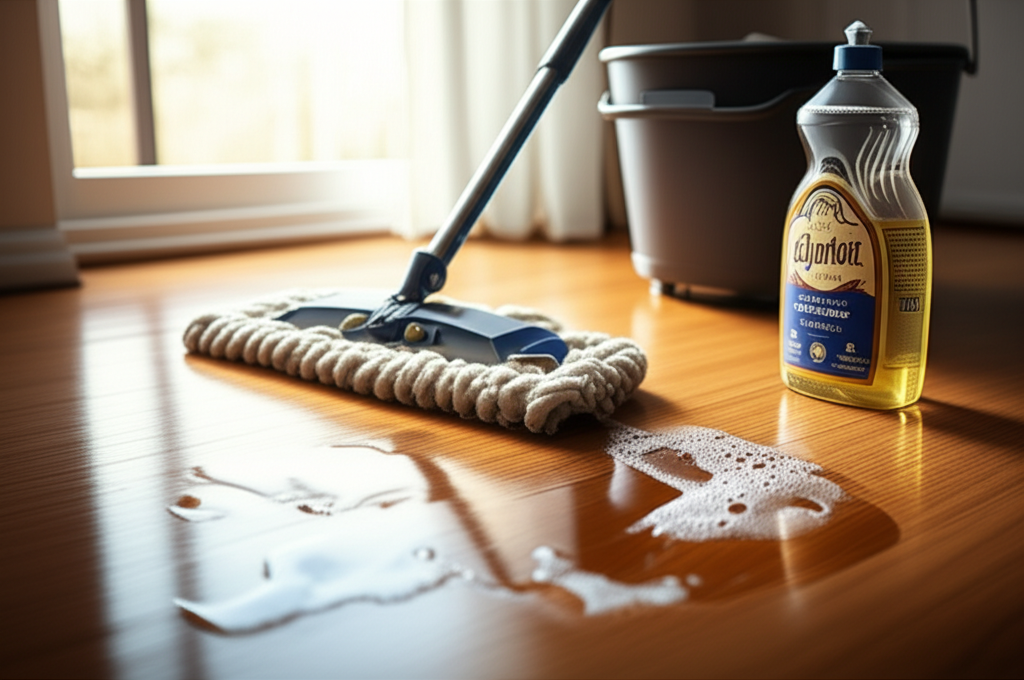
If you find yourself without a dedicated wood floor cleaner, there are safer alternatives to dish soap. The key is dilution and minimal moisture. One of the best DIY solutions is a very mild mixture of water and white vinegar. Vinegar is acidic, which helps cut through grime, but it needs to be heavily diluted.
A common recommendation is mixing about 1/4 cup of white vinegar with a gallon of warm water. You can also add a few drops of a very mild, pH-neutral soap if needed, but avoid traditional dish soap. The most crucial step is to use a mop that is only slightly damp, never wet. Excess water can seep into the wood and cause swelling, warping, or damage to the finish.
A Step-by-Step Guide to Mopping Hardwood Floors Safely
Here’s how to mop your hardwood floors effectively and safely, whether you’re using a specialized cleaner or a DIY solution:
1. Sweep or Vacuum First: Always start by removing loose dirt, dust, and debris. Use a soft-bristle broom or a vacuum cleaner with a hard floor attachment. This prevents scratching your floors when you start mopping.
2. Prepare Your Cleaning Solution:
Option A (Recommended): Use a cleaner specifically designed for hardwood floors according to the product instructions.
Option B (DIY): Mix 1/4 cup of white vinegar with 1 gallon of warm water. For a slightly tougher job, you can add 1-2 drops of a pH-neutral dish soap, but this is a last resort.
3. Dampen Your Mop: Dip your mop into the cleaning solution. Wring it out thoroughly until it is just barely damp. No water should be dripping from the mop.
4. Mop in Sections: Start mopping from the farthest corner of the room and work your way towards the exit. Mop in the direction of the wood grain.
5. Rinse and Re-Wring: Rinse your mop frequently in the cleaning solution and wring it out again. For the DIY vinegar solution, some people like to rinse the mop in plain water afterward to remove any vinegar residue.
6. Dry if Necessary: If your floors still look damp after mopping, use a clean, dry microfiber cloth or towel to buff them dry. This prevents water spots and moisture damage.
7. Allow to Air Dry: Let the floors air dry completely before allowing foot traffic. This usually takes about 30-60 minutes.
This method ensures that you clean your floors without saturating them, protecting the wood and its finish. Proper technique is just as important as the cleaning solution itself.
Understanding Your Hardwood Floor’s Finish
The type of finish on your hardwood floors greatly impacts how you should clean them. Most modern hardwood floors have a surface finish, such as polyurethane, which is very durable. These floors can typically handle mild cleaning solutions and a damp mop. Older floors might have a penetrating seal or a wax finish, which are more delicate.
Polyurethane Finish: This is the most common finish. It forms a protective layer on top of the wood. It’s resistant to water and stains but can be dulled by harsh chemicals.
Penetrating Seal: This soaks into the wood. It offers less surface protection and is more susceptible to damage from moisture and chemicals.
Wax Finish: This is a traditional finish that sits on top of the wood and needs regular buffing and reapplication. It’s very sensitive to water and alkaline cleaners.
If you’re unsure about your floor’s finish, it’s always best to err on the side of caution and use the gentlest cleaning method possible. A quick test in an inconspicuous area can also reveal how your floor reacts to a cleaning solution.
The Genius Way: A Microfiber Mop and Minimal Water
The “genius way” to mop hardwood floors, especially when you’re concerned about damage, is to use a high-quality microfiber mop with a very minimal amount of cleaning solution. Microfiber pads are excellent at trapping dirt and absorbing moisture. When paired with a spray mop or a well-wrung-out traditional mop, they allow you to clean efficiently without over-wetting the floor.
A spray mop, for instance, dispenses a fine mist of cleaner directly onto the floor, giving you more control over the moisture level. You can fill these with specialized wood floor cleaner or your diluted DIY solution. This method is fast, effective, and minimizes the risk of water damage, making it a favorite among cleaning professionals and homeowners alike. The National Association of Home Builders also emphasizes the importance of moisture control when cleaning hardwood floors in their maintenance guides.
When a Deep Clean is Necessary: Steam Mops and Hardwood
Steam mops are often considered for deep cleaning, but they come with a significant caveat for hardwood floors. While they use water and heat to sanitize, the high temperature and steam can be detrimental to many hardwood finishes. The heat can soften or break down the sealant, and the moisture can penetrate the wood.
According to the NWFA, steam cleaners are generally not recommended for most hardwood floors, especially those with polyurethane finishes. The moisture and heat can cause swelling, warping, and finish damage. If you have a type of hardwood floor that is explicitly approved for steam cleaning by the manufacturer, then it might be an option. However, for the vast majority of homes, it’s best to avoid steam mops on hardwood.
Maintaining Your Hardwood Floors Between Mops
Regular maintenance is key to keeping your hardwood floors looking their best and reducing the need for frequent deep cleaning. This involves simple daily or weekly habits that prevent dirt and damage.
Use Doormats: Place mats both inside and outside entry doors to catch dirt, sand, and moisture before they reach your wood floors.
Wipe Spills Immediately: Address any spills as soon as they happen. Use a clean, dry cloth to blot the liquid.
Use Furniture Pads: Attach felt pads to the legs of furniture to prevent scratches when pieces are moved.
Sweep or Vacuum Regularly: Daily sweeping or vacuuming with the correct attachment will keep dust and grit from scratching the finish.
Avoid Harsh Cleaners: Stick to recommended cleaning methods to preserve the finish.
Consistent, gentle care will extend the life of your hardwood floors and keep them beautiful for years to come.
Frequently Asked Questions About Cleaning Hardwood Floors
Can I use dish soap on my laminate or vinyl floors?
Yes, dish soap is generally safe for laminate and vinyl floors. These materials are more water-resistant and have a durable top layer that can handle the cleaning power of dish soap. However, always wring out your mop well to avoid excess water.
How often should I mop my hardwood floors?
You should mop your hardwood floors about once a week or as needed, depending on foot traffic and how dirty they get. More frequent sweeping or vacuuming is recommended to keep dust and debris from scratching the surface.
What is the best DIY cleaner for hardwood floors?
The best DIY cleaner for hardwood floors is a solution of 1/4 cup white vinegar mixed with 1 gallon of warm water. Always ensure your mop is only slightly damp before cleaning.
Can I use a wet mop on hardwood floors?
No, you should never use a wet mop on hardwood floors. Excess water can seep into the wood, causing it to swell, warp, and damage the finish. Always use a damp mop and dry any excess moisture.
Will dish soap damage the finish on my hardwood floors?
Yes, regular use of dish soap can damage the finish on your hardwood floors. It can strip away the protective sealant, leading to dullness, discoloration, and increased vulnerability to moisture and scratches.
What’s the difference between cleaning and refinishing hardwood floors?
Cleaning involves removing dirt and grime from the surface of the floor using mops and cleaners. Refinishing is a more intensive process that involves sanding down the existing finish and applying a new one to restore the wood’s appearance and protection.
Conclusion: Protect Your Investment with the Right Cleaning Approach
So, can you use dish soap to mop hardwood floors? While a tiny, heavily diluted amount might be a desperate, one-time fix, it’s far from the ideal or “genius” way to clean. The risks of stripping the finish, causing dullness, and inviting moisture damage are too high for regular use. The truly genius way to maintain your beautiful hardwood floors involves using specialized cleaners or a carefully diluted vinegar solution, combined with a microfiber mop and a light touch.
By understanding your floor’s finish and opting for gentle, effective cleaning methods, you protect your investment and keep your home looking its best. Prioritize products designed for hardwood, use minimal moisture, and perform regular maintenance. This approach ensures your floors remain stunning and durable for years to come. If you’re looking for the best tools to make this process effortless, explore HomeHygia’s range of advanced cleaning appliances designed for efficient and safe home care.