
Can I Use Carpet Cleaner On Car Seats? Genius Cleaning Guide

Yes, you can often use carpet cleaner on car seats, but with caution. Always test in an inconspicuous area first, as some carpet cleaners can be too harsh for car upholstery, potentially causing discoloration or damage. Choose a gentle formula designed for fabric if available, and always follow product instructions carefully for the best results.
Your car’s interior is more than just a way to get around; it’s a space where life happens. Spills, crumbs, and everyday grime can quickly make your car seats look less than ideal. You might be tempted to grab the same carpet cleaner you use at home, but can you actually use it on your car seats? It’s a common question, and the answer isn’t always a simple yes or no. Understanding the right products and methods can save your car’s interior from damage and keep it looking fresh. This guide will help you navigate the world of car seat cleaning with confidence.
What Are Car Seats Made Of?
Car seats come in various materials, and knowing what you’re dealing with is the first step to cleaning them safely. Most modern cars have either fabric upholstery or leather seats. Fabric seats are common and can be made from durable synthetic fibers like polyester, nylon, or a blend. Some higher-end vehicles might feature natural fabrics like wool or a mix. Leather seats, on the other hand, offer a more luxurious feel but require specific care to prevent drying out or cracking.
Understanding your car’s upholstery material is crucial before you start cleaning. Different materials react differently to cleaning solutions. What works wonders on one type of seat might cause irreversible damage to another. This knowledge empowers you to choose the right cleaning products and techniques for your specific car.
Can I Use Carpet Cleaner on Car Seats? The Short Answer
Generally, you can use carpet cleaner on fabric car seats, but with significant caveats. Many carpet cleaners are formulated for home carpets, which are often made of similar synthetic materials. However, car upholstery can be more delicate or have specific dyes that might react poorly to harsh chemicals. Always check the carpet cleaner’s label for warnings about use on upholstery or automotive interiors.
If the carpet cleaner is a mild, water-based solution and specifically mentions suitability for upholstery, it’s a safer bet. Always perform a spot test on an unseen area of the seat first. This simple step can prevent widespread discoloration or damage to your car’s interior.
Why Spot Testing is Non-Negotiable
Spot testing is your safety net when using any cleaning product on your car seats, especially carpet cleaner. You’ll want to choose an area that’s usually hidden, like under the seat or a small patch on the back of a seat. Apply a small amount of the cleaner and let it sit for the recommended time, then gently blot it dry. Check the area for any signs of fading, discoloration, or fabric damage.
This small effort can save you from a costly mistake. If the spot test reveals any adverse reactions, it’s best to find a different cleaning solution specifically designed for car upholstery. Your car’s interior is a significant investment, and protecting it should always be the priority.
When Carpet Cleaner Might Be Okay
You can consider using carpet cleaner on car seats if it meets certain criteria. Look for cleaners labeled as “mild,” “pH-neutral,” or “safe for upholstery.” Water-based formulas are generally less aggressive than solvent-based ones. Avoid any carpet cleaner that contains bleach, ammonia, or strong degreasers, as these are highly likely to damage car seat fabric.
Always dilute the cleaner according to the instructions, even if it seems mild. Using a concentrated solution can lead to residue buildup or color loss. Remember, even if the product seems suitable, the spot test remains the most important step.
When to Absolutely Avoid Carpet Cleaner
There are several situations where using carpet cleaner on your car seats is a bad idea. If your car seats are made of delicate materials like silk, velvet, or certain natural fibers, standard carpet cleaners are too risky. Similarly, if your car seats are leather, vinyl, or faux leather, carpet cleaner will likely cause damage. Leather requires specialized leather cleaners and conditioners.
Also, avoid carpet cleaners that have strong chemical smells or are designed for heavy-duty stain removal on very tough carpets. These are usually too potent for the dyes and fibers found in car upholstery. When in doubt, err on the side of caution and opt for a product made specifically for automotive interiors.
Alternatives to Carpet Cleaner for Car Seats
Fortunately, there are many excellent alternatives to carpet cleaner for your car seats that are specifically designed for automotive use. Automotive upholstery cleaners are formulated to tackle common car interior stains and grime without damaging the fabric or its color. These cleaners often come in spray bottles for easy application and are available at auto parts stores and online.
Another effective option is a mixture of mild dish soap and water. For tougher stains, a solution of white vinegar and water (usually a 1:1 ratio) can also work wonders. These homemade solutions are often gentler than many commercial carpet cleaners and can be just as effective for everyday cleaning.
How to Clean Fabric Car Seats Safely
Cleaning fabric car seats involves a few simple steps to ensure you get the best results without causing harm. First, vacuum your seats thoroughly to remove loose dirt and debris. This prevents you from rubbing grit into the fabric. Next, choose your cleaning solution – either a dedicated automotive upholstery cleaner or a mild DIY mix like dish soap and water.
Apply the cleaner sparingly, either directly to a clean cloth or microfiber towel, not directly onto the seat. Gently blot or lightly scrub the stained or dirty areas. Avoid oversaturating the fabric, as excess moisture can lead to mold or mildew. Finish by wiping the area with a clean, damp cloth to remove any residue, and then allow the seats to air dry completely.
Cleaning Leather Car Seats: A Different Approach
Leather car seats require a completely different cleaning strategy. You should never use carpet cleaner or harsh household detergents on leather. Instead, invest in a good quality leather cleaner and a separate leather conditioner. Start by vacuuming the seats to remove dust and debris.
Apply the leather cleaner to a soft cloth and gently wipe down the seats. Work in sections, and be sure to follow the product’s instructions. After cleaning, apply the leather conditioner using a separate clean cloth. This replenishes the natural oils in the leather, keeping it soft, supple, and preventing cracks. Regular conditioning is key to maintaining the longevity and appearance of leather seats.
Using a Carpet Cleaning Machine on Car Seats?
Using a full-sized carpet cleaning machine, like a steam cleaner or a wet vac designed for carpets, on car seats is generally not recommended. These machines are powerful and can use a lot of water and cleaning solution. The high pressure and moisture can saturate the seat foam, leading to long drying times, potential mold growth, and damage to the seat’s internal structure.
Smaller, handheld carpet spot cleaners might be usable with extreme caution and the right attachments. However, they still carry risks. Always check the machine’s manual and your car’s owner manual. If you’re unsure, it’s safer to stick to manual cleaning methods and dedicated automotive products.
Key Considerations for Car Seat Cleaning
When cleaning your car seats, several factors deserve your attention. The age and condition of your upholstery matter; older seats may be more fragile. Consider the type of stain you’re dealing with – some, like oil or ink, require specialized treatments. Always work in a well-ventilated area, especially when using cleaning products.
Ensure you have the right tools: microfiber cloths, soft brushes, and a vacuum cleaner with appropriate attachments are essential. Patience is also a virtue; rushing the cleaning process can lead to mistakes. Thorough drying is critical to prevent lingering moisture issues.
When to Call the Professionals
Sometimes, DIY cleaning isn’t enough, or you might simply prefer to leave it to the experts. If you have particularly stubborn stains, delicate upholstery, or expensive luxury car seats, professional detailing is a wise choice. Professional detailers have specialized equipment and cleaning solutions tailored for automotive interiors.
They can effectively remove deep-seated dirt, stains, and odors that home cleaning methods might miss. While it costs more, professional cleaning can restore your car’s interior and protect its value. It’s a worthwhile investment for maintaining your vehicle’s pristine condition.
Frequently Asked Questions About Cleaning Car Seats
What is the best cleaner for fabric car seats?
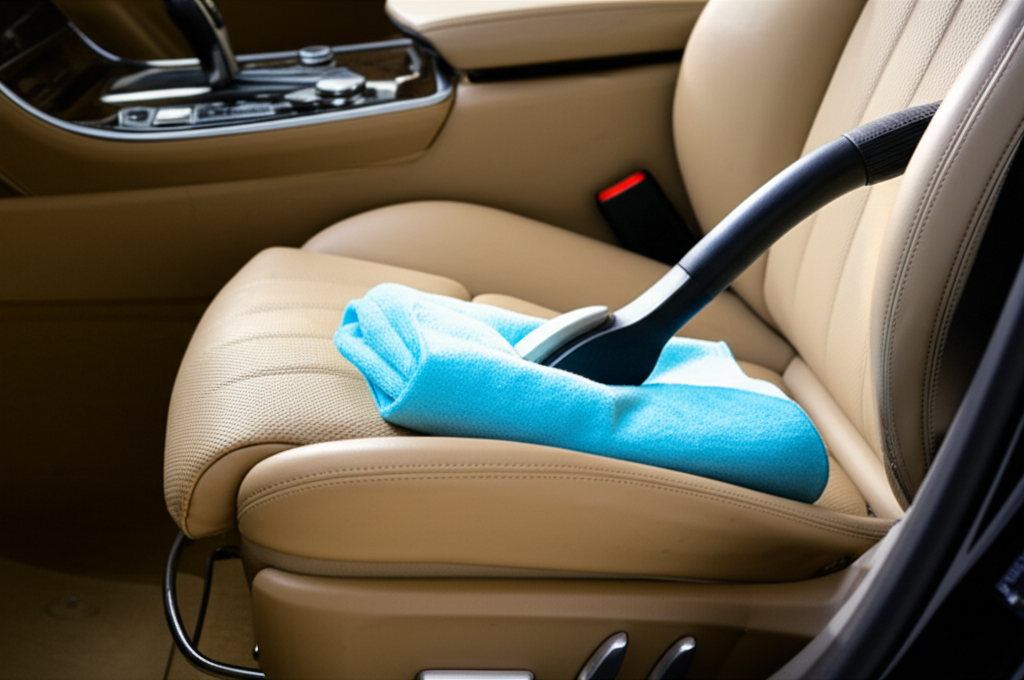
The best cleaner for fabric car seats is typically a dedicated automotive upholstery cleaner. These are formulated to be safe and effective on car fabrics. Mild dish soap mixed with water is also a good, gentle alternative for everyday dirt.
Can I use a steam cleaner on car seats?
Using a steam cleaner on car seats is risky. While steam can sanitize, it uses a lot of heat and moisture. This can potentially damage the fabric, warp adhesives, or lead to mold if not dried properly, which is difficult in car seats.
How do I get out a tough stain from my car seat?
For tough stains, start with a dedicated automotive upholstery cleaner and a soft brush. If that doesn’t work, try a solution of white vinegar and water (1:1 ratio) for many types of stains. Always blot, don’t rub, and test any solution in an inconspicuous area first.
Is it safe to use all-purpose cleaner on car seats?
It’s generally not recommended to use standard all-purpose cleaners on car seats. Many contain harsh chemicals that can strip dyes, damage fabric fibers, or leave behind sticky residues that attract more dirt. Always opt for products specifically labeled for automotive upholstery.
How often should I clean my car seats?
You should vacuum your car seats weekly or bi-weekly to remove loose dirt. A more thorough cleaning with an upholstery cleaner can be done every few months, or as needed when spills or stains occur. Leather seats benefit from conditioning every 3-6 months.
What’s the difference between cleaning carpet and car seats?
Car seats are smaller, have different fabric types, and often have foam padding underneath that can absorb moisture. Carpet cleaners are designed for larger, more durable home carpets. Using them on car seats without care can lead to over-wetting and potential damage to the seat structure and materials.
Conclusion: Careful Cleaning for a Fresh Car Interior
When it comes to cleaning your car seats, the question of using carpet cleaner requires a cautious approach. While some mild carpet cleaners might be suitable for fabric upholstery, they carry risks of discoloration or damage. Always prioritize products specifically designed for automotive interiors. Performing a spot test is your most important step before applying any cleaner. For leather seats, always use specialized leather cleaners and conditioners. By understanding your car’s upholstery and choosing the right cleaning methods, you can keep your car’s interior looking and smelling fresh for years to come.
