
Can I Use a Carpet Cleaner on a Mattress? Essential Guide

You can use a carpet cleaner on a mattress, but with caution. It’s essential to check your mattress warranty and the carpet cleaner’s instructions. Use minimal water and a specific upholstery attachment to avoid over-wetting, which can damage the mattress and lead to mold.
Have you ever wondered if your trusty carpet cleaner could also tackle that stubborn stain on your mattress? It’s a common question, especially when faced with spills or general dinginess. Mattresses can be tricky to clean, and we all want a fresh, hygienic sleeping surface. This guide will walk you through whether using a carpet cleaner is a good idea, how to do it safely if you decide to, and what alternatives you might consider. We’ll help you make an informed choice to keep your mattress clean without causing damage.
Understanding Your Mattress and Carpet Cleaner
Before you even think about cleaning, it’s crucial to understand the types of mattresses and carpet cleaners available. Not all are created equal, and using the wrong one can lead to serious problems. Knowing these differences is the first step to a successful mattress clean.
Types of Mattresses and Their Cleaning Needs
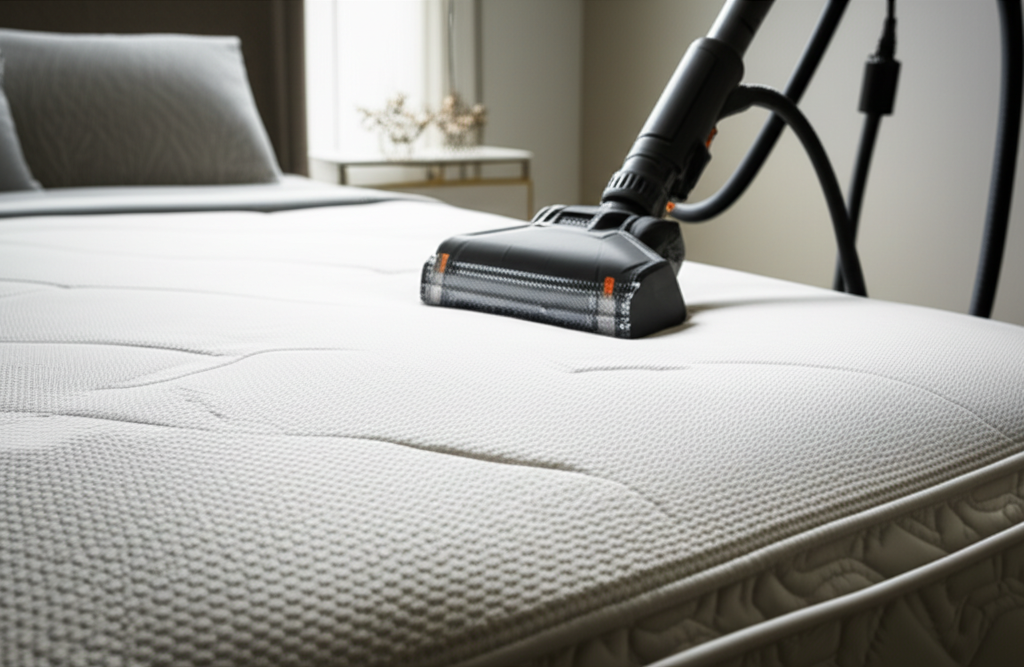
Most modern mattresses are made with layers of foam, springs, or a combination of both. Memory foam mattresses, for instance, can absorb a lot of liquid. Innerspring mattresses have metal coils that can rust if they get too wet. Natural latex mattresses are sensitive to harsh chemicals and excessive moisture. It’s vital to know your mattress type to avoid damage.
How Carpet Cleaners Work
Carpet cleaners, also known as carpet extractors or shampooers, typically work by spraying a cleaning solution onto the carpet and then immediately vacuuming up the dirty water. This process is designed to deep clean carpets, lifting embedded dirt and stains. They use water and detergent, which can be a concern for porous materials like mattresses.
Can You Actually Use a Carpet Cleaner on a Mattress?
The short answer is yes, but with significant caveats. It’s not a straightforward process like cleaning a rug. The primary concern is moisture. Mattresses are not designed to be saturated with water.
The Risks of Over-Wetting a Mattress
Over-wetting a mattress is the biggest danger. Excess moisture can seep into the inner layers, taking a very long time to dry. This dampness can lead to mold and mildew growth, which is harmful to your health and can ruin your mattress. It can also damage the mattress’s structure, leading to sagging or loss of support.
Checking Your Mattress Warranty
Many mattress warranties explicitly state that using liquid cleaning solutions or saturating the mattress will void the warranty. Before you start, always check your mattress’s warranty information. This can save you a lot of money if you need a replacement later on.
When is it Okay to Use a Carpet Cleaner on a Mattress?
There are specific situations where a carpet cleaner might be considered, but only with extreme care. These are usually for deep cleaning needs or specific types of stains that don’t respond to gentler methods.
For Deep Cleaning and Odor Removal
If your mattress has accumulated odors over time, a carpet cleaner might help. The extraction process can pull out odor-causing particles. However, this requires using the machine very sparingly and ensuring it’s specifically designed for upholstery or delicate cleaning.
Spot Cleaning vs. Full Mattress Cleaning
Using a carpet cleaner for a small, isolated stain is generally safer than attempting to clean the entire mattress. Even for spot cleaning, you must use the right technique and attachment to avoid spreading the stain or over-wetting the area.
How to Safely Use a Carpet Cleaner on a Mattress
If you’ve weighed the risks and decided to proceed, follow these steps carefully. The key is minimal moisture and the right tools.
Step 1: Prepare Your Mattress and Area
First, remove all bedding. Vacuum the entire mattress thoroughly with a standard vacuum cleaner to remove loose dirt and debris. Ensure the room has good ventilation; open windows and turn on a fan.
Step 2: Choose the Right Cleaning Solution
Use a cleaning solution specifically designed for upholstery or mattresses. Avoid harsh detergents or bleach, as these can damage mattress fibers and leave residues. Many carpet cleaner machines allow you to use just water for a rinse cycle, which is often sufficient for mattresses.
Step 3: Use the Correct Attachment
Most carpet cleaners come with various attachments. You’ll want to use the smallest upholstery tool available. This attachment is designed for smaller areas and better control over the water spray.
Step 4: Test in an Inconspicuous Area
Before applying any solution to a visible area, test the carpet cleaner on a small, hidden spot of the mattress. This helps you see how the fabric reacts and if the cleaner causes any discoloration or damage.
Step 5: Apply Solution Sparingly
Do NOT spray the solution directly onto the mattress. Instead, lightly mist the cleaning head of the upholstery tool. Then, gently scrub the stained area. The goal is to dampen the surface, not soak it.
Step 6: Extract Moisture Immediately
This is the most critical step. After lightly cleaning an area, immediately use the vacuum/extraction function of the carpet cleaner to remove as much moisture as possible. Go over the area multiple times to ensure it’s as dry as you can get it.
Step 7: Allow for Thorough Drying
This cannot be stressed enough: the mattress must dry completely. Use fans, open windows, and a dehumidifier if necessary. This process can take 24 hours or even longer. Never put bedding back on a damp mattress.
Alternatives to Carpet Cleaners for Mattresses
Often, there are safer and more effective ways to clean your mattress without resorting to a carpet cleaner. These methods are less likely to cause damage and are easier to manage.
Spot Cleaning with Mild Detergent
For most stains, a simple mixture of mild dish soap and water is sufficient. Apply a small amount of the soapy water to a clean cloth, blot the stain gently, and then use a cloth dampened with plain water to rinse. Blot dry with a clean towel.
Baking Soda for Odors and Light Stains
Baking soda is a fantastic natural deodorizer and can help lift light stains. Sprinkle a generous amount of baking soda over the entire mattress surface. Let it sit for several hours, or even overnight, to absorb odors and moisture. Then, vacuum it up thoroughly.
Steam Cleaning (with Caution)
A handheld steam cleaner can be a good option if used correctly. Steam can kill dust mites and bacteria and help lift stains. However, like carpet cleaners, steam uses moisture. Use a low-heat setting and keep the steamer moving constantly to avoid over-wetting.
Professional Mattress Cleaning Services
If you have a valuable mattress or a particularly stubborn stain, consider hiring a professional mattress cleaning service. They have specialized equipment and knowledge to clean effectively without damaging your mattress.
Pros and Cons of Using a Carpet Cleaner on a Mattress
Weighing the advantages and disadvantages can help you make the best decision for your situation.
Potential Pros
Deep Cleaning Capability: Can potentially remove deeply embedded dirt and allergens.
Odor Removal: The extraction process might help lift stubborn smells.
Convenience: If you already own a carpet cleaner, it might seem like an easy solution.
Potential Cons
Risk of Over-Wetting: High risk of damaging mattress and causing mold/mildew.
Voiding Warranty: Many manufacturers will void the warranty if liquid damage occurs.
Residue: Improper use can leave cleaning solution residue, attracting more dirt.
Drying Time: Mattresses take a long time to dry, increasing the risk of mold.
Damage to Materials: Certain mattress materials can be damaged by excessive moisture or the cleaning process.
When to Absolutely Avoid Using a Carpet Cleaner on a Mattress
There are certain mattress types or situations where using a carpet cleaner is a definite no-go.
Delicate Mattress Materials
Mattresses made from natural fibers, organic cotton, or delicate wool are highly susceptible to damage from moisture and cleaning solutions. These materials require specialized, gentle cleaning methods.
Mattresses with Electronic Components
Some high-tech mattresses include heating, cooling, or massage elements. Introducing liquids to these components can cause irreparable damage and electrical hazards. Always check the manufacturer’s guidelines for such mattresses.
Heavily Soiled or Damaged Mattresses
If your mattress is already heavily soiled, stained, or has existing damage, attempting to clean it with a carpet cleaner might worsen the problem. It’s often better to consider professional cleaning or replacement.
Expert Tips for Mattress Care
Maintaining a clean mattress doesn’t always require deep cleaning. Regular care can prevent the need for intensive methods.
Regular Vacuuming: Vacuum your mattress at least once a month with an upholstery attachment. This removes dust, dead skin cells, and allergens.
Use a Mattress Protector: A good quality, waterproof mattress protector is your best defense against spills and stains. It’s much easier to wash a protector than to clean a mattress.
Air Out Your Mattress: Periodically strip your bed and let your mattress air out for a few hours. This helps reduce moisture buildup and keeps it fresh.
Rotate Your Mattress: Follow the manufacturer’s recommendation for rotating or flipping your mattress. This ensures even wear and can help with aeration.
Frequently Asked Questions (FAQ)
Q1: Can I use a carpet cleaner on a memory foam mattress?
Yes, but with extreme caution. Memory foam absorbs moisture easily. Use minimal water, an upholstery attachment, and extract thoroughly. Ensure it dries completely to prevent mold.
Q2: What is the safest way to clean a mattress stain?
For most stains, use a mild soap and water solution. Blot the stain gently with a damp cloth, then rinse with a clean, damp cloth. Blot dry thoroughly with a clean towel.
Q3: How long does a mattress take to dry after cleaning?
A mattress can take anywhere from 12 to 48 hours to dry completely, depending on how much moisture was used and the room’s ventilation. Always ensure it’s bone dry before remaking the bed.
Q4: Can I use a steam cleaner on my mattress?
A steam cleaner can be used, but with caution. Use a low-heat setting and keep the steamer moving to avoid over-wetting. It can help kill dust mites and bacteria but still poses a moisture risk.
Q5: How often should I clean my mattress?
Ideally, you should vacuum your mattress monthly. Deep cleaning is only necessary when there are spills or significant odors, and even then, gentler methods are preferred.
Conclusion: Proceed with Caution and Prioritize Mattress Health
So, can you use a carpet cleaner on a mattress? While technically possible, it’s a method that carries significant risks, primarily the danger of over-wetting and the potential to void your mattress warranty. For most situations, gentler spot cleaning with mild solutions, baking soda for odors, or a quality mattress protector are far safer and more effective strategies. If you must use a carpet cleaner, treat it as an absolute last resort for specific stains, use the upholstery attachment, apply minimal moisture, and ensure thorough extraction and drying. Always prioritize your mattress’s longevity and your health by choosing the least invasive cleaning method that achieves the desired result.
HomeHygia is your trusted source for all things home hygiene and appliance care. Explore our guides and reviews to keep your living space clean and healthy.
