
Can I Steam Mop Hardwood Floors? Genius, Essential Guide

You can steam mop many sealed hardwood floors, but it’s crucial to check your floor’s finish. Using too much steam or water can damage unsealed or waxed floors, causing warping or discoloration. Always test in an inconspicuous area first and use a low steam setting for safety.
Wood floors are beautiful and add warmth to a home. Many people wonder if they can use a steam mop on them. Steam mops use hot steam to clean. This sounds great for killing germs. But wood floors can be sensitive to moisture and heat. This guide will help you figure out if steam mopping is safe for your hardwood floors. We will look at the risks and the best ways to do it.
What is a Steam Mop and How Does it Work?
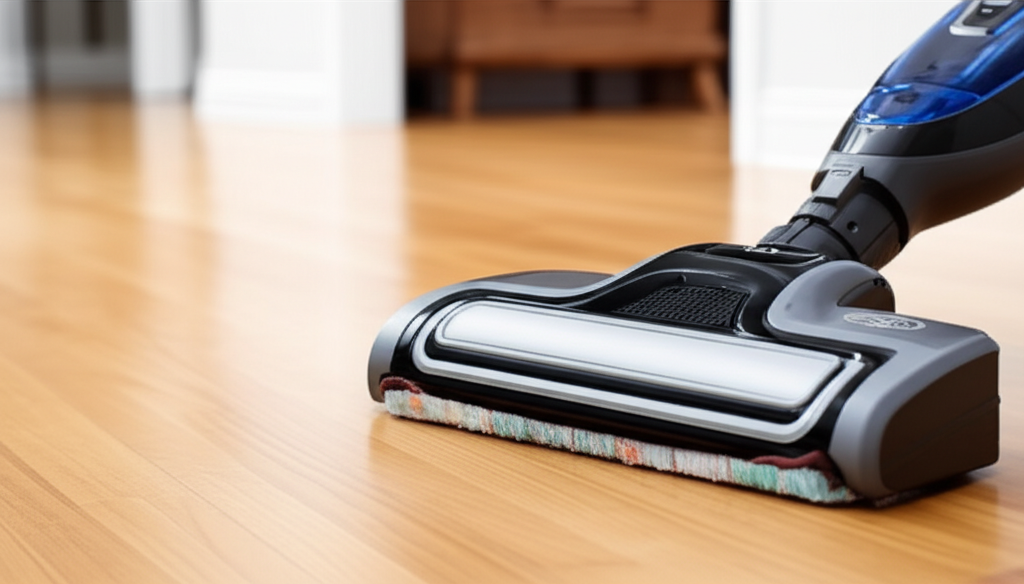
A steam mop is a cleaning tool that heats water to create steam. This steam is then released onto the floor. The heat and moisture from the steam help to loosen dirt and grime. It also kills many germs and bacteria. Steam mops typically have a water tank and a heating element. They often have a microfiber pad that glides over the floor. This pad picks up the dirt loosened by the steam.
Steam cleaning offers a chemical-free way to clean your floors. It uses only water to sanitize surfaces. This can be a big plus for homes with children or pets. It also avoids the residue left by some cleaning solutions.
Understanding Your Hardwood Floor Type
Not all hardwood floors are the same. The type of finish on your floor is the most important factor. It determines if steam mopping is a good idea. Most modern hardwood floors have a protective surface finish. This finish acts as a barrier against moisture.
Older floors or those with a natural oil finish may not have this protection. Waxed floors also require special care. Knowing your floor type helps prevent costly damage.
Sealed vs. Unsealed Hardwood Floors
Sealed hardwood floors have a coating of polyurethane, urethane, or polyacrylic. This coating seals the wood grain. It makes the floor resistant to spills and moisture. Most floors installed in the last 20-30 years are sealed.
Unsealed hardwood floors have no protective coating. The wood is exposed directly. These floors are very susceptible to water damage. They can absorb moisture quickly, leading to swelling and warping.
Waxed and Oiled Hardwood Floors
Waxed floors have a layer of wax applied to the surface. This wax gives the floor a soft sheen. It is a softer finish than polyurethane. Steam can melt or strip away the wax. This can leave dull patches or damage the finish.
Oiled floors are treated with natural oils. These oils soak into the wood. They provide a more natural look and feel. Steam can also affect these oils. It might lift them from the wood or change the floor’s appearance.
Can You Steam Mop Sealed Hardwood Floors?
Yes, you can often steam mop sealed hardwood floors. The key is “sealed.” The protective finish is your best defense against steam. It prevents water from soaking into the wood. However, even sealed floors have limits.
You must use steam mops carefully on sealed hardwood. Excessive steam or moisture can still find its way into tiny cracks. It can also weaken the finish over time. Always check the manufacturer’s recommendations for your flooring.
The Risks of Steam Mopping Sealed Hardwood
Even with a seal, there are risks. Too much heat can soften the finish. This can make it more prone to scratches. Too much moisture can seep into the wood. It can cause the planks to swell.
This swelling can lead to gaps between planks. It can also cause the floor to buckle or warp. This damage is often permanent and expensive to fix. It’s like giving your floor a really hot, wet bath.
The Dangers of Steam Mopping Unsealed or Waxed Floors
Steam mopping unsealed, waxed, or oiled hardwood floors is generally not recommended. These finishes are not designed to withstand steam. The results can be disastrous for your beautiful floors.
Unsealed wood will absorb steam immediately. This leads to rapid swelling and discoloration. Waxed floors will have their wax coating melted or stripped away. This can ruin the shine and even the protective layer. Oiled floors can become unevenly treated.
What Happens to Damaged Floors?
When hardwood floors absorb too much water, they can swell. This is called cupping. The edges of the planks rise higher than the center. If the moisture is severe, it can cause warping. The entire plank bends or twists.
Discoloration is also common. Water stains can appear. Mold or mildew can grow in the damp wood. Repairing steam-damaged floors is difficult and costly. Sometimes, the entire floor needs to be replaced.
How to Safely Steam Mop Hardwood Floors
If you have sealed hardwood and want to try steam mopping, follow these steps. Safety first is the golden rule. This approach minimizes the risk to your floors.
Step 1: Check Your Floor’s Finish and Manufacturer’s Guide
This is the most important step. Look up your flooring brand and model. Read the care instructions. Most manufacturers will specify if steam mops are allowed. Many will explicitly advise against them.
If you cannot find the manufacturer’s guide, look for seams between planks. Try to gently pry one up slightly if possible, or look at the edge of the floor. If you see a solid, uniform surface, it’s likely sealed. If it looks like raw wood or has a different texture, it might be unsealed or oiled.
Step 2: Choose the Right Steam Mop
Not all steam mops are created equal. Look for models designed for multiple floor types. These often have adjustable steam settings. You want a mop with a “low” or “wood floor” setting.
Some steam mops come with specific pads for wood floors. These pads might be designed to use less moisture. Features like a quick-dry function can also be helpful. A good steam mop should give you control over the steam output.
Step 3: Prepare Your Floors
Before you steam mop, clean your floors thoroughly. Sweep or vacuum up all loose dirt and debris. Small particles can scratch the floor when pushed around by the steam mop. Make sure the floor is completely free of dust.
Any grit left on the floor can act like sandpaper under the mop pad. This can cause tiny scratches. A clean floor ensures the steam mop works on grime, not grit.
Step 4: Test in an Inconspicuous Area
This is a critical step to avoid widespread damage. Find a hidden spot. This could be inside a closet or under a large rug. Use your steam mop on the lowest steam setting.
Mop a small area. Then, let it dry completely. Check for any signs of damage. Look for discoloration, swelling, or dulling of the finish. If you see any issues, do not proceed with steam mopping the rest of the floor.
Step 5: Use the Lowest Steam Setting
Always start with the lowest steam setting. For sealed hardwood, this is usually sufficient for cleaning. High heat and high moisture are the enemies of wood. A gentle steam is better than a powerful blast.
Think of it like a warm, damp cloth, not a steaming shower. The goal is to sanitize and loosen dirt, not to saturate the wood. You want the floor to dry within a minute or two after mopping.
Step 6: Keep the Mop Moving
Never let the steam mop sit in one spot for too long. Keep it moving constantly. This prevents excessive steam and moisture from building up in one area. Glide the mop smoothly across the floor.
Think of it as a quick pass. Don’t linger. The movement ensures even heat and moisture distribution. This helps the floor dry faster.
Step 7: Use a Microfiber Pad
Most steam mops come with microfiber pads. These are good because they absorb moisture well. Ensure the pad is clean before you start. A dirty pad can spread grime.
Some pads are thicker and can hold more moisture. For wood floors, a thinner, more absorbent pad might be better. You can also have extra pads ready to swap out if one becomes too saturated.
Step 8: Dry the Floor Immediately (If Necessary)
After steam mopping, your floor should dry quickly on its own. If it looks visibly wet, you may have used too much steam. You can use a clean, dry microfiber cloth or a dry mop to quickly buff the floor. This removes any excess moisture.
This step acts as a backup. It ensures no standing water is left behind. It helps prevent moisture from seeping into the wood.
Alternatives to Steam Mopping for Hardwood Floors
If steam mopping seems too risky for your hardwood floors, don’t worry. There are many effective alternatives. These methods clean and sanitize without the potential for damage.
Traditional Mops with Wood Floor Cleaners
A damp mop is a classic and safe choice. Use a mop designed for wood floors. You can use a pre-mixed wood floor cleaner. Or, you can make your own solution. A common DIY cleaner is a mixture of water and a small amount of white vinegar.
Always wring the mop out very well. It should be damp, not wet. You want to clean the floor, not soak it. Wipe the floor dry with a clean towel if it looks wet.
Microfiber Mops
Microfiber mops are excellent for daily cleaning. They are great at picking up dust and dirt. You can use them dry for dusting. You can also use them slightly damp with water or a wood floor cleaner.
Microfiber cloths trap dirt effectively. They don’t require much liquid. This makes them a safe option for all types of hardwood. They are also lightweight and easy to maneuver.
Robot Mops
Some robot mops can be used on hardwood floors. Many have options for damp mopping with minimal water. Always check the product specifications. Ensure it is safe for your specific floor type.
These can be a convenient way to maintain cleanliness. They can run on a schedule. This keeps your floors looking good with little effort. However, always supervise their use on delicate surfaces.
Professional Cleaning Services
For deep cleaning or if you’re unsure about DIY methods, consider professional services. Companies specializing in floor care have the right tools and knowledge. They can clean your floors safely and effectively.
Professionals can assess your floor’s condition. They use products and techniques suited to your specific flooring. This is the safest option if you have very old or valuable wood floors.
Pros and Cons of Steam Mopping Hardwood Floors
Let’s summarize the good and bad points. This will help you make a clear decision.
Pros:
Sanitization: Kills bacteria and germs without chemicals.
Deep Cleaning: Loosens tough grime and sticky spots.
Eco-Friendly: Uses only water, no harsh chemicals.
Quick Drying (potentially): If used correctly, floors can dry fast.
Cons:
Risk of Damage: Can warp, swell, or discolor unsealed/waxed floors.
Finish Degradation: High heat and moisture can damage protective coatings over time.
Requires Caution: Needs careful use and specific mop settings.
Not for All Floors: Unsuitable for many types of hardwood finishes.
When to Absolutely Avoid Steam Mopping Hardwood
There are some situations where you should definitely not use a steam mop on your hardwood floors. These are clear red flags that steam will cause damage.
Unsealed or Unfinished Floors: If your floor has no protective coating, avoid steam.
Waxed Floors: Steam will melt and strip the wax finish.
Oiled Floors: Steam can disrupt the oil treatment and cause unevenness.
Engineered Wood with Thin Veneer: The top layer might be too thin to withstand steam.
Floors with Gaps or Cracks: Steam can easily seep into these openings.
Manufacturer Warning: If the flooring manufacturer says no, then say no.
Frequently Asked Questions About Steam Mopping Hardwood
Here are some common questions people have.
Q1: Can I use my Swiffer Steam Boost on hardwood floors?
Always check the Swiffer product instructions. Many steam mops, including some Swiffer models, are not recommended for sealed hardwood floors. It’s best to use them on tile or linoleum. If it has a specific setting for wood and your floor is sealed, test it first in a hidden spot.
Q2: Will steam mopping ruin my laminate floors?
Laminate floors are also sensitive to moisture. While some newer laminate products are more water-resistant, steam mopping is generally not recommended. Excessive steam can seep into the seams. This can cause the core to swell and the laminate to peel.
Q3: How often can I steam mop my hardwood floors?
If you have sealed hardwood floors and use a steam mop very carefully, you might do it once a month. For most sealed hardwood floors, a weekly damp mopping with a wood floor cleaner is sufficient. Over-cleaning with steam can still damage the finish.
Q4: My steam mop says it’s safe for all floors. Should I trust it?
Be skeptical of “all floor” claims. While some mops are versatile, hardwood is a special case. Always verify with your flooring manufacturer’s recommendations. “Safe” can mean different things to different companies. Your floor’s warranty might depend on following their guidelines.
Q5: What is the best steam mop for hardwood floors?
There isn’t one single “best” steam mop. Look for models with adjustable steam control, a low-steam setting, and quick-dry capabilities. Brands like Bissell and Shark offer models with specific settings for different floor types. Always read reviews from users with hardwood floors.
Conclusion: Proceed with Extreme Caution on Hardwood
So, can you steam mop hardwood floors? The answer is a qualified “maybe.” For properly sealed hardwood floors, it can be done with extreme caution. You must use a steam mop with adjustable settings. Always choose the lowest steam output and test in an inconspicuous area first. Never use steam on unsealed, waxed, or oiled wood floors. The risk of permanent damage is simply too high.
For most homeowners, the safest and most effective way to clean hardwood floors is with a damp mop and a cleaner specifically designed for wood. This approach ensures your floors stay beautiful for years to come. Prioritize your floor’s finish and long-term health over the convenience of steam.
