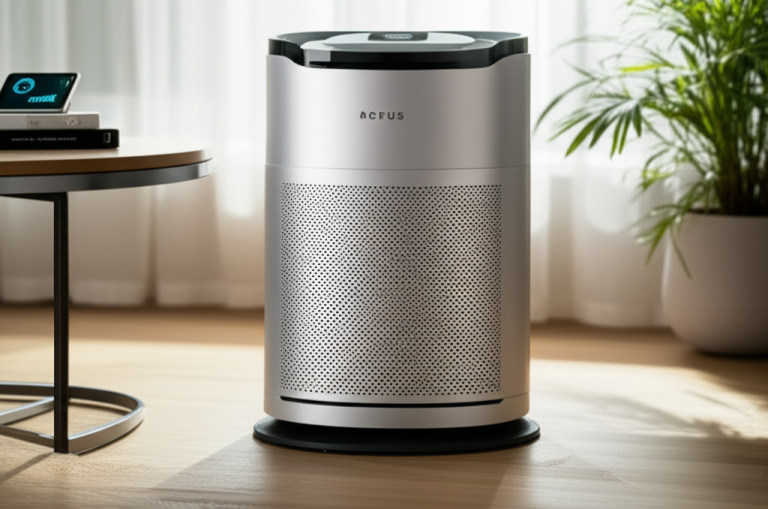
Can An Air Purifier Help With Asthma: Proven Relief

Yes, an air purifier can significantly help manage asthma symptoms by removing airborne allergens and irritants that trigger attacks. This guide explores how HEPA filters, activated carbon, and proper placement contribute to cleaner air and proven relief for asthma sufferers.
Living with asthma can feel like a constant battle against invisible triggers. You might wonder if there’s a simple way to improve your home environment and breathe easier. This article dives deep into whether an air purifier can truly offer relief for asthma symptoms, backed by science and expert advice. Get ready to discover how cleaner air can make a real difference in your daily life.
Understanding Asthma Triggers and Air Quality
Asthma is a chronic respiratory condition characterized by inflammation and narrowing of the airways. This inflammation makes the airways sensitive to various triggers, leading to symptoms like wheezing, coughing, chest tightness, and shortness of breath. Common indoor triggers include dust mites, pet dander, mold spores, pollen that enters from outside, and even volatile organic compounds (VOCs) from household products. Poor indoor air quality can exacerbate these sensitivities, making asthma management a significant challenge for many individuals.
The air we breathe indoors, often unnoticed, can be a major contributor to asthma flare-ups. By understanding these common triggers, we can begin to identify solutions that target them directly.
How Air Purifiers Target Asthma Triggers
Air purifiers work by drawing in the air from a room, passing it through a series of filters, and then releasing cleaner air back into the environment. The most crucial component for asthma sufferers is the High-Efficiency Particulate Air (HEPA) filter. A true HEPA filter is certified to capture at least 99.97% of airborne particles as small as 0.3 microns. This includes many common asthma triggers like dust mites, pet dander, pollen, and mold spores, effectively removing them from the air you breathe.
By physically trapping these microscopic irritants, air purifiers directly reduce the concentration of allergens in your living space, offering a tangible benefit for those with respiratory sensitivities.
The Science Behind HEPA Filters and Asthma Relief

The effectiveness of HEPA filters in reducing asthma symptoms is well-documented. Studies have shown that using air purifiers with HEPA filters in homes of individuals with asthma can lead to a significant reduction in airborne allergens. For instance, research published in the Journal of Allergy and Clinical Immunology has indicated that HEPA filtration can lower dust mite and pet allergen levels in the air and on surfaces, subsequently decreasing symptom severity and the need for medication in asthmatic individuals. This scientific backing provides strong evidence for their role in asthma management.
This filtration technology acts as a crucial barrier against the particles that often set off asthma episodes.
Beyond HEPA: The Role of Activated Carbon Filters
While HEPA filters excel at capturing particulate matter, activated carbon filters address a different set of asthma triggers: gases and odors. Activated carbon is a highly porous material treated to increase its absorbency. It works through a process called adsorption, where gases, chemicals, and odors chemically bond to the surface of the carbon. This is particularly beneficial for asthma sufferers who are sensitive to VOCs emitted from cleaning products, air fresheners, new furniture, or cooking fumes.
These filters go beyond particles to tackle invisible gaseous irritants, offering a more comprehensive approach to air purification.
Choosing the Right Air Purifier for Asthma
When selecting an air purifier for asthma relief, several factors are paramount. Firstly, ensure the unit features a true HEPA filter, as opposed to “HEPA-type” or “HEPA-like” filters, which do not meet the same rigorous standards. Secondly, consider the Clean Air Delivery Rate (CADR) for the size of the room you intend to use it in; a higher CADR means the purifier can clean the air more effectively and quickly. Look for models with pre-filters to capture larger particles, extending the life of the HEPA filter, and consider units with activated carbon filters for odor and gas removal.
Making an informed choice based on these features will maximize the potential benefits for your asthma management plan.
Key Features to Look for in an Asthma-Friendly Air Purifier
Beyond the core filtration technology, several other features can enhance an air purifier’s suitability for asthma sufferers. Look for units with a low noise level, especially if you plan to use it in a bedroom, as loud operation can be disruptive. Energy efficiency is also a consideration for continuous use. Some purifiers offer smart features like air quality sensors that automatically adjust fan speed based on detected pollutants, ensuring optimal performance without constant manual intervention. Finally, check for ease of maintenance, such as easily accessible filters for replacement.
These additional features contribute to a more user-friendly and effective experience in maintaining a cleaner indoor environment.
Placement and Maintenance: Maximizing Effectiveness
The effectiveness of an air purifier is significantly influenced by its placement and regular maintenance. For optimal performance, place the air purifier in the room where you spend the most time, such as your bedroom or living area. Ensure there is adequate space around the unit for proper airflow – avoid placing it directly against walls or furniture. Crucially, regular filter replacement is non-negotiable. Clogged filters cannot effectively capture pollutants and can even become a source of re-released particles. Follow the manufacturer’s recommendations for filter replacement schedules to maintain peak purification efficiency.
Proper placement and diligent maintenance are essential steps to ensure your air purifier is working at its best to support your respiratory health.
Scientific Evidence Supporting Air Purifier Use
Numerous studies have investigated the impact of air purifiers on asthma symptoms and indoor air quality. A review by the Cochrane Library, a highly respected source of independent medical evidence, analyzed various studies on air purifiers for asthma. While the overall findings suggest a potential benefit, particularly for reducing allergen levels, the authors noted that more high-quality research is needed to definitively quantify the impact on symptom severity and medication use across diverse populations. However, the consensus among many allergists and pulmonologists is that air purifiers can be a valuable component of a comprehensive asthma management strategy, especially in homes with significant indoor allergen loads.
This ongoing research continues to build a case for the supportive role of air purifiers in asthma care.
Case Studies and Expert Opinions
Many individuals with asthma report significant improvements in their symptoms after introducing air purifiers into their homes. Anecdotal evidence often highlights reduced nighttime coughing, fewer allergy-related headaches, and a general feeling of easier breathing. Healthcare professionals, including allergists and pulmonologists, frequently recommend air purifiers as part of a multi-faceted approach to asthma management. They often advise patients to focus on units with true HEPA filtration and to consider their specific triggers when making a selection. The American Academy of Allergy, Asthma & Immunology (AAAAI) often provides guidance on environmental control measures for asthma, which can include the use of air filtration devices.
These real-world experiences and professional endorsements underscore the practical benefits of air purifiers for asthma sufferers.
Potential Limitations and Considerations
While air purifiers offer many benefits, it’s important to acknowledge their limitations. They are not a cure for asthma, but rather a tool to help manage symptoms by improving air quality. Air purifiers cannot remove all asthma triggers; for instance, they cannot eliminate triggers that are not airborne, such as certain food allergens, or address irritants that may be present in the air for only short periods if the purifier is not running. Furthermore, the effectiveness depends heavily on the unit’s specifications, proper usage, and consistent maintenance. Ozone-generating air purifiers should be avoided by individuals with asthma, as ozone can be a respiratory irritant itself.
Understanding these limitations ensures realistic expectations and promotes the most effective use of air purification technology.
When an Air Purifier Might Not Be Enough
An air purifier is most effective when integrated into a broader asthma management plan. If symptoms persist or worsen despite using an air purifier, it’s crucial to consult with a healthcare provider. Other factors, such as environmental control measures (e.g., frequent cleaning to reduce dust mites, controlling humidity to prevent mold), medication adherence, and understanding personal triggers, are equally vital. Sometimes, more significant environmental remediation or medical intervention is required to achieve adequate symptom control. Relying solely on an air purifier without addressing these other aspects may lead to disappointment.
It is essential to view air purification as one part of a comprehensive strategy for managing asthma effectively.
Comparing Air Purifier Technologies for Asthma
When looking at the market, you’ll find various air purification technologies. HEPA filtration is the gold standard for capturing particulate allergens like dust, pollen, and dander. Activated carbon filters are excellent for adsorbing gases, odors, and VOCs. Some purifiers combine these technologies, offering a more comprehensive solution. Other technologies, like UV-C light, are designed to kill airborne germs, and ionizers release charged ions to neutralize particles. However, ionizers can sometimes produce ozone, which is detrimental to asthma sufferers. For asthma, a combination of true HEPA and activated carbon is generally considered the most effective and safest approach.
Understanding these different technologies helps in selecting a device that best suits the needs of someone with asthma.
HEPA vs. Other Filtration Methods
The distinction between HEPA and other filter types is critical for asthma management. True HEPA filters are certified to capture 99.97% of particles 0.3 microns in size. This efficiency is unparalleled for removing microscopic allergens. In contrast, “HEPA-type” or “HEPA-like” filters may capture a lower percentage of particles or larger particles. Electrostatic filters use an electric charge to attract particles, but they can also produce ozone. Activated carbon filters, as mentioned, are for gases and odors, not fine particulates. Therefore, for direct relief from airborne allergens that trigger asthma, a true HEPA filter is the most reliable choice.
This makes HEPA filtration the cornerstone of effective air purification for respiratory conditions.
Recommendations for Asthma Sufferers
Based on current understanding and expert recommendations, I strongly advise individuals with asthma to consider incorporating a high-quality air purifier into their home environment. Focus on models that feature a true HEPA filter and, ideally, an activated carbon filter to address a broader range of potential irritants. Consider the size of your room and choose a purifier with an appropriate CADR to ensure adequate air cleaning. Always prioritize units that do not produce ozone as a byproduct. Remember to replace filters as recommended by the manufacturer to maintain optimal performance and prevent the purifier from becoming a source of pollutants itself.
By following these recommendations, you can significantly enhance the quality of the air you breathe at home and potentially experience substantial relief from asthma symptoms.
Frequently Asked Questions
Can an air purifier completely eliminate asthma symptoms?
No, an air purifier cannot completely eliminate asthma symptoms as it is a management tool, not a cure. It helps by removing airborne triggers, but other factors like genetics, exercise, and non-airborne triggers also play a role.
What size room should an air purifier be used in?
Air purifiers are rated for specific room sizes, often indicated by their CADR (Clean Air Delivery Rate). It’s best to choose a unit designed for the square footage of the room you intend to use it in, or slightly larger, for optimal effectiveness.
How often should I replace the filters in my air purifier?
Filter replacement frequency varies by model and usage. Generally, HEPA filters need replacement every 6-12 months, and carbon filters may need replacing more often. Always check the manufacturer’s instructions for your specific unit.
Are ozone-generating air purifiers safe for people with asthma?
No, ozone-generating air purifiers are generally not recommended for people with asthma. Ozone is a lung irritant and can worsen respiratory symptoms, even at low concentrations.
Can air purifiers help with allergies that trigger asthma?
Yes, air purifiers with HEPA filters are very effective at capturing common airborne allergens like pollen, dust mites, pet dander, and mold spores, which are frequent asthma triggers.
Should I run my air purifier all the time?
For maximum benefit, especially if asthma triggers are present, running your air purifier continuously on a low or medium setting is often recommended. Many units have energy-saving modes or automatic sensors.
Conclusion
In conclusion, the question of can an air purifier help with asthma receives a resounding yes, supported by scientific principles and practical experience. By effectively removing airborne allergens and irritants like dust mites, pet dander, pollen, mold spores, and VOCs, air purifiers can significantly reduce exposure to common asthma triggers. Investing in a unit with a true HEPA filter, and ideally an activated carbon filter, is a proactive step towards creating a healthier indoor environment. While not a cure, a well-chosen and properly maintained air purifier can be an invaluable ally in managing asthma symptoms, leading to easier breathing and an improved quality of life for many individuals.