Are Pothos Good Air Purifiers: Essential Home Health

Yes, pothos plants are generally considered good, albeit modest, air purifiers for homes, capable of filtering common household toxins like formaldehyde and benzene, contributing to essential home health and a fresher living environment.
Are Pothos Good Air Purifiers: Essential Home Health
Many of us are looking for natural ways to improve the air quality in our homes. We breathe in stale air, surrounded by furniture and cleaning products that can release chemicals. This is where the humble pothos plant, also known as Devil’s Ivy, enters the conversation as a potential home health ally. You might be wondering, “are pothos good air purifiers?” While they aren’t a substitute for mechanical filtration systems, they do offer a gentle, living touch to freshening your indoor atmosphere. Let’s explore what makes these popular houseplants a valuable addition to your home’s well-being.
The NASA Study: Pothos and Air Purification
The idea that houseplants can purify air gained significant traction thanks to a famous study conducted by NASA in the late 1980s. This research aimed to find ways to clean the air in sealed space stations. The findings indicated that certain common houseplants, including the pothos (Epipremnum aureum), could effectively remove volatile organic compounds (VOCs) from the air. These VOCs are common pollutants found in many homes, originating from paints, varnishes, cleaning agents, and synthetic materials.
The NASA study identified that pothos plants could absorb toxins such as formaldehyde, benzene, and xylene. While the study was conducted in a controlled laboratory environment, it laid the groundwork for understanding the air-purifying potential of these plants in our everyday living spaces. It’s important to note that the effectiveness in a real home, with much larger volumes of air and different ventilation, is debated, but the principle of toxin absorption by the plant’s leaves and roots holds true.
Understanding Volatile Organic Compounds (VOCs)
Volatile Organic Compounds, or VOCs, are a group of chemicals that are emitted as gases from certain solids or liquids. They are found in a wide array of products we use daily, from building materials and furnishings to personal care products and cleaning supplies. Common indoor VOCs include formaldehyde, benzene, toluene, and xylene, which can be released into the air over time. Exposure to these compounds can lead to various health issues, including headaches, dizziness, respiratory irritation, and in some cases, more serious long-term effects.
Pothos plants, through their natural biological processes, can absorb some of these VOCs from the surrounding air. Their leaves and root systems work together to break down or sequester these harmful chemicals, converting them into less harmful substances. This absorption process contributes to a reduction in the concentration of these pollutants in your indoor environment, making the air healthier to breathe.
How Pothos Plants Naturally Filter Air
Pothos plants employ a fascinating biological process to contribute to air purification. Their leaves possess tiny pores called stomata, which are primarily used for photosynthesis and transpiration. However, these stomata also act as entry points for airborne pollutants. Once inside the plant, the VOCs are absorbed by the plant’s tissues and can be metabolized by microorganisms in the soil surrounding the roots.
The soil plays a crucial role in this purification process. The root zone, also known as the rhizosphere, is teeming with beneficial microbes that help break down the absorbed toxins. This symbiotic relationship between the plant and the soil microbes is key to the plant’s ability to clean the air. Therefore, a healthy soil environment is essential for maximizing the air-purifying benefits of your pothos.
Formaldehyde: A Common Culprit and Pothos’ Role
Formaldehyde is one of the most common indoor air pollutants, frequently found in pressed wood products, furniture, carpets, and even some cosmetics and detergents. It’s a known irritant that can cause watery eyes, burning sensations in the eyes and throat, coughing, and skin irritation. Long-term exposure has also been linked to more severe health problems. The NASA study specifically highlighted the pothos plant’s ability to reduce formaldehyde levels in enclosed spaces.
While a single pothos plant might not eliminate all formaldehyde from a large room, a collection of these plants can contribute to a noticeable reduction. Their presence helps to mitigate the constant off-gassing from household items, creating a more pleasant and healthier living space. This makes them a valuable, natural tool in managing indoor air quality, especially in smaller rooms or areas with less ventilation.
Benzene and Xylene: Other Pollutants Targeted by Pothos
Beyond formaldehyde, pothos plants have also demonstrated an ability to absorb other significant indoor pollutants like benzene and xylene. Benzene is found in plastics, resins, synthetic fibers, and is also a component of gasoline and tobacco smoke. It’s a known carcinogen and can cause dizziness, headaches, and drowsiness. Xylene, often found in paints, glues, and solvents, can irritate the eyes, nose, and throat, and may cause headaches and confusion.
By naturally drawing these compounds from the air, pothos plants act as living filters, contributing to a cleaner environment. While these plants are not a replacement for proper ventilation or air purifiers with HEPA filters, they offer a supplementary, natural approach to improving your home’s air. Their resilience and ease of care make them an accessible option for many homeowners looking to enhance their indoor health.
Pothos vs. Mechanical Air Purifiers: A Comparative Look
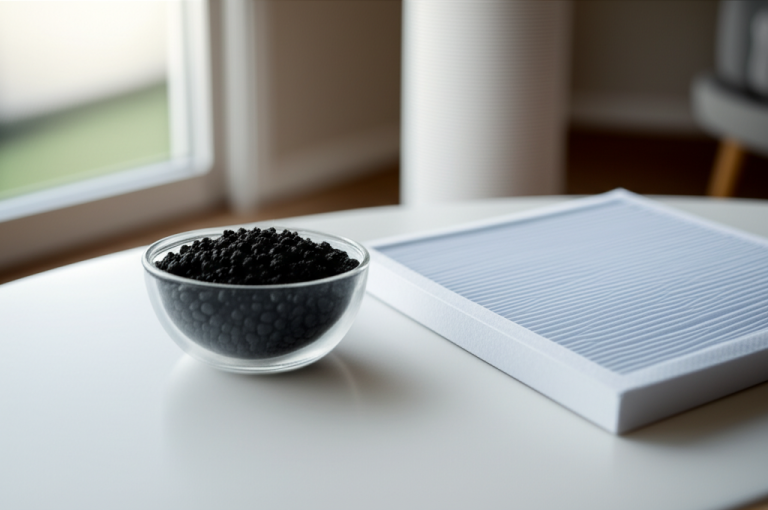
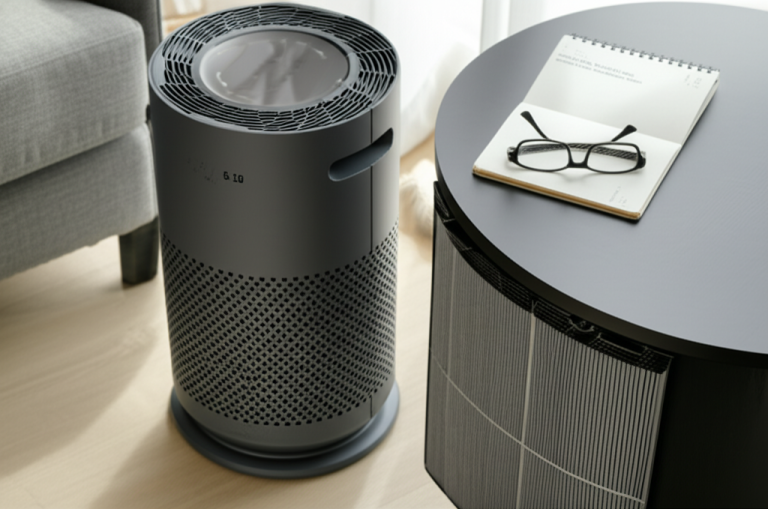
When considering air purification, it’s natural to compare pothos plants with mechanical air purifiers. Mechanical purifiers, often equipped with HEPA filters, are highly effective at capturing a wide range of airborne particles like dust, pollen, pet dander, and mold spores. They offer a powerful and immediate solution for specific air quality concerns. Pothos plants, on the other hand, work more subtly and over longer periods, focusing on absorbing gaseous VOCs.
| Feature | Pothos Plants | Mechanical Air Purifiers |
| :—————- | :—————————————— | :——————————————— |
| Mechanism | Biological absorption and metabolism of VOCs | Physical filtration of particles |
| Target Pollutants | VOCs (formaldehyde, benzene, xylene) | Particles (dust, pollen, dander, mold spores) |
| Effectiveness | Modest, best in groups, gradual effect | High for specific particle types, immediate |
| Energy Use | Minimal (photosynthesis) | Electrical power consumption |
| Maintenance | Watering, occasional repotting | Filter replacement, cleaning |
| Aesthetic Value | High, adds greenery and decor | Varies, can be functional or stylish |
It’s not an either/or situation; rather, pothos plants can complement the function of mechanical purifiers. They offer a natural, aesthetic, and low-energy approach to tackling a different set of air quality challenges.
Maximizing Air-Purifying Potential of Pothos
To get the most out of your pothos plants as air purifiers, consider a few key strategies. Firstly, place them in areas where air circulation is good, allowing more pollutants to come into contact with the plant. Secondly, ensure you have multiple plants; the more plants you have, the greater the potential impact on air quality. A study by the Environmental Science & Technology journal suggests that multiple plants are needed to achieve significant air purification in a typical room.
Also, maintain healthy soil conditions. Regularly check the soil moisture and avoid overwatering, which can lead to root rot and reduce the plant’s effectiveness. Using a good quality potting mix and occasional fertilization will support the microbial activity in the soil, enhancing the plant’s ability to break down toxins. Finally, keep the leaves clean by gently wiping them with a damp cloth; this ensures the stomata are clear and can function efficiently.
Beyond Air Purification: Other Benefits of Pothos
The benefits of having pothos plants in your home extend beyond their modest air-purifying capabilities. These plants are incredibly easy to care for, making them ideal for beginner plant enthusiasts or those with busy schedules. They thrive in a variety of light conditions, from bright, indirect light to lower light environments, though they grow best with adequate light. Their trailing vines add a beautiful, natural aesthetic to any room, softening hard edges and bringing a sense of calm and tranquility.
Furthermore, the act of caring for plants can have positive psychological effects, reducing stress and improving mood. The presence of greenery in a living space is often associated with increased feelings of well-being and a stronger connection to nature. So, even if their air-purifying powers are subtle, pothos plants contribute significantly to the overall ambiance and health of your home environment.
Essential Home Health: Pothos as Part of a Holistic Approach
When we talk about essential home health, we’re considering all the elements that contribute to a safe and healthy living space. This includes everything from structural integrity and safety features to the quality of the air we breathe and the overall well-being it promotes. Pothos plants fit perfectly into this holistic view by offering a natural, low-maintenance way to subtly improve indoor air quality and enhance the aesthetic appeal of your home.
They are a gentle reminder that even small, natural additions can make a difference. Integrating plants like pothos into your home décor is a simple yet effective step towards creating a more nurturing and healthier environment for you and your family. They work alongside good ventilation practices and other healthy home habits to build a comprehensive approach to well-being.
Frequently Asked Questions About Pothos Air Purification
Q1: Are pothos plants poisonous to pets or children?
Pothos plants contain calcium oxalate crystals, which can cause irritation if ingested. While not severely toxic, they can lead to mouth and stomach upset in pets and children. It’s best to place them out of reach or supervise interactions.
Q2: How many pothos plants do I need to purify a room?
The exact number varies, but studies suggest you would need a significant number of plants, perhaps 10-15 or more, to measurably purify the air in a typical room. They offer a supplementary benefit rather than a primary solution.
Q3: Do pothos plants actually remove dust from the air?
While their leaves can trap some dust, their primary air-purifying action is on VOCs. For dust removal, mechanical air purifiers with HEPA filters are much more effective.
Q4: Can pothos plants help with allergies?
By reducing VOCs, pothos plants might indirectly help those sensitive to these chemicals. However, they do not filter out common allergens like pollen or pet dander, which are typically addressed by HEPA filters.
Q5: What is the best way to care for a pothos plant to maximize its air-purifying potential?
Ensure the plant is healthy by providing adequate indirect light, watering appropriately (allowing soil to dry slightly between waterings), and using well-draining soil. Clean leaves regularly to keep stomata clear.
Q6: Are there other houseplants that are better air purifiers than pothos?
Other plants like Snake Plants (Sansevieria), Spider Plants (Chlorophytum comosum), and Peace Lilies (Spathiphyllum) are also known for their air-purifying qualities, often targeting similar VOCs.
Conclusion: Pothos – A Living Addition to Your Home’s Health
So, are pothos good air purifiers? The answer is a qualified yes. While they are not a miracle cure for poor indoor air quality, these resilient and beautiful plants demonstrably contribute to filtering common household toxins like formaldehyde and benzene. Their ability to absorb VOCs, coupled with their ease of care and aesthetic appeal, makes them an excellent addition to any home seeking to enhance its essential health and create a more vibrant living environment. By understanding their role and integrating them thoughtfully, pothos plants can be a living, breathing component of your strategy for a healthier home.