
Can An Air Purifier Be Harmful? Proven Dangers Revealed

While air purifiers are designed to improve air quality, certain types or improper usage can indeed pose risks, including releasing ozone, exacerbating allergies, and spreading germs. Understanding these potential dangers is crucial for safe operation.
Can An Air Purifier Be Harmful? Proven Dangers Revealed
Air purifiers are a popular solution for cleaner indoor air, promising relief from allergens, pollutants, and odors. Many of us rely on them to create a healthier living environment. However, it’s natural to wonder: can an air purifier be harmful? The truth is, while beneficial, these devices aren’t without potential downsides. Understanding these risks can help you make informed choices and ensure your purifier works for, not against, your well-being. Let’s explore the proven dangers and how to avoid them.
The Ozone Risk: A Silent Threat from Air Purifiers
Ozone generators, often marketed as powerful air cleaners, are a primary concern when asking “can an air purifier be harmful?”. These devices intentionally produce ozone, a gas that, while effective at neutralizing odors and pollutants at high concentrations, is also a lung irritant at lower levels. Breathing ozone can trigger coughing, chest pain, and shortness of breath, particularly for those with respiratory conditions.
Why Ozone Generators Can Be Dangerous
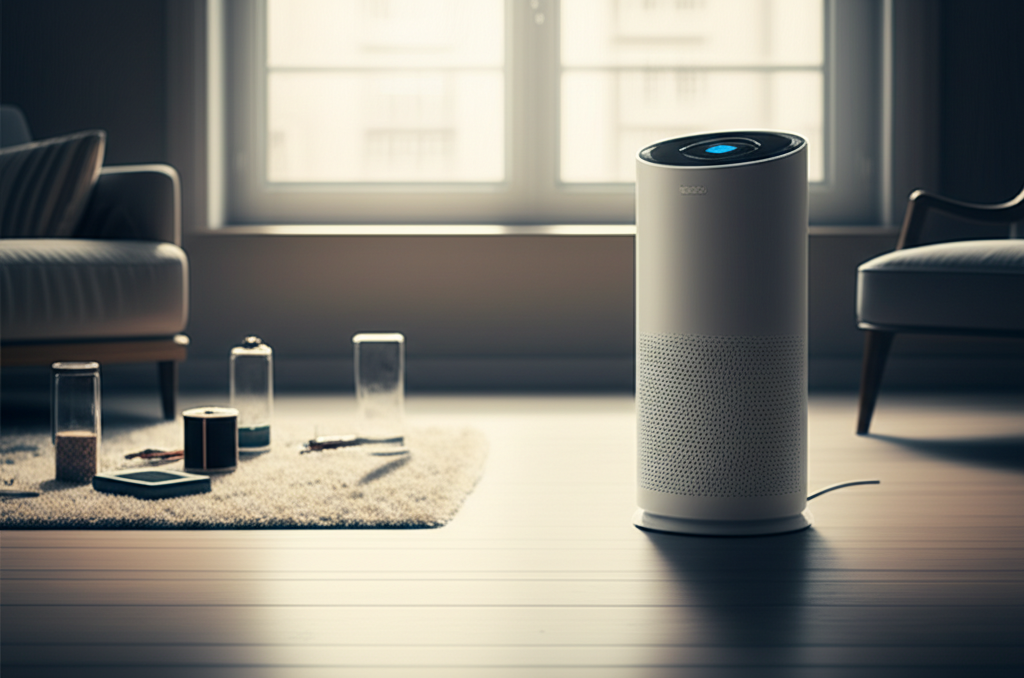
Ozone generators are particularly problematic because they can exceed safe ozone levels recommended by health organizations. Unlike filters that trap particles, ozone reacts chemically with other substances in the air, sometimes creating harmful byproducts. This makes them a significant risk for indoor air quality.
Can Air Purifiers Worsen Allergies and Asthma?
For individuals with allergies or asthma, the wrong type of air purifier or a malfunctioning one can exacerbate symptoms. While HEPA filters are excellent at capturing allergens, some purifiers might not perform as expected, or certain technologies could even introduce new irritants into the air. This can be a frustrating experience for those seeking relief.
Filterless Purifiers and Their Potential Downsides
Some air purifiers use technologies like ionizers or UV-C light without a physical filter. While they can reduce airborne particles, ionizers can produce ozone as a byproduct. UV-C light, when not properly shielded, can also pose a risk. It’s vital to choose purifiers with proven safety records and minimal ozone production.
The Hidden Danger of Dirty Filters
A key factor in whether an air purifier can be harmful lies in its maintenance. Clogged or dirty filters are a breeding ground for bacteria and mold. When the air is pushed through a saturated filter, these contaminants can be released back into the room, potentially worsening air quality and triggering allergic reactions or respiratory issues.
How Often Should You Change Air Purifier Filters?
Regular filter replacement is non-negotiable for safe and effective air purification. The frequency depends on the type of filter, the purifier’s usage, and the indoor air quality. Most manufacturers recommend replacing HEPA filters every 6-12 months and pre-filters or activated carbon filters more frequently. Always check your specific model’s guidelines.
Are Electronic Air Cleaners Safe?
Electronic air cleaners, including electrostatic precipitators and ionizers, work by charging particles in the air, causing them to stick to collection plates or surfaces. While effective at capturing fine particles, some of these units can produce ozone as a byproduct. If not properly maintained or if they malfunction, they can become a source of harmful air pollutants.
Understanding Ionizer Technology
Ionizers release negatively charged ions into the air, which attach to airborne particles like dust and pollen, causing them to clump together and fall to the ground or stick to surfaces. While this can reduce airborne particles, many ionizers also emit ozone. It’s essential to select models that are certified for low or no ozone production.
The Risk of Secondary Pollutants
Some air purifiers, especially those using activated carbon filters or UV-C lamps, can potentially create or release secondary pollutants. Activated carbon can sometimes release adsorbed volatile organic compounds (VOCs) back into the air, particularly when saturated. UV-C lamps, if not properly shielded, can emit harmful UV radiation.
VOCs and Air Purifiers
Volatile Organic Compounds (VOCs) are gases emitted from various household products, like paints, cleaners, and furniture. While activated carbon filters are designed to adsorb VOCs, their effectiveness can vary. In some cases, a saturated carbon filter might release VOCs back into the air, or the purification process itself might inadvertently convert some VOCs into more harmful substances.
Microbial Growth and Air Purifiers
If an air purifier’s components, such as filters or water reservoirs in some humidifying purifiers, become damp and are not properly cleaned or replaced, they can become a breeding ground for mold and bacteria. When the purifier is running, these microbes can be dispersed into the air, potentially causing respiratory problems and allergic reactions.
Best Practices for Preventing Microbial Growth
To prevent microbial growth, always follow the manufacturer’s instructions for cleaning and filter replacement. Ensure that filters are completely dry before reinstalling them and clean any accessible parts of the purifier regularly. For humidifying purifiers, regular cleaning of the water tank is crucial.
Can Air Purifiers Spread Germs?
While air purifiers are designed to capture airborne pathogens, a malfunctioning unit or improper use could theoretically spread germs. For instance, if a filter is overloaded with pathogens and not replaced, or if the device itself isn’t cleaned, it might become a vector for contaminants. However, most reputable HEPA air purifiers are designed to trap and contain these particles effectively.
HEPA Filters and Pathogen Capture
True HEPA filters are highly efficient at capturing very small particles, including bacteria and viruses. When these pathogens are trapped within the filter, they are effectively removed from the air. The risk of spreading comes more from poor maintenance or the use of non-HEPA filters that are less effective.
Choosing the Right Air Purifier: Safety First
Given these potential dangers, selecting the right air purifier is paramount. Look for models that use True HEPA filters, which are certified to capture 99.97% of particles 0.3 microns in size. Additionally, prioritize purifiers that are certified by reputable organizations for low ozone emissions.
Key Features for a Safe Air Purifier
When shopping for an air purifier, consider these safety features:
True HEPA Filter: Essential for capturing microscopic particles.
Activated Carbon Filter: Effective for odor and VOC removal, but ensure it’s replaced regularly.
Ozone-Free Certification: Look for certifications from organizations like the California Air Resources Board (CARB) or Energy Star.
Low Noise Levels: Important for comfort, though not directly a health hazard.
* Ease of Maintenance: Simple filter replacement and cleaning procedures.
Here’s a comparison of common air purification technologies and their potential safety considerations:
| Technology | How it Works | Potential Safety Concerns | Mitigation |
| :——————- | :———————————————————————— | :———————————————————————————————————————- | :————————————————————————————————————————————– |
| HEPA Filters | Physically traps particles using a fine mesh. | Can become clogged and harbor bacteria/mold if not maintained; particle breakthrough at very small sizes (<0.3 microns). | Regular filter replacement; choose True HEPA for highest efficiency. |
| Activated Carbon | Adsorbs gases, odors, and VOCs. | Can release adsorbed substances when saturated; potential for secondary pollutant formation. | Regular filter replacement; choose purifiers with a substantial amount of carbon. |
| Ionizers | Emits ions that attach to particles, causing them to fall or stick. | Can produce ozone as a byproduct; particles may resettle rather than be captured. | Choose CARB-certified ozone-free models; ensure good ventilation. |
| UV-C Light | Uses UV-C radiation to kill or inactivate airborne microorganisms. | Potential for ozone production; risk of UV exposure if not properly shielded. | Ensure UV-C component is shielded and only operates when the unit is sealed; look for low ozone emission certifications. |
| Ozone Generators | Intentionally produce ozone to clean the air. | High ozone concentrations are harmful to respiratory systems; can react with other chemicals to form harmful byproducts. | Avoid these devices for occupied spaces; use only in unoccupied areas for specific purposes and with extreme caution. |
When to Consider an Air Purifier Not Worth the Risk
While most modern air purifiers are safe and effective when used correctly, some situations warrant caution. If you have a pre-existing severe respiratory condition, it’s always best to consult your doctor before using an air purifier, especially those employing ionization or UV-C technology. Also, if a purifier is old, malfunctioning, or not maintained, it’s better to err on the side of caution and consider replacing it.
Recognizing a Malfunctioning Unit
Signs of a malfunctioning air purifier include unusual noises, strange odors, or visible damage. If the unit is emitting a persistent chemical smell or if you notice increased respiratory irritation after using it, it might be time to unplug it and have it inspected or replaced. Always prioritize your health and safety.
Frequently Asked Questions (FAQ)
Q1: Can air purifiers cause headaches?
Yes, some air purifiers, particularly those that produce ozone or release fragrances, can cause headaches in sensitive individuals. Ozone is a known lung irritant that can affect the respiratory system and lead to headaches.
Q2: Are all air purifiers safe for pets?
Most air purifiers are safe for pets, especially those with True HEPA filters. However, some ionizers can produce ozone, which can be harmful to pets. It’s best to choose ozone-free certified models.
Q3: Can air purifiers make indoor air quality worse?
Yes, if an air purifier is not maintained properly (e.g., dirty filters) or if it produces harmful byproducts like ozone, it can potentially worsen indoor air quality.
Q4: Do air purifiers help with mold?
Yes, air purifiers with HEPA filters can help capture airborne mold spores, reducing their concentration in the air. However, they do not eliminate the source of mold growth.
Q5: Is it safe to run an air purifier 24/7?
For most modern, well-maintained air purifiers, running them 24/7 is generally safe and recommended for continuous air quality improvement. However, always check the manufacturer’s guidelines.
Q6: Can air purifiers cause dry air?
Air purifiers themselves do not typically cause dry air. Dry air is usually a result of heating systems or low outdoor humidity.
Conclusion: Breathe Easy with Informed Choices
So, can an air purifier be harmful? The answer is nuanced: while designed to purify, certain technologies and improper maintenance can indeed pose risks, primarily through ozone production or the circulation of trapped contaminants. By understanding these potential dangers, prioritizing True HEPA filters, opting for ozone-free certified devices, and committing to regular maintenance, you can ensure your air purifier actively contributes to a healthier home environment. Making informed choices empowers you to enjoy the benefits of cleaner air without compromising your well-being.
