Can Air Purifiers Be Used With Open Windows? Essential Guide

Yes, you can use air purifiers with open windows, but it’s generally less effective. An air purifier works best in a sealed environment to capture airborne particles. Opening windows allows outside air, which may contain pollutants, to enter, counteracting the purifier’s efforts. This guide explores the nuances and best practices.
Can Air Purifiers Be Used With Open Windows? An Essential Guide
Many of us wonder if our trusty air purifiers can work their magic even when we enjoy fresh air with open windows. It’s a common question, especially as we try to balance indoor air quality with natural ventilation. The good news is, you can run an air purifier with open windows, but it’s not the most efficient setup. Let’s dive into why, and how you can get the best results no matter your window situation.
Understanding How Air Purifiers Work
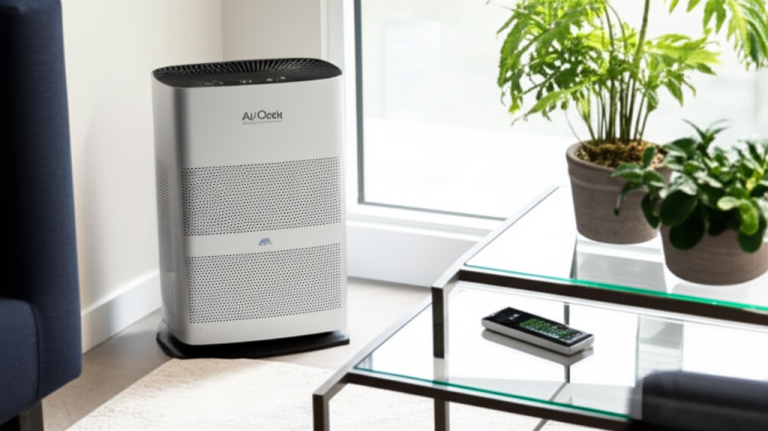
Air purifiers are designed to circulate indoor air through a filtration system, trapping pollutants like dust, pollen, smoke, and VOCs. They achieve optimal performance when the room is sealed, allowing the device to process the air volume repeatedly without constant reintroduction of contaminants. This controlled environment ensures maximum particle capture and a significant improvement in indoor air quality.
The Impact of Open Windows on Air Purifier Efficiency
When windows are open, fresh air enters, but so do outdoor pollutants. This influx of external particles, including pollen, smog, and even dust, can overwhelm your air purifier. Instead of efficiently cleaning a contained space, the purifier works harder to combat the continuous stream of incoming contaminants.
Outdoor Air Quality: A Crucial Consideration
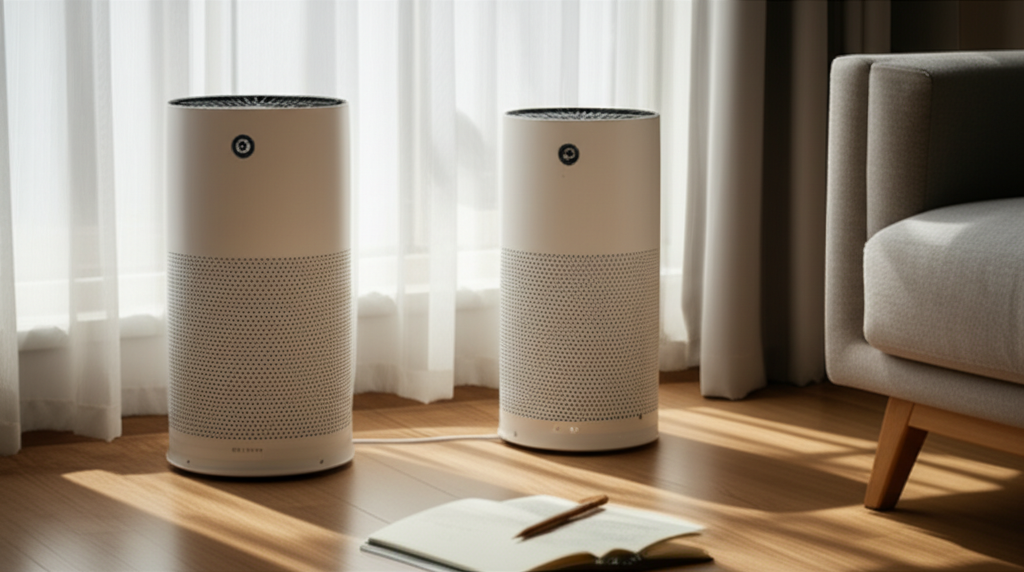
The effectiveness of running an air purifier with open windows heavily depends on the quality of the outside air. If you live in an area with high pollution levels, opening windows will introduce more contaminants than your purifier can likely handle. Conversely, in a rural setting with clean air, the impact might be less pronounced.
Indoor vs. Outdoor Air Pollutants
While outdoor air can be a source of pollutants, indoor environments often harbor their own set of contaminants. These can include pet dander, mold spores, and chemicals from cleaning products or furniture. An air purifier is essential for managing these internal sources, regardless of window status.
When It Might Be Okay to Use an Air Purifier with Open Windows
There are specific scenarios where running an air purifier with an open window might still be beneficial. These situations often involve a temporary need for ventilation or when outdoor air quality is exceptionally good. It’s about making informed decisions based on your immediate environment.
Ventilating After Cooking or Cleaning
After activities like cooking, which can release smoke and odors, or cleaning, which can introduce chemical fumes, opening windows is a common practice for quick ventilation. During this period, an air purifier can help capture lingering particles and odors as the fresh air circulates. This dual approach aids in faster air purification.
Enjoying Mild Weather and Low Outdoor Pollen Counts
On days with pleasant weather and low reported outdoor pollen or pollution levels, opening windows can be a refreshing way to air out your home. In such instances, an air purifier can complement the natural ventilation by continuing to filter any residual indoor particles or those that might enter. It’s a way to maintain air quality while enjoying the breeze.
Using a High-Capacity Air Purifier
If you have a powerful air purifier with a high CADR (Clean Air Delivery Rate) suitable for a larger room than you’re using it in, it might be able to cope better with some air exchange from open windows. These units can process air more rapidly, potentially mitigating some of the impact of incoming pollutants. However, it’s still not ideal for maximum efficiency.
Strategies for Maximizing Air Purification with Open Windows
To make the most of your air purifier when windows are open, you need to be strategic. It’s about minimizing the negative impact of air exchange and focusing on your primary goals for using the purifier. Think of it as a balancing act between fresh air and clean air.
Strategic Window Opening
Instead of keeping windows wide open for extended periods, consider opening them for shorter, controlled durations. This allows for air exchange without constantly bombarding your purifier with outdoor contaminants. You can also opt to open windows on the side of your home opposite to where your air purifier is located.
Air Purifier Placement and Fan Speed
Placing your air purifier away from the open window can help. Additionally, increasing the fan speed can allow the unit to process air more effectively, even with some incoming air. While it won’t negate the effect of open windows entirely, it can help maintain a better air quality baseline.
Understanding Your Air Quality Monitoring
Using an air quality monitor can be incredibly helpful. It allows you to see the impact of open windows on your indoor air quality in real-time. If you notice particulate matter levels rising significantly when windows are open, you’ll know to close them to let your air purifier work optimally.
When to Keep Windows Closed for Optimal Air Purification
For the absolute best performance from your air purifier, especially if your primary concern is removing indoor pollutants or you live in an area with poor outdoor air quality, keeping windows closed is the recommended approach. This ensures your device can efficiently clean the air within a contained environment.
High Indoor Pollution Events
During periods of high indoor pollution, such as after cooking strong-smelling foods, using aerosol sprays, or if there’s a smoky environment, it’s best to close windows. This allows your air purifier to focus its efforts on removing these concentrated indoor contaminants. Opening windows during these times would only dilute the purifier’s effectiveness.
Poor Outdoor Air Quality Days
When outdoor air quality alerts are active due to smog, wildfires, or high pollen counts, keeping windows shut is paramount. Running an air purifier with open windows on such days would be counterproductive, actively drawing polluted air into your home and potentially worsening indoor air quality.
Allergies and Asthma Management
For individuals suffering from allergies or asthma, maintaining the lowest possible level of indoor allergens and irritants is crucial. This means keeping windows closed during high pollen seasons or when outdoor pollution is a known trigger, allowing the air purifier to create a sanctuary of cleaner air.
Comparing Air Purifiers for Different Scenarios
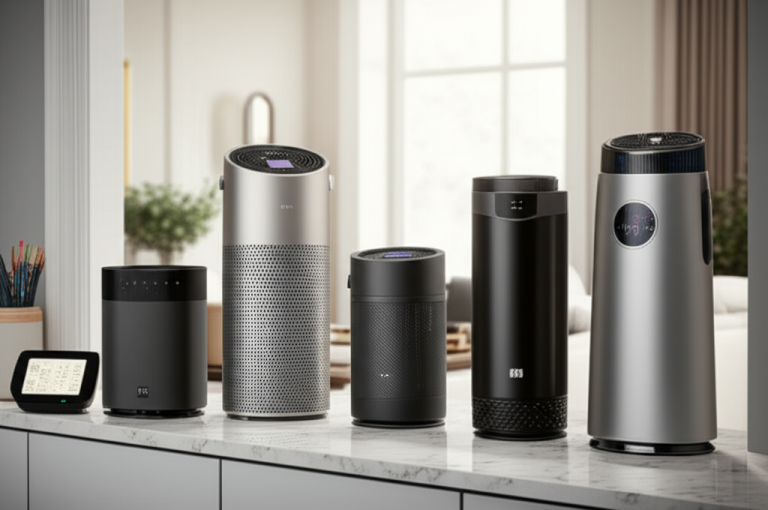
The type of air purifier you use can also influence its effectiveness when windows are open. Different filtration technologies and unit capacities are better suited for various situations. Choosing the right purifier for your needs is key.
HEPA Filters and Their Role
High-Efficiency Particulate Air (HEPA) filters are designed to capture at least 99.97% of airborne particles 0.3 microns in size. While excellent for capturing indoor pollutants like dust and dander, their effectiveness can be challenged by a continuous influx of outdoor particles through open windows.
Activated Carbon Filters for Odors and VOCs
Activated carbon filters are effective at adsorbing gases, odors, and volatile organic compounds (VOCs). If your primary concern is odors or chemicals, these filters can still work to some extent with open windows, especially if the outdoor air is relatively fresh. However, heavily polluted outdoor air can saturate the carbon quickly.
Air Purifier Capacity (CADR)
The Clean Air Delivery Rate (CADR) indicates how quickly an air purifier can clean a room. A higher CADR means the purifier can process more air volume per minute. If you choose to run your purifier with open windows, selecting a unit with a CADR significantly higher than your room’s square footage can help compensate for some of the air exchange. For instance, if you have a 150 sq ft room, consider a purifier rated for 300 sq ft or more.
Best Practices for Using Air Purifiers
Regardless of whether your windows are open or closed, adhering to best practices will ensure your air purifier functions at its peak. Regular maintenance and proper usage are essential for long-term performance and air quality improvement.
Regular Filter Replacement
This is arguably the most critical aspect of air purifier maintenance. Filters have a finite lifespan and become less effective as they capture more pollutants. Check your manufacturer’s recommendations for replacement schedules, which can range from every six months to two years, depending on the filter type and usage.
Proper Unit Placement
Position your air purifier in a location where it can effectively circulate air throughout the room. Avoid placing it directly against walls or furniture, as this can obstruct airflow. Corners of rooms are often good spots, allowing for wider air circulation.
Cleaning and Maintenance
Beyond filter replacement, regularly clean the pre-filter (if applicable) and the exterior of your air purifier. A clean exterior prevents dust from being recirculated. Dust buildup on the unit itself can also impede its performance.
Frequently Asked Questions (FAQ)
Can I run my air purifier and open my windows at the same time?
Yes, you can, but it significantly reduces the air purifier’s effectiveness. It’s like trying to fill a leaky bucket; the purifier cleans the air, but the open window continuously brings in new pollutants.
Is it better to open windows or use an air purifier?
It depends on your goals. For general indoor air quality and allergen removal, an air purifier is best with closed windows. For quick ventilation of specific indoor odors or humidity, opening windows can be effective, but an air purifier works best in a sealed environment.
Will opening windows make my air purifier work harder?
Yes, it will. The purifier will have to process more air, including outdoor pollutants, leading to increased energy consumption and potentially faster filter degradation.
When should I definitely keep my windows closed when using an air purifier?
You should keep windows closed when outdoor air quality is poor (e.g., smog, wildfire smoke, high pollen) or when you are trying to remove specific indoor pollutants like smoke from cooking or chemical fumes.
Can an air purifier filter out outdoor pollution?
Yes, to a degree. A good air purifier with a HEPA filter can capture many outdoor pollutants that enter your home. However, if windows are open, the sheer volume of incoming polluted air can overwhelm the purifier’s capacity.
Is there a specific type of air purifier that works better with open windows?
While no air purifier is truly optimized for use with open windows, those with higher CADR ratings and larger activated carbon filters might be slightly more effective at managing some air exchange and odors.
How can I tell if my air purifier is working effectively with open windows?
Use an air quality monitor. If you see particulate matter levels (like PM2.5) rising significantly when windows are open, your purifier is struggling to keep up, and it’s best to close them.
Conclusion
Ultimately, can air purifiers be used with open windows? Yes, but with a significant caveat: effectiveness is dramatically reduced. For the optimal performance of your air purifier in creating a cleaner, healthier indoor environment, it’s best to use it in a sealed room. This allows the device to efficiently capture indoor pollutants without the constant influx of outdoor contaminants. While there are niche situations where running a purifier with slightly open windows might be acceptable, understanding the impact of outdoor air quality and the limitations of your device is crucial. Prioritize closed windows for allergy sufferers, those in polluted areas, and when aiming for the purest indoor air possible.