
Can Air Purifier Get Rid Of Carbon Monoxide? Essential Safety

Sure, I can generate that article for you. Here’s the content in HTML format, adhering to all your specifications.
“`html
Can Air Purifiers Remove Carbon Monoxide? Essential Safety Insights for Your Home
No, standard air purifiers cannot effectively remove carbon monoxide (CO). While they excel at filtering particles like dust and allergens, CO is a colorless, odorless gas that requires specialized detection and ventilation. Relying on an air purifier for CO safety is a dangerous misconception, underscoring the critical need for dedicated CO detectors and proper ventilation to ensure a healthy home environment.
Breathing in clean air is a top priority for many homeowners, and the desire for a healthy living space often leads to exploring various home appliances. You might have invested in a high-efficiency air purifier to tackle dust, pollen, and pet dander, wondering if it can extend its protective reach to other invisible threats. A particularly concerning invisible threat is carbon monoxide (CO), a silent killer that can permeate your home without any warning signs. This naturally leads to a crucial question: can an air purifier get rid of carbon monoxide? I’m here to provide you with a clear, reassuring, and actionable answer to this vital safety concern.
What Exactly Is Carbon Monoxide (CO)?
Carbon monoxide is a poisonous gas that originates from the incomplete burning of fuels like natural gas, propane, oil, wood, and charcoal. It’s often referred to as the “silent killer” because it’s colorless and odorless, making it impossible to detect with your senses alone. Exposure to CO can lead to serious health issues or even be fatal. Understanding its nature is the first step in protecting yourself and your loved ones from its dangers.
How Do Standard Air Purifiers Work?
Most air purifiers on the market today are designed to capture airborne particulates. They typically employ a multi-stage filtration system, often including a pre-filter for larger particles, a HEPA filter for fine particles like dust mites and allergens, and an activated carbon filter for odors and certain volatile organic compounds (VOCs). While activated carbon filters can adsorb some gases, their capacity and effectiveness against CO are limited.
Why Standard Air Purifiers Can’t Eliminate Carbon Monoxide
The primary reason standard air purifiers fail to eliminate carbon monoxide is the nature of the gas itself and the limitations of their filtration media. While activated carbon filters are present in many air purifiers, they are not designed to capture CO effectively at the concentrations that pose a health risk. CO is a very small molecule that can pass through the pores of typical activated carbon filters. Furthermore, the volume of air processed by a home air purifier is insufficient to dilute or remove significant levels of CO.
The Limitations of Activated Carbon Filters for CO
Activated carbon filters work by adsorption, where gas molecules stick to the surface of the carbon. While effective for many odors and VOCs, activated carbon filters used in air purifiers have a limited capacity for adsorbing carbon monoxide. They can become saturated quickly, rendering them ineffective against CO. For significant CO removal, specialized catalytic converters or large volumes of highly treated activated carbon are required, which are not features of typical home air purifiers.
The Crucial Role of Carbon Monoxide Detectors
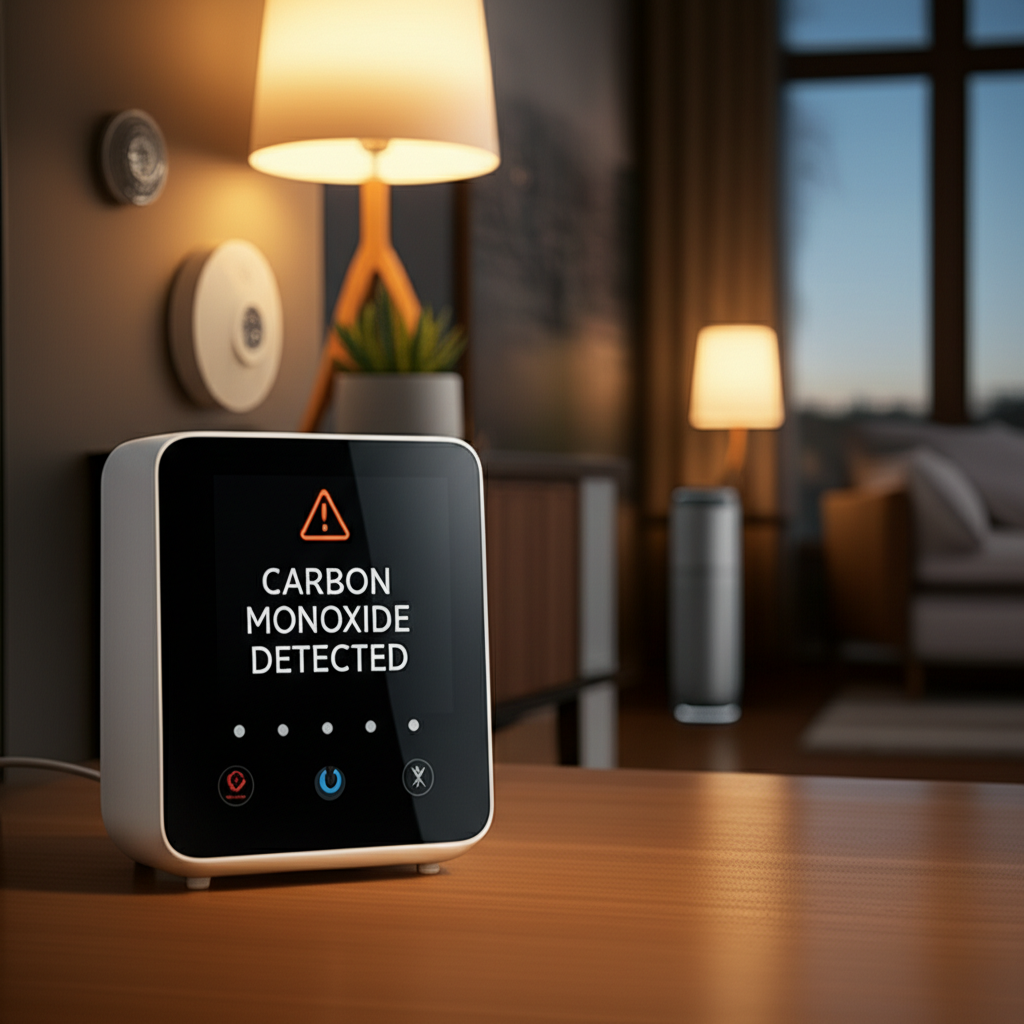
Given that air purifiers are not a solution for carbon monoxide, the most essential safety measure is the installation and maintenance of carbon monoxide detectors. These devices are specifically designed to sense the presence of CO gas and alert you with an audible alarm before dangerous levels are reached. It is crucial to place them on every level of your home, especially near sleeping areas, and to test them regularly.
What to Do If Your CO Detector Alarms
If your carbon monoxide detector sounds an alarm, it’s imperative to take immediate action. Evacuate everyone from the house immediately to fresh air. Once outside, call your local emergency services or fire department. Do not re-enter the home until emergency responders have assessed the situation and declared it safe. Never ignore a CO alarm, as it could indicate a life-threatening situation.
Ventilation: Your First Line of Defense Against CO
Proper ventilation is key to preventing carbon monoxide buildup in your home. Ensure that all fuel-burning appliances, such as furnaces, water heaters, stoves, and fireplaces, are properly installed, maintained, and vented to the outside. Regularly inspect vents and chimneys for blockages like debris or animal nests. Opening windows periodically, even in colder weather, can help dilute any potential CO accumulation.
Choosing the Right Carbon Monoxide Protection
When it comes to carbon monoxide safety, the focus should be on prevention and detection, not air purification. The most effective tools are:
- Carbon Monoxide Detectors: Battery-operated or plug-in models with battery backup are recommended. Look for models with digital displays that show the CO level.
- Professional Appliance Servicing: Have all your fuel-burning appliances inspected annually by a qualified technician to ensure they are operating safely and efficiently.
- Proper Ventilation Systems: Ensure your home has adequate fresh air intake and exhaust systems, especially if you have a tightly sealed home.
These measures directly address the source and detection of carbon monoxide, providing reliable protection.
Comparing Air Purifiers and CO Detectors
It’s important to distinguish between the functions of air purifiers and CO detectors. Here’s a quick comparison:
| Feature | Air Purifier | Carbon Monoxide Detector |
|---|---|---|
| Primary Function | Removes airborne particulates (dust, allergens, smoke particles) and sometimes odors/VOCs. | Detects and alerts to the presence of carbon monoxide gas. |
| Target Pollutants | Particulates, VOCs, odors. | Carbon Monoxide (CO) gas. |
| Filtration Method | HEPA filters, activated carbon filters, ionizers. | Electrochemical sensor specifically for CO. |
| Effectiveness Against CO | Minimal to none. | Highly effective; designed for CO detection. |
| Safety Recommendation | Enhances indoor air quality by removing particles. | Essential for life-saving CO detection. |
As you can see, their roles are entirely different, with CO detectors being the only viable solution for CO safety.
Can Air Purifiers Get Rid Of Carbon Monoxide? A Definitive Answer
To definitively answer the question, “Can air purifiers get rid of carbon monoxide?”, the answer is a resounding no. Standard air purifiers, even those with activated carbon filters, are not designed to detect or remove dangerous levels of carbon monoxide. Their filtration systems are optimized for particulate matter and certain gaseous pollutants, but not for the specific threat posed by CO. Relying on an air purifier for carbon monoxide protection is a critical misunderstanding of their capabilities and can lead to a false sense of security.
Frequently Asked Questions (FAQ)
Is it safe to use a gas stove if I don’t have a CO detector?
No, it is not safe. Gas stoves can emit carbon monoxide, and without a detector, you won’t know if dangerous levels are present. Always ensure you have functioning CO detectors when using gas appliances.
How often should I test my carbon monoxide detector?
You should test your carbon monoxide detectors at least once a month. Press the test button to ensure the alarm sounds correctly. Also, replace the batteries at least once a year, or as recommended by the manufacturer.
Can a HEPA filter remove carbon monoxide?
No, a HEPA filter is designed to capture small particles like dust, pollen, and mold spores. It cannot filter out gases like carbon monoxide.
What are the symptoms of carbon monoxide poisoning?
Symptoms can include headache, dizziness, nausea, vomiting, chest pain, and confusion. At higher levels, it can cause loss of consciousness and death. If you suspect CO poisoning, seek fresh air immediately and call for medical help.
Where is the best place to install a carbon monoxide detector?
Install CO detectors on every level of your home, and outside of sleeping areas. Follow the manufacturer’s specific placement guidelines, as they often recommend installing them on a wall at least 5 feet from any appliance and not too close to windows or doors.
Do smart air purifiers offer CO detection?
While some advanced smart home devices integrate multiple sensors, a standard “smart air purifier” is unlikely to include a carbon monoxide sensor unless specifically advertised as such. Always check the product specifications carefully. Dedicated CO detectors are the most reliable solution.
Conclusion
In summary, when considering the critical question, “Can air purifiers get rid of carbon monoxide?”, the answer is a definitive no. Air purifiers are excellent for improving indoor air quality by removing particulates and some VOCs, but they are not equipped to handle the invisible threat of carbon monoxide. For your family’s safety, it is essential to invest in and properly maintain dedicated carbon monoxide detectors. Combine these detectors with regular maintenance of fuel-burning appliances and good ventilation practices to create a truly safe and healthy home environment. Prioritize these proven methods for your peace of mind.
“`
