
Can Air Purifier Filter Smoke: Proven Essential Solution

Yes, an air purifier can effectively filter smoke, making it an essential solution for improving indoor air quality. Choosing the right type, like those with HEPA and activated carbon filters, is key to capturing smoke particles and odors from wildfires, cooking, or smoking.
Breathing in smoke is a serious concern for our health, irritating our lungs and eyes and often carrying unpleasant odors. Whether it’s from a nearby wildfire, everyday cooking, or even indoor smoking, the presence of smoke can quickly make your home feel uncomfortable and unhealthy. Many people wonder, “Can air purifier filter smoke?” The answer is a resounding yes, and I’m here to guide you through how they work and what to look for to ensure you’re breathing the cleanest air possible. We’ll explore the science behind it and pinpoint the best solutions.
How Air Purifiers Tackle Smoke Particles
Air purifiers are designed to capture airborne pollutants, and smoke is a primary target. They draw in air, pass it through a series of filters, and release cleaner air back into the room. This process is highly effective at removing the fine particles and gases that make up smoke.
By trapping these harmful elements, air purifiers significantly reduce your exposure to the irritants found in smoke. This makes them a vital tool for maintaining a healthy living environment, especially during periods of poor air quality.
The Science Behind Smoke Filtration
Smoke consists of a complex mixture of gases, vapors, and tiny solid particles, often less than 1 micron in size. These fine particles, known as PM2.5, are particularly concerning as they can penetrate deep into your lungs. An effective air purifier needs to address both these particles and the associated odors.
The filtration process relies on specific filter types to achieve this. Understanding these components is crucial for knowing exactly how an air purifier filters smoke and why certain models are superior.
Key Filter Types for Smoke Removal
To effectively combat smoke, an air purifier typically employs a multi-stage filtration system. Each filter plays a distinct role in capturing different components of smoke, ensuring comprehensive air cleaning.
1. HEPA Filters: The Particle Trappers
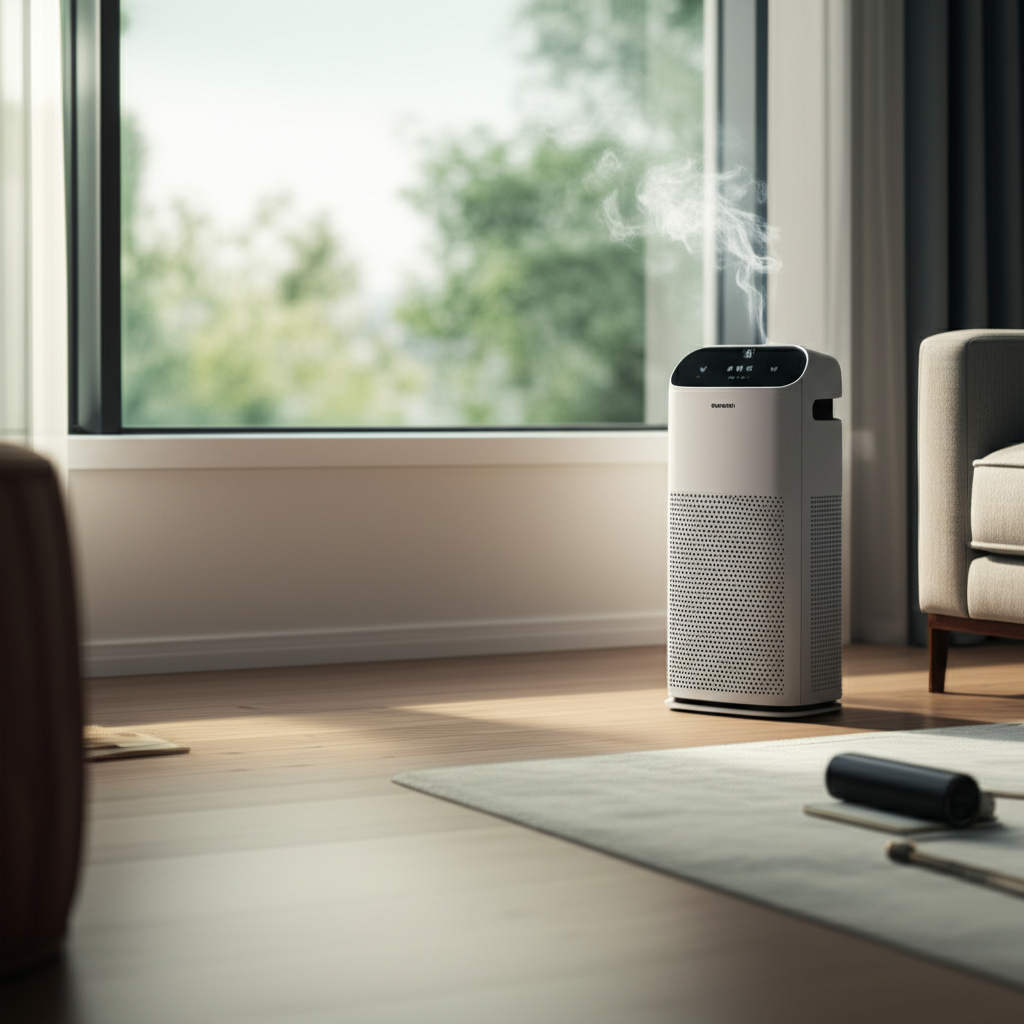
HEPA, which stands for High-Efficiency Particulate Air, filters are the cornerstone of particle removal. A true HEPA filter is certified to capture at least 99.97% of airborne particles 0.3 microns in size. Smoke particles, including PM2.5, fall well within this capture range.
These filters use a dense mat of fibers to physically trap particles as air is drawn through them. They are incredibly effective at removing soot, ash, and other solid components of smoke, significantly clearing the air visually and physically.
2. Activated Carbon Filters: The Odor Eliminators
While HEPA filters excel at capturing particles, activated carbon filters are essential for addressing the gaseous pollutants and odors associated with smoke. Activated carbon is a highly porous material that has been treated to increase its adsorptive capacity.
The vast surface area of activated carbon traps volatile organic compounds (VOCs) and other odor-causing molecules present in smoke. This dual-action approach, combining HEPA and activated carbon, is what makes air purifiers so effective against smoke.
3. Pre-filters: The First Line of Defense
Most air purifiers also include a pre-filter. This washable layer captures larger particles like dust, pet hair, and lint. By trapping these bigger items first, the pre-filter helps to extend the lifespan of the more expensive HEPA and activated carbon filters.
This initial filtration step ensures that the primary filters can focus their efforts on the finer smoke particles and gases. It’s a simple yet crucial part of maintaining the overall efficiency of the air purification system.
Choosing the Right Air Purifier for Smoke
When selecting an air purifier specifically for smoke, certain features and specifications are more important than others. Focusing on these aspects will help you find a unit that truly delivers cleaner air.
Consider the size of the room you intend to purify, the CADR (Clean Air Delivery Rate) for smoke, and the availability of replacement filters. These factors will directly impact the effectiveness and long-term cost of your air purifier.
Understanding CADR for Smoke
CADR, or Clean Air Delivery Rate, is a standardized measure of how quickly an air purifier can remove specific pollutants from a room. For smoke, a higher CADR rating indicates a more powerful and efficient unit.
When comparing models, look for the CADR rating specifically for smoke. A higher rating means the purifier can clean the air in a given space more rapidly, which is crucial for quickly reducing smoke concentration.
Room Size and Air Changes Per Hour (ACH)
It’s vital to match the air purifier’s capacity to the size of your room. An undersized unit will struggle to keep up with smoke, while an oversized one might be unnecessarily noisy or costly. Check the manufacturer’s recommended room coverage and ACH rating.
ACH indicates how many times the air in a room is completely filtered per hour. For smoke, aiming for at least 4-5 ACH is ideal to ensure frequent air cleaning. This frequency is key to preventing smoke from lingering.
Filter Replacement Schedule and Cost
Air purifiers are only effective as long as their filters are clean and functional. HEPA and activated carbon filters need to be replaced periodically, typically every 6-12 months, depending on usage and air quality. Factor in the ongoing cost of replacement filters when making your purchase.
Research the availability and price of replacement filters for any model you consider. Consistent filter replacement is non-negotiable for maintaining optimal performance against smoke and other pollutants.
Proven Solutions: Top Air Purifier Features for Smoke
Certain features make an air purifier particularly adept at handling smoke. Prioritizing these will ensure you get the best possible performance for your needs.
Look for units that combine robust HEPA filtration with substantial activated carbon capacity. These are the workhorses that will make a noticeable difference in your air quality.
Multi-Stage Filtration Systems
The most effective air purifiers for smoke utilize a multi-stage filtration process. This typically includes a pre-filter, a true HEPA filter, and a substantial activated carbon filter. Some advanced models may also include additional technologies like UV-C light or ionizers, though their effectiveness against smoke particles themselves is debated.
This layered approach ensures that all aspects of smoke – from large particles to fine gases and odors – are captured. The combination is what provides a comprehensive solution to smoke-filled air.
Activated Carbon Capacity
The amount of activated carbon in an air purifier is critical for odor removal. A larger, denser carbon filter will adsorb more odor molecules and last longer. Look for specifications that mention the weight or thickness of the carbon filter; more is generally better for smoke.
A unit with a thin carbon layer might struggle to neutralize strong smoke odors effectively. Investing in a model with a significant carbon component ensures that the smell of smoke is eliminated, not just masked.
Smart Features and Air Quality Sensors
Many modern air purifiers come equipped with air quality sensors that can detect PM2.5 levels and VOCs. These sensors automatically adjust the fan speed to increase purification when smoke is detected, optimizing performance and energy efficiency.
This automatic adjustment means the purifier works harder when you need it most, such as during a wildfire event or when cooking. It offers peace of mind knowing your air is being monitored and cleaned proactively.
Where to Use an Air Purifier for Smoke
The placement of your air purifier can significantly impact its effectiveness in combating smoke. Strategic positioning ensures optimal air circulation and pollutant capture.
Think about the primary sources of smoke in your home and place the unit accordingly to intercept pollutants as they spread.
Living Areas and Bedrooms
These are the spaces where you and your family spend the most time, making them prime locations for an air purifier. In living areas, it can help clear smoke from cooking or guests. In bedrooms, it ensures a clean environment for restful sleep.
Placing an air purifier in these high-traffic areas provides the most direct benefit to your health and comfort. It actively works to remove smoke particles from the air you breathe most frequently.
Near Fireplaces or Cooking Areas
If smoke is a recurring issue from specific sources like a fireplace or cooking, placing the air purifier nearby can be highly effective. This allows it to capture smoke at its source before it has a chance to disperse throughout the entire home.
Positioning the unit close to the source of smoke maximizes its efficiency in immediate pollutant capture. This strategy is particularly useful for managing smoke from routine activities.
Maintaining Your Air Purifier for Peak Performance
To ensure your air purifier continues to effectively filter smoke, regular maintenance is essential. This includes cleaning and replacing filters as recommended by the manufacturer.
Neglecting maintenance can lead to reduced performance, increased noise, and a shorter lifespan for your unit. Proper care is key to long-term smoke filtration.
Regular Cleaning of Pre-filters
The pre-filter should be cleaned regularly, often as frequently as once a month, depending on your environment. Most pre-filters can be vacuumed or rinsed with water. Ensure the filter is completely dry before reinstalling it to prevent mold or mildew growth.
Cleaning the pre-filter prevents larger debris from clogging the more sensitive HEPA and carbon filters. This simple step significantly extends the life of your primary filters.
Timely Replacement of HEPA and Carbon Filters
HEPA and activated carbon filters cannot be cleaned and must be replaced. Follow the manufacturer’s guidelines for replacement intervals, which are typically indicated by a filter life indicator or based on runtime hours. Overused filters lose their effectiveness and can even become a source of re-released pollutants.
Replacing these filters on schedule is the most critical maintenance task for ensuring your air purifier can continue to filter smoke. It guarantees the continued capture of fine particles and odors.
When Air Purifiers Might Struggle with Smoke
While air purifiers are powerful tools, there are scenarios where their effectiveness might be challenged. Understanding these limitations helps set realistic expectations.
For extremely dense smoke or continuous, heavy smoke exposure, an air purifier can help but might not completely eliminate the problem without other mitigation strategies.
Extremely Heavy Smoke Concentration
In situations with very thick smoke, such as being very close to an active wildfire, an air purifier can still improve air quality significantly. However, it might become overwhelmed if the smoke source is immediate and intense, and the room is not well-sealed.
In such extreme cases, evacuating the area or ensuring a very tight seal on windows and doors in addition to running an air purifier is advisable. The goal is to reduce the influx of smoke as much as possible.
Continuous, Unmitigated Smoke Sources
If the source of smoke is continuous and not addressed (e.g., smoking indoors without ventilation, a constantly smoldering fire), the air purifier will be working overtime. While it will filter the air, the constant introduction of new smoke can limit its ability to achieve pristine air quality.
In these scenarios, addressing the source of the smoke directly is the most effective approach. Air purifiers are best used as a supplement to good ventilation and source control.
Frequently Asked Questions About Air Purifiers and Smoke
Can an air purifier remove the smell of smoke?
Yes, air purifiers with activated carbon filters are highly effective at removing smoke odors. The carbon adsorbs the volatile compounds that cause the smell.
Will a small air purifier work for smoke?
A small air purifier can help in a small space, but for significant smoke issues, you’ll need a unit with a higher CADR rating suitable for the room’s size. Overpowering a small unit will be less effective.
How often should I run my air purifier if there’s smoke?
If smoke is present, it’s best to run your air purifier continuously on a high setting. Auto mode with air quality sensors will adjust as needed.
Do air purifiers make noise when filtering smoke?
Air purifiers do make noise, but the level varies by model and fan speed. Higher settings for smoke filtration will be louder. Look for models with a “sleep” or “low” setting for quieter operation.
Are there any downsides to using an air purifier for smoke?
The main downsides are the cost of the unit, ongoing expenses for replacement filters, and the electricity used. Some models may also produce a low level of ozone, though reputable brands minimize this.
Can an air purifier filter cigarette smoke?
Absolutely. Air purifiers with true HEPA and activated carbon filters are excellent at capturing the fine particles and odors associated with cigarette smoke.
What is the best type of air purifier for wildfire smoke?
The best type for wildfire smoke is one with a true HEPA filter and a substantial activated carbon filter, coupled with a high CADR rating for smoke. Ensure it’s appropriately sized for your space.
Conclusion: Breathe Easier with the Right Air Purifier
So, can air purifier filter smoke? The answer is a definitive yes, and they are an essential solution for anyone concerned about indoor air quality due to smoke. By understanding the role of HEPA and activated carbon filters, choosing a unit with an appropriate CADR for your space, and performing regular maintenance, you can significantly improve the air you breathe.
Investing in a quality air purifier is an investment in your health and comfort, providing a reliable shield against the irritants and odors of smoke. Make an informed choice today and experience the difference clean air can make.
