
Can Air Purifier Filter Carbon Monoxide? Essential Guide

While most standard air purifiers cannot filter carbon monoxide, specialized units with activated carbon filters can significantly reduce its levels, offering a vital layer of safety in your home.
Can Air Purifier Filter Carbon Monoxide? Essential Guide
It’s a common concern for homeowners: can an air purifier, designed to tackle common airborne pollutants, also deal with the invisible threat of carbon monoxide (CO)? Many of us rely on air purifiers to create a healthier indoor environment, but understanding their limitations, especially concerning a dangerous gas like carbon monoxide, is crucial for your family’s safety. This guide will demystify whether your air purifier can help protect you from CO and what you truly need to know.
Understanding Carbon Monoxide: The Silent Killer
Carbon monoxide is a colorless, odorless gas produced by the incomplete burning of fuels. Sources in the home include faulty furnaces, gas stoves, fireplaces, water heaters, and even car exhaust if a vehicle is left running in an attached garage. Because it’s undetectable by our senses, CO buildup can lead to serious health issues, including dizziness, headaches, nausea, and even death. Knowing the risks is the first step to mitigating them.
How Air Purifiers Work: The Basics
Air purifiers typically work by drawing in air, passing it through a series of filters, and releasing cleaner air back into the room. The effectiveness of an air purifier hinges on the types of filters it uses and the pollutants it’s designed to capture. Most units employ HEPA filters for particulate matter like dust, pollen, and pet dander, and some include activated carbon filters for odors and VOCs. Understanding these components is key to grasping their limitations.
Do Standard Air Purifiers Filter Carbon Monoxide?
The short answer is generally no. Standard air purifiers equipped with only HEPA filters are designed to capture solid particles and will not effectively remove gaseous pollutants like carbon monoxide. While activated carbon filters can adsorb certain gases, their effectiveness against CO depends heavily on the quality and quantity of the carbon, as well as the airflow rate of the purifier. It’s vital to differentiate between general air purification and specific gas filtration.
The Role of Activated Carbon Filters
Activated carbon, also known as activated charcoal, is a highly porous material that can trap and adsorb a wide range of airborne contaminants. Its vast surface area allows it to bind with gases and odors, making it effective against volatile organic compounds (VOCs), smoke, and cooking smells. For carbon monoxide, the efficacy of activated carbon filters is a nuanced topic, requiring specific considerations regarding filter density and dwell time.
Can Activated Carbon Filters Remove Carbon Monoxide?
Yes, activated carbon filters can remove carbon monoxide, but with significant caveats. For an air purifier to effectively filter CO, it needs a substantial amount of high-quality activated carbon, often in a deep-bed or pelletized form, and a slower airflow rate to allow sufficient contact time for adsorption. Many residential air purifiers, even those with carbon filters, may not have enough specialized carbon to make a meaningful impact on dangerous CO levels.
What to Look for in an Air Purifier for CO Filtration
If you are specifically concerned about carbon monoxide, look for air purifiers that explicitly state their ability to filter CO and provide details on the type and amount of activated carbon used. Some high-performance air purifiers feature specialized catalytic converters or advanced adsorption technologies designed to break down or capture CO. Always check the product specifications and certifications.
Air Purifier Certifications and Standards
When evaluating an air purifier’s capabilities, pay attention to certifications from independent organizations. While there isn’t a universal certification specifically for CO filtration in air purifiers, look for those that meet standards for gas and odor reduction. Certifications like AHAM Verified for CADR (Clean Air Delivery Rate) are important for overall air cleaning performance but don’t always guarantee CO removal.
The Necessity of Dedicated Carbon Monoxide Detectors
It’s crucial to understand that even the best air purifiers with activated carbon are not a substitute for dedicated carbon monoxide detectors. CO detectors are specifically designed to sense the presence of carbon monoxide gas and alert you with an audible alarm, providing essential early warning in case of a dangerous buildup. These devices are life-saving tools and should be installed on every level of your home.
Comparing Air Purifiers vs. CO Detectors
| Feature | Air Purifier (with Activated Carbon) | Carbon Monoxide Detector |
| :—————- | :———————————– | :———————– |
| Primary Function | Removes particles, odors, VOCs, and potentially some CO | Detects and alerts to the presence of CO gas |
| Filtration Method | HEPA, Activated Carbon, Ionization, UV | Electrochemical sensor |
| CO Effectiveness | Variable; often limited unless specialized | Highly effective and reliable |
| Alert System | None for CO gas | Loud audible alarm |
| Installation | Plug-in, room placement | Hardwired or battery-operated, strategic placement |
| Essential for CO Safety? | Supplemental | Essential |
As you can see, their roles are distinct. An air purifier might offer a secondary benefit in reducing some CO, but a CO detector is the primary safeguard.
When to Consider an Air Purifier with CO Capabilities
While not a replacement for CO detectors, an air purifier with robust activated carbon filtration might be considered in specific scenarios. This could include homes with older heating systems, frequent use of fireplaces, or proximity to heavy traffic where ambient CO levels might be a concern. However, it should always be an addition to, not a substitute for, proper ventilation and detection.
Proper Ventilation: Your First Line of Defense
Ensuring adequate ventilation in your home is paramount for managing indoor air quality, including carbon monoxide. Regularly opening windows and doors, especially when using fuel-burning appliances, helps dissipate any potential CO buildup. Maintaining your home’s heating and cooling systems according to manufacturer recommendations also plays a significant role in preventing CO leaks.
Maintaining Your Air Purifier for Optimal Performance
To ensure your air purifier, regardless of its CO filtration capabilities, functions at its best, regular maintenance is key. This includes cleaning pre-filters, replacing HEPA filters as recommended by the manufacturer, and, importantly, replacing the activated carbon filters when they become saturated. Over time, carbon filters lose their adsorptive capacity, rendering them ineffective for gas removal.
Frequently Asked Questions (FAQ)
Do air purifiers help with carbon monoxide?
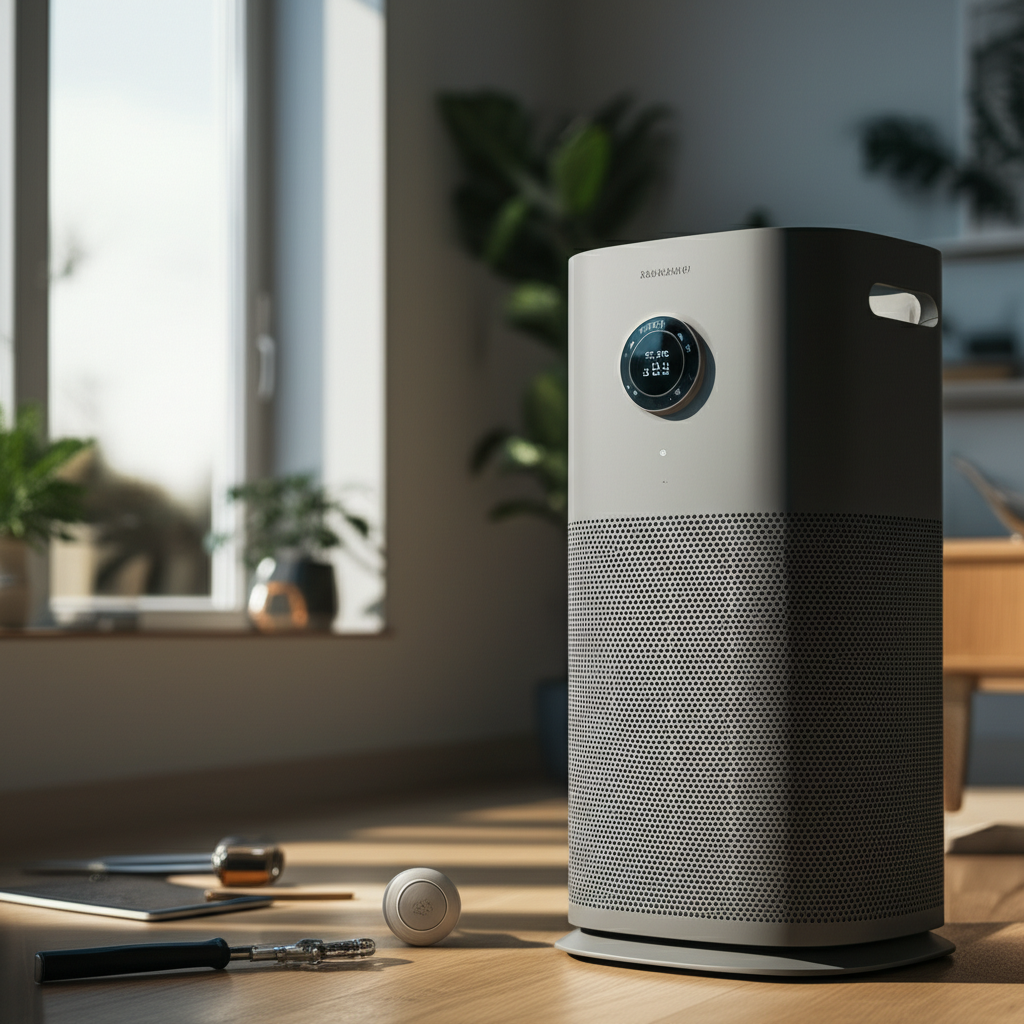
Some air purifiers with substantial activated carbon filters can help reduce carbon monoxide levels, but they are not as effective or reliable as dedicated carbon monoxide detectors.
What type of air purifier filters carbon monoxide?
Air purifiers with deep-bed activated carbon filters or those that explicitly state CO filtration capabilities are most likely to have some impact. Look for units with a significant amount of carbon.
Can a HEPA filter remove carbon monoxide?
No, HEPA filters are designed to capture particulate matter like dust and pollen, not gases like carbon monoxide.
Are air purifiers a substitute for carbon monoxide detectors?
Absolutely not. Carbon monoxide detectors are essential safety devices that provide early warning of dangerous CO levels, which air purifiers cannot reliably do.
How much activated carbon is needed to filter CO?
Effective CO filtration requires a substantial amount of high-quality activated carbon, often in pelletized form, with a slower airflow to allow adequate contact time for adsorption.
Where should I place my carbon monoxide detector?
Place CO detectors on every level of your home, inside each bedroom, and outside sleeping areas. They should be placed on walls at least 5 feet from appliances or near breathing zones.
What are the symptoms of carbon monoxide poisoning?
Symptoms include headache, dizziness, nausea, vomiting, fatigue, and confusion. In high concentrations, it can lead to unconsciousness and death.
Conclusion: Prioritize Safety with the Right Tools
In summary, while the question “can air purifier filter carbon monoxide?” has a qualified yes, it’s essential to temper expectations. Standard air purifiers are not designed for CO removal, and even those with activated carbon have limitations unless specifically engineered for this purpose. Your primary defense against the silent threat of carbon monoxide must be a functioning, well-placed carbon monoxide detector and proper home ventilation. Consider air purifiers with advanced carbon filtration as a supplemental measure for overall air quality, but never as a replacement for dedicated CO safety equipment. Protecting your home and family starts with understanding the tools you use and ensuring you have the right ones for every job.
