
Can Air Purifier Cause Asthma? Proven Relief

While air purifiers are designed to improve air quality and alleviate asthma symptoms, improper use or selection can inadvertently trigger reactions. This article explores how to choose and use an air purifier safely to ensure it provides proven relief, not irritation, for those with asthma.
Breathing freely is a fundamental human need, yet for millions living with asthma, it can be a daily struggle. Allergens and irritants lurking in our homes often exacerbate symptoms, making a clean indoor environment crucial. Many turn to air purifiers, hoping for a breath of fresh air, but a common concern arises: can air purifiers actually cause asthma? It’s a valid question, and understanding the nuances is key to finding genuine relief. This guide will demystify the relationship between air purifiers and asthma, offering clear, actionable advice to ensure you harness their benefits without unintended consequences.
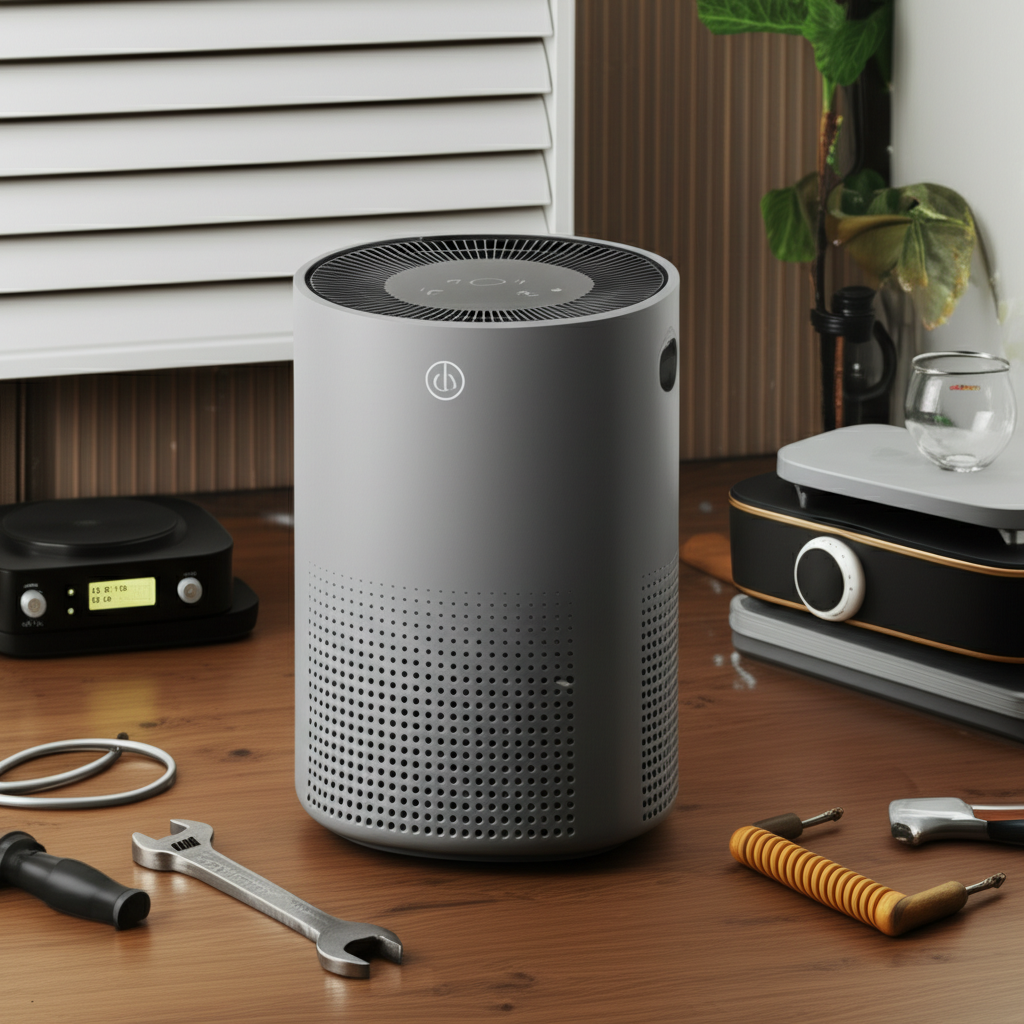
Realization: Can Air Purifier Cause Asthma?
Air purifiers are designed to remove airborne particles that can trigger asthma symptoms, such as dust mites, pollen, pet dander, and mold spores. By trapping these microscopic irritants, they aim to create a healthier indoor atmosphere. However, the effectiveness and safety of an air purifier depend heavily on its type, maintenance, and how it’s used in conjunction with your asthma management plan.
How Air Purifiers Help Asthma Sufferers

LEVOIT Core300-P Air Purifier for Asthma (Allergies)
Air purifiers can significantly improve indoor air quality by filtering out common asthma triggers. HEPA filters, in particular, are highly effective at capturing very small particles, including allergens and pollutants that can inflame airways. Regular use can lead to fewer asthma flare-ups and a better quality of life for individuals with respiratory conditions.
Potential Downsides: When Air Purifiers Can Worsen Asthma
While beneficial, certain types of air purifiers or their misuse can indeed worsen asthma symptoms. Ozone-generating purifiers, for instance, release ozone gas, which is a known lung irritant and can trigger asthma attacks. Additionally, poorly maintained units or those with faulty filters can recirculate allergens or even introduce new irritants into the air.
Choosing the Right Air Purifier for Asthma
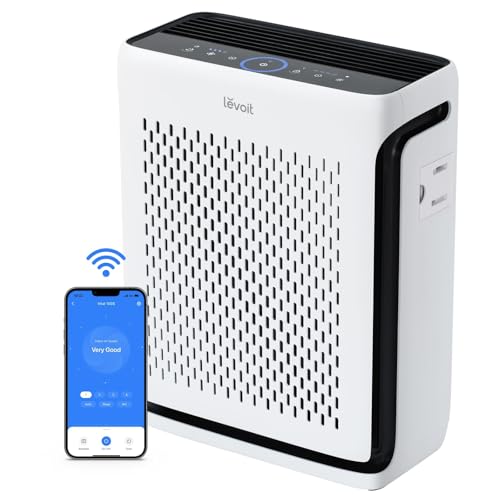
LEVOIT Vital 100S-P Air Purifier for Asthma (Allergies)
Selecting the correct air purifier is paramount for asthma sufferers. Not all purifiers are created equal, and some technologies are better suited for sensitive respiratory systems than others. Focusing on specific features and certifications can help you make an informed decision that supports, rather than hinders, your respiratory health.
The Importance of HEPA Filters
High-Efficiency Particulate Air (HEPA) filters are the gold standard for asthma and allergy sufferers. True HEPA filters are certified to capture at least 99.97% of airborne particles as small as 0.3 microns. This includes common asthma triggers like pollen, dust mite feces, mold spores, and pet dander, making them essential for effective air purification.
Avoiding Ozone-Generating Air Purifiers
Ozone generators and ionizers that produce ozone should be avoided by individuals with asthma. The U.S. Environmental Protection Agency (EPA) warns that ozone is a lung irritant that can cause coughing, shortness of breath, and throat irritation, even at low levels. Look for purifiers explicitly labeled as “ozone-free” or certified by organizations like the California Air Resources Board (CARB).
Activated Carbon Filters for Odors and VOCs
Beyond HEPA filters, activated carbon filters are highly beneficial for asthma sufferers. These filters excel at adsorbing gases, odors, and volatile organic compounds (VOCs) emitted from cleaning products, paints, and furniture. Reducing these chemical irritants can further improve indoor air quality and lessen the burden on sensitive lungs.
Understanding CADR and Room Size
When choosing an air purifier, consider its Clean Air Delivery Rate (CADR) and ensure it’s appropriate for your room size. CADR indicates how quickly the purifier can clean the air of specific pollutants like smoke, dust, and pollen. A higher CADR generally means more efficient cleaning, but it’s crucial to match the unit’s capacity to the square footage of the space you intend to use it in.
Proper Air Purifier Usage for Asthma Relief
Even the best air purifier won’t provide relief if not used correctly. Understanding optimal placement, run times, and maintenance schedules is crucial for maximizing benefits and preventing potential issues. Consistent and proper usage is key to creating a consistently cleaner breathing environment.
Optimal Placement in Your Home
Place your air purifier in the room where you spend the most time, typically the bedroom or living area. Ensure it has adequate space around it for proper airflow, avoiding corners or placing it directly against furniture. Keeping the unit in a central location within the room can help it circulate and filter air more effectively.
Running Your Air Purifier Effectively
For maximum benefit, run your air purifier continuously, especially during periods of high allergen counts or when air quality is poor. Many modern air purifiers have quiet, energy-efficient modes that allow for 24/7 operation without significant disruption or energy cost. This consistent operation ensures the air is always being filtered.
Regular Maintenance and Filter Replacement
Neglecting maintenance is a common pitfall that can turn an air purifier into an irritant. Regularly clean or replace filters according to the manufacturer’s instructions. Clogged filters reduce efficiency and can become breeding grounds for mold or bacteria, releasing them back into the air.
Signs Your Air Purifier Might Be Causing Issues
It’s important to be vigilant for any signs that your air purifier might be contributing to your asthma symptoms. While rare, certain reactions can occur, and recognizing them early allows for prompt adjustments. Paying attention to your body’s response is a critical part of ensuring the device is truly helping.

Shark HP071BRN Air Purifier for Asthma
New or Worsening Symptoms
If you notice new respiratory symptoms, such as increased coughing, wheezing, or shortness of breath, shortly after introducing an air purifier, it’s a red flag. Similarly, if your existing asthma symptoms seem to worsen, despite using the purifier, it warrants investigation into the device itself. This could indicate an incompatibility or a malfunction.
Unusual Odors or Noises
A properly functioning air purifier should operate quietly and without emitting any strange smells. If you detect a musty odor, a burning smell, or any unusual mechanical noises, it could signify a problem with the unit or its filters. These signs often point to a need for immediate cleaning or filter replacement.
Air Purifier Technologies to Consider
Beyond HEPA and activated carbon, other technologies exist, each with its own pros and cons for asthma sufferers. Understanding these can help you make the most informed choice for your specific needs and sensitivities.
UV-C Light Technology
Some air purifiers incorporate UV-C light to kill airborne bacteria and viruses. While this can be an added benefit, it’s important to ensure the UV-C component doesn’t produce harmful byproducts. When used correctly, it can be a safe addition to a multi-stage filtration system.
Ionizers and Their Potential Impact
Ionizers release negative ions into the air, which attach to particles, causing them to fall out of the air or stick to surfaces. While some people find them helpful, many ionizers also produce small amounts of ozone, which, as mentioned, can be problematic for asthma. If considering an ionizer, opt for one that is certified ozone-free.
Photocatalytic Oxidation (PCO)
PCO technology uses UV light and a catalyst to break down VOCs and other pollutants. However, some PCO systems can produce ozone and other potentially harmful byproducts. Research the specific PCO technology and its certifications before purchasing.
Comparing Air Purifier Types for Asthma
To make the best choice, it’s helpful to compare the common types of air purifiers available. This comparison highlights their strengths and weaknesses concerning asthma management.
| 🪄 Air Purifier Type | ⚙️ Primary Function | 💚 Best for Asthma | ⚠️ Potential Concerns |
|---|
| HEPA Filter Only | 🌀 Captures particulate matter | 🌟 Excellent for allergens, dust, pet dander | ⚠️ May not address gases or odors |
| HEPA + Activated Carbon | 🌀 Captures particles + adsorbs gases & odors | 🌟 Excellent for allergens, gases, VOCs | 🔄 Requires regular filter replacement |
| Ozone Generators | 🌫️ Produces ozone to neutralize odors/pathogens | 🚫 Not recommended for asthma | ❌ Ozone is a lung irritant |
| Ionizers (Ozone-Free) | ⚡ Charges particles to remove them from the air | 👍 Can help if certified ozone-free | ⚠️ Effectiveness varies; ensure ozone-free certification |
| UV-C Light | 💡 Kills airborne microorganisms | ✅ Good as an addition; safe if no harmful byproducts | ⚠️ May not address all allergens or particles |
Expert Recommendations for Asthma-Friendly Air Purification
Leading health organizations and asthma experts generally recommend air purifiers with true HEPA filters and activated carbon for improving indoor air quality. They emphasize avoiding ozone-producing devices and maintaining the unit diligently. Consulting with your allergist or pulmonologist can provide personalized advice based on your specific condition.
What Asthma and Allergy Foundations Recommend
Organizations like the Asthma and Allergy Foundation of America (AAFA) often recommend using air purifiers with HEPA filters to reduce exposure to airborne allergens. They stress the importance of choosing models that are certified for low noise levels and do not emit ozone. Proper maintenance is also a key recommendation for ensuring effectiveness.
Consulting Your Healthcare Provider
Your doctor or allergist is your best resource for personalized advice on managing your asthma. They can help you understand your specific triggers and recommend whether an air purifier is a suitable addition to your treatment plan, and which types might be most beneficial. Always discuss new devices or treatments with your healthcare provider.
Frequently Asked Questions (FAQ)
Can air purifiers make asthma worse?
Yes, certain types of air purifiers, particularly those that produce ozone, can make asthma worse by irritating the lungs. Poorly maintained units or those with faulty filters can also recirculate allergens.
What is the best type of air purifier for asthma?
The best type of air purifier for asthma typically features a true HEPA filter to capture fine particles and an activated carbon filter to adsorb gases and odors. Always opt for ozone-free models.
How often should I change the filters in my air purifier?
Filter replacement frequency depends on the model and usage, but generally, HEPA filters should be replaced every 6-12 months, and activated carbon filters every 3-6 months. Check your manufacturer’s manual for specific recommendations.
Can air purifiers help with dust and pet dander?
Absolutely. Air purifiers equipped with HEPA filters are highly effective at capturing dust particles, pet dander, and other common allergens that can trigger asthma symptoms.
Should I run my air purifier all day if I have asthma?
Running your air purifier continuously, especially in the bedroom or main living areas, is generally recommended for individuals with asthma to maintain consistent air quality.
Are air purifiers noisy?
Air purifiers vary in noise levels. Many models offer quiet or sleep modes, making them suitable for bedrooms. Look for units with low decibel ratings for quieter operation.
Do air purifiers remove viruses and bacteria?
While HEPA filters capture many airborne particles, including some bacteria and viruses, they are not a substitute for good hygiene practices. Some purifiers with UV-C light may offer additional germ-killing capabilities.
Conclusion: Breathe Easier with the Right Air Purifier
Finally, can air purifier cause asthma? Well, they can help relieve symptoms, but the wrong type or improper use may trigger problems. By prioritizing true HEPA filtration, avoiding ozone-generating technologies, and committing to regular maintenance, you can ensure your air purifier actively contributes to a healthier, more breathable environment. Choosing the right unit and using it correctly transforms it from a potential irritant into a vital ally in managing your asthma, offering proven relief and a better quality of life.
